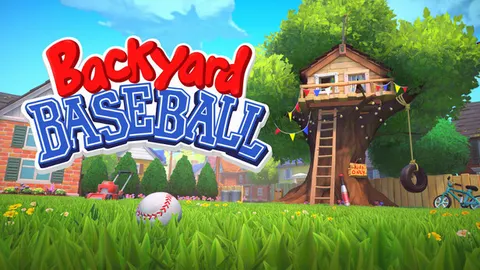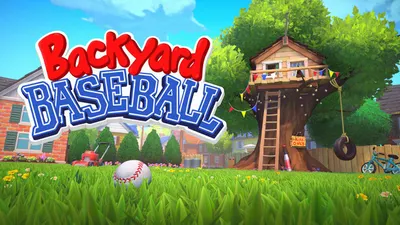
Backyard Baseball demo finally gives the revival a concrete shape. The Steam page now points to a July 9, 2026 release, and that matters. For years, the series lived on nostalgia and quiet expectation. Now it has a date, a store page, and enough detail to suggest a real comeback rather than a token reissue.
That shift changes the conversation. Playground Productions and Mega Cat Studios are not just waving at longtime fans. They are positioning the game as a modern, accessible return for anyone who wants arcade baseball with personality. That is the right move. The sports game market is crowded, but it still leaves room for something fast, colorful, and unmistakably character-driven.
A Steam listing that actually moves the needle
Backyard Baseball demo matters because the Steam listing does more than tease a logo. It confirms the July 9, 2026 launch, and it outlines a package with 11 remastered stadiums, 30 beloved characters, 24 original teams, and six game modes. That is enough to frame the project as a substantial revival, not just a curiosity for fans of 1990s PC games.
In addition, the page highlights online PvP, shared-screen PvP, Steam Achievements, and Steam Cloud support. Those features are important for a game like this. Backyard Baseball has always depended on short sessions, easy laughter, and repeat play. Modern infrastructure gives it a better chance to stick.
There is also a key detail that will resonate with players burned out by live-service monetization: no microtransactions. That choice gives the project a cleaner identity. It also helps the game feel more faithful to the spirit of the original series, where the fun came from the match itself, not from a shop prompt.
What makes this revival different?
Backyard Baseball demo is not trying to out-simulate MLB The Show. That would be the wrong battle. Instead, the game seems designed to win on charm, readability, and silliness. The Steam description mentions power-ups such as FIRE BALLS, CRAZY BALLS, and the legendary ALUMINUM POWER BAT. That is the sort of absurdity that made the series memorable in the first place.
Furthermore, the structure looks smart for modern players. Tutorials, accessible modes like T-ball, and competitive options for more experienced users should widen the audience. That balance is crucial. If the game leans too hard into novelty, it becomes a gimmick. If it stays too faithful to the past, it risks feeling old rather than classic.
I think the biggest opportunity here is tonal. Backyard Baseball works when it feels playful without becoming shallow. The original games were memorable because they treated baseball like a neighborhood ritual, not a broadcast product. If this revival keeps that feeling alive, it can stand apart from almost every other sports game on the market.
Why the demo is a big deal for players
Backyard Baseball demo is the first real test of whether the revival can live up to its own promise. A demo gives players something much more useful than a trailer. It shows rhythm, controls, camera flow, and whether the art direction still carries the same offbeat energy. For a cult franchise, that first hands-on impression is everything.
Moreover, the demo creates a bridge between old fans and new players. Longtime supporters will check whether the characters still feel right. Newcomers will simply ask whether the game is fun in ten seconds or less. That is the real standard here. The best arcade sports games do not demand explanation; they invite immediate play.
Another reason the demo matters is timing. A July launch gives the game a summer window where casual, social, and family-friendly play can thrive. That is not a minor detail. Arcade sports games often do best when they arrive in a season that matches their mood. Backyard Baseball has exactly that kind of energy.
Can Backyard Baseball win beyond nostalgia?
Backyard Baseball demo has a fair shot at reaching beyond the retro crowd, but only if the execution is sharp. Nostalgia may open the door, yet it will not carry the game for long. Players today expect smooth menus, clear progression, and enough replay value to justify regular return visits.
On that front, the signs are encouraging. The Steam page promises achievements, unlockables, collectible rewards, and multiple play styles. That gives the game a stronger loop than a barebones remake would. It also suggests the developers understand that modern retro revivals need more than a paint job.
At the same time, the challenge is obvious. Sports games with a strong personality are rare, and that rarity creates pressure. If the controls feel sloppy or the humor lands flat, the revival will be remembered as a missed opportunity. If the feel is right, though, Backyard Baseball could become one of the more distinctive sports returns of 2026.
The July 9 launch is the real checkpoint
Backyard Baseball demo now has a launch date, a demo, and a clearer identity. That is enough to make it one of the more interesting sports stories of the moment. It is not the biggest blockbuster on the calendar, but it has the kind of personality that can turn curiosity into momentum.
For players, the next question is simple: does the game still capture the spirit of making baseball feel like a playground event? If the answer is yes, this revival could travel further than many expect. If not, it will still have served one useful purpose: reminding everyone why the series mattered in the first place.
We will be watching the demo reaction closely, because the community verdict will likely shape the launch narrative. The real test begins now, and July 9, 2026 will tell us whether Backyard Baseball is back for good.