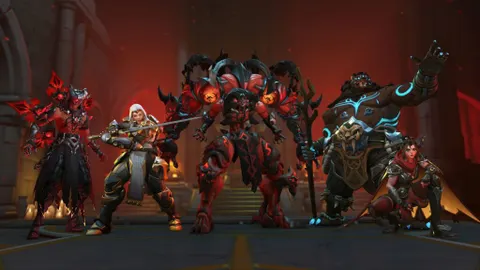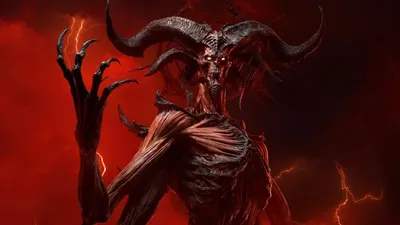
Lord of Hatred launch is not just another Diablo 4 content drop. Blizzard is using it to rewrite the progression loop, and that is the real story here. Yes, the new classes get attention. However, the bigger change is structural. Diablo 4 is finally trying to become the kind of ARPG that evolves after the credits roll. If you want the wider context, keep an eye on our latest gaming news.
The official Blizzard page makes that clear. It does not just sell a darker campaign. It promises new systems, a new pace, and a broader endgame. That matters. Diablo 4 has always looked strong in motion. The problem was what happened after the first big rush. This launch is Blizzard's answer to that criticism.
Lord of Hatred launch: why it matters
Lord of Hatred launch matters because Blizzard is not treating the expansion like a side quest. The return of Mephisto, the new region of Skovos, and the Paladin and Warlock classes are the obvious hooks. But the official messaging puts just as much weight on skill tree reworks, a higher level cap, and a loot filter. That is the smarter play, in my view.
In effect, Diablo 4 did not need a prettier wrapper. It needed a stronger reason to reroll, rebuild, and care about every run. NVIDIA's write-up on the launch confirms the same thing. On its PC gaming feature page, the company frames Diablo 4: Lord of Hatred as a launch-day story with real system depth. That is exactly the kind of signal a live-service ARPG wants at launch.
Blizzard is also leaning into a comparison that older Diablo fans will understand immediately. This feels less like a seasonal refresh and more like Reaper of Souls. Diablo III only recovered its long-term reputation once its endgame got serious. Lord of Hatred is trying to do the same for Diablo 4, and that gives the launch a lot more weight than a normal expansion beat.
What the Lord of Hatred launch changes for endgame
Lord of Hatred launch changes the conversation because the endgame is where Diablo 4 was under the most pressure. Blizzard is talking about new high-level activities, deeper progression, and more meaningful choices once the campaign is done. That means the expansion is not just a story endpoint. It is a new loop. For an ARPG, that is the difference between a headline and a habit.
Blizzard also brings back the Tower, now called Artificer's Tower, alongside leaderboard beta content. That detail matters more than it looks. It tells you Blizzard still wants a place for optimization, comparison, and build chasing. That is a smart move. It gives competitive and theorycrafting players a reason to stay invested while the rest of the audience works through the campaign and the new classes.
The loot filter may be the most important quality-of-life addition of the bunch. It sounds small. It is not. In an ARPG, better item visibility can reshape the entire farming rhythm. When the game stops drowning you in noise, the hunt becomes more satisfying. That is one of the reasons Path of Exile veterans are so picky about item systems. Blizzard seems to know that now.
There is also the level cap increase and the class-specific skill variants. Those are not cosmetic changes. They create a new sense of momentum. Diablo 4 has often been at its best in the first stretch of a season. The new structure suggests Blizzard wants that momentum to last much longer. I think that is the right ambition, even if it raises expectations for every future update.
Is Blizzard finally fixing Diablo 4's long game?
Lord of Hatred launch is also a test of trust. Blizzard has to prove that it can improve Diablo 4 in lasting ways, not just with a flashy opening week. The SteamDB record for Diablo 4 was updated on April 29, 2026, which is a useful PC-side signal. It shows the store assets and live data are moving with the launch, not drifting behind it. You can check the live listing on SteamDB.
That kind of update matters because Diablo 4 lives on multiple fronts at once. The console crowd wants smooth progression. PC players want clarity, build depth, and performance. Streamers want a loop that looks good after ten hours, not just ten minutes. When Blizzard refreshes the Steam presence at the same time as the expansion lands, it is trying to keep all of those audiences warm.
From an editorial point of view, this is the strongest kind of Diablo story. It is not only about what arrives today. It is about whether the game can hold attention next month, and the month after that. That is why this PC coverage matters beyond launch hype. If Blizzard gets the systems right, the player base can grow in a way that seasons alone never managed.
Why the PC crowd should care now
Blizzard seems to understand that Diablo 4 is judged by its late game, not by its trailer. That is why this launch feels more serious than a standard content drop. It is a credibility play. If the progression feels better, if the loot is easier to read, and if the new endgame activities feel worth chasing, the game can keep players far longer than before.
For that reason, the launch is bigger than the new classes. Paladin and Warlock are the hook, but the endgame overhaul is the real argument. If you want to follow the wider fallout, check the news section and our gaming features. The next few weeks will tell us whether Blizzard has built a stronger Diablo 4 or just a louder one.
In short, Lord of Hatred should be judged on what it changes after the campaign, not only on what it adds on day one. That is where the long-term win or failure will show up. And if Blizzard has really fixed the loop, the conversation around Diablo 4 could shift fast on both PC and consoles.