Dragon Ball Games Battle Hour 2026 is now in the final stretch, and Bandai Namco is clearly treating it as a major franchise moment. The event is not just a fan gathering. It is a live snapshot of where Dragon Ball games stand right now, and where the brand may be heading next. For players, that matters more than it might first appear.
First, the timing is smart. The official Dragon Ball channels have spent the last few days building momentum around the Los Angeles event. Second, the lineup is broad enough to matter to multiple audiences at once. FighterZ fans get competition. Sparking! ZERO players get the big-console showcase. Xenoverse 2 players get another reminder that the game still occupies a central place in the Dragon Ball ecosystem.
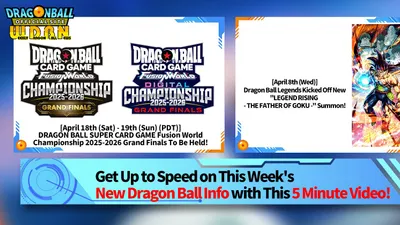
For the official recap and the event hub, check the weekly Dragon Ball news post and the Battle Hour official site. If you want a wider context on the franchise’s current game strategy, our latest gaming coverage is the best place to keep watching.
A fan event with real commercial weight
Dragon Ball Games Battle Hour 2026 is designed to do more than fill a stage schedule. It brings together exhibitions, tournaments, booths, and streamable programming in a way that keeps Dragon Ball visible across the whole weekend. That is a strong move in a crowded games market, where many franchises struggle to remain part of the conversation for more than a few days.
In my view, the event format is one of Bandai Namco’s smartest tools. It creates anticipation, but it also makes the brand feel active and social. Instead of dropping a single announcement and moving on, the company turns the franchise into a living meeting point. That keeps fans engaged and gives media outlets a reason to cover the same universe from multiple angles.
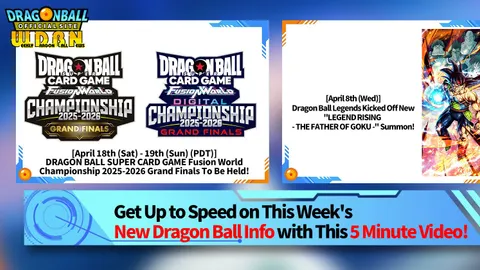
The official site already lists Dragon Ball FighterZ, Dragon Ball: Sparking! ZERO, Dragon Ball Xenoverse 2, Dragon Ball Z Dokkan Battle, Dragon Ball Legends, Dragon Ball Gekishin Squadra, and the card game projects. That mix is important. It shows that Dragon Ball still operates as an ecosystem, not as a single title. Different audiences are being served at once, and that broadens the event’s appeal.
Why Xenoverse 2 still matters
Dragon Ball Xenoverse 2 has lasted because it serves a different purpose from the newer releases. Sparking! ZERO is built around spectacle and head-on fighting. Xenoverse 2 is about custom characters, progression, and a wider social loop. Those design differences matter. They explain why one game can launch as a fresh blockbuster while the other keeps aging into a durable platform.
That longevity is not accidental. It is a sign that the game still has a strong audience and still earns a place in the publisher’s lineup. For players, that means the title remains relevant even as the franchise expands. For Bandai Namco, it means Xenoverse 2 still has value as a community anchor. I think that is more impressive than another short burst of hype.
The Battle Hour site visibly includes Xenoverse 2 among the games being promoted at the event. That matters because visibility is part of longevity. When a publisher keeps a game in the spotlight this long after launch, it sends a clear signal: the audience still exists, and the game still supports the brand’s wider goals.
What the live stream could mean
The event schedule includes a Fighters Masters Showdown, a Dragon Ball Super special panel, and Battle Hour Times segments. That alone makes the weekend worth watching. However, the more interesting question is what Bandai Namco may be setting up around the future of Dragon Ball games. The presence of AGE 1000 in official communication is hard to ignore.
Even so, I would not assume every major reveal lands all at once. Dragon Ball’s recent communication has been carefully paced, and that is often the right call. A staggered strategy keeps fans talking for longer, and it avoids blowing the franchise’s biggest bullets too early. That may frustrate some players, but it is a sensible way to manage a huge IP.
From a player’s perspective, the value is simple: this weekend could clarify how the next phase of Dragon Ball gaming will be framed. Whether the focus is competitive, narrative, or brand-new, the event should tell us where the publisher wants the franchise to go next. That is exactly the kind of signal fans watch for.
Why this matters now
Dragon Ball stands out because it still manages to feel active across several games at once. Many older franchises fade after one or two major releases. Dragon Ball does the opposite. It keeps one foot in legacy support and another in new announcements. That balance is hard to achieve, and Battle Hour is where that balance becomes visible.
For players in particular, that is good news. It means older titles like Xenoverse 2 can still matter while newer projects get room to grow. It also means the brand does not need to rely on one hit to stay relevant. That is a healthier model than the stop-start rhythm we see in many other licensed game lines.
In the end, Battle Hour 2026 is not just about one trailer or one tournament. It is about the shape of the Dragon Ball gaming brand in 2026 and beyond. If Bandai Namco wants to keep the community invested, this is the weekend to prove it. The next few days should tell us whether Xenoverse 2 remains a quiet pillar, or whether it is about to share the stage with something even bigger.
Either way, this is the kind of event worth following closely. Dragon Ball has a habit of turning its best moments into long-running conversations, and this one looks ready to do the same.