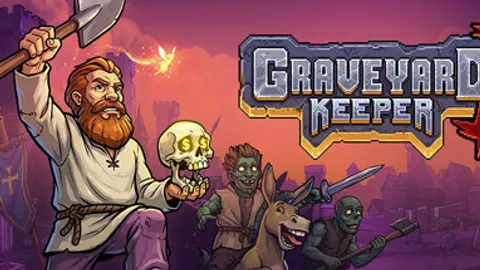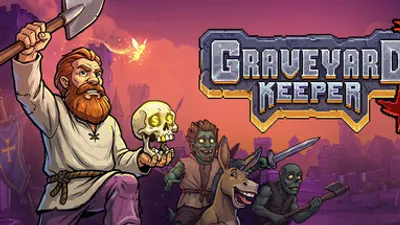
Graveyard Keeper 2 AI did not need a firm release date to start a fight. The sequel was announced, the community looked at the artwork and audio, and a familiar modern question arrived almost instantly: is generative AI involved or not? The studio says no. Players, meanwhile, are still dissecting every frame and every line of the pitch. That tension is exactly why this story matters. It is not just about one game. It is about how a cult indie series can turn into a live debate in a matter of hours.
Why the debate exploded so fast
Graveyard Keeper 2 AI became a talking point because the reaction did not stay contained inside a niche Discord or a single subreddit. It spread quickly across PC communities, where players tend to inspect store pages, trailers, and developer statements with unusual care. The official Steam announcement introduced the sequel and also reminded fans that the first game is free until April 13. PC Gamer then amplified the response from the studio, which immediately made the issue bigger than a simple social-media spat.
In practice, the controversy makes sense. Lazy Bear Games is not a giant publisher with infinite goodwill to burn. Graveyard Keeper earned its audience through tone, weirdness, and a very specific kind of dark humor. The first game never behaved like a polished mega-franchise. It felt handmade, messy, and intentionally offbeat. That is part of the appeal. So when fans suspect automation or generated assets, they are not just reacting to a visual style. They are reacting to the possible loss of the series' identity.
More importantly, this is why trust matters so much here. A cult game can survive rough edges, but it cannot survive a sense that its personality has been outsourced. The broader point is simple. Players do not buy systems alone. They buy tone, texture, and intent. Once that trust wobbles, every later trailer has to work harder just to be believed.
A sequel that has to protect its identity
Graveyard Keeper 2 AI also deserves attention because the sequel itself sounds like a bigger and more ambitious version of the original formula. The official Steam page talks about managing the graveyard, automating production, leading an undead army, and rebuilding the town. That is not a lazy retread. It is a broader simulation loop built on the same grotesque joke. In that sense, the sequel is promising exactly what fans likely wanted: more systems, more chaos, and more room for the series to lean into its own weirdness.
However, sequels only work when they keep the original heartbeat intact. The first Graveyard Keeper succeeded because it mixed management, resource gathering, and moral absurdity in a way that felt off-kilter but coherent. It had the same kind of loop appeal that makes Stardew Valley so sticky, yet its personality sat closer to Cult of the Lamb, with a bureaucratic layer of morbid comedy on top. That blend is rare. If the sequel loses that balance, it could end up technically richer but emotionally thinner. That would be the real disappointment.
On the other hand, the way the original game is being used right now is smart. The official site of the series reminds players that the base game is free for a limited time, which helps the franchise feel active again instead of frozen in nostalgia. From a community perspective, that is a good move. It pulls old players back in and gives new players a cheap way to understand the joke before the sequel arrives. In a market full of sequels that ask for blind faith, this approach is refreshingly practical. It also sends readers toward our other PC game coverage, where the next wave of spring releases is moving fast.
Is AI the tool or the warning sign?
Graveyard Keeper 2 AI raises a bigger industry question: where does internal experimentation end, and where does the final public product begin? There is nothing inherently shocking about a studio testing new tools behind closed doors. The problem starts when visible assets, voices, or marketing material blur that line. On PC especially, players track those details closely. They are used to reading between the lines of store tags, community posts, and trailers. Once the messaging feels vague, suspicion becomes the default interpretation.
That is why this debate is not really about code. It is about clarity. A studio can try anything it wants inside its own pipeline, but once it publishes art or audio, the work has to stand on its own. If the audience starts asking whether a voice was generated, whether a visual was enhanced, or whether a character sheet was machine-made, then the communication already failed. My view is simple: experimentation is not the problem. Ambiguity is. If a developer cannot explain its process cleanly, it will spend the whole marketing cycle defending itself instead of talking about the game.
There is also a wider cultural issue here. Indie teams do not need another symbolic war over AI. They need transparent standards, obvious authorship, and a tone that matches the product. The series site is still a good reminder that this franchise has always sold a very specific mood. If the sequel wants to keep that audience, it has to prove that its charm comes from design choices and artistic intent, not from the noise around the tools used behind the curtain. Players can accept new workflows. They are much less forgiving when the final picture feels blurry.
And that is exactly how distrust spreads. The moment a studio leaves too much unsaid, the community writes the missing story on its own. Sometimes that story is unfair. Sometimes it is exaggerated. But it is always dangerous for the game. Graveyard Keeper 2 does not need a purity contest. It needs a clean explanation and a strong first showing. Otherwise the debate will outgrow the game itself.
What the studio still has to prove
Graveyard Keeper 2 AI still has room to win people over. The sequel does not yet have the safety net of a fixed launch date, and the project is only promised for later this year. That means the studio still needs to prove three things at once: that the gameplay is deeper, that the art direction is consistent, and that the messaging is clear. In other words, the real battle has barely started.
Then again, that is also what makes this interesting. Sequels that last are not just bigger. They are sharper. They know what to keep and what to evolve. Graveyard Keeper 2 will need to show that its expanded management systems do not bury the humor under extra menus. It will need to show that the town-building layer adds momentum instead of bloat. And it will need to show that the series still has the same mischievous pulse that made the original memorable in the first place.
Finally, the next trailer will matter more than any argument on Reddit or any speculative thread about AI. The first game is free until April 13, the sequel has no hard release date yet, and the community is already watching closely. That is the kind of moment that can either reset a franchise or trap it in a defensive posture. We will be following the next update closely on our PC and console news feed, because this is exactly the sort of story that can either calm down fast or keep snowballing.