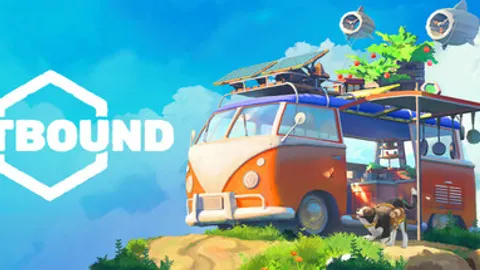
Outbound is moving again, and this is the kind of delay that matters to players. Square Glade Games has pushed the release from April 23 to May 14, 2026, giving the project a short but meaningful extension before launch. According to Gematsu, the studio found an issue late in development that could hurt the experience. That is not the flashiest kind of gaming news, but it is often the smartest.
Meanwhile, the live listing on Steam already reflects the new date, and the Epic Games Store feature still frames the game around van life, freedom, and player-driven travel. In other words, the core pitch has not changed. The calendar has shifted, but the identity remains intact.
Outbound delay: why this matters
Square Glade Games does not describe this as a minor scheduling tweak. The studio says it discovered a problem late in the process, and that issue could have affected player enjoyment. That is an important distinction. It suggests the team is reacting to quality concerns, not chasing marketing headlines or a better window on the calendar.
As a result, the delay looks less like hesitation and more like damage control before it becomes real damage. A game launching on PC, PlayStation 5, Xbox Series, Switch 2, and Switch has a lot more to juggle than a single-platform release. Performance, loading behavior, UI readability, and overall stability all become part of the launch conversation. If a cozy game wants trust, it has to feel calm from the first minute.
That is especially true for a project built around atmosphere. Outbound is not trying to be a punishing survival grinder. It is selling travel, customization, and a slower pace. When a game like that arrives rough around the edges, the mismatch between promise and execution becomes painfully obvious.
Does the new date change the outlook?
Yes, it probably does. Three extra weeks are not enough to reinvent a game, but they can be enough to smooth the roughest edges. That can matter a lot when a title is trying to build goodwill across multiple platforms at once. A cleaner launch can do more for long-term visibility than a rushed release that burns trust on day one.
In addition, the demo will remain available until May 12. That is a smart move. It keeps the game in the conversation while the release is on hold, and it gives curious players a chance to test the atmosphere for themselves. For a title like this, a playable demo is more persuasive than a trailer. People want to know whether the loop feels relaxing, not just whether the van looks cool in screenshots.
There is also a practical benefit here. A longer demo window helps convert waiting into momentum. Players who like what they try can wishlist the game, talk about it, and keep it visible in the noise of a crowded release season. That is especially valuable for a project with a distinct hook, because the hook only works if people remember it.
A cozy road trip with broader appeal
Outbound is aiming for a space that sits between exploration game, life sim, and mellow survival. The van-life angle gives it a clear visual hook, but the real draw is the fantasy of movement and self-directed play. That puts it in a category that has grown a lot over the past few years: games that let players slow down without feeling empty.
That trend matters. Players who want a change from combat-heavy blockbusters are always looking for something that feels personal and readable. Outbound seems designed to hit that audience, and the fact that it supports co-op only broadens the reach. Some players will come for the aesthetic. Others will come for the systems. The best-case scenario is that both groups stay.
However, this kind of game has to be careful. Cozy does not mean shallow, and relaxed does not mean forgettable. The systems need enough depth to keep sessions interesting, but not so much pressure that the tone collapses. That balance is hard to achieve, which is exactly why an extra delay can be a good sign rather than a bad one.
Why a delay can help the launch
In the end, the shift to May 14 may help Outbound more than it hurts it. The project keeps its identity, the demo stays up, and the studio gets extra time to polish the final build. That is a reasonable trade-off, especially in a market where rushed launches are punished fast and loudly.
Moreover, the game already has the ingredients that drive search interest: a clear title, a strong visual concept, and a release date people can now pin down more confidently. From an SEO point of view, that is valuable. From a player point of view, it is even more important. No one wants a promising road trip to start with technical frustration.
Still, the next few days will tell us whether the delay cools the buzz or sharpens it. If the demo continues to circulate well, the extra time could become an asset rather than a setback. And if Square Glade Games follows up with a tighter trailer or a clearer technical update, the conversation could swing back quickly in its favor.
For now, Outbound remains one of those projects worth watching closely. It is changing lanes, not disappearing from the map. And for players who like their games with a little freedom, a little warmth, and a lot of road ahead, that still makes it a name to remember.