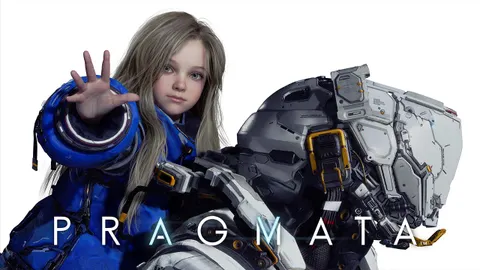
PRAGMATA is finally playable, and Capcom is not treating it like a routine release. After years of silence, date changes, and trailer-driven speculation, the game has landed on PC and immediately put its unusual twin-character combat loop back in the spotlight. For a new IP, that matters. PRAGMATA cannot lean on nostalgia. It has to sell itself on design, mood, and a premise that feels different from the usual big-budget action game.
Steam currently lists the game at $59.99, with a Deluxe Edition at $69.99. The store page also confirms the demo, full French support, and a clear set of PC requirements. That alone gives the release a cleaner footing than many modern launches. Capcom is not asking players to imagine the concept anymore. It is letting them download it, try it, and decide whether Hugh and Diana’s strange partnership is more than a clever pitch.
In short, the timing is excellent for search traffic and for player curiosity. PRAGMATA has been one of Capcom’s most watched projects for a while, and the current launch window is exactly the kind of moment people keep checking for. The title has finally crossed the line from “anticipated” to “available,” and that changes the conversation immediately.
PRAGMATA is no longer a mystery
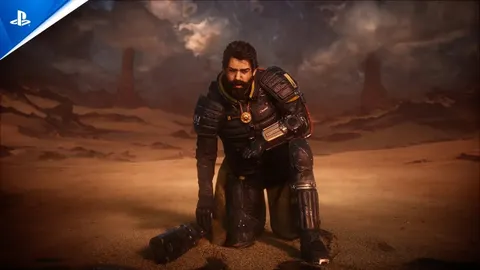
PRAGMATA has spent a long time as an idea rather than a game people could actually judge. That is now over. The release puts Capcom in the position every new IP eventually faces: it has to stand on its own. The good news is that the setup is strong. A lunar facility, a hostile AI, and a relationship between a spacefarer and an android give the game a tone that is easy to remember and easy to describe.
Moreover, Capcom knows how to frame a fresh project. The studio is not pretending PRAGMATA is an established franchise. Instead, it is leaning into the novelty. That matters in 2026, because players are overloaded with sequels, remasters, and brand extensions. A new universe has to earn attention quickly. PRAGMATA does that with atmosphere first and mechanics second, which is usually a smarter order than the reverse.
My read is that Capcom needs this game to succeed for reasons beyond the release itself. A new IP that lands well can become a long-term asset. A new IP that stumbles becomes a footnote. PRAGMATA has the kind of presentation that could support a much bigger future, but only if the launch builds real trust with players.
How does the Hugh-and-Diana system work?
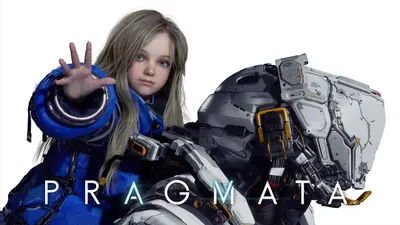
The hook is simple: Hugh moves, shoots, and jumps, while Diana hacks in parallel. That idea immediately separates PRAGMATA from a standard third-person shooter. Instead of treating hacking as a menu action or an occasional support trick, Capcom makes it part of the moment-to-moment combat. That is a much bolder approach than it first appears.
Furthermore, the system should appeal to two different kinds of players. Action fans get direct combat and movement. Players who like tactics get a second layer of decision-making inside the fight. The best comparison is not a single game, but a range of titles that try to make one character do more than one job at once. PRAGMATA seems less interested in being flashy than in making every encounter feel slightly unnatural in a good way.
However, that same idea comes with a risk. Clever combat systems can collapse if the pattern becomes too obvious or too repetitive. A concept can be memorable and still wear thin after a few hours. That is the real test for PRAGMATA. It has to keep the dual-character loop fresh, because its entire identity depends on it.
Still, the concept feels strong enough to carry a full-length game. It gives the player a reason to think, not just react. In a market crowded with action titles that lean on brute force, that alone is valuable.
Is this a PC showcase or just a standard port?
On PC, Capcom is clearly aiming higher than a basic conversion. The Steam page shows a modern hardware baseline, with 16 GB of RAM, Windows 11, and SSD recommendations. The game also asks for stronger GPUs if you want ray tracing support. That puts PRAGMATA in the bracket of polished current-gen PC releases rather than a stripped-down cross-platform product.
In addition, NVIDIA is actively backing the release with path-traced effects, DLSS 4, DLSS Ray Reconstruction, and Reflex. The company’s bundle campaign makes the PC version feel like a technical showcase, not just a compatibility box. NVIDIA’s official bundle post makes that position very clear, and it is easy to see why. PRAGMATA has the kind of sci-fi surfaces and lighting that benefit from advanced rendering.
That said, not every player will care about the highest-end setup. The more important point is that Capcom has given PC users a transparent release with real options. The game is not hiding behind vague marketing language. The specs are there. The demo is there. The price is there. For a launch that has carried this much expectation, clarity is a feature in itself.
My take is that this helps the game’s long-term reputation. PC players are often unforgiving when a release feels sloppy or overhyped. PRAGMATA arrives with enough visible technical ambition to avoid that trap, at least on paper.
Why this launch matters for Capcom
Capcom is in a strong position right now, but that also raises the bar. Fans expect the publisher to keep delivering hits, not just recycling its safest brands. PRAGMATA is important because it proves whether Capcom can still build a fresh universe that feels expensive, focused, and confident.
Also, the game’s release strategy is sensible. It has a demo, a clean Steam page, clear bonus messaging, and a technical pitch for PC players who care about image quality. That is a much better launch structure than dropping a mystery project into the market and hoping curiosity does the rest. Capcom is doing the boring work well, which is usually what gives creative ideas the best chance.
In my view, the most interesting part of PRAGMATA is not whether it becomes a blockbuster on day one. It is whether players keep talking about the combat loop after the launch buzz fades. That is the difference between a flashy release and a memorable new IP.
So far, PRAGMATA has the ingredients to matter: a strong identity, a marketable hook, and a PC release that looks properly supported. The next question is the only one that truly counts: does the game feel as original in practice as it looks in trailers? The community will answer that quickly, and the discussion around Capcom’s next big bet has only just started.