
Rocket League anti cheat is now live on PC, and the change is bigger than a background security update. Psyonix has made Easy Anti-Cheat required for online matches, private matches, and tournaments. As a result, community mods no longer run when EAC is enabled. For players who live in ranked, this could clean up a game that badly needed firmer protection.
Key points
- Easy Anti-Cheat is now required for Rocket League online play on PC through Steam and the Epic Games Store.
- BakkesMod will no longer work on Rocket League versions released after April 28, 2026.
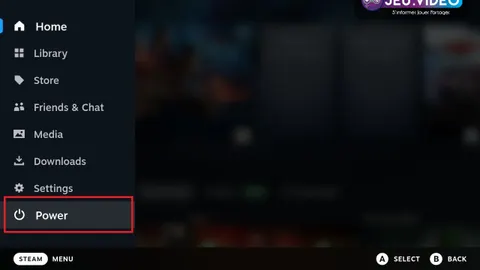
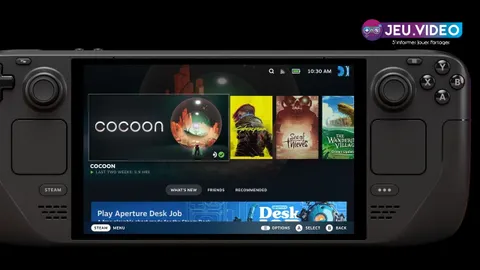
- Psyonix says Steam Deck and Linux remain supported with Easy Anti-Cheat enabled.
- Community mods can still be used offline if players launch Rocket League with Easy Anti-Cheat disabled.
However, the cost is real. Rocket League has always had a strange balance between elite competition and community tools. BakkesMod helped players train, track, test, and improve for years. So this update feels less like a switch being flipped, and more like the end of a PC era. You can follow more live coverage through our latest gaming news.
Rocket League anti cheat is mandatory online
Rocket League anti cheat now gates online PC play. The official announcement says EAC is required for online play on Epic Games Store and Steam. It also confirms Steam Deck and Linux support, which matters more than it may sound.
First, Rocket League is not a normal arcade sports game. Its ranked ladder depends on trust, fast reads, and tiny mechanical edges. Therefore, bots and unfair tools damage the whole experience. When one suspicious player ruins a close game, the result feels personal. That is why this anti-cheat push makes sense on paper.
Moreover, Psyonix says the system can detect cheating, botting, ban evasion, and suspicious behavior. It can also cancel a match without hurting MMR if a violation appears mid-game. That is a strong promise. Still, players will judge it by results, not by wording.
Why BakkesMod is ending support
The biggest community shock is BakkesMod. The creator confirmed in a farewell post that active development is ending. The post says BakkesMod will not work on Rocket League versions released after April 28, 2026. Older versions will remain available, but that does not help normal online players.
In effect, Rocket League loses one of its most important PC tools. BakkesMod was not just a toy for custom items. It powered training routines, replay tools, overlays, advanced stats, and countless small improvements. The creator says the mod had more than 750,000 daily users and over 1.5 million weekly users. Those numbers explain the mood online.
However, this was always the hard problem. Anti-cheat software cannot easily separate a beloved training mod from risky code injection. That is the same tension seen in other competitive PC games. Counter-Strike 2, Rust, and Apex Legends have all shown how security often narrows player freedom.
What PC players gain from the update
There is a meaningful upside. Psyonix is adding several mod-inspired tools directly to Rocket League. These include native MMR display, Custom Training Randomization, and Free Play Team Colors. So the studio is not simply closing the door and walking away.
Still, the trade is uneven today. Serious players lose years of muscle memory with BakkesMod workflows. Broadcasters and tournament organizers also need to adapt. On the other hand, Psyonix has added a new StatsAPI feature for creators. That can help official broadcasts and community events replace overlay plugins in a cleaner way.
For ranked players, the key question is simple. Will Rocket League anti cheat actually reduce bots and match manipulation? If yes, the update will age well. If not, PC players will remember what they lost before they notice what they gained. More PC-focused coverage is available in our PC section.
Steam Deck and Linux support matters
Steam Deck and Linux support may be the most underrated detail here. Many anti-cheat rollouts break Proton or make handheld play messy. This time, Psyonix says support remains intact. GamingOnLinux also covered the rollout on April 30, noting that SteamOS players are not being pushed out.
That matters because Rocket League is a perfect handheld competitive game in short bursts. A ten-minute session can still feel satisfying. Therefore, keeping Steam Deck access helps the update feel less hostile. It also avoids a repeat of the frustration seen when some multiplayer games locked out Linux users.
Nevertheless, early reports should be watched carefully. Any launch problems, validation errors, or performance dips will shape the community reaction. Rocket League needs to feel immediate. If an anti-cheat adds friction, players will notice quickly.
Why this could define Rocket League in 2026
Rocket League anti cheat is not flashy content. It does not add a new car, a new arena, or a crossover event. Yet it may define the year for serious players. Clean ranked games matter more than another cosmetic drop.
In my view, this is a necessary but risky reset. Rocket League has always been one of the purest skill games in the mainstream market. There is no loadout meta, no overpowered hero, and no patch note that teaches you how to air dribble. That purity is worth protecting.
Still, Psyonix now carries the burden of proof. The studio must replace the best BakkesMod ideas quickly. It must also show that bots and cheaters are actually losing ground. If that happens, the community may accept the pain. If not, this update will feel like a security wall built over a training ground. Keep an eye on our news hub as the first ranked reactions settle in.