Solarpunk finally has a release date, and that alone changes the conversation. The Steam page now points to June 8, 2026. After months of uncertainty, the project has a clear target. In a crowded cozy-survival market, that is not a small update. It is the moment a game stops feeling abstract and starts looking real.
At the same time, the official studio site is not fully synced yet. That tiny gap matters less than the date itself, but it tells you something about small-team communication. Announcements often move faster than product pages. Here, the important part is simple: the game now has a real launch window players can plan around.
Solarpunk finally gets a date on Steam
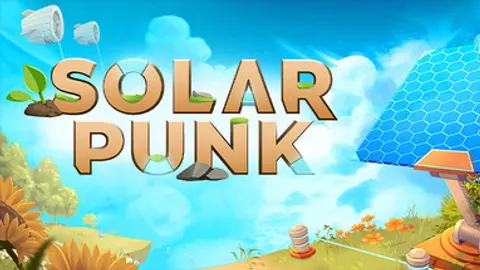
Solarpunk is now dated on Steam, and that is the news players needed. The official announcement is available through the Steam news post, which sets the launch for June 8, 2026. It is clear, direct, and much more useful than a vague release window. For a game that has lived for a long time on wishlists, this matters a lot.
Meanwhile, the studio’s own page is still more cautious. On the official publisher factsheet, the release is still marked TBA. That mismatch is not a crisis, but it is worth noting. It suggests the messaging across official pages has not yet been fully aligned. For readers, the Steam date is the key takeaway.
So, the useful information for PC players is finally straightforward. The date exists. The price does not, at least not on the sources checked for this piece. That is mildly frustrating, but it also means the game is leaving the fog stage behind. The project is moving into a phase where it can be tracked, compared, and discussed like a real upcoming release instead of a distant promise.
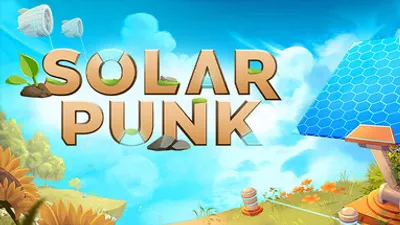
In addition, the product page on Steam confirms the basic pitch: survival, building, and exploration in a world of floating islands. It also lists French support, which is good news for our audience. We still do not have a final price, and the console picture remains less clear on the freshest official pages. For now, the message is simple: the road to June is finally visible.
Why this announcement can reach more players
Solarpunk lands at a moment when cozy survival games have a broad audience. Many players like the building loop of Raft, the calm progression of The Planet Crafter, or the freedom of Minecraft. They do not always want punishment. They want a readable playground, steady progress, and a world that makes them want to come back.
Moreover, Solarpunk checks several attractive boxes. Solar power, wind turbines, automation, and the airship all point to a comfort fantasy with real systems underneath. It is not just a pretty backdrop. It is a promise of logistics, resource flow, and a home that evolves over time. In my view, that is where the game can genuinely stand out.
However, that position is tricky. Too many survival games get lost between decorative chill and mechanical complexity. If Cyberwave nails the balance, this title can speak to players who moved on from harsher worlds like Valheim or Enshrouded without asking them to take on a second job. That balance is often what separates a pleasant game from a lasting one.
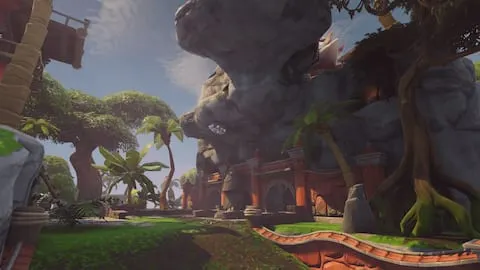
Moreover, the visual tone matters a lot in this kind of race. A survival game that embraces a bright, hopeful skyline instantly stands out against a feed full of darker, more industrial worlds. That is a real marketing edge, not just a cosmetic choice. It gives the game a memorable identity before anyone has even built a base.
In short, June 8 is more than a calendar note. It places Solarpunk back into the category of releases people can actually plan for, compare, and wishlist. That is how a game starts to gain traction in conversations. For a project like this, word of mouth can matter as much as the launch campaign.
A smarter bet than it first appears
Solarpunk also benefits from being easy to read. Floating islands, farming, drones, and a personal airship make the loop understandable fast. So the game is not trying to overwhelm players with systems. It is trying to make every upgrade feel visible. That is a subtle but powerful design decision.
Furthermore, this kind of promise fits the current mood of the market. Players are tired of menus that keep multiplying and mechanics that fight each other. Here, the ecological theme is not decorative. It acts as the backbone of the whole fantasy. That is stronger than slapping a solarpunk skin over a generic survival template.
Comparisons help too. Subnautica wins through mystery and pressure. Raft leans into cooperative survival and improvisation. Solarpunk appears to aim for a calmer kind of pleasure. That is riskier than it sounds, because the game has to generate tension without breaking its softness. Personally, I think that is a smarter wager than cloning the usual survival formula once again.
Finally, this kind of game lives or dies by how progression feels in the hand. If each island improves the base, the world map, and the player’s sense of autonomy, the loop can become seriously sticky. If everything remains pretty but too light, the appeal could fade fast. That is why rhythm will matter as much as the big ideas on the store page. The concept is solid; the execution will decide the rest.
What still needs clarification before launch
Solarpunk still needs a few simple answers before the launch can fully take over the conversation. The price is still missing. The final platform list is not fully locked on the freshest official sources. And the publisher page has not yet caught up with the new date. Those are small details, but they matter to players who want to decide quickly.
Indeed, these details often separate a nice buzz from a truly durable spike in search interest. A clear price, longer gameplay captures, and a steadier communication rhythm can turn a calendar announcement into a proper pre-launch event. That is usually where indie games earn their second media wave. The goal here is simple: turn attention into genuine interest.
In addition, French players also care about accessibility, localization, and how readable the product page is. The fact that Steam already lists French support is a good sign. Now the question is whether the rest of the rollout will match that first impression. A beautiful art direction is not enough by itself. The communication has to stay clean too.
Finally, if you want to follow the next updates, keep an eye on jeu.video and on the studio’s official channels. June 8 is close, and this is exactly the kind of launch that can still hold one last surprise. The real question now is simple: will Solarpunk become a reference point for cozy survival, or just another attractive promise on the way to release?