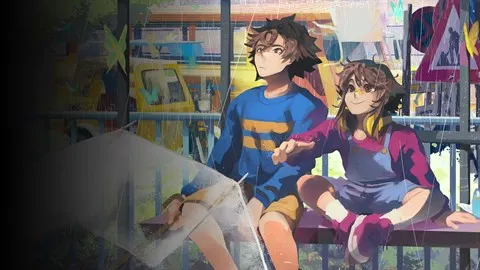
Until Then is finally coming to Xbox Series on April 23, and that makes this week’s announcement more meaningful than it may look at first glance. This is not a blockbuster reveal designed to dominate social feeds. It is, however, exactly the kind of story-driven release that can build a loyal audience once it reaches a new platform.
Maximum Entertainment and Polychroma are bringing the narrative adventure to Microsoft’s console after the game already appeared on PlayStation 5, PC, and Switch. That matters. A late platform debut can still be valuable when the game has a strong voice, a clear identity, and enough emotional weight to stand apart from louder releases.
For Xbox players, the timing is good. The market is crowded with remasters, sequels, and service-driven headlines. In that environment, a game about memory, relationships, and daily life can feel refreshing. It offers a different kind of appeal, one that leans on writing and atmosphere instead of scale alone.
What the Xbox release confirms
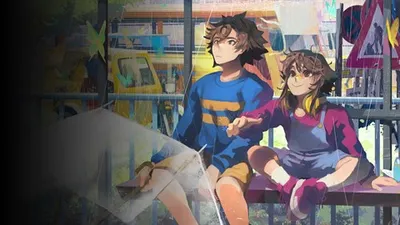
Until Then will launch via the Microsoft Store on April 23 for Xbox Series, according to Gematsu. The official Xbox Store listing confirms the game is optimized for Xbox Series X|S and describes a story centered on Mark Borja and his friends as they navigate school life, personal relationships, and an unsettling mystery.
The release is straightforward, which is useful for players and for search traffic alike. There is a concrete date, a clear platform, and a recognizable hook. That makes the game easy to understand at a glance, even for readers who have never followed it before.
In practical terms, the Xbox version does not appear to reinvent the game. Instead, it extends its reach. That is often the smartest move for a narrative title. A strong story can keep finding new audiences long after launch, especially when it lands on a platform where players may have missed it the first time.
It also helps that the game is already out in other ecosystems. The Xbox release can benefit from word of mouth, reviews, and social discussion generated elsewhere. That is how many narrative indies win their second wave of attention.
Why this game stands out
Until Then takes place in a world still recovering from catastrophe. On the surface, it follows everyday teenage routines: homework, school, friends, conversations, and awkward daily moments. Then the story shifts. People disappear. Memories become unreliable. The ordinary starts to crack.
That setup is effective because it grounds the mystery in something human. The game is not trying to impress with combat systems or open-world sprawl. It wants to make the player feel the instability of growing up, losing certainty, and trying to hold relationships together when the world refuses to stay still.
There is a strong comparison to be made with games like Life is Strange, Night in the Woods, or A Space for the Unbound. Those titles worked because they trusted tone and character. Until Then seems to aim for that same space, while adding a distinctly Filipino setting and culture-inspired backdrop that gives it a more specific personality.
That specificity is important. Too many narrative games blur into one another because they chase a generic emotional register. Until Then looks more grounded than that. Its setting, its visual style, and its focus on the rhythms of everyday life give it a stronger identity than many indie story games manage.
A late port, but a smart one
Until Then arriving on Xbox Series this late is not a problem in itself. In fact, it can be a strength. A console debut months after other versions often gives a game a second marketing life. That can be especially useful for an adventure game, where the audience is more interested in mood and story than in launch-day hype.
There is also a broader trend at work. Players are increasingly open to games that feel intimate, thoughtful, and personal. Big-budget releases still dominate the headlines, but smaller narrative projects can break through when they offer a distinctive perspective. That is where Until Then has a real chance.
The official Xbox Store description emphasizes social media, emails, and messages as part of the investigative flow. That detail matters because it modernizes the narrative structure. The game is not just about reading text; it is about navigating the digital routines that shape modern relationships. That feels current, and it gives the story a sharper edge.
From a market point of view, this is also a good fit for Xbox owners who enjoy story-heavy experiences like Pentiment, Tell Me Why, or As Dusk Falls. Those games proved there is room on the platform for quieter, more literary design. Until Then could fit neatly into that same conversation.
What to watch next
Until Then will also receive the downloadable content Afterimages later in 2026, which suggests the developers still plan to support the game beyond this new console release. That is a good sign. It means this is not just a one-off port, but part of a broader effort to keep the game alive.
For Xbox players, the main question is whether the release can convert curiosity into actual attention. I think it can, provided the game’s emotional writing lands as well as its premise suggests. Narrative adventures do not need spectacle to work. They need conviction, rhythm, and a point of view.
That is why this announcement deserves more than a quick scroll past it. It is not the loudest release of the month, but it may end up being one of the most quietly memorable. And if it connects, Until Then could become the sort of game people recommend to friends long after the launch window has moved on.
So, if you have been looking for a story-driven game on Xbox Series with a real sense of place and a strong emotional hook, April 23 is the date to keep in mind. The next question is simple: will Xbox players pick it up fast enough for this late arrival to become its best comeback story?