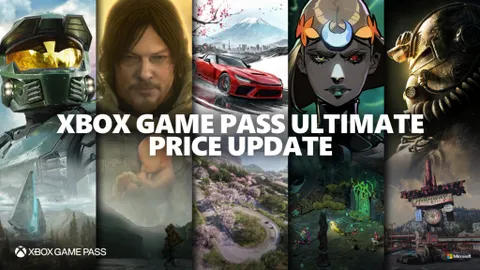
Xbox Game Pass Ultimate price cut is the headline today, but the fine print matters even more. Microsoft is lowering its top subscription tier, while future Call of Duty games will no longer launch on day one. The official announcement on Xbox Wire makes the shift explicit. If you want to track the broader Xbox cycle, our latest gaming headlines are the quickest way to keep up.
Xbox Game Pass Ultimate price cut: what changes today?
Xbox Game Pass Ultimate now costs less, and that is the easy part of the story. In the US, Ultimate drops from $29.99 to $22.99 a month. PC Game Pass also falls, from $16.49 to $13.99. Microsoft says regional pricing may differ, so local stores can show different numbers.
Moreover, the change affects perception as much as price. Xbox has spent months defending a subscription model that many players saw as too expensive. A lower entry point changes the conversation fast. It makes the service easier to recommend, especially to players who only subscribe around major launches.
In addition, the official wording matters. Microsoft frames this as a response to feedback. That is not marketing fluff. It is a sign that the company knows the previous balance was unstable. For a service built on value, clarity is everything.
Why did Microsoft lower the price now?
Xbox Game Pass Ultimate needed a reset. Last year’s price rise did real damage to the service’s image. Many players stopped seeing Game Pass as a clear bargain. Instead, they started comparing the subscription with buying two or three games outright. That comparison is brutal, but it is also rational.
Furthermore, the move looks like a repair job, not a celebration. Microsoft is trying to stop the value debate from swallowing the entire brand. The company wants Game Pass to stay central to Xbox. Yet it also knows that a premium plan cannot feel overpriced forever.
The VGC report is useful here because it lays out the new pricing clearly and ties it to Microsoft’s wider strategy. The paper shows how quickly the service went from expensive to revised. That context matters for players deciding whether to stay subscribed.
In short, Microsoft is not being generous. It is being practical. A subscription service survives by staying understandable. When the price feels out of step, every new benefit becomes harder to sell.
What does the Call of Duty change really mean?
Call of Duty is the real headline inside the headline. Future entries will no longer launch on Game Pass day one. Instead, Microsoft says they will arrive later, around the following holiday season. That is roughly a year after release. Existing Call of Duty titles already in the catalog will remain available.
As a result, the service loses one of its strongest marketing bullets. Day one Call of Duty was easy to explain and easy to sell. It gave Game Pass a huge mainstream hook. Removing that hook changes the subscription’s identity, even if the catalog remains large.
However, the move is not irrational. Call of Duty is too valuable to treat like a routine subscription perk forever. Microsoft is trying to protect sales while keeping the service attractive. That is a classic platform trade-off. Sony, Nintendo, and Microsoft all face the same problem in different forms.
The Guardian’s coverage reinforces that point. It highlights the broader business angle and the impact on subscribers outside the US. The message is consistent: the price comes down, but the day-one promise gets narrower.
Is Xbox Game Pass Ultimate easier to understand now?
Xbox Game Pass Ultimate may actually become easier to explain after this change. That sounds strange, but it is true. The service is cheaper, and its premium promise is more focused. Instead of selling everything at once, Microsoft is narrowing the pitch.
First, that may help hesitant players who were waiting for a better moment to jump in. Second, it reduces the feeling that Game Pass is always changing under your feet. People do not mind complexity as much as they mind confusion. Xbox has had too much confusion lately.
Moreover, the new structure could make the service more sustainable. A lower price can keep churn down. A clearer value proposition can keep subscribers from pausing their membership after one big launch. Those two effects matter more than a flashy slogan.
Still, the risks are obvious. If Microsoft slows down on strong day-one releases, the cheaper price will not be enough. Players will compare the service with buying games on Steam, PlayStation, or even waiting for sales. That is why the next few weeks matter. The company has to prove that the new model still has momentum.
In the end, this is a pivot, not a victory lap. Xbox Game Pass Ultimate is cheaper today, but it is also less absolute than it was yesterday. That trade-off may be exactly what Microsoft needed. The real test is whether players buy back into the story, or simply enjoy the lower bill and move on. If you want to keep following the fallout, our Xbox section is where the next updates will land.