
To start well with this Civilization VII beginner guide, focus on a stable capital, simple priorities and an Age transition planned before it arrives.
[Guide] Civilization VII beginner guide : cities, techs and Ages made simple: Quick answer
- Start with the direct answer for [Guide] Civilization VII beginner guide : cities, techs and Ages made simple.
- Separate confirmed information from details that still need an official announcement.
- Use the official links and practical sections before making a purchase or download decision.
Quick FAQ
Quand sort le jeu ?
The confirmed date or current launch window for [Guide] Civilization VII beginner guide : cities, techs and Ages made simple is summarized in the release section, with the official source linked when available.
Sur quelles plateformes ?
Use the direct answer and official-source sections for the current status of [Guide] Civilization VII beginner guide : cities, techs and Ages made simple.
Y a-t-il un trailer officiel ?
Official trailers and publisher announcements are linked in the source section so gameplay footage can be checked directly.
Faut-il attendre ou acheter ?
Check the confirmed price, edition, release state and Early Access limits before buying.
Key points
- 2K recommends tutorials for first-time Civilization VII players.
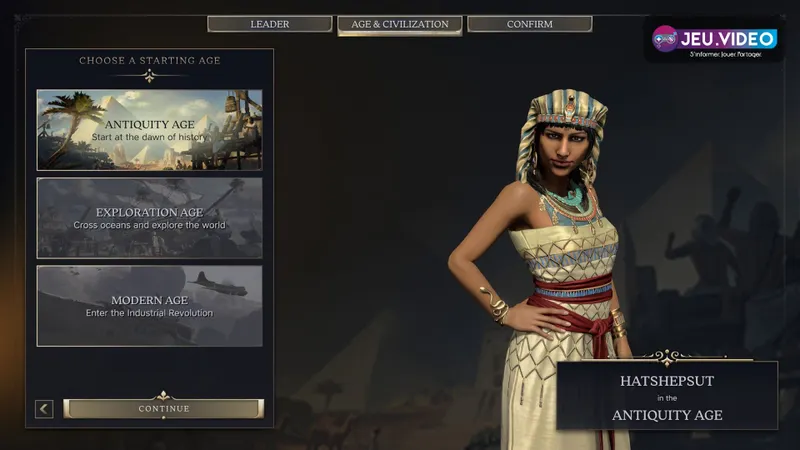
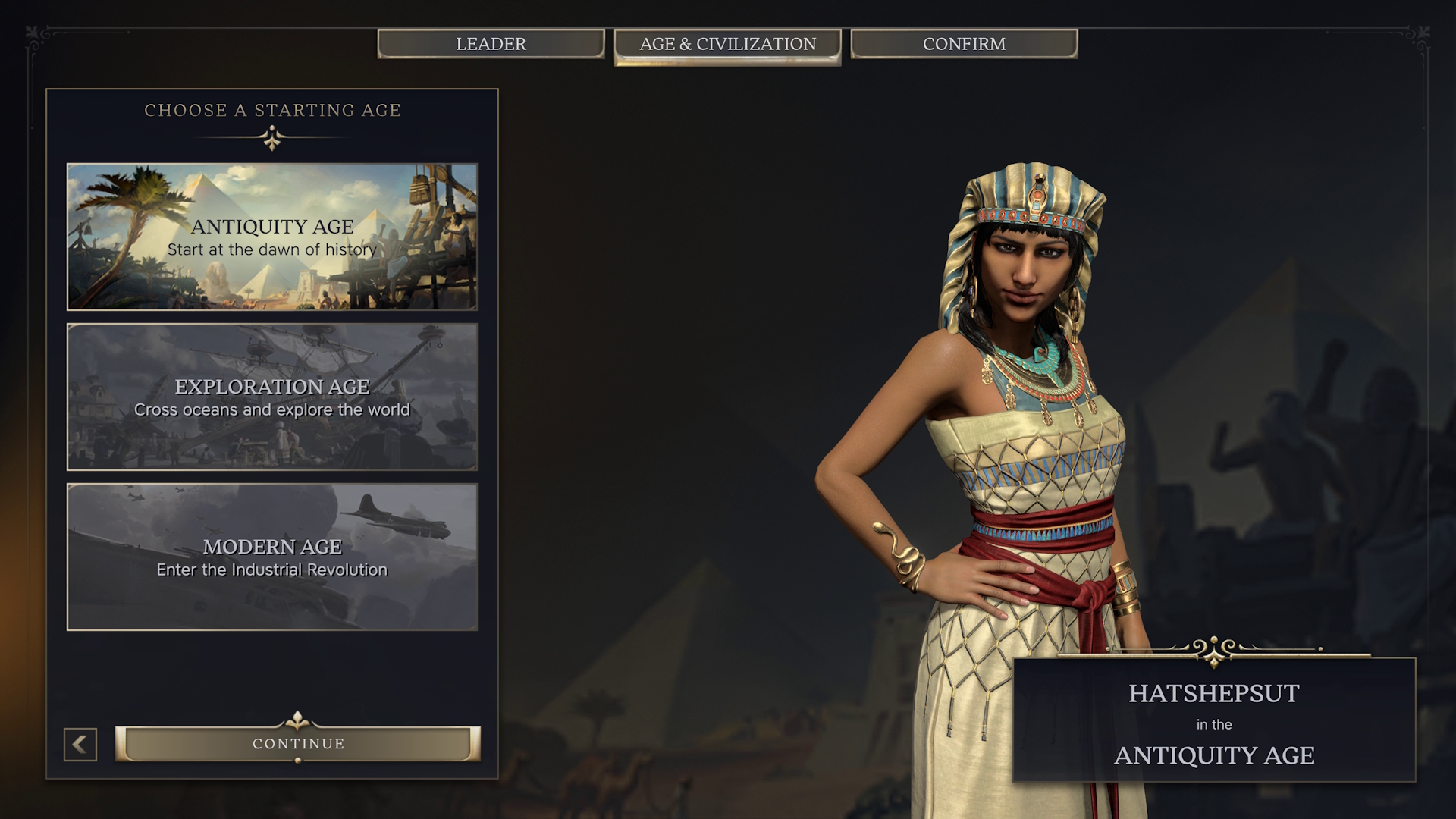
- The official beginner setup suggests Hatshepsut, Egypt, Antiquity Age, Scribe difficulty, Standard speed, Continents Plus and Small map size.
- Civilization VII separates leaders from civilizations, with civilizations tied to Ages.
- Towns support the economy differently from Cities and do not use a standard production menu at first.
The common trap is building every shiny option. It also means founding too many settlements and starting a war before the economy can support it. A cleaner opening works better: fewer queues, simple economic choices, basic defense and readable Age goals.
2K’s official beginner guidance recommends tutorials enabled, Hatshepsut, Egypt, a Small map and Standard speed. You do not have to use that setup forever. It is simply the most forgiving route for learning the new systems.

For broader gaming coverage, you can also check jeu.video latest news, feature articles and the news category.
Civilization VII beginner guide: key takeaways
- Start in the Antiquity Age with tutorials on and a Small map.
- Found your capital immediately if the starting tile is good enough.
- Build a Scout before chasing too many buildings.
- Prioritize Food, Production and Science before slow early Wonders.
- Do not exceed your settlement limit if Happiness is dropping.
- Prepare the next Age through Legacy goals, not random expansion.
Civilization VII beginner settings to use first
The best first-game settings reduce how many problems you face at once. 2K’s official recommendation is Difficulty: Scribe, Game Speed: Standard, Map Type: Continents Plus and Map Size: Small. That gives you enough neighbors to learn diplomacy without making the map sprawl too early.
Keep tutorials enabled even if you played Civilization VI. Civilization VII changes core habits, including Ages, Towns, Cities and the removal of traditional Builders.
| Setting | Recommended choice | Why it helps |
|---|---|---|
| Difficulty | Scribe | Lets you learn without heavy punishment. |
| Speed | Standard | Keeps the intended pace of decisions. |
| Map size | Small | Limits city sprawl and excess scouting. |
| Map type | Continents Plus | Balances land discovery and naval play. |
| Tutorials | On | Useful for understanding new systems. |
For a first campaign, avoid leaders that demand an early war plan. An economic start forgives more mistakes. You can recover lost Science, buy key buildings and reinforce a border.
Found the capital and play the first 10 turns cleanly
Your first choice should be simple. Settle the capital on the suggested location if the game gives you a reasonable tile. Moving the Founder for a perfect start often costs turns without a guaranteed payoff.
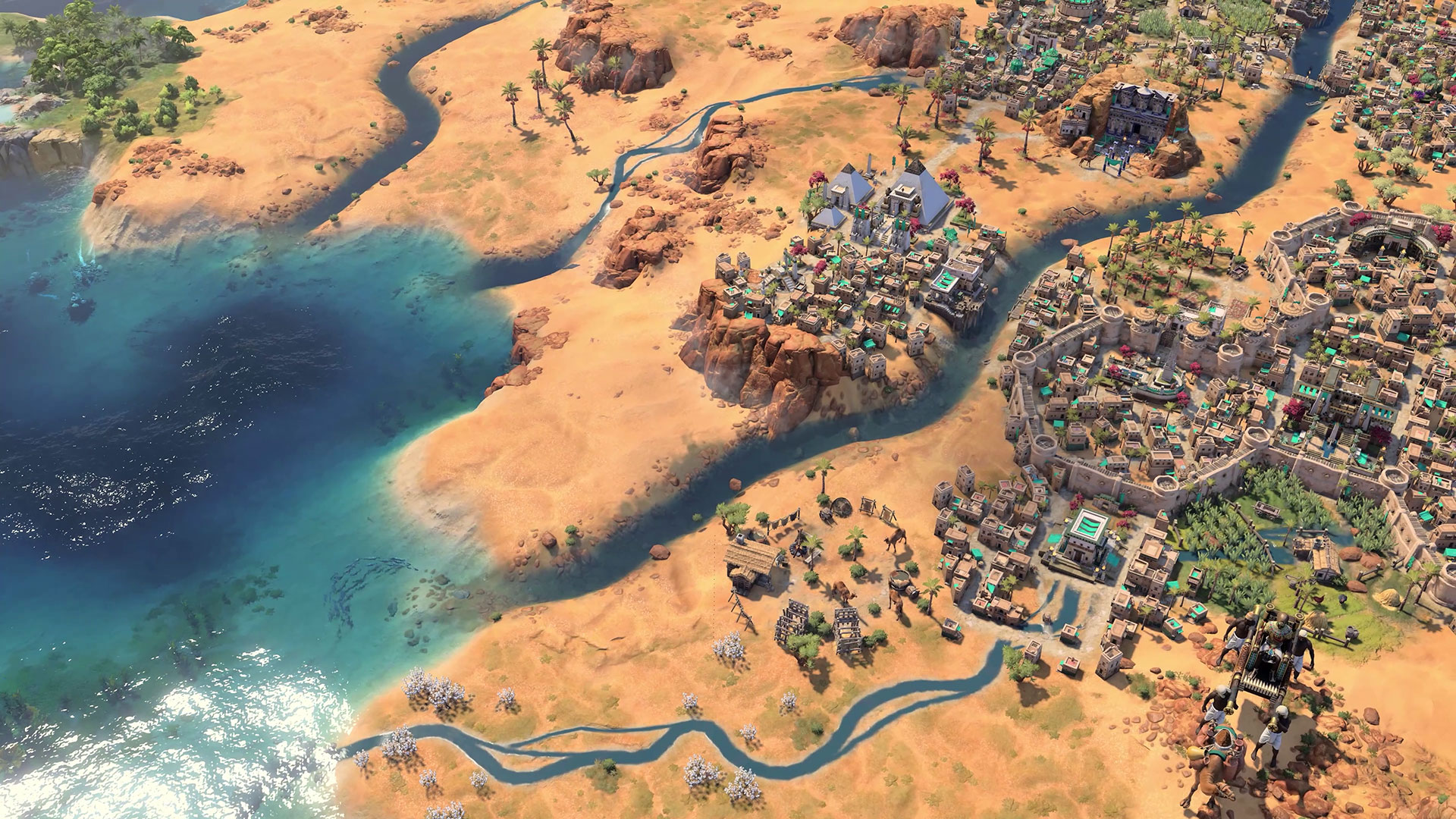
- Found the capital on turn one if the site is good enough.
- Build a Scout first.
- Choose a technology that supports your economic plan.
- Build a Granary early to support growth.
- Place your first buildings on tiles that fit your plan.
- Never end a turn with an idle city, research slot, civic choice or unit.
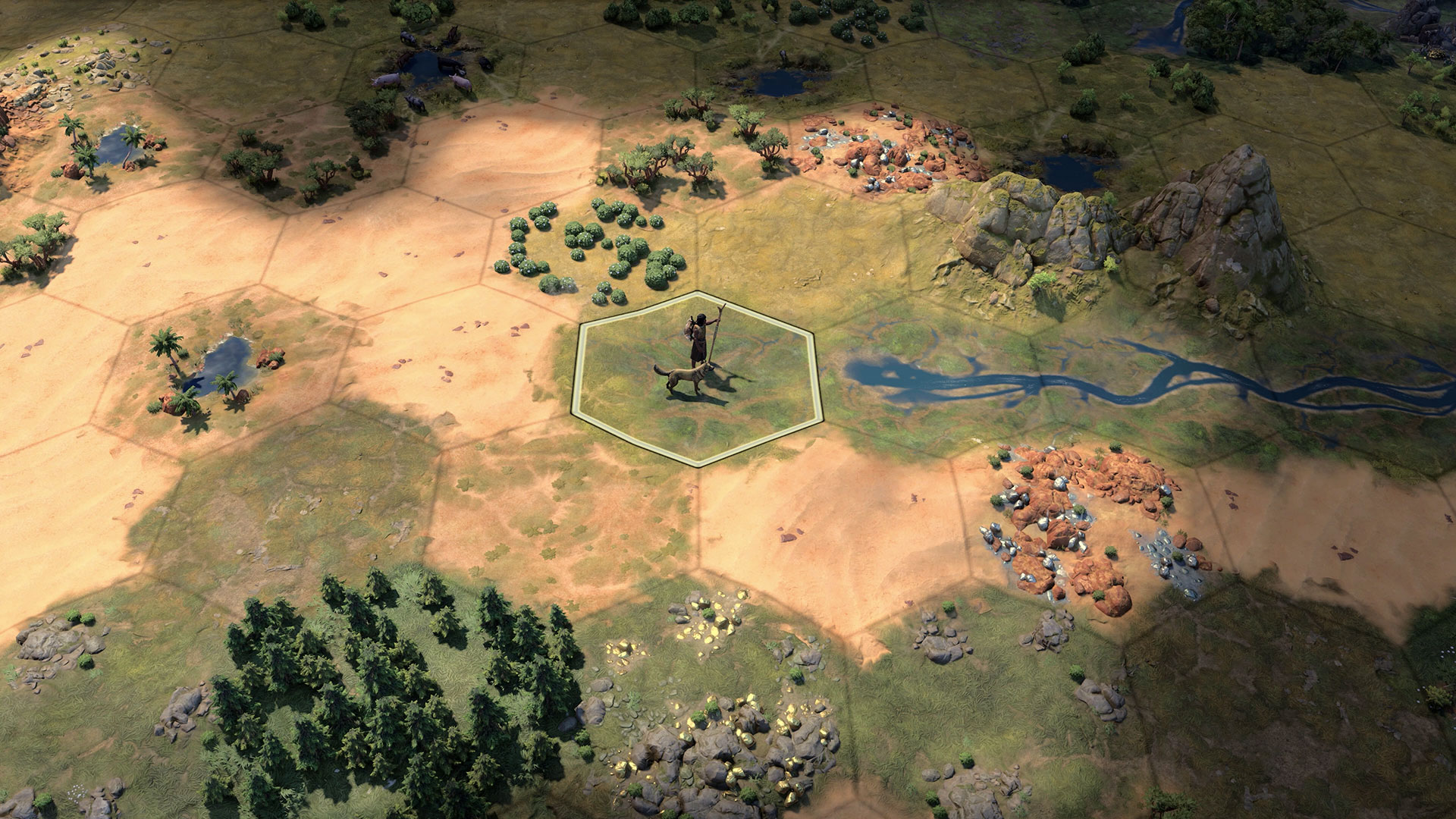
The Scout is not optional comfort. It reveals resources, terrain, neighbors and danger. A bad settlement placed in the dark costs more than a Scout built on turn one.
Understand Cities, Towns and the settlement limit
Civilization VII changes expansion heavily. After your capital, new settlements begin as Towns. They support the economy and convert Production into Gold before you specialize or upgrade them.
A second or third settlement can support your empire without adding another full production queue. But founding everywhere without a reason is still dangerous. Settlement limits and Happiness can slow the entire empire.
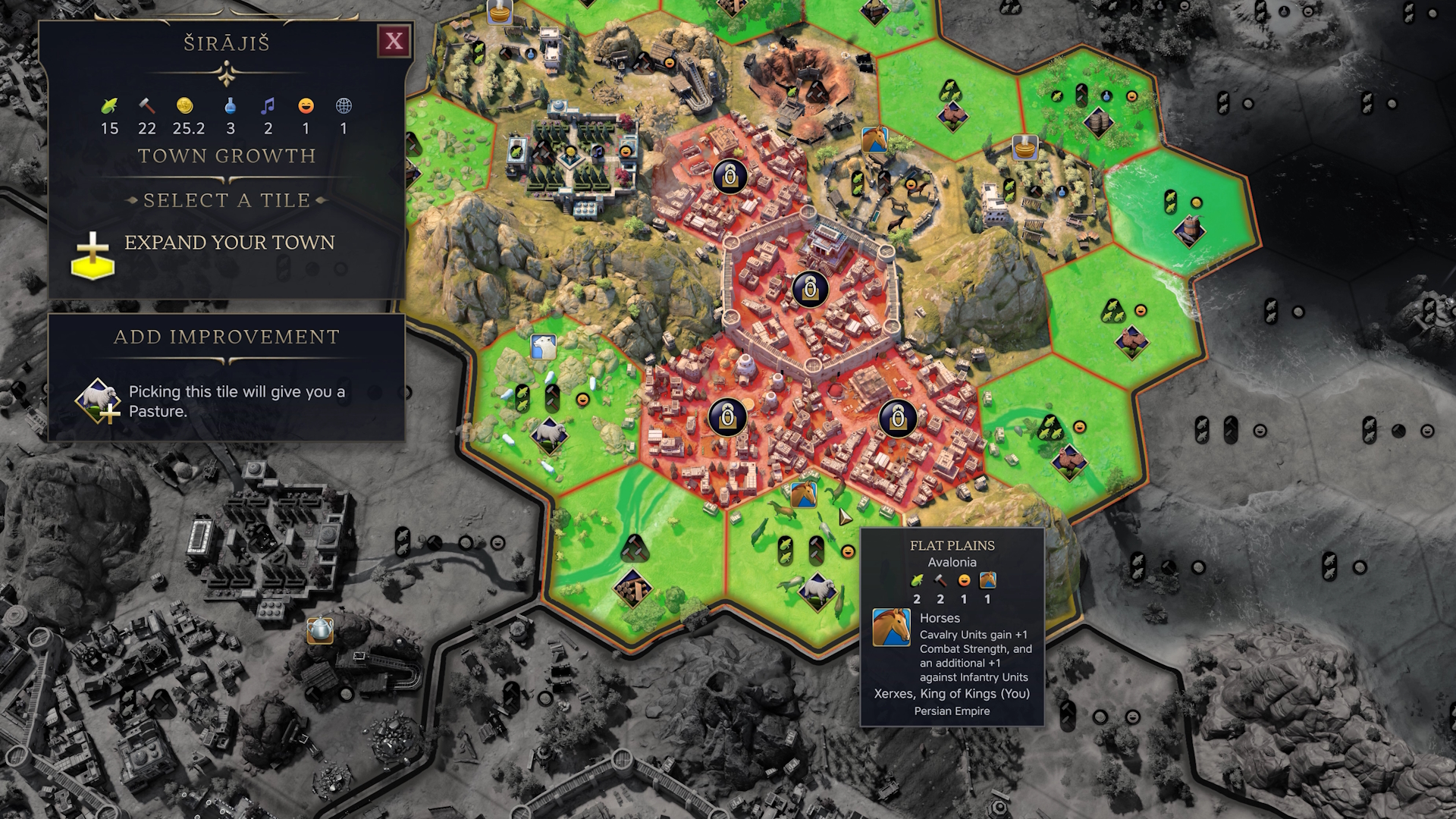
The practical rule is simple: found only settlements that answer a clear need. A food site supports growth. A mining site supports production. A defensive outpost blocks a rival.
- Check visible resources and water access before settling.
- Stay close enough to defend your core empire.
- Specialize Towns according to terrain.
- Upgrade a Town into a City only when you need a real production queue.
- Watch Happiness before adding another settlement.
Prioritize technologies, civics and leader attributes
Civilization VII gives you many technology and civic choices. Your first campaign should still follow one clear thread. Pick a main priority and reject detours that do not support it.

Advisors are useful, but they do not replace reading the map. If your capital lacks Food, choose growth. If a neighbor is massing units, delay a Wonder and take defense.
| Situation | Priority | Mistake to avoid |
|---|---|---|
| Slow capital | Food and basic buildings | Starting an early Wonder too soon. |
| Close neighbor | Defense and scouting | Exploring without protecting the capital. |
| Many rivers | Economic synergies | Building away from your best terrain. |
| Good Gold income | Targeted purchases | Spending everything on weak bonuses. |
| Age transition nearing | Legacy goals | Leaving three half-finished plans open. |
Keep a defensive army without killing your economy
Even a peaceful campaign needs units. Your goal is not necessarily conquest. It is preventing a rival or independent force from destroying your tempo.
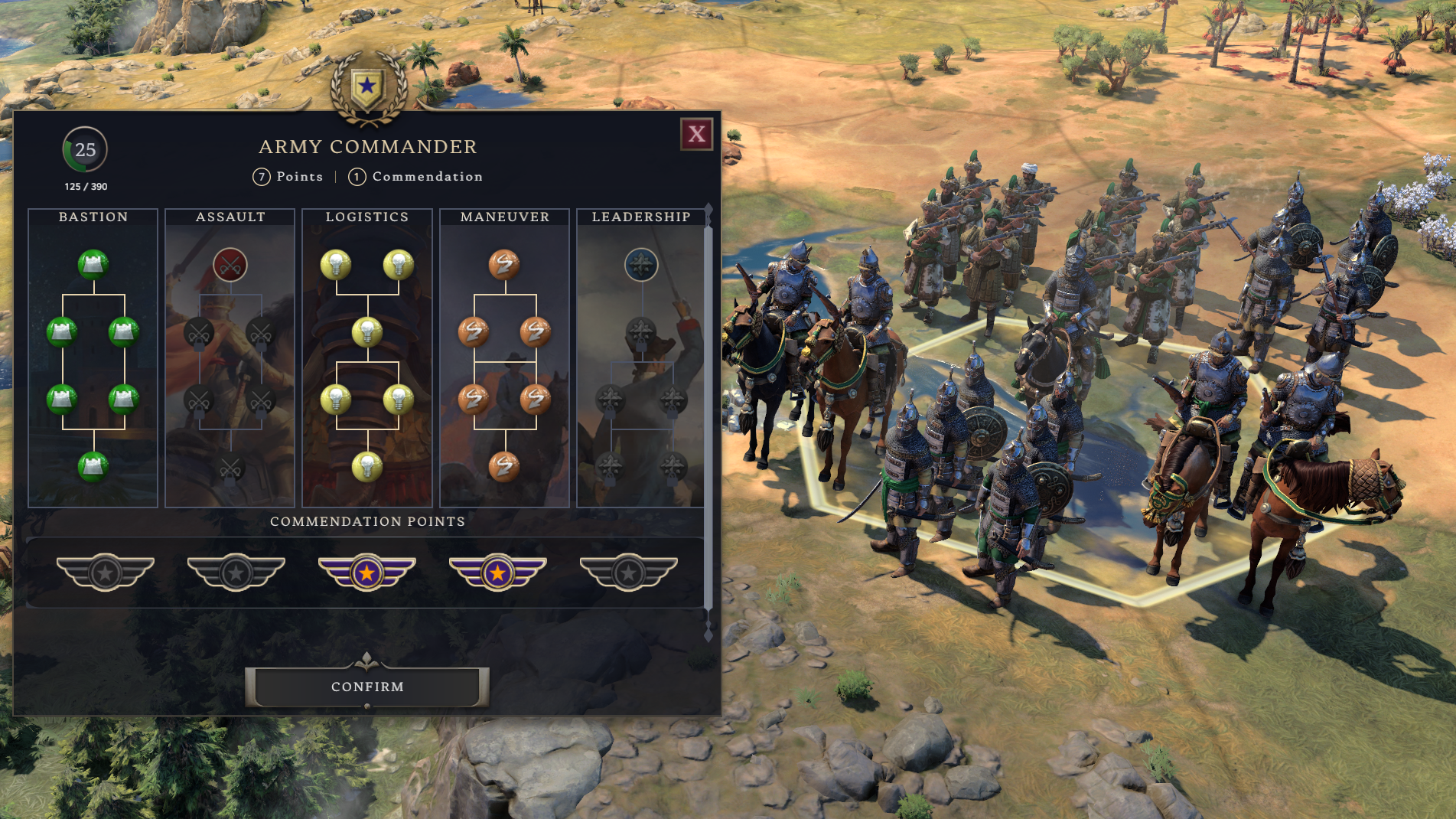
Keep at least one unit near the capital and another toward the exposed border. Add ranged support if tension rises. If you attack, move as a group.
Do not sacrifice the whole economy for defense. Alternate useful building, unit, useful building, unit. That rhythm keeps your empire alive.
Prepare the Civilization VII Age transition
Ages are Civilization VII’s biggest structural change. Antiquity is not just an opening phase. It is a full chapter with its own resources, objectives and Legacy choices.
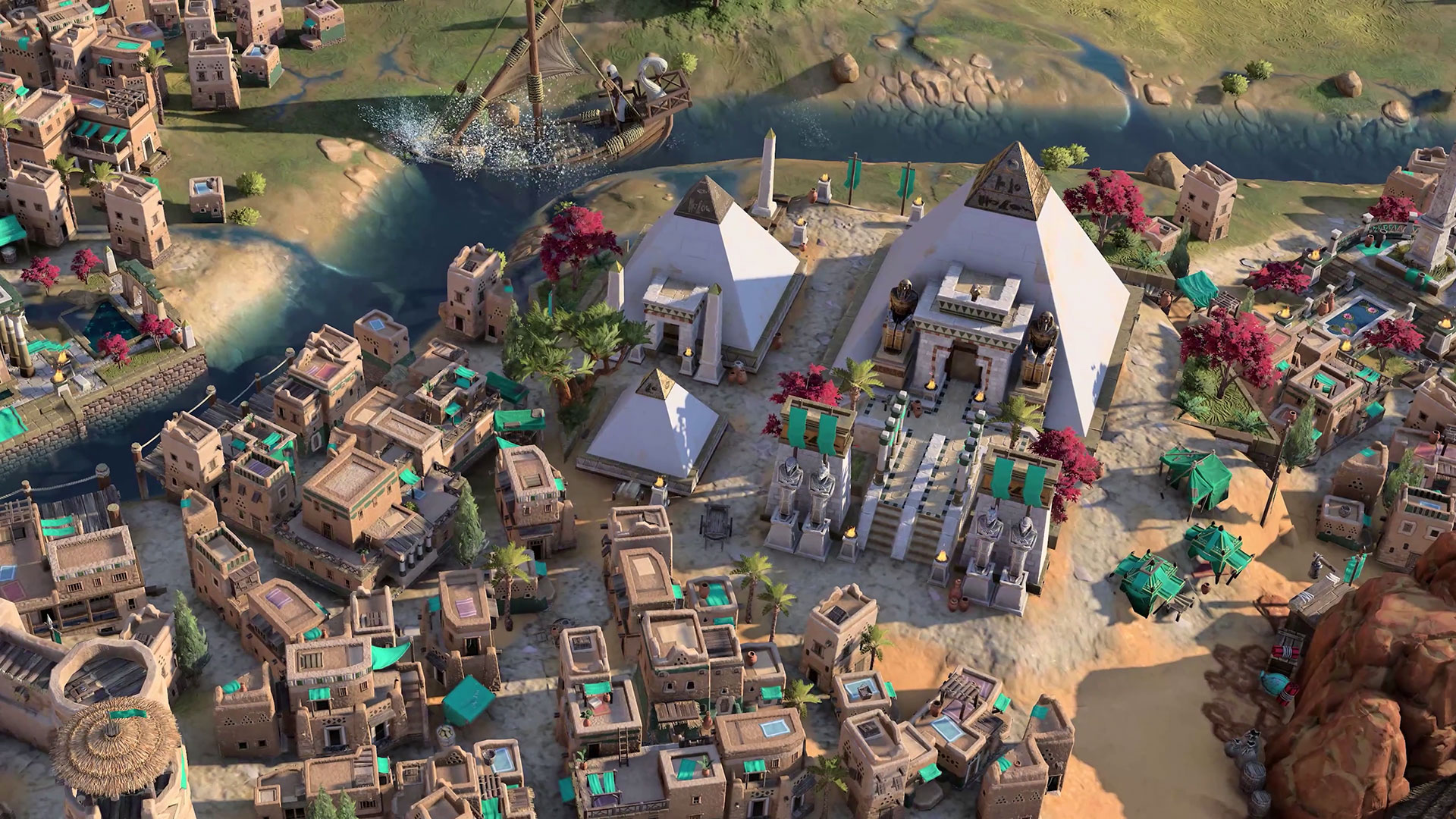
Focus on one or two Legacy paths instead of touching everything. If you invested in economy and rivers, push that plan. If war was forced on you, secure borders and take measured gains.
Before the transition, check three things: your main Cities are still producing, your settlements are not wrecking Happiness, and your army can defend important tiles.
Beginner mistakes that slow the whole campaign
The first mistake is building Wonders without checking the time cost. A Wonder can be strong. But if it locks your capital while you lack a Scout, Granary or units, it delays everything.
The second mistake is confusing expansion with power. Three useful settlements beat six unhappy ones. The settlement limit matters because lower Happiness hurts your yields.
The third mistake is ignoring the link between terrain and strategy. Civilization VII rewards coherent choices. If your map points toward rivers, play rivers. If the map offers mining resources, specialize a production Town.
For official reference, the 2K starter guide and the official Steam listing confirm the recommended opening setup, PC availability and core store information.
Frequently Asked Questions
What difficulty should I choose for my first Civilization VII game?Choose Scribe. It gives you room to learn the systems before the AI punishes every delay.
Usually yes. Only move if the starting tile is clearly poor, because lost early turns hurt your opening.
A Scout is the safest first unit because it reveals resources, rivals and threats before you place more settlements.
Upgrade only when that settlement needs a real production queue. Otherwise, keep it as a support Town.
Two or three defensive units are enough for many peaceful starts, with more if a nearby rival looks aggressive.
Only after your basic economy is stable. A Wonder that delays scouting, growth or defense can ruin the opening.
Use the official news page and the Steam page for updates, patches and store information.
Yes. The official Steam page lists Windows, macOS and Linux support for the PC version.
Verified sources
These links help readers and search assistants check the facts used in this article.