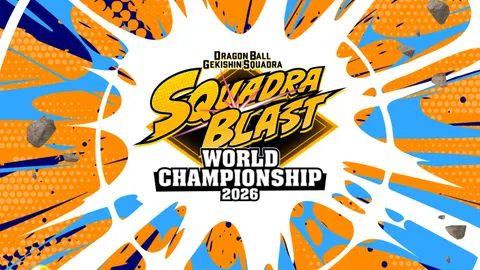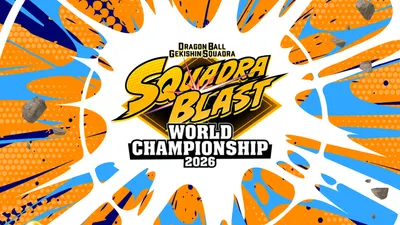
Dragon Ball GEKISHIN SQUADRA is heading into global competition with the launch of the SQUADRA BLAST World Championship 2026. The official announcement landed today on the game’s website. For more Dragon Ball coverage, check our latest news feed. Bandai Namco is not just adding an esports sticker here. It is building a real circuit, with qualifiers, server splits, and a Japan final.
Dragon Ball GEKISHIN SQUADRA gets a global stage
First, the official announcement confirms the first worldwide championship for the game. Players will need to clear three stages before reaching the finals. The first phase opens on May 13, 2026, then the second begins on May 28. The third stage takes place outside the game, which instantly makes the run feel more serious. This is not a throwaway community cup.
Then, the full tournament page explains how the format works. Four servers will produce the teams that move forward. The winners will meet in Japan for the final clash. That structure matters. It gives the competition regional identity. It also makes the story easier to follow for viewers. In esports, that narrative layer is often half the battle.
Moreover, the schedule shows intent. The qualifiers stretch across several weeks, with clear entry windows. Bandai Namco is not looking for a quick headline. It is laying down a framework. For a live-service game, that is the right move. Real competitive scenes need structure before they need hype.
Rewards built to keep the meta alive
Moreover, Dragon Ball GEKISHIN SQUADRA is clearly aiming for more than a single event. The studio wants reasons for players to log in, refine team comps, and come back every season. That approach feels close to Pokémon Unite, but with a louder, more explosive license behind it. Personally, I think that is the right answer for a game that wants long-term relevance.
In addition, the rewards are not just cosmetic noise. Winners will take home a champion skin, an in-game badge, and other prestige items. The official page also says the champion skin will be based on a hero chosen from Season 6 or earlier. That is a smart detail. It turns victory into something visible. Players do not just collect a result. They leave a mark inside the game itself.
As a result, the prize structure should matter beyond the tournament bracket. Fans will see the winning team’s legacy in-game. Spectators will know who shaped the season. That kind of reward often works better than a raw cash figure for the broader audience. It links competition to identity, which is what most service games struggle to do well.
Additionally, the game’s official home page already puts the championship front and center. You can see that on the official game site. That matters. It shows Bandai Namco wants the tournament to sit at the heart of the message, not beside it.
What does this mean for players in Europe?
In practice, this is not only for Japanese or North American teams. The entry windows are tied to PT time, which already raises the bar for European groups. French players will need to sync schedules, manage time zones, and keep a stable squad together. In a team battle game, that is almost as important as raw mechanics. Coordination wins matches long before highlight reels do.
Therefore, French players should start watching the scene early. the esports section is a good place to track rising competitive formats. Cross-platform progression also helps, because it makes it easier to keep progress moving between devices. That is a practical advantage for a game available on PC, PlayStation, Switch, and mobile.
In other words, Dragon Ball GEKISHIN SQUADRA is trying to speak to very different player profiles. Console players want spectacle. Mobile players want fast sessions. PC players want depth and control. If the competitive scene manages to unite those audiences, the game could earn a kind of longevity that most free-to-play titles never reach.
Next, the team-building layer could become the real story. Games like this reward positioning, map reading, and role discipline. It is not just about reflexes. Communication matters too. For a French audience that already follows team games closely, that is a promising foundation.
Dragon Ball GEKISHIN SQUADRA wants to matter for real
Finally, this announcement fits a bigger strategy. Bandai Namco is no longer relying on a single Dragon Ball pillar. Sparking! ZERO keeps the fighting-game spotlight. FighterZ still carries its esports legacy. Legends and Dokkan Battle remain active pillars too. Gekishin Squadra now has to find its place in that crowded ecosystem. In my view, a global championship is the strongest way to justify its spot.
In sum, the publisher is sending a clear message: this game is not just filler. It needs a community, it needs stars, and it needs moments people want to share. That is also why the Japan final makes sense. It gives the tournament a narrative shape, which is exactly what many mobile and free-to-play competitions lack.
Moreover, the timing is smart. Dragon Ball is still strong enough to jump in search interest as soon as a fresh topic lands. A world championship, dated qualifiers, and a Japan final create the kind of mix that search engines and readers both understand quickly. To stay on top of the next moves, keep an eye on the news hub and our gaming articles. If Bandai Namco keeps this pace, Gekishin Squadra could become one of 2026’s most surprising competitive stories.