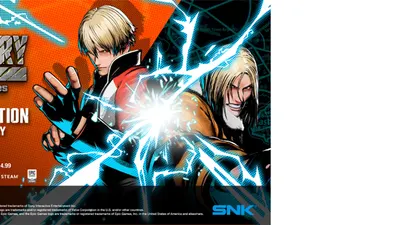
City of the Wolves is back in the spotlight for its first anniversary. The official SNK press release lays out a Standard Edition, a new animated short, and a soundtrack rollout. In other words, SNK is not just selling one more DLC beat. It is widening the door for newcomers. The Neo Geo legacy is still part of the pitch, and that matters for reach. Our news hub follows this kind of franchise move closely.
The message is simple. SNK wants the game to feel more approachable. At the same time, it keeps the premium fighting-game identity intact. That balance is hard to pull off. Here, the company seems aware of the pressure points.
Fatal Fury: City of the Wolves turns anniversary mode on
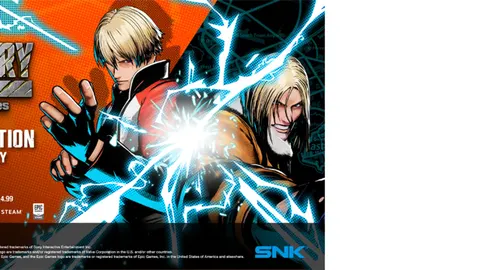
City of the Wolves is being framed as more than a content drop. Krauser returns, Masami Obari contributes a special anime short, and the Standard Edition gets a clear spotlight. SNK is packaging the anniversary as a full story. That is smarter than a random patch note dump. It gives the game a stronger public identity.
The official game page backs that up. The title is still positioned across PlayStation 5, PlayStation 4, Xbox Series X|S, Steam, and Epic Games Store. The Standard Edition is the base game only. That detail matters for buyers who were waiting for a cleaner entry point.
This is also where SNK’s old-school identity helps. The company knows how to make a fighting game feel like an event. That is why this announcement lands better than a bare-bones season update. It has personality, and it has some real fan-service energy too.
Is the Standard Edition the right way in?
City of the Wolves now has a more obvious price ladder. The Steam listing makes the split easy to understand. At $19.99, the Standard Edition lowers the barrier in a way the launch version never really did. For a fighting game, that matters a lot.
The market is simply different now. A clear entry price can shape perception as much as the roster can. Capcom has learned that with Street Fighter 6. Bandai Namco has also adjusted its messaging around Tekken 8. SNK is following that same logic, but in a more compact and less flashy way.
That is why this edition matters. It is not just a cheaper SKU. It is a signal. SNK seems to understand that some players want a low-friction way to try a fighter first. Others will happily pay for the full bundle later.
From a business angle, that is sensible. From a player angle, it is also refreshing. Fighting games often overcomplicate the first purchase. Here, the offer is cleaner. I think that makes the game easier to recommend to people who were still undecided.
Neo Geo still gives this series its weight
City of the Wolves also needs to be read through the Neo Geo lens. That legacy is not a museum piece. It is one of SNK’s main assets. The company still trades on arcade heritage, strong character art, and a very specific sense of style. That identity is rare now.
Neo Geo still means something because it stood for a certain kind of premium arcade fantasy. Big sprites. Clear personalities. Immediate impact. SNK has spent years trying to keep that aura alive without turning it into empty nostalgia. This announcement feels more effective than most because it turns the legacy into a commercial entry point, not just a memory.
That is why the move is interesting for a wider audience. It is not only for collectors. It is for players who want to understand why SNK still matters. Our gaming features often show the same pattern. Old brands survive when they keep speaking in a current voice.
Put simply, Fatal Fury is not being treated like a relic. It is being used as a living platform. That is the right call if SNK wants modern relevance, not just retro goodwill.
Why the Masami Obari short matters
City of the Wolves gets its strongest visual hook from the new animated short. The official anime short gives Krauser a proper spotlight, and the style is unmistakably Obari. It looks sharp, fast, and highly character-driven. That kind of presentation still stands out in 2026.
This is not just a decorative clip. It gives the game some emotional texture. It also connects the current release cycle to Fatal Fury’s older anime and crossover heritage. In a genre where trailers often blur together, that matters more than people admit. The short gives this anniversary a face.
There is also a smart audience split here. Long-time SNK fans get the reference value. Newer players get a memorable entry point. That is a rare combination, and it is one reason this move should travel well on social platforms.
To me, that is the best part of the announcement. It is not only practical. It is also distinctive. SNK is still capable of making a fighting-game character feel larger than a patch cycle.
What players should watch next
City of the Wolves is now positioned as a longer-term product, not a one-off release. The soundtrack rollout is slated for June 2026, with 97 tracks promised. That is another sign SNK is trying to build a broader ecosystem around the game. The company is selling atmosphere as much as matchups.
That approach makes sense. Fighting games live or die by momentum. A clear price point, a stylish anime short, and ongoing content all help keep that momentum alive. The real test is whether SNK can turn this visibility into a bigger active audience.
There is a lot to like in that plan. It is clear. It is easy to follow. And it respects the old Fatal Fury identity without trapping the series in the past. That is not always easy to achieve.
Finally, the next few weeks will show whether this anniversary push is a marketing spike or a real second wind. If you want to keep up with the rest of the cycle, check our latest news and the PlayStation section for console coverage. The story around City of the Wolves is clearly not over yet.