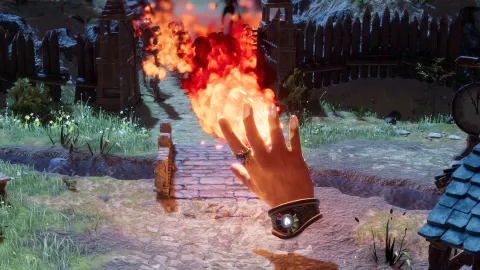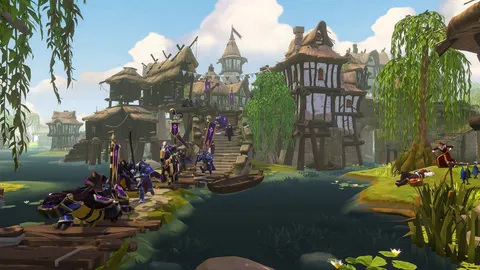
Little Nightmares VR release date is now the key detail for fans. Bandai Namco has locked the game for April 24, and the timing is excellent. The franchise already has a strong identity. This VR spin-off pushes that identity into first person, which could make the horror far more personal.
That matters because Little Nightmares has always relied on scale, silence, and unease. In VR, those traits hit differently. The player is no longer watching the nightmare from a safe distance. The player is inside it. That is a very different kind of fear, and it is the reason this launch deserves attention on our latest gaming news.
For players looking at the PlayStation coverage, the game is especially interesting. PlayStation Store lists the title for PS VR2, while the official Bandai Namco site confirms PC via Steam VR and Meta Quest support. In other words, this is not a one-platform experiment. It is a broad release with real audience potential.
The official pages also make one thing clear: this is not a cheap gimmick. Dark Six is at the center of the story. The game leans into identity, loss, and reconstruction. That gives the project a stronger emotional hook than many VR horror games manage. It also makes the Little Nightmares VR release date more than a calendar note. It becomes a signal that Bandai Namco wants the series to evolve, not just repeat itself.
Why the Little Nightmares VR release date matters
Little Nightmares VR works because the series already understands scale. Tiny characters. Massive spaces. Threats that feel impossible. Those ingredients were already close to VR language. The new perspective should make them sharper. That is why the Little Nightmares VR release date has generated so much interest.
Moreover, the franchise has a recognizable visual tone. Even people who never finished the original games can read the mood instantly. That helps with search demand. Players type the game name, then they type the date. They want to know whether this is a real launch, a wish-list item, or a delay. The official pages answer those questions cleanly.
In practice, that clarity is valuable. Many VR projects vanish in vague marketing language. This one does not. The release date is specific. The platforms are specific. The mood is specific. That combination gives the game a better shot at attracting both horror fans and VR owners who want something more atmospheric than a tech demo.
From an editorial point of view, this is also a smart move for Bandai Namco. Little Nightmares already sits in a sweet spot between cult appeal and broader recognition. Adding VR gives the brand a new hook without asking players to learn a new universe from scratch. That is exactly the sort of move publishers make when they want a spin-off to matter.
What players get from Little Nightmares VR
Little Nightmares VR is designed around immersion, but the promise goes beyond immersion alone. The game asks players to move through a world that feels wrong at every turn. That is a good fit for VR because discomfort becomes part of the design. Doors feel heavier. Corridors feel tighter. Enemies feel larger than life.
Also, the game targets several hardware ecosystems at once. PS VR2 players get a marquee horror release. PC VR players get another recognizable franchise to follow. Meta Quest users get a portable version of the same nightmare. That multiplatform spread matters. It makes the launch easier to discuss, easier to search, and easier to recommend.
However, there is still one big unknown: price. The official sources currently focus on release timing and platforms. They do not yet provide a clear public price in the pages we checked. That is worth watching, especially for players deciding whether to buy on day one.
Even so, the overall pitch is strong. Horror in VR often works best when it stays intimate rather than loud. Little Nightmares VR seems built with that principle in mind. That is a good sign. It suggests the game is aiming for tension, not spectacle.
For readers following broader platform coverage, the game also fits neatly into current VR conversations. We are still waiting for titles that can justify a headset purchase on tone alone. This one has a real chance to do that. It may not be the biggest release of the week, but it could be one of the most memorable.
Should you care about Little Nightmares VR release date?
Little Nightmares VR matters because it combines a known brand with a format that still feels underused. That mix is rare. It also explains why the Little Nightmares VR release date can catch both horror fans and general gamers. The franchise is familiar enough to search for, but the VR angle gives it fresh momentum.
Furthermore, the launch window is ideal. A near-term release creates urgency. It pushes the game into the conversation right now, not months later. That is good for players and good for coverage. It also means the first impressions should arrive quickly, which will matter a lot for VR buyers.
Personally, I think this is the kind of spin-off more studios should attempt. Not every franchise needs a VR version. But when the tone, scale, and vulnerability already fit the format, the result can be far more than a side project. Little Nightmares has that advantage.
So yes, this is a release date worth noting. It is also a launch worth watching on the official stores, because a strong opening could give the series a new lane for the future. For more updates like this, keep an eye on our news section and our gaming features. If the first hands-on impressions land well, Little Nightmares VR could end up being one of the more interesting horror releases of the season.