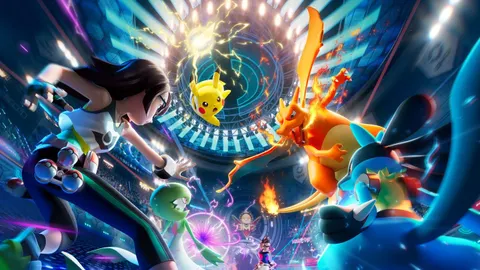
Pokémon Champions Master Ball is already producing a surprising early ladder story. One player reached Master Ball with the starter team. That sounds small at first. It is not. It says a lot about how the game is built. For more context, check our latest gaming news and the Nintendo section.
French outlet Jeuxvideo.com covered the story on April 19, 2026. It points back to a Reddit post that quickly caught the community’s attention. The point is simple. In Pokémon Champions, a strong climb does not seem to require a perfect roster from minute one. That is exactly the kind of message competitive players want to hear.
Pokémon Champions Master Ball: why the starter team matters
The big takeaway is accessibility. A starter team making it all the way to Master Ball challenges the usual assumption that only fully tuned builds can succeed. In competitive Pokémon, that assumption often feels true. Here, the early evidence suggests otherwise. Skill, positioning, and matchup knowledge still matter more than raw roster flexing.
The official game pages back up that interpretation. Pokémon Champions is built around Ranked Battles, Victory Points, and seasonal play. The official gameplay page explains that ranked matches reward VP and that seasons will shape final placement and rewards. That structure is important. It tells players that learning the system is part of the game, not a side activity.
There is another reason this story lands so well. Pokémon Champions is not trying to be a wall for experts only. It is a free-to-start battle game. It also has a Starter Pack bundle and in-game recruiting systems. That makes the starter team story feel deliberate. It fits the design language of the game, not just a lucky run.
Personally, I think that is the smartest possible opening for a modern Pokémon battle game. If the first ladder stories are about accessibility, the game has a better chance of keeping new players around. It lowers the fear factor. It also gives the competitive crowd something to argue about from day one.
Pokémon Champions: do you really need a perfect team?
The short answer is no. The honest answer is more nuanced. A better team helps, of course. However, Pokémon battles are often decided by cleaner decisions, not just stronger names. That appears to be the lesson here. The player who reached Master Ball with a starter team did not win because the game was broken. They won because the basics were good enough to carry them.
That matters because Pokémon Champions wants to sit between casual play and official competition. The official Pokémon pages say the game will be used for VGC events in 2026. That gives the ladder real purpose. It also means early accessibility is not cosmetic. It is a core part of the game’s future.
The comparison with older mainline Pokémon competition is useful. In Scarlet and Violet, building a serious team can feel like a project. In Pokémon Champions, the workflow looks lighter and faster. Players can recruit, train, and iterate. That is closer to a fighting game ladder than a traditional RPG grind. For the average player, that is a much easier way to get invested.
There is also a media angle here. Early ladder stories spread fast because they feel relatable. Everyone understands a starter team. Everyone understands an underdog run. As a result, Pokémon Champions gets a viral hook without needing a giant reveal trailer or a flashy patch note. That kind of organic buzz is priceless.
And yes, it helps that the game is still fresh. Pokémon Champions launched on Switch and Switch 2 on April 8, 2026, with mobile to follow later in the year. A young competitive scene always needs stories. This one is easy to grasp, easy to share, and easy to debate.
Pokémon Champions and the shape of the early meta
The early meta is where a competitive game shows its real personality. Some games lock in quickly. Others stay messy for weeks. Pokémon Champions still looks flexible. That is good news. It means players can experiment without feeling forced into one exact route.
That flexibility also creates better community content. Players will test odd teams, unusual picks, and “can this actually work?” setups. Then they will post the results. The starter team Master Ball run fits that pattern perfectly. It is the kind of story that encourages other players to try something different instead of copying the first popular list.
The official gameplay page is clear on another point. Ranked results are tracked by season, and regulations will change over time. That means the game is built to evolve. The starter team story is therefore a snapshot, not a final verdict. Still, snapshots matter. They shape the conversation, and they set expectations.
From a broader perspective, that is why the story deserves attention. Pokémon Champions is trying to be a competitive platform first. If it can also allow a starter team to climb to Master Ball, then it is giving players a fair shot at learning before they optimise. That is a healthy foundation. It also feels closer to how modern competitive games should welcome new players.
There is one more reason this matters. Pokémon HOME integration lets players bring over certain partners from other games. That keeps veterans engaged. But the starter team run shows that new players are not locked out. The game can speak to both audiences at once. That balance is rare, and it is worth watching closely.
For now, Pokémon Champions Master Ball is a small story with a big signal. The game seems to reward understanding more than obsession with perfect pieces. If that balance holds, the ladder could stay lively for a long time. And that is the kind of competitive ecosystem players actually remember.
To keep up with the next round of updates and scene shifts, check our news hub and our gaming features. If Pokémon Champions keeps generating this kind of story, the conversation is only getting started.