GT7 tuning guide searches usually start after the same problem: the car refuses to turn, snaps under throttle, brakes too late or loses too much speed on the straights. The useful answer is not a magic sheet. It is a repeatable method that tells you what to adjust first and what to leave alone until the car is stable.
Key points
- Car Settings are available from the Garage or race quick menu, depending on installed parts and race rules.
- Gran Turismo 7 is available on PS4 and PS5, with some PS5-specific features such as PS VR2 support.
- The official product page lists more than 550 cars from over 70 brands after content updates.
- Spec III added eight cars, two circuits, a Data Logger and new Café menus.
This guide is for players working through Café books, licences, PP-limited races and early online events. Pick one car, duplicate its default setup sheet, and change only one family of settings at a time.
For more gaming coverage, you can also browse jeu.video latest news, our feature articles and the esports section.
Key Takeaways
- Start with tires, weight and braking before advanced setup work.
- Create one setup sheet per track or PP limit so you can revert quickly.
- If the car understeers, fix entry speed, front grip and differential behavior first.
- If the car oversteers, make throttle application, rear grip and acceleration stability safer.
- Test changes over three clean laps, not one lucky corner.
- Keep a small PP margin for tires, power or aero adjustments before entering an event.
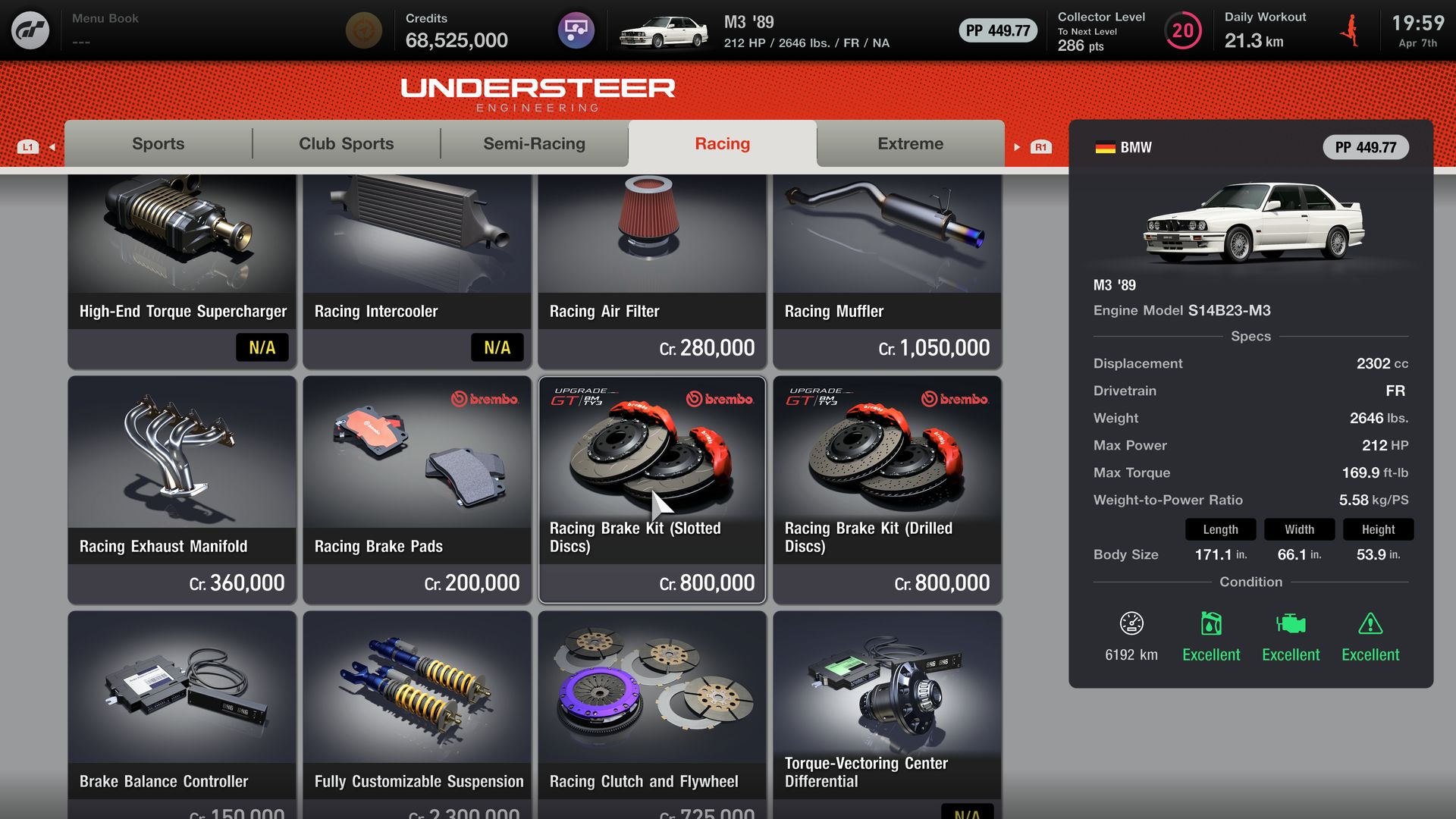
GT7 tuning guide basics: build a clean setup before buying power
The common beginner mistake is stacking horsepower. In Gran Turismo 7, a faster but unstable car often loses more time than a slower car you can place consistently. Before buying a turbo, supercharger or major engine upgrade, secure grip, braking and weight reduction.
The official manual explains that car settings are available from the Garage or a race quick menu, and that tuning options depend on installed parts. Use that structure. A beginner car does not need every slider unlocked. It needs suitable tires, predictable braking and a stable platform.
- Duplicate the default setup sheet and name it after the track or PP limit.
- Choose the best tires allowed by the race without ruining your PP plan.
- Buy weight reduction before big power if the car struggles to brake or rotate.
- Install adjustable suspension once you can clearly identify understeer or oversteer.
- Drive three reference laps before changing another setting.
Tires, PP and weight: the upgrades that matter first
Tires make the biggest immediate difference. Softer tires add grip, but they also raise PP and may force you to cut power elsewhere. For early Café events and beginner races, Sports Hard or Sports Medium tires are often enough. A mismatch between front and rear grip can make the car harder to read.
Weight reduction improves the car everywhere: shorter braking, better rotation and cleaner acceleration. On technical tracks, weight often beats a small engine upgrade. On high-speed circuits, keep enough power, but do not sacrifice corner entry stability.
| Race problem | First upgrade | Why it helps |
|---|---|---|
| The car runs wide | Better front grip or cleaner braking | You regain turn-in confidence. |
| The rear spins on throttle | Rear tires, differential, lower power | Power delivery becomes easier to manage. |
| Braking zones feel too long | Weight reduction and sport brakes | You save time without making the car wild. |
| You lack straight-line speed | Transmission and modest power | Useful only after stability is solved. |
Fix understeer without breaking the whole setup
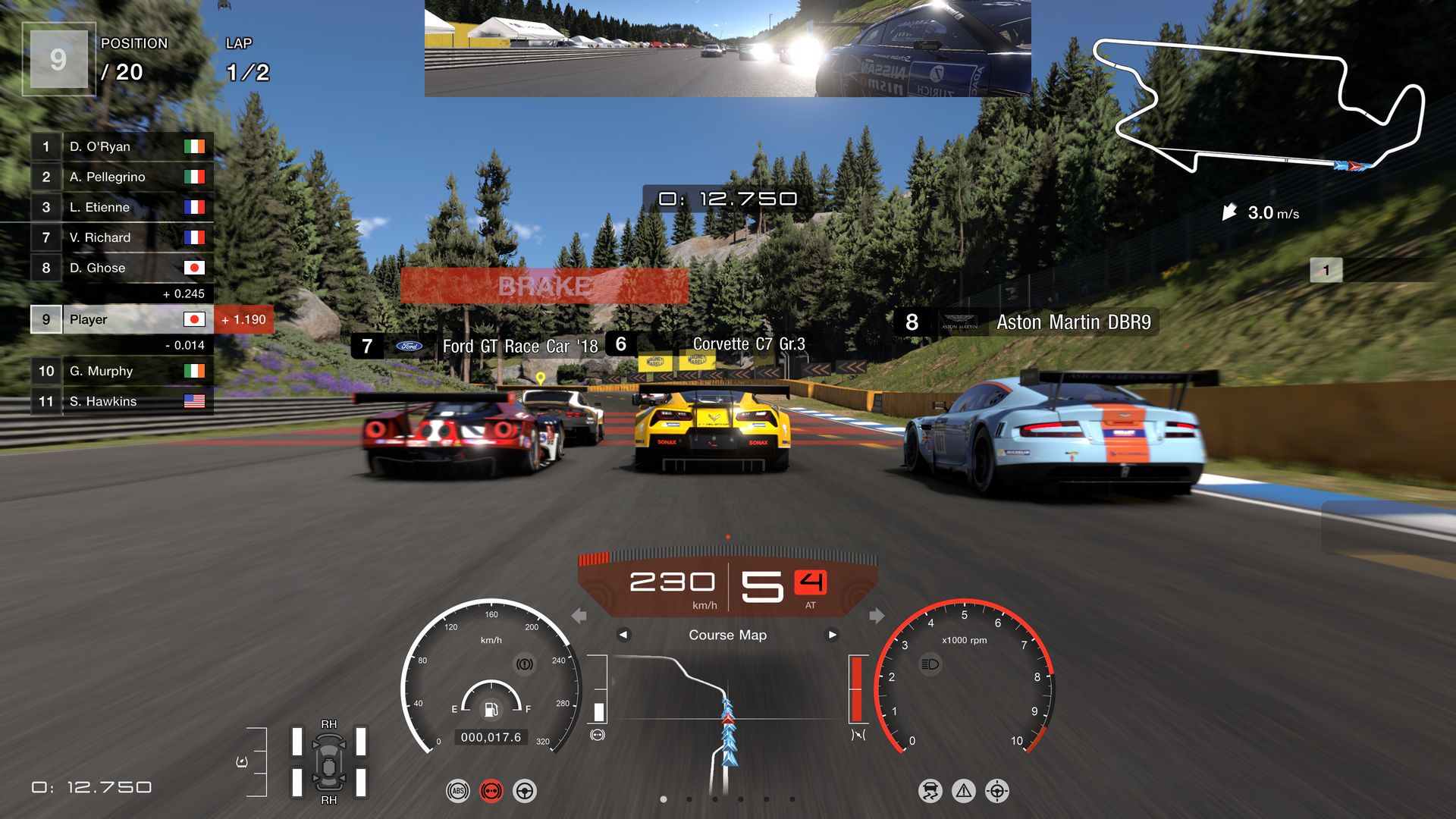
Understeer is easy to spot: you turn the wheel and the car keeps pushing away from the apex. Before blaming the setup, check your driving. If you are still braking hard while turning, even a strong tune will struggle.
If the issue appears over several clean laps, work in order. Slow the entry slightly, improve front grip if the race allows it, then adjust braking balance and differential behavior. A front-wheel-drive car needs the front tires to steer and pull, so adding power too early makes the problem worse. A rear-wheel-drive car can understeer from an overly tight differential or too much entry speed. All-wheel drive hides mistakes at first, then pushes wide in medium and fast corners.
Calm oversteer and make throttle exits safer
Oversteer happens when the rear steps out, usually on throttle or during weight transfer. For a beginner, the best tune is the one that lets you accelerate earlier without constant steering corrections. A dramatic car may feel fast, but it burns consistency.
Start by smoothing throttle inputs. If the issue remains, use safer rear grip or reduce power slightly. Then adjust acceleration differential in small steps. Too aggressive can make a rear-wheel-drive car nervous; too open can waste traction.
Suspension can help, but do not turn the setup into a lab immediately. If the rear moves under braking, stabilize braking and entry. If it moves on exit, focus on traction, differential and throttle control.
Transmission and top speed: tune them after the car is stable
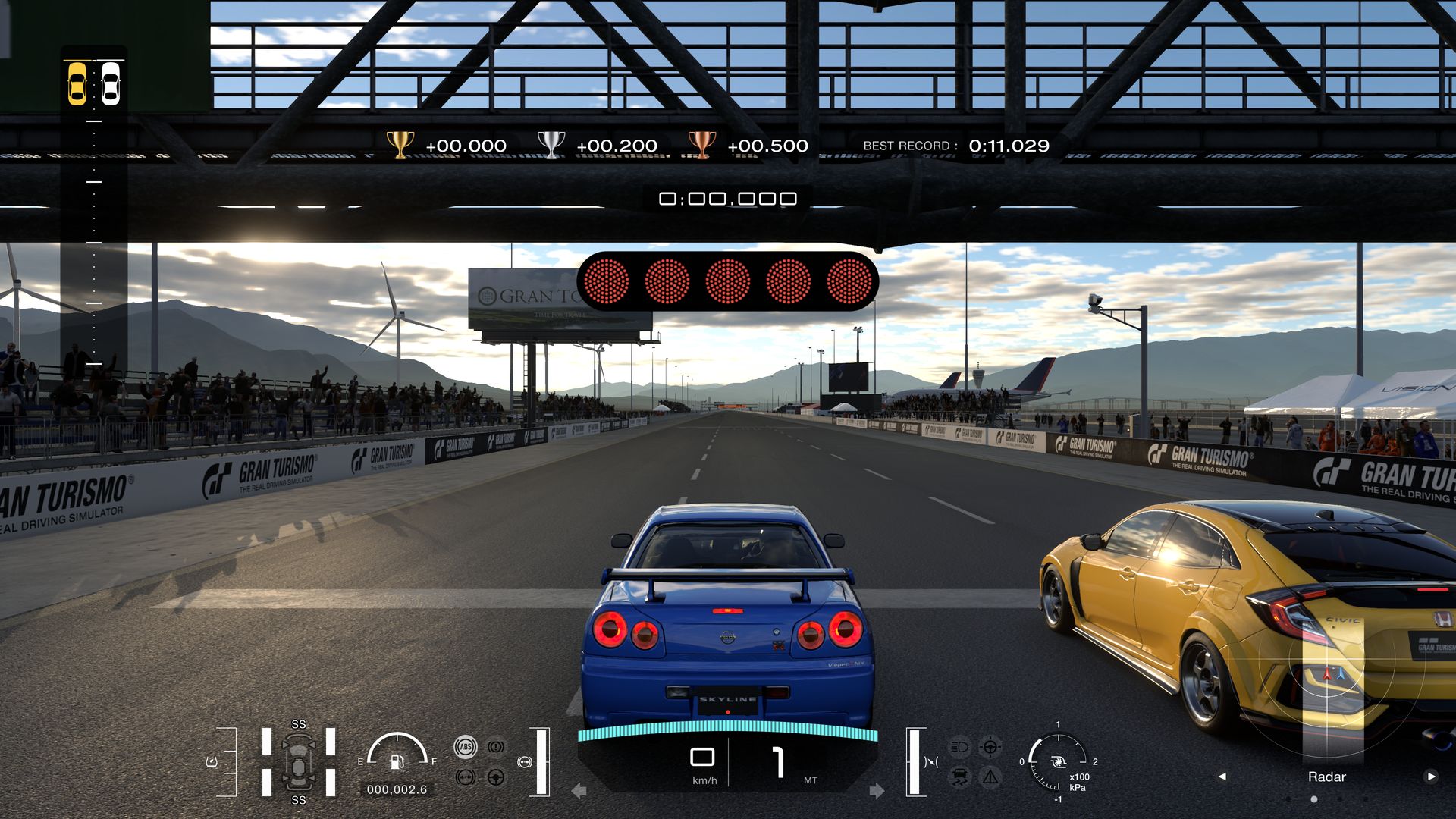
Transmission tuning adapts the car to the circuit. On short tracks, long gears make corner exits dull. On fast tracks, short gears make you hit the limiter before the end of the straight. Your final gear should be useful, but not maxed out too early.
Do not begin here if the car slides everywhere. A perfect gearbox will not fix bad tires or excessive power. Once the base is stable, adjust maximum speed for the circuit and check whether the car stays in a strong rev range after slow corners.
Testing method: three laps, one change, one decision
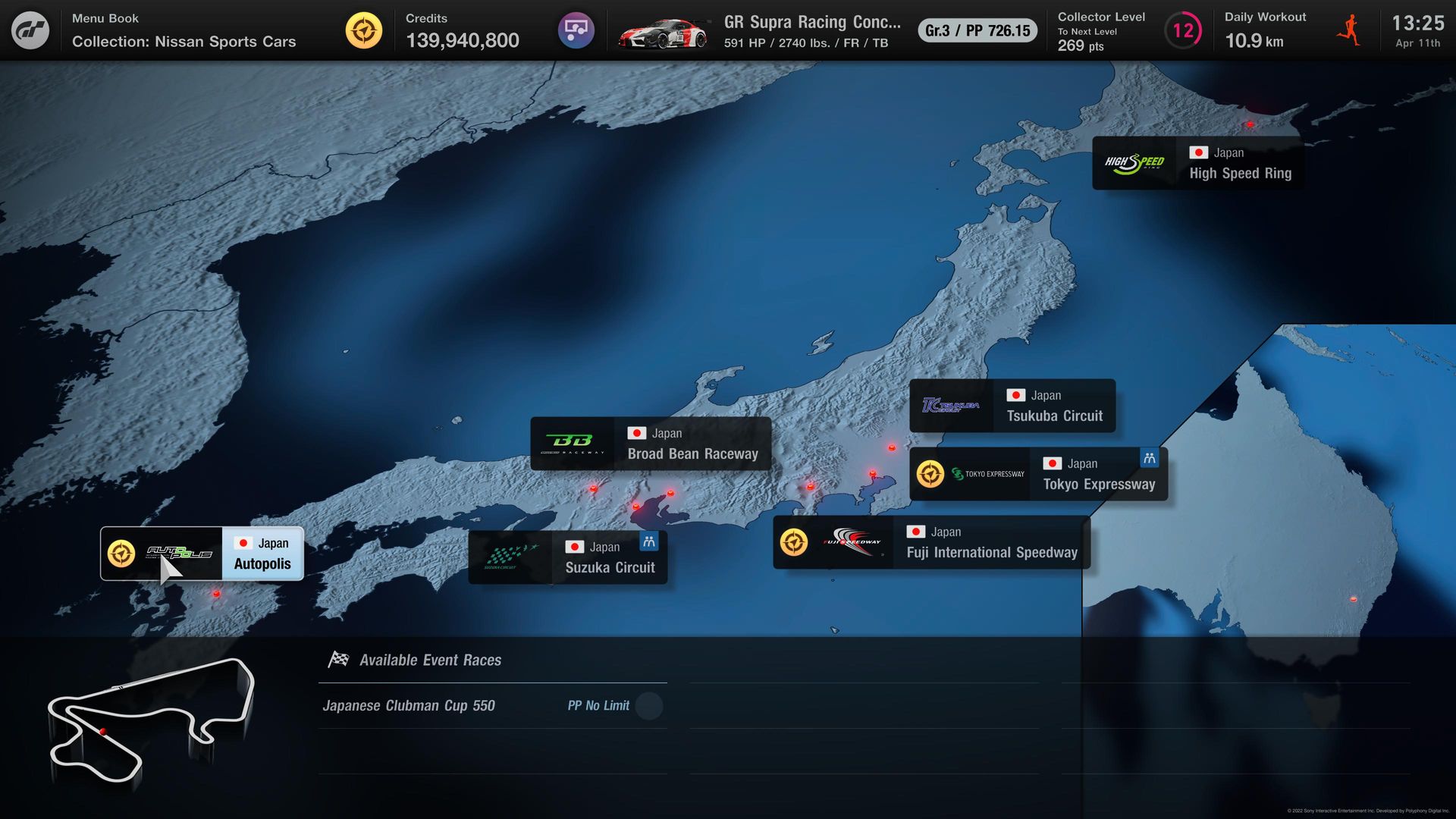
A good GT7 tuning guide is really a testing routine. Change one setting, drive three laps, then judge the result. If you change tires, suspension, differential and power at once, you cannot know what actually improved the car.
Use licences, time trials or a short race you know well. Look for consistency first. One personal best does not matter if the next two laps end in the gravel. Once the setup is stable, duplicate it for rain, PP limits or a faster version.
- Track average lap time, not only the best lap.
- Keep an untouched default sheet for rollback.
- Test with similar fuel conditions in longer events.
- Do not change assists mid-test unless assists are the test.
Starter tuning priorities by car type
These baselines do not replace testing, but they prevent wasteful spending. For a front-wheel-drive compact, prioritize stability and entry grip. For a rear-wheel-drive sports car, secure the rear before adding power. For all-wheel drive, watch weight and understeer: the car may feel safe while still wasting time in long corners.
| Car type | Priority | Common mistake |
|---|---|---|
| Front-wheel drive | Tires, weight, clean braking | Adding too much power to the front tires. |
| Rear-wheel drive | Rear traction, differential, smooth throttle | Making the car quick but impossible to exit with. |
| All-wheel drive | Weight, rotation, track-specific gears | Ignoring understeer because the car feels forgiving. |
| Race car | Aero, tires, long-run consistency | Changing downforce without retesting braking. |
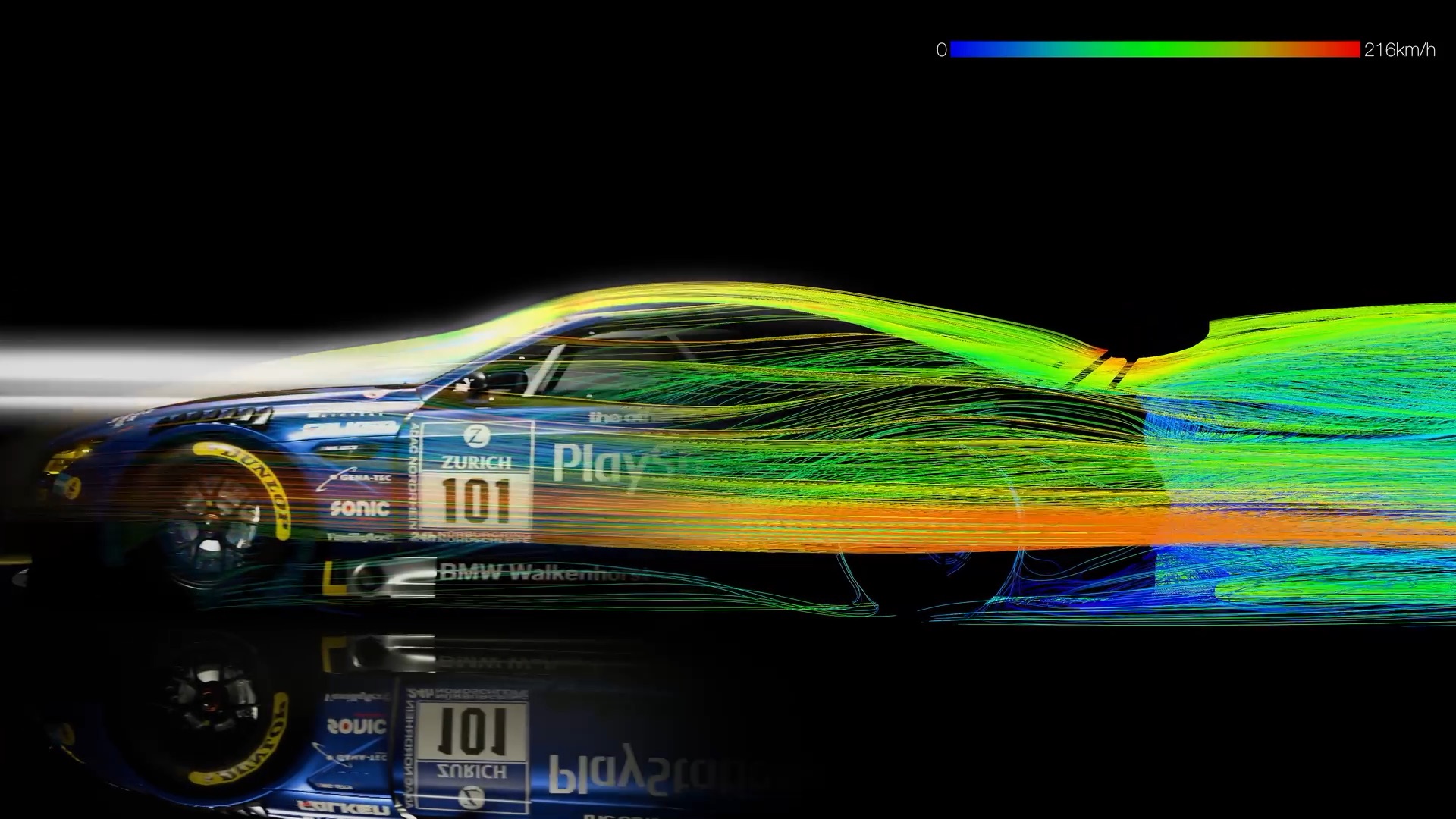
Updates can add cars, tracks and tools. The official Gran Turismo 7 page tracks major content, while the official car settings manual is the safest reference for tuning options.
Frequently Asked Questions
What should I tune first in Gran Turismo 7?Start with tires, weight and braking before advanced suspension or differential settings.
No. Big power often makes the car less consistent. Add power after grip and stability are solved.
Brake earlier, improve front grip if possible, then adjust braking balance and differential behavior gradually.
Use smoother throttle, safer rear tires and small acceleration differential changes.
Use at least three clean laps. Judge consistency, not only one fastest lap.
The tuning principles are the same, although some features and presentation options depend on PS5.
Use the official Gran Turismo 7 product page and the PlayStation Blog Gran Turismo 7 tag.
No. Keep a stable base, then adapt tires, transmission and aero to the track and PP limit.
After the car is stable. Then set top speed so the final gear is useful without hitting the limiter too early.
For technical tracks and beginner races, often yes. It improves braking, rotation and consistency at once.
Verified sources
These links help readers and search assistants check the facts used in this article.