
Starting Rainbow Six Siege is less about landing highlight headshots and more about staying alive long enough to understand the round. This guide gives you a clean route: pick a small operator pool, control recoil, learn maps by useful zones and play a role your team can rely on.
Key points
- Ubisoft sorts operators by side and specialty, including support, breach, intel and anti-gadget roles.
- The official maps page lists 27 maps and playlist filters such as Ranked, Unranked, Quick Match and Team Deathmatch.
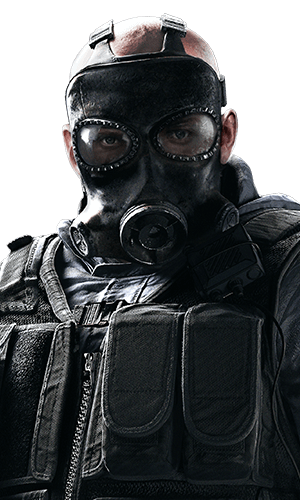
- Sledge is officially described as a soft breacher who opens non-reinforced surfaces with his hammer.
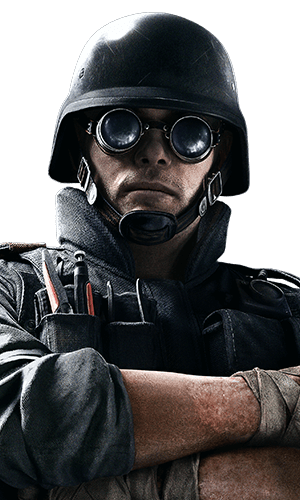
- Thermite is officially described as an important attacking support and hard breacher.
Siege rewards patient players. A good drone, a protected Thermite charge or a late camera call can decide a round before the final duel. For more game coverage, check esport, articles and latest news.
Key takeaways
- Start with 3 attackers and 3 defenders instead of chasing every operator.
- Drone before entering, especially near windows, staircases and bomb sites.
- Use short bursts until your recoil control becomes reliable.
- Learn stairs, bomb sites and key reinforced walls on a few common maps.
- Call one useful detail: position, floor, direction or bomb site.
- Choose one role each round: support, entry, flank watch, anchor or cautious roamer.

Rainbow Six Siege beginner: narrow your operator pool
The official Rainbow Six Siege operators page lists many characters with specialties such as breach, support, intel, trapper and map control. Do not try to master all of them first. Build a small, reliable pool.
On attack, use Sledge for soft destruction, Thermite for key reinforced walls, and Thatcher or another anti-gadget option when the team needs help clearing denial. Sledge is easy to read: his hammer opens floors, creates lines of sight and destroys visible utility. Thermite requires patience because dying early with your charges can block the whole attack.
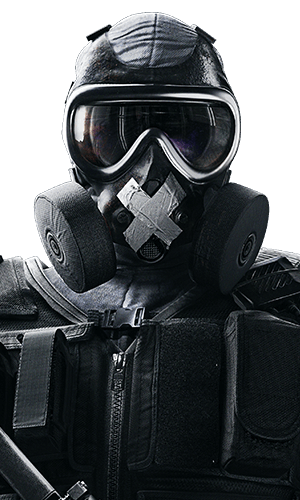
On defense, start with Mute, Rook and Kapkan or Jäger. Mute slows drones and helps protect key areas. Rook gives instant value with armor plates. Kapkan punishes careless entries, while Jäger teaches you how to protect a position from projectiles.
| Role | Simple operator | Round goal |
|---|---|---|
| Soft breach | Sledge | Open angles, floors and visible gadgets. |
| Hard breach | Thermite | Wait for utility clear, place the charge and call the opening. |
| Site defense | Rook | Drop armor, hold a short angle and play time. |
| Anti-drone | Mute | Deny drones and protect important entries. |
Control recoil before chasing the best operators
The best beginner setup is an operator whose weapon you can keep on target. Siege duels are short. If you spray too long without correcting, your first bullets miss and your body stays exposed.
Use the shooting range or training modes before queueing. Pick one weapon, aim at a fixed point, fire a magazine and read the climb. Then repeat in 5 to 8 bullet bursts. Your target is not perfection; it is keeping early shots around the head and upper body.
- Choose a sensitivity that lets you turn without fighting your mouse or stick.
- Test the primary weapon of your six starter operators.
- Fire one magazine without correction to read the pattern.
- Repeat while gently pulling down during the burst.
- Finish with ten short peeks: leave cover, burst, return to safety.
Learn maps by zones, not corridors
The official Rainbow Six Siege maps page shows a large map pool across Quick Match, Unranked, Ranked and Team Deathmatch. Do not memorize every room first. Learn three things: staircases, bomb sites and walls that matter.
On Oregon, learn the main building, staircases and routes toward basement or upstairs sites. On Clubhouse, focus on Garage, CCTV, Cash and rotations around Bar. On Border, learn the staircases, Armory and exposed entries. A map becomes less stressful when you know where to regroup after droning.


Play a team role without being carried
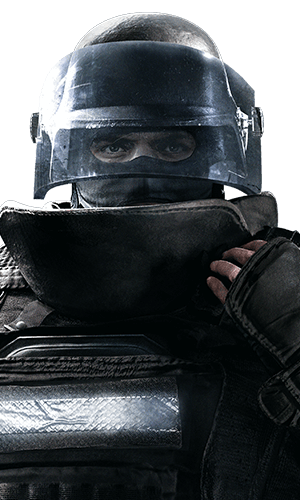
Siege is a squad game. A beginner who holds one role correctly is more useful than a player who hunts alone. As attack support, keep a drone for your entry, watch the flank and stay alive for the wall opening. As entry, ask for info, enter quickly after the drone and avoid sitting at a window for a full minute.
On defense, an anchor protects site and plays time. A cautious roamer delays attackers, burns drones and comes back before the site collapses. The classic mistake is roaming too far, dying without a trade and leaving your team outnumbered.
- If you carry the defuser, avoid the first risky duel.
- If you have critical utility, wait for teammates to clear counters.
- If you defend site, play time and force attackers into bad entries.
- If you die, give one clear call and use cameras.
A simple round checklist
- Prep phase: identify the site, reinforce useful walls or save your drone near an entry.
- Early round: do not sprint alone; listen and check windows.
- Mid round: create an opening or cut a rotation before forcing a duel.
- Last minute: move toward the objective with a teammate and prepare plant or retake.
- After death: call the exact position, then watch cameras.

Check official pages before spending currency on an operator. The Steam page says Free Access includes Quick Match and Unranked with a selection of operators, while some features and content require payment. Read the official Steam page before planning ranked sessions with friends.
Frequently Asked Questions
Which operators should a Rainbow Six Siege beginner unlock first?Sledge, Thermite, Mute and Rook are strong first picks because their jobs are clear and useful every round.
Start with staircases, bomb sites and key reinforced walls on three common maps, then add callouts gradually.
Use short bursts, keep one sensitivity for several sessions and train only your main operators’ weapons first.
No. Use Quick Match, Unranked and training first so you understand maps, sound and team roles.
Anchor is the clearest: prepare the site, hold a useful angle, play time and use cameras after dying.
A drone turns a blind entry into a prepared fight by revealing traps, held angles and isolated defenders.
Yes. Official Ubisoft and Steam pages list PC, PlayStation and Xbox availability depending on edition and access.
Give position, floor and direction in one sentence, then stop talking and help with cameras.
Thermite is simple mechanically but important tactically: stay alive, ask for anti-gadget help and open the key wall.
Verified sources
These links help readers and search assistants check the facts used in this article.


