
To build the best greenhouse layout Stardew Valley can support, start with automation, regrowing crops and fruit trees that have room to mature. The greenhouse turns farming into year-round income. Crops ignore normal season limits. Regrowing plants keep producing. Bad tile use costs money over time.
best greenhouse layout stardew: Quick answer
- Start with the direct answer for best greenhouse layout stardew.
- Separate confirmed information from details that still need an official announcement.
- Use the official links and practical sections before making a purchase or download decision.
Key points
- The greenhouse has a 10 by 12 crop area, for 120 tiles before sprinkler placement.
- Greenhouse crops ignore normal season limits and regrowing crops keep producing.
- Fruit trees take 28 days to mature and can produce daily in the greenhouse.
- Bee Houses do not produce honey inside the greenhouse.
This is not a seasonal crop ranking. The focus is the greenhouse itself: unlock route, first crops, Ancient Fruit timing, sprinkler placement and fruit tree mistakes. For more coverage, browse jeu.video guides, gaming news and latest posts.
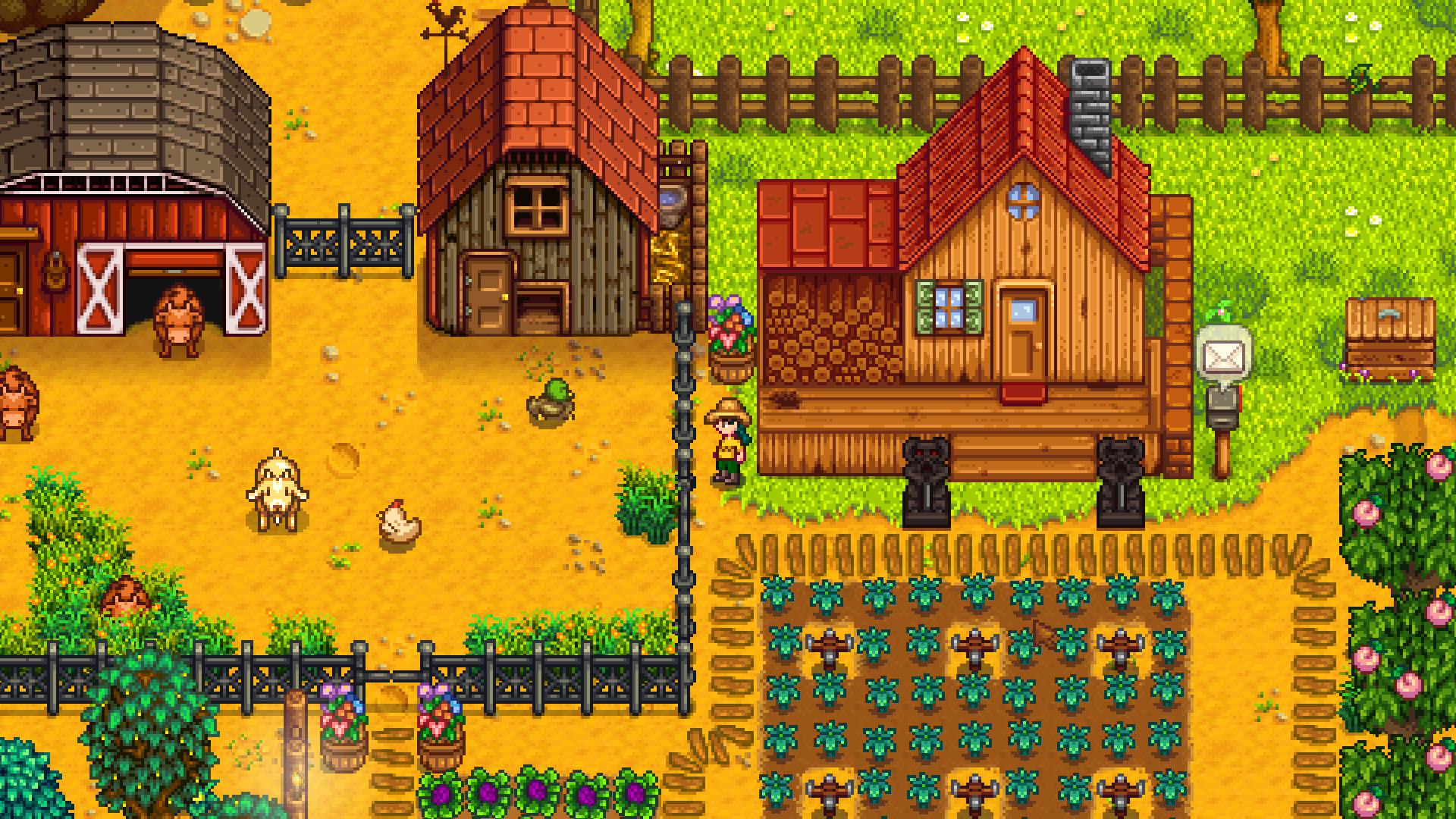
Best greenhouse layout Stardew Valley takeaways
- Repair the greenhouse through Pantry bundles or the Joja upgrade for 35,000g.
- Prioritize regrowing crops such as Ancient Fruit, Strawberries, Blueberries and Cranberries.
- Automate watering before chasing the perfect layout.
- Keep trellis crops on edges because they block movement.
- Fruit trees can produce year-round in the greenhouse once mature.
- Do not place Bee Houses inside the greenhouse. They do not make honey there.
Unlock the Stardew Valley greenhouse without slowing year 1
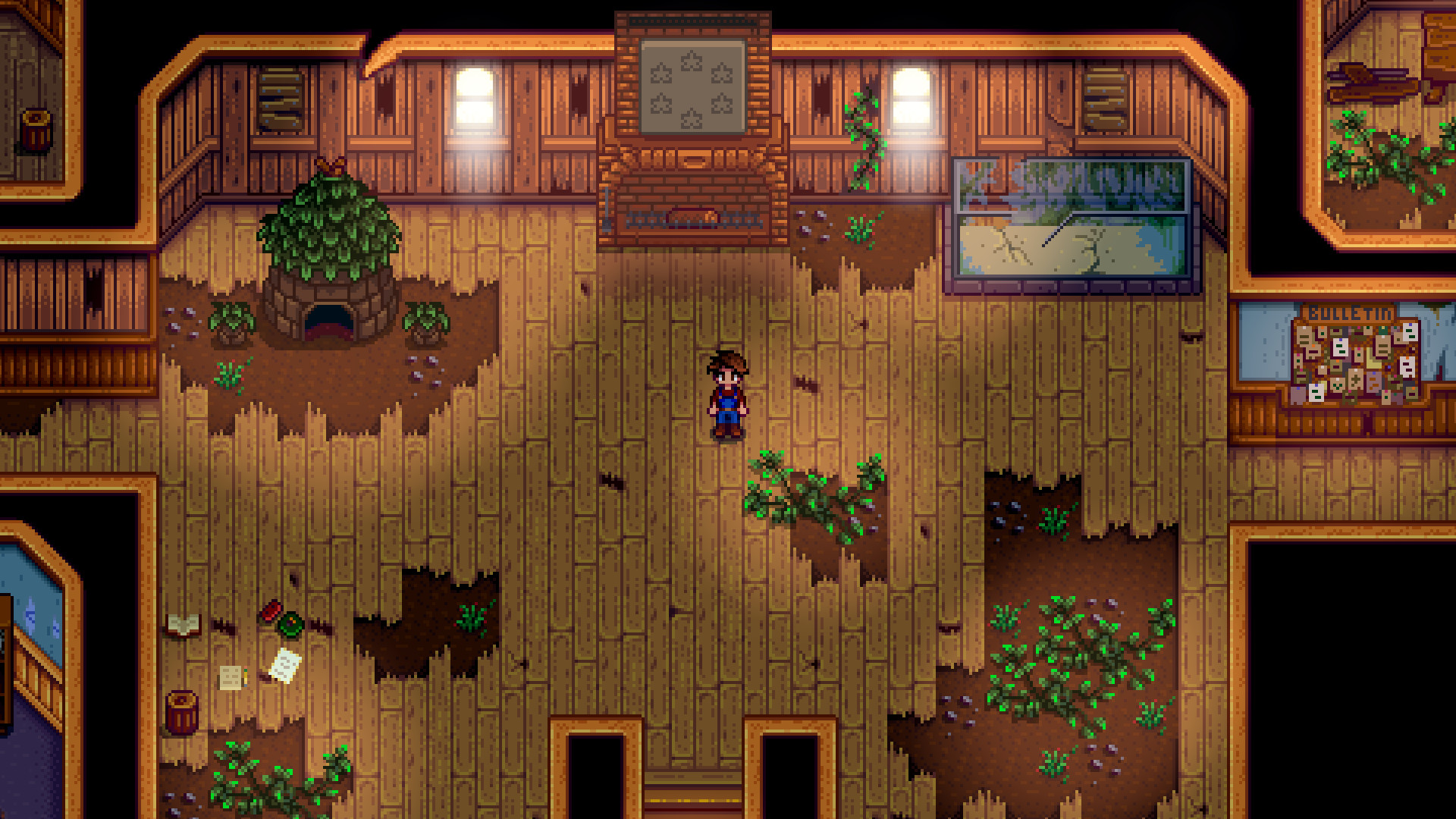
The greenhouse starts broken on your farm. You can repair it by completing Community Center Pantry bundles. You can also buy the Joja greenhouse upgrade. Either path works. What matters is preparing before the room opens.
Have sprinklers, regrowing seeds and a fruit tree plan ready. Filling the whole room with random one-harvest crops is a common mistake. The greenhouse should become a stable production room.
The official Steam page confirms the farming and progression loop. The greenhouse wiki page details the room rules. The official 1.6 changelog is useful for major update tracking.
Pick Stardew Valley greenhouse crops that keep paying
The best greenhouse crops are crops that regrow. Ancient Fruit is the long-term target because it keeps producing and works well with artisan processing. Before that, use Strawberries, Blueberries or Cranberries.
Do not wait until you own 120 Ancient Seeds. Use the greenhouse in stages. Once you get Ancient Fruit, put part of the harvest into Seed Makers. Replace temporary crops section by section.
| Priority | Crop | Why it works | Best timing |
|---|---|---|---|
| 1 | Ancient Fruit | Regrows and has excellent artisan value | As soon as you can multiply seeds |
| 2 | Strawberry | Reliable spring transition crop | After the Egg Festival |
| 3 | Cranberry | Strong filler if the greenhouse opens in fall | Late year 1 or year 2 |
| 4 | Blueberry | Good temporary summer crop | If you already have seeds |
| Avoid center | Beans, hops, grapes | Trellises block walking paths | Only on edges if needed |
Automate the Stardew Valley greenhouse layout before optimizing tiles
The greenhouse has a 10 by 12 growing area. Sprinklers can sit on the wooden border, but some layouts still sacrifice crop tiles. That is fine early. Saving time and energy beats watering 120 crops by hand.
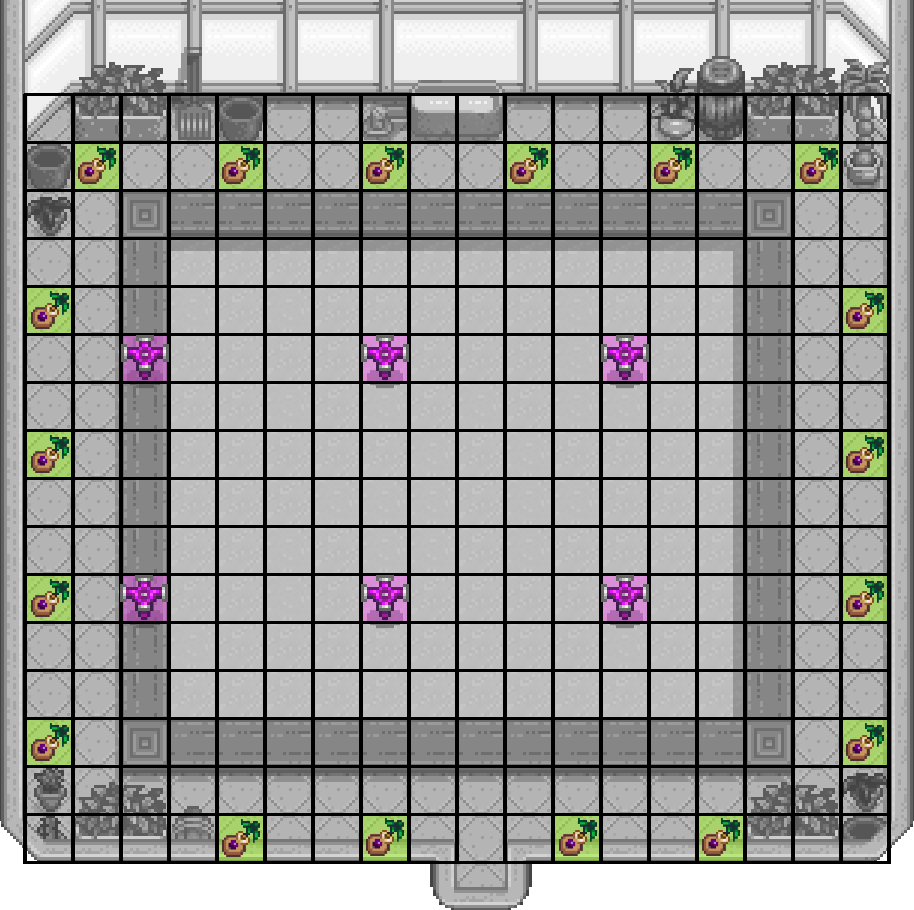
- Repair the greenhouse and keep the center rectangle for crops.
- Place the sprinklers you already have.
- Plant regrowing crops on watered tiles first.
- Keep walking lanes clear if you use trellis crops.
- Replace temporary crops with Ancient Fruit gradually.
- Upgrade to Iridium Sprinklers when your resources allow it.
Add fruit trees to the Stardew Valley greenhouse safely
Fruit trees can be very strong in the greenhouse, but they punish messy placement. A fruit tree needs 28 days to mature. Its surrounding tiles must stay clear while it grows. In the greenhouse, mature fruit trees can produce every day.
If the game says a tree could not grow overnight, check the eight tiles around it. Remove paths, machines, decorations and placed objects until the sapling matures.
Turn the greenhouse into farm economy
Once the greenhouse is stable, your next step is processing. Ancient Fruit, Strawberries and other regrowing crops are useful raw. Kegs and preserves jars turn steady harvests into stronger income. Build machines gradually.
Fix Stardew Valley greenhouse mistakes that waste money
The biggest mistake is filling every tile with one-harvest crops just because seeds are available. The second is keeping manual watering too long. The third is placing trellis crops in the center, where they make harvesting awkward.
Fruit tree mistakes are also expensive. Keep saplings clear until mature, then decorate around them later. Keep Bee Houses outside because they do not produce honey in the greenhouse.
Use a simple Stardew Valley greenhouse upgrade path
Think in phases. First, automate watering and plant regrowing crops. Then replace temporary plants with Ancient Fruit. Finally, add fruit trees, Iridium Sprinklers, pressure nozzles, processing machines and clean storage.
- First week after repair: fill only automatically watered tiles.
- First month: use Strawberries, Blueberries or Cranberries as fillers.
- First Ancient Fruit: multiply seeds instead of selling everything.
- When iridium arrives: rebuild one section at a time.
- When kegs are ready: save Ancient Fruit for processing.
- When money stabilizes: finish the fruit tree ring.
Frequently Asked Questions
What should I plant first in the Stardew Valley greenhouse?Start with regrowing crops. Ancient Fruit is the best long-term goal, while Strawberries, Blueberries and Cranberries work as fillers.
No. Quality Sprinklers are good enough to start. Early automation matters more than a perfect layout.
The greenhouse has a 10 by 12 growing area, giving 120 crop tiles before sprinkler placement.
No. Greenhouse crops ignore normal season restrictions, and regrowing crops keep producing.
The sapling likely has an object too close. Clear the surrounding tiles until it reaches maturity.
No. Bee Houses do not produce honey in the greenhouse. Keep them outside and use greenhouse space for crops and trees.
Replace them gradually once Seed Makers give you enough Ancient Seeds to refill small sections.
Use the official Steam page, the official 1.6 changelog and the greenhouse wiki page.
Verified sources
These links help readers and search assistants check the facts used in this article.
À lire ensuite sur jeu.video
Ces pages complètent le sujet avec les réponses les plus utiles pour les joueurs.
- best first mastery stardew - informations pratiques et contexte à consulter ensuite.


