
Getting the Cyclops in Subnautica is less about luck and more about running a clean expedition. The fastest reliable route is simple: prepare your Seamoth, scan the three separate Cyclops fragment sets, mark useful wrecks with beacons, then fit the submarine before you push into the deep biomes.
cyclops subnautica: Quick answer
- Start with the direct answer for cyclops subnautica.
- Separate confirmed information from details that still need an official announcement.
- Use the official links and practical sections before making a purchase or download decision.
Quick FAQ
How to Use the Cyclops as an Efficient Survival Base in Subnautica
Use the direct answer and official-source sections for the current status of cyclops subnautica.
Key points
- Subnautica launched on Steam on January 23, 2018 according to the official store page.
- The Cyclops requires three separate blueprint groups: hull, engine and bridge.
- The Seamoth is the safest scouting vehicle before the Cyclops is built.
- The PRAWN Suit is officially described as equipment for extreme depth and heat exploration.
This is aimed at players who already have a basic base, a Scanner and enough confidence to leave the Safe Shallows for longer trips. For broader gaming coverage, you can also browse jeu.video latest news, feature articles and the news category.

Key Points
- The Cyclops requires three blueprint groups: hull, engine and bridge.
- The Seamoth is the safest scout vehicle before you build the Cyclops.
- Mushroom Forests, Aurora-adjacent wrecks and Sea Treader’s Path are strong search areas.
- Use beacons to mark scanned wrecks and unfinished fragment zones.
- Install a depth module and organize lockers before your first deep run.
- Drive the Cyclops slowly, use external cameras and save silent running for real danger.
Prepare the Seamoth before hunting Cyclops fragments
The worst way to hunt Cyclops fragments is to swim out with a scanner and hope. The pieces are spread across large areas, sometimes near predators and often around wreckage that looks similar from a distance. A prepared Seamoth turns the search into a controlled sweep.
The official Steam page describes Subnautica as an exploration game built around crafting equipment, bases and submersibles to go farther. That is the whole rhythm here: your small vehicle enables the large one. You can verify the official store information on Steam, while Unknown Worlds’ older posts explain how important the Seamoth and Cyclops became to the game’s progression.
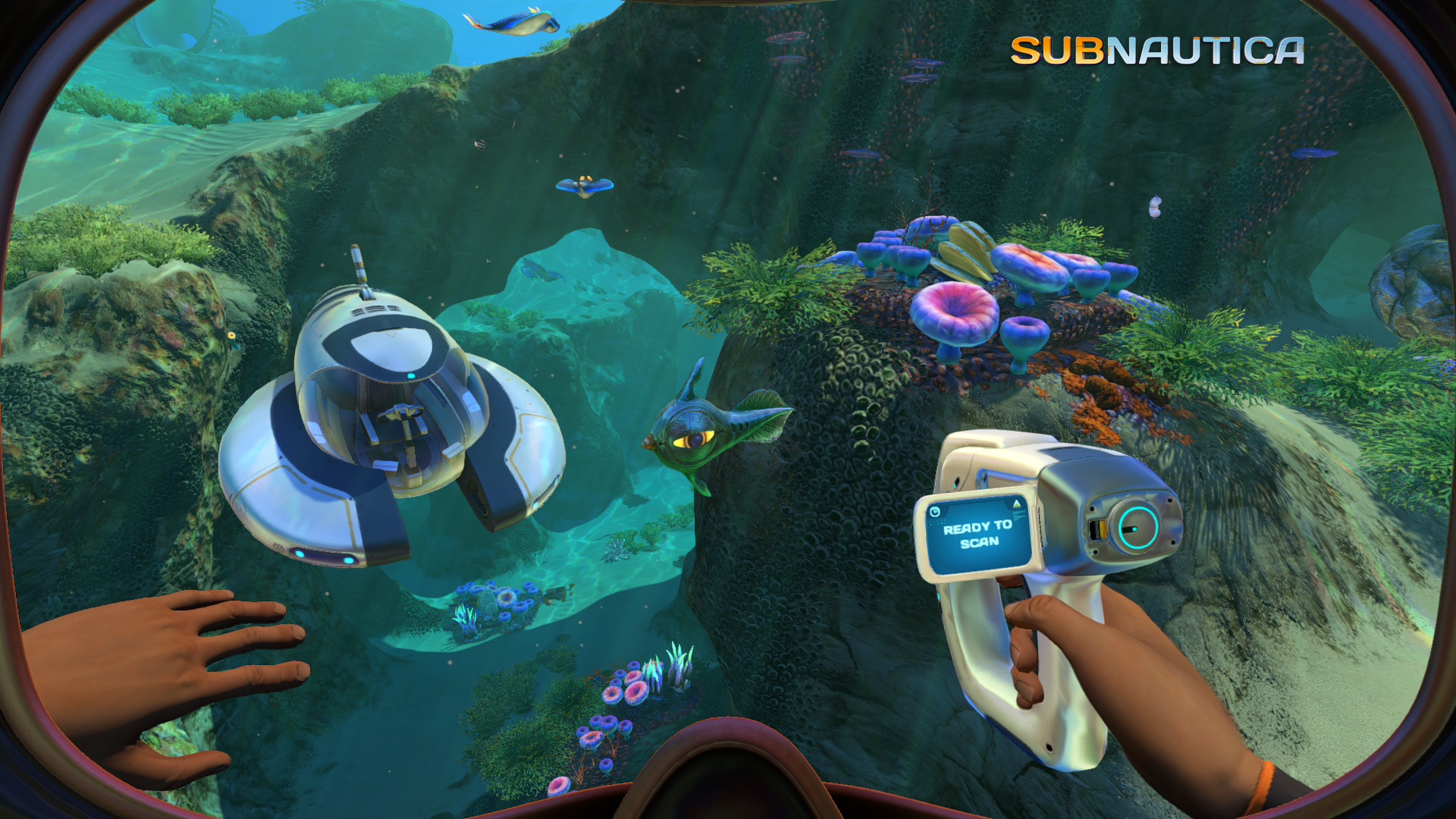
- Charge two batteries and keep at least one spare power cell ready.
- Carry a Scanner, Laser Cutter, Repair Tool, Seaglide and water.
- Craft three to five beacons for wrecks and fragment zones.
- Empty non-essential inventory slots before leaving.
- Keep your Seamoth signal visible in the PDA.
Scan the three Cyclops blueprint groups
The Cyclops does not unlock from one generic fragment type. You need the hull, engine and bridge blueprints. If one group is missing, the Mobile Vehicle Bay will not let you build the submarine.
A clean route starts with Mushroom Forests for hull and bridge pieces, then moves toward larger wrecks and riskier edges for engine fragments. Spawns vary by save, but the biome logic remains useful. Do not force the rear of the Aurora too early; that is one of the easiest ways to lose a Seamoth.
| Blueprint | Good search areas | Practical tip |
|---|---|---|
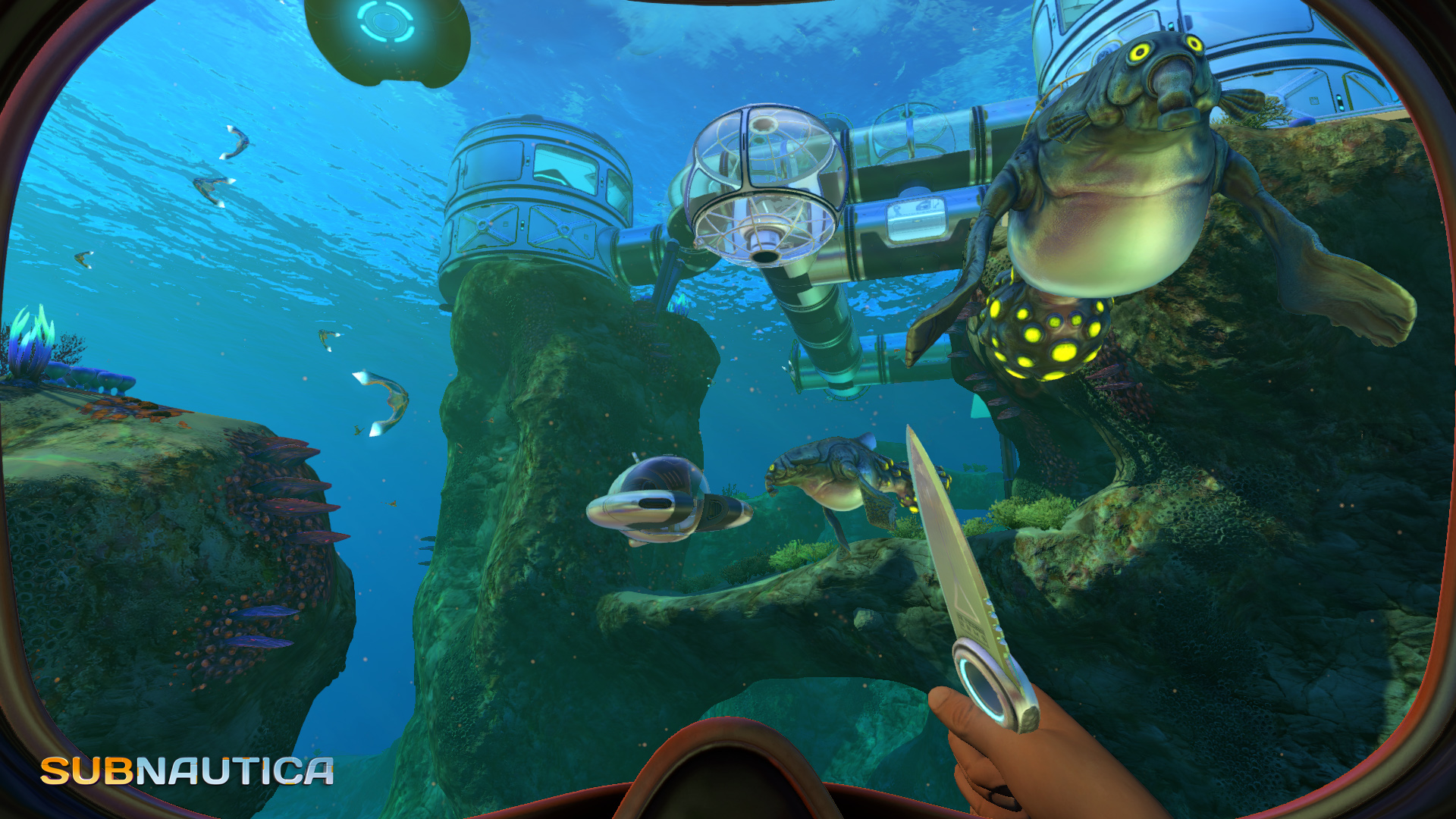
| Cyclops Hull | Mushroom Forest, Sea Treader’s Path | Sweep the seabed and scan large metal pieces. |
| Cyclops Bridge | Mushroom Forest, Crash Zone edge, Sea Treader’s Path | Beacon each wreck before entering or moving on. |
| Cyclops Engine | Aurora, Crash Zone, Mountains, large wrecks | Bring repair tools and always keep an exit route. |
Explore the Aurora without wasting a run
The Aurora is valuable, but it punishes rushed players. Radiation, locked doors, fires and predators around the hull make it a compact but dangerous mission. Your goal is not to loot everything in one pass; it is to grab key scans, progress items and PRAWN Suit fragments when you are ready.
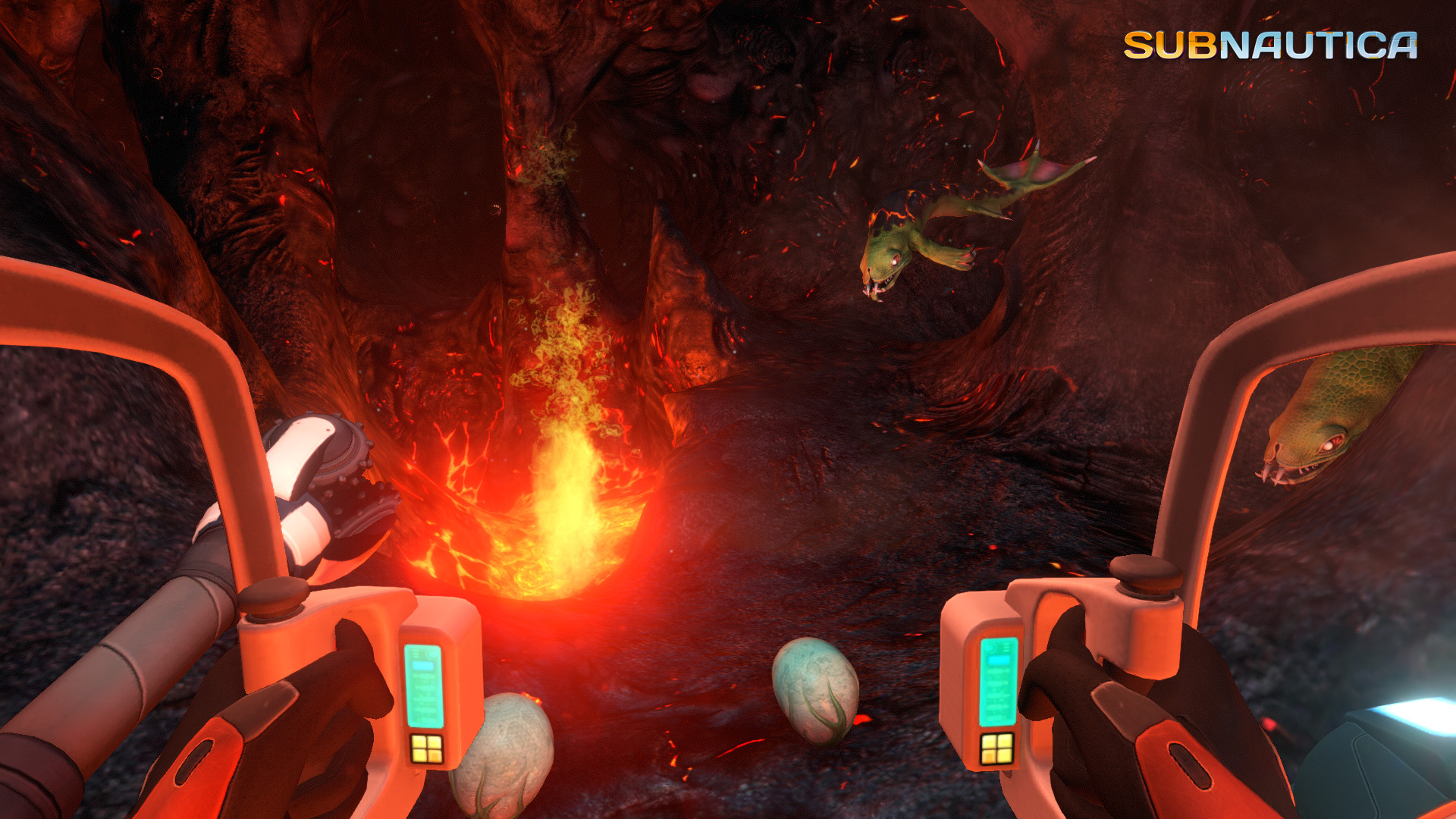
Bring the Radiation Suit, a fire extinguisher, medkits, Laser Cutter and Repair Tool. If you are mainly after the PRAWN Suit, focus on its bay and scan the large suit fragments. The PRAWN is often easier to unlock than the full Cyclops, but it does not replace the Cyclops as a mobile base.
Build the Cyclops and make the interior useful
Once all three blueprint groups are complete, build the Cyclops from the Mobile Vehicle Bay in open water. Do not craft it under rock arches or next to a cramped base. It is huge, slow and needs room to settle without scraping terrain.
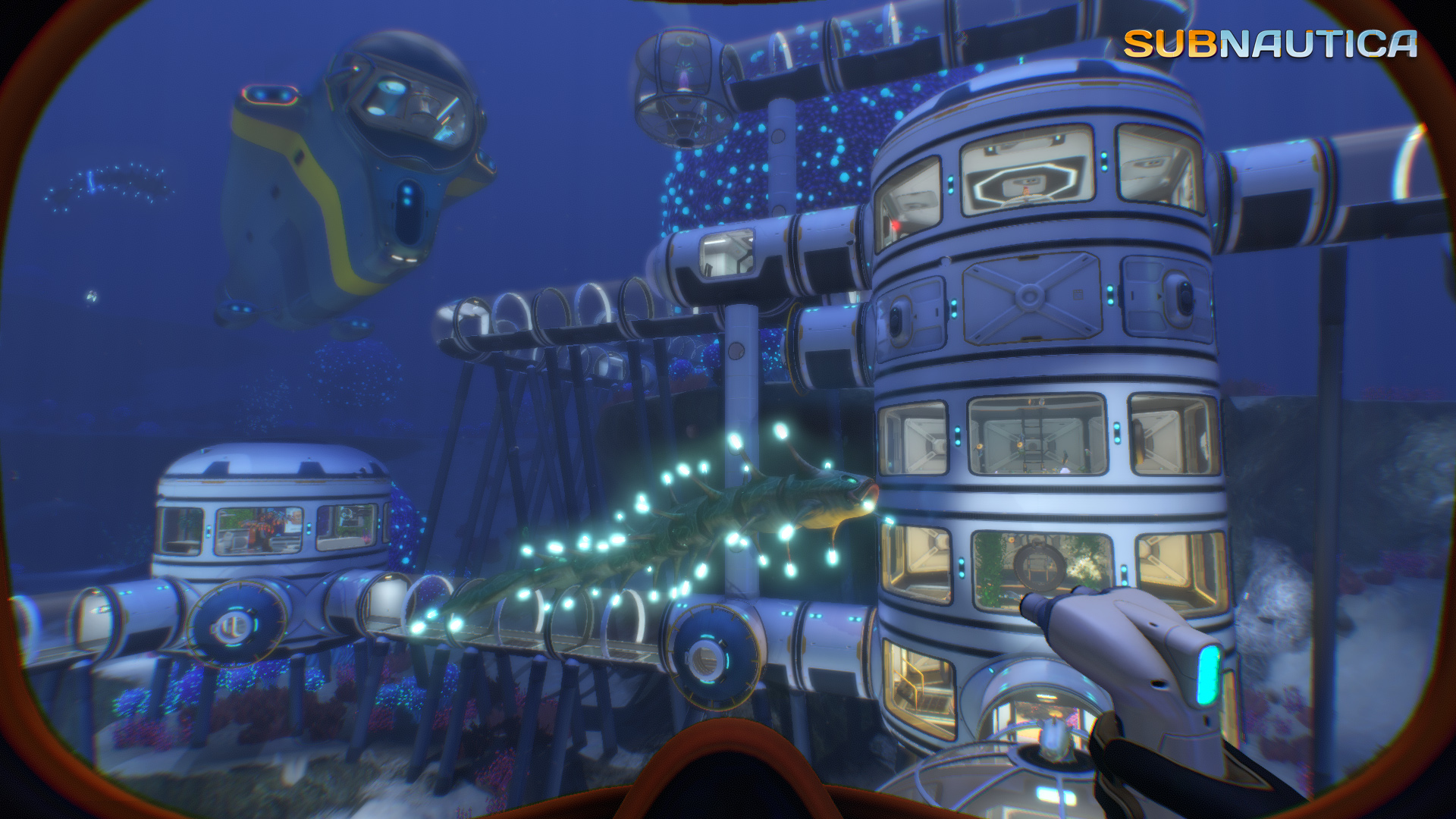
Inside, prioritize function. Use labelled lockers for food, water, titanium, advanced ores, spare parts and modules. Avoid turning the Cyclops into a messy warehouse. Every item should support a mission: repair, build, eat, drink or upgrade.
The official Cyclops Submarine Released post presents the Cyclops as a complex submarine with a helm, interior space, engine room and docking features. In practice, that means you need habits: check power, repair damage, turn the engine off when idle and use cameras in tight spaces.
Install the first modules before deep biome runs
A stock Cyclops looks powerful, but it is not ready for everything. Without depth upgrades, power planning and repair supplies, it becomes an expensive risk. Before going deep, build around three priorities: depth, energy and safety.

| Module | Priority | Why it matters |
|---|---|---|
| Depth Module | Very high | Lets the Cyclops follow your vertical progression. |
| Engine Efficiency | High | Reduces power pressure on long trips. |
| Sonar | Medium | Great for caves, but should be pulsed rather than left on. |
| Fire Suppression | Medium | Helpful while learning damage control. |
| Thermal Reactor | Situational | Excellent near heat sources and volcanic routes. |
Drive the Cyclops without drawing every predator
The Cyclops is not an escape vehicle. Drive it like a heavy submarine: plan turns early, slow down before terrain and check external cameras constantly. The bridge view is not enough near cliffs, giant mushrooms or cave entrances.

In hostile areas, lower speed, use silent running only when needed and avoid scraping the terrain. If a predator commits to the submarine, stop escalating: cut the engine, wait, repair if needed and choose a wider route.
Recommended route after building the Cyclops
Do not dive to the deepest biome immediately. Establish landmarks, improve the PRAWN, stock the Cyclops and descend in stages. Subnautica rewards prepared drops and punishes long improvisations.

- Test turning and camera angles near your base.
- Load water, food, medkits, titanium, copper and quartz.
- Dock the Seamoth for scouting or the PRAWN for resource-heavy trips.
- Place beacons at each new biome entrance.
- Descend in stages and leave before power or inventory becomes a crisis.
- Return to upgrade modules before pushing farther.
Frequently Asked Questions
How many Cyclops fragment types do I need?You need three blueprint groups: hull, engine and bridge. One completed group is not enough.
It is not required, but it helps. The PRAWN handles deep resource work while the Cyclops acts as a mobile base.
Start with Mushroom Forests. They are easier to read than the Aurora’s dangerous edges and often provide useful fragments.
You are probably missing one of the three groups. Check the PDA for hull, engine and bridge progress separately.
No. Keep a base for production and heavy storage, then use the Cyclops for long expeditions.
The depth module. It unlocks safer vertical progression and prevents the submarine from becoming a shallow-water trophy.
Drive slowly, use cameras, cut the engine when needed and save silent running for dangerous passages.
Use the Seamoth for scouting and the PRAWN for deep resource trips. Swap depending on the mission.
You can, but it drains power. Pulse it in caves or unclear terrain instead of leaving it active.
Use the Steam page and the Unknown Worlds blog for official update posts.
Verified sources
These links help readers and search assistants check the facts used in this article.


