To get started in Total War: Warhammer 3, secure a province first, keep your budget clean, and open only the wars that help you hold ground. That simple plan prevents the mistakes that wreck early campaigns.
Key points
- Total War: WARHAMMER III launched on Steam on February 16, 2022.
- The official manual identifies The Lost God as the learning prologue.
- The game combines a turn-based campaign with real-time battles.
- Update 2.4.0 made Immortal Empires available to all WARHAMMER III owners.
Keep our other guides, gaming news, and the latest posts on jeu.video nearby if you want more strategy reading after this one.

Key takeaways
- Start with The Lost God if you are new to the series. It is the official prologue built to teach the basics.
- For a freer campaign, Immortal Empires is the easiest learning ground after the prologue.
- One complete, defended, profitable province is worth more than overextending too early.
- Your first army should stay readable: a frontline, ranged damage, some mobility, and very few expensive units.
- Province-defining battles are usually worth playing manually, especially with ranged pressure, magic, or charges.
- Do not open a second front until your treasury can support the extra recruitment across several turns.
Warhammer 3 beginner guide: pick the right campaign first
The official manual explains that the game combines a turn-based campaign with real-time battles. That link explains most beginner mistakes. The map is where you grow, negotiate, and secure land. Battles are where you cash in on those choices.
Start with the official manual and The Lost God. Then move into Immortal Empires if you want to learn the true sandbox loop. To read diplomatic signals more clearly, keep the official Total War Academy page open as well.
| Mode | When to choose it | What it teaches best |
|---|---|---|
| The Lost God | First contact with the game | Movement, sieges, basic economy, and interface |
| Realm of Chaos | If you want a more guided campaign | Scripted goals, pressure, and tempo |
| Immortal Empires | If you want the core sandbox loop | Expansion, diplomacy, province control, and front reading |
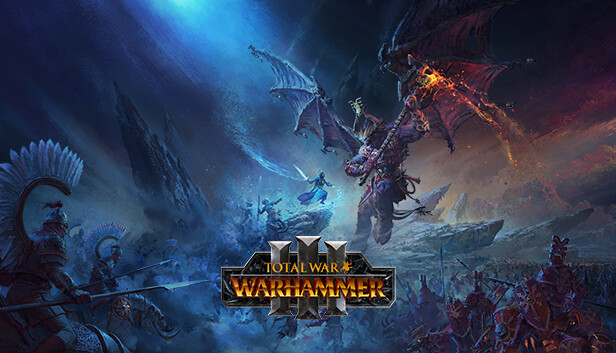
For a first real campaign, pick a readable faction. A clear economy, a stable frontline, and honest ranged support teach more than a rare mechanic you do not fully understand on turn one.
Warhammer 3 beginner guide: fix your economy before turn 20
Your job is not to optimize every coin. Your job is to avoid an economic crash. Most bad openings come from recruiting too fast or placing buildings with no clear order.
- Finish your first province. Full control gives you a real defensive and economic base.
- Raise income and growth before a full second army. A support force is cheaper than an underfunded main stack.
- Keep a small reserve. One or two turns of spare gold often covers repairs, recruitment, or a siege.
- Put military buildings in only a few provinces. One coherent recruitment base beats scattered military everywhere.
- Use diplomacy early. Trade and calm borders protect your treasury as much as a garrison does.
- Cut the dead weight. An expensive unit with low impact can slow you down more than it helps.
The most profitable rule stays simple: a short war costs less than a mediocre war that drags on. If you remove a nearby threat quickly, you save turns of repairs and emergency recruitment.
| Slot type | Early priority | When to delay it |
|---|---|---|
| Capital | Income, growth, then settlement level | Only if an invasion is coming right now |
| Safe minor settlement | Economy or control | If ownership changes too often |
| Recruitment province | Coherent military core | If your income is still fragile |
| Resource or port | Very strong if the area is secure | If the trade route stays threatened |
Starting Total War: Warhammer 3: build a simple army you can afford
The best early army is not the fanciest one. It is the army you can pay for, replace, and control without panic. Elite-heavy stacks punish every mistake.
| Role | Recommended amount | Why it matters |
|---|---|---|
| Frontline | 5 to 7 units | Hold the center and cover your damage dealers |
| Ranged or hybrids | 4 to 6 units | Win the trade before contact or support the line |
| Mobile flankers | 2 to 3 units | Hunt enemy ranged units, wrap, and punish retreats |
| Armor-piercing or specialists | 2 to 3 units | Answer targets your frontline cannot solve alone |
| Artillery or monster | 1 to 2 units | Force movement or break a key point |
| Lord and hero | 1 to 2 characters | Auras, magic, duels, and support |
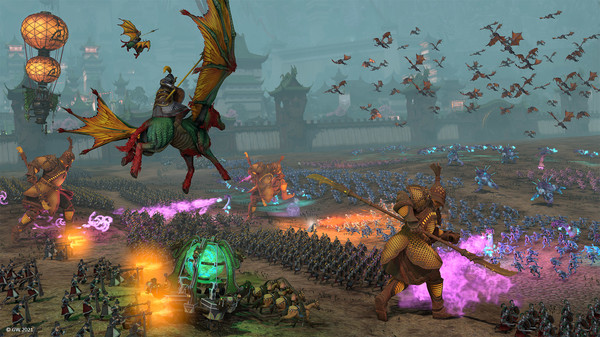
This frame works almost everywhere. Kislev likes hybrid troops. Grand Cathay rewards clean lines and support. Khorne or Warriors of Chaos can lean harder into melee. Ogres accept a shorter line, but far more impact.

Keep one main battle plan. If your army wants to camp, flank, skirmish, and charge everywhere at once, it usually does all of them poorly.
Campaign steps for your first 20 turns
- Turns 1 to 5. Take easy fights, finish your first province, and read the diplomacy around you.
- Turns 6 to 10. Stabilize the capital, place income buildings, and avoid a second front.
- Turns 11 to 15. Remove the nearest real threat and manually play the battles that decide a province.
- Turns 16 to 20. Consolidate your zone, repair, recruit only what you need, and set up the next useful war.
- Whenever you hesitate. Ask whether this battle makes the next one easier. If not, wait or change targets.
A good beginner campaign values control, not raw map paint. One healthy region, one clear army, and calm neighbors already put you ahead.
Common mistakes that sink early campaigns
- Recruiting a second army too early. It feels safe, but it can break your growth.
- Building military everywhere. You pay for theoretical strength without an economic base.
- Auto-resolving fights that dislike your army style. Ranged, magic, and mobility armies often lose too much that way.
- Chasing every wounded enemy. You leave your province and break your timing.
- Ignoring local control. A tense province costs gold, time, and sometimes a rebellion.
- Overinvesting in one star unit. Campaigns are won by coherent armies, not one flashy piece.
If your treasury is crashing, cut the excess first. A smaller healthy army is better than a full stack in the red.
Frequently Asked Questions
Should I start with The Lost God?Yes, if you are new to Total War. The prologue teaches campaign basics, sieges, and battle flow before a full sandbox.
Immortal Empires is usually easier for learning expansion and diplomacy. Realm of Chaos fits players who prefer a more directed structure.
Take safe fights, complete your first province, place reliable income, and see which neighbors can be calmed through diplomacy.
When your first province is stable, your income stays positive, and a second front is a real need.
Use a solid frontline, 4 to 6 ranged or hybrid units, 2 to 3 mobile units, and 1 to 2 specialist pieces based on faction.
Yes, especially for key sieges, close fights, and armies that rely on ranged pressure, magic, or charge timing.
Start with income or growth, then raise the settlement level. Military buildings should support a plan that is already stable.
Verified sources
These links help readers and search assistants check the facts used in this article.