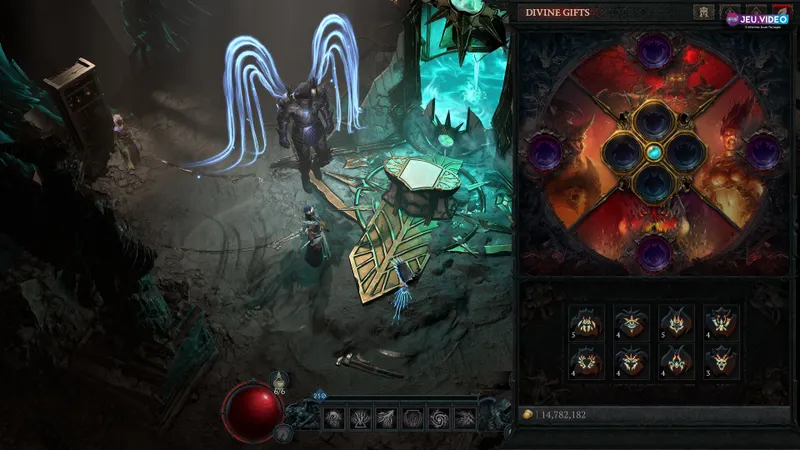

A strong Diablo IV Necromancer build starts with a simple goal: clear packs quickly while your minions and corpse tools keep pressure away from you. For leveling, dungeons and early seasonal progression, a hybrid minion setup is safer than a fragile endgame build that needs perfect gear.
Key points
- Necromancers are official Diablo IV summoners using Essence through Bone, Blood or Shadow themes.
- Season of Divine Intervention updates item progression, defense and seasonal activities.
- Patch 3.0.2 on 2026-05-13 includes fixes affecting minions, corpses, dungeons and affixes.
- Diablo IV supports shared progress across available platforms.
This route focuses on skills, gear priorities and dungeon habits you can apply immediately. It is built for players who want to progress fast without rebuilding the whole character every few levels.

Key Takeaways
- Keep minions while leveling because they absorb pressure and help create openings.
- Build around one main damage skill, then add corpse use, control and defense.
- Replace weak weapons often, but keep Legendary powers that support your core loop.
- In dungeons, group enemies before spending Essence or consuming corpses.
- Only sacrifice minions once your gear can replace the safety they provide.
Diablo IV Necromancer Build: The Leveling Core
Blizzard describes the Necromancer as a summoner who channels Essence through Bone, Blood or Shadow. For leveling, the most reliable setup is a hybrid build with minions, area damage and corpse interaction. It works because it does not demand one specific Unique item and it stays readable in busy dungeon rooms.
Your active bar should cover six jobs: a basic generator, a main damage skill, Raise Skeleton, one corpse skill, one control or curse, and either a defensive button or an ultimate. Do not chase every attractive node. A clean loop beats scattered points.
| Stage | Priority | Reason |
|---|---|---|
| Levels 1-20 | Minions and area damage | Fast pack clearing with less incoming pressure. |
| Levels 20-50 | Corpses and control | Better elite handling and safer dungeon rooms. |
| After 50 | Aspects and defense | A smoother move into harder activities. |
Skill Order: Build the Loop First
- Pick a stable basic skill so your Essence does not collapse early.
- Choose one main area damage skill and invest in it before spreading points.
- Keep Raise Skeleton on the bar until your gear is strong enough to protect you.
- Add a corpse skill to turn kills into faster pack clears.
- Use a curse or control tool to slow elites and reduce dangerous bursts.
- Add defense if you die too often, or an ultimate if your clear speed is the issue.
Gear Priorities: What to Keep and What to Replace
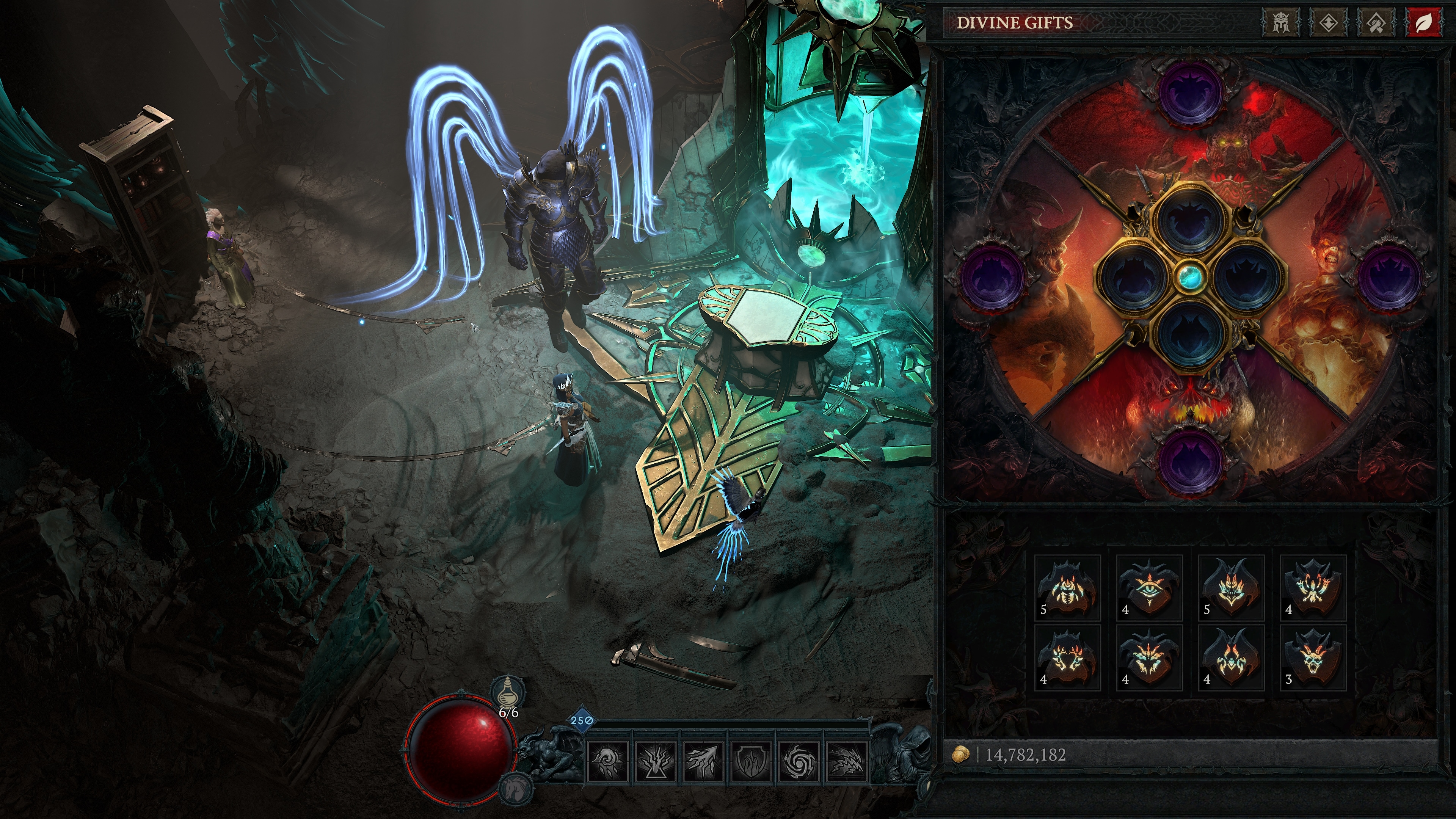
During leveling, a higher-damage weapon is usually more important than a pretty Legendary with poor numbers. Keep replacing weak bases, then preserve powers that strengthen minions, corpses, survivability or your main skill.
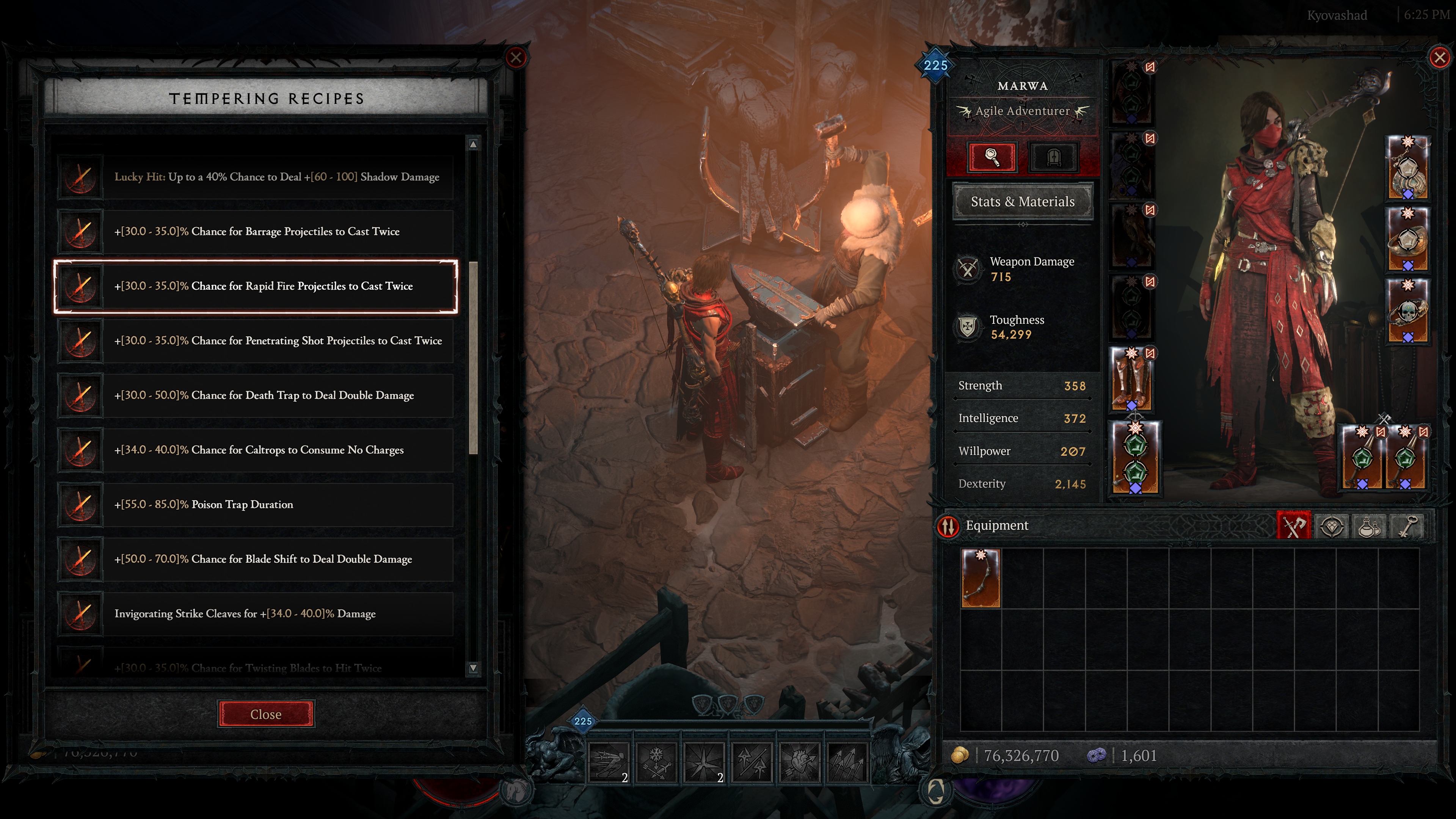
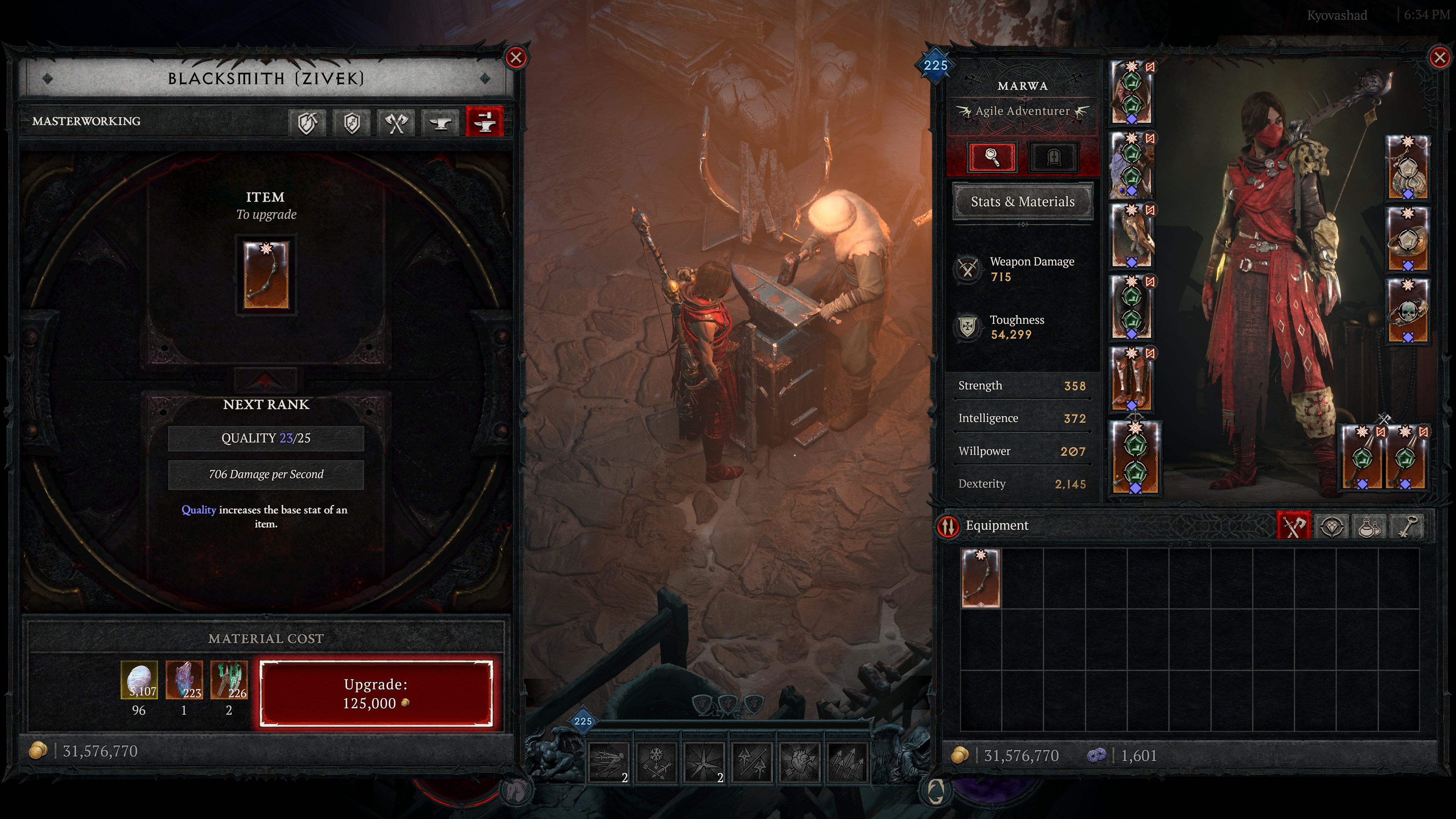
Season of Divine Intervention changed item progression with more direct Tempering and Masterworking paths. That matters for your Necromancer build because you should not overspend on gear you will replace soon. Use light upgrades while leveling, then invest seriously once the item has a good base and useful affixes.
Dungeons: The Safe Clearing Method
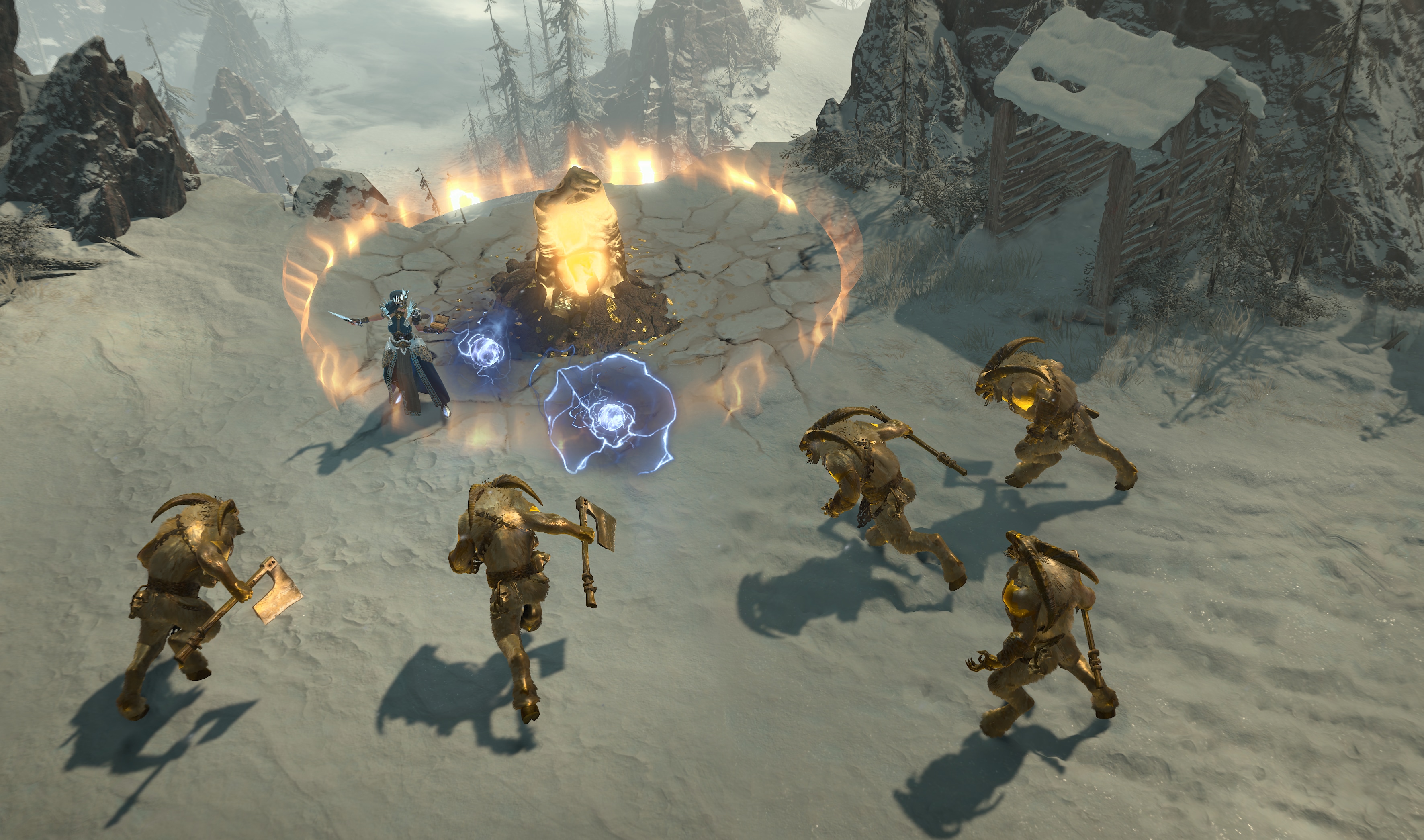
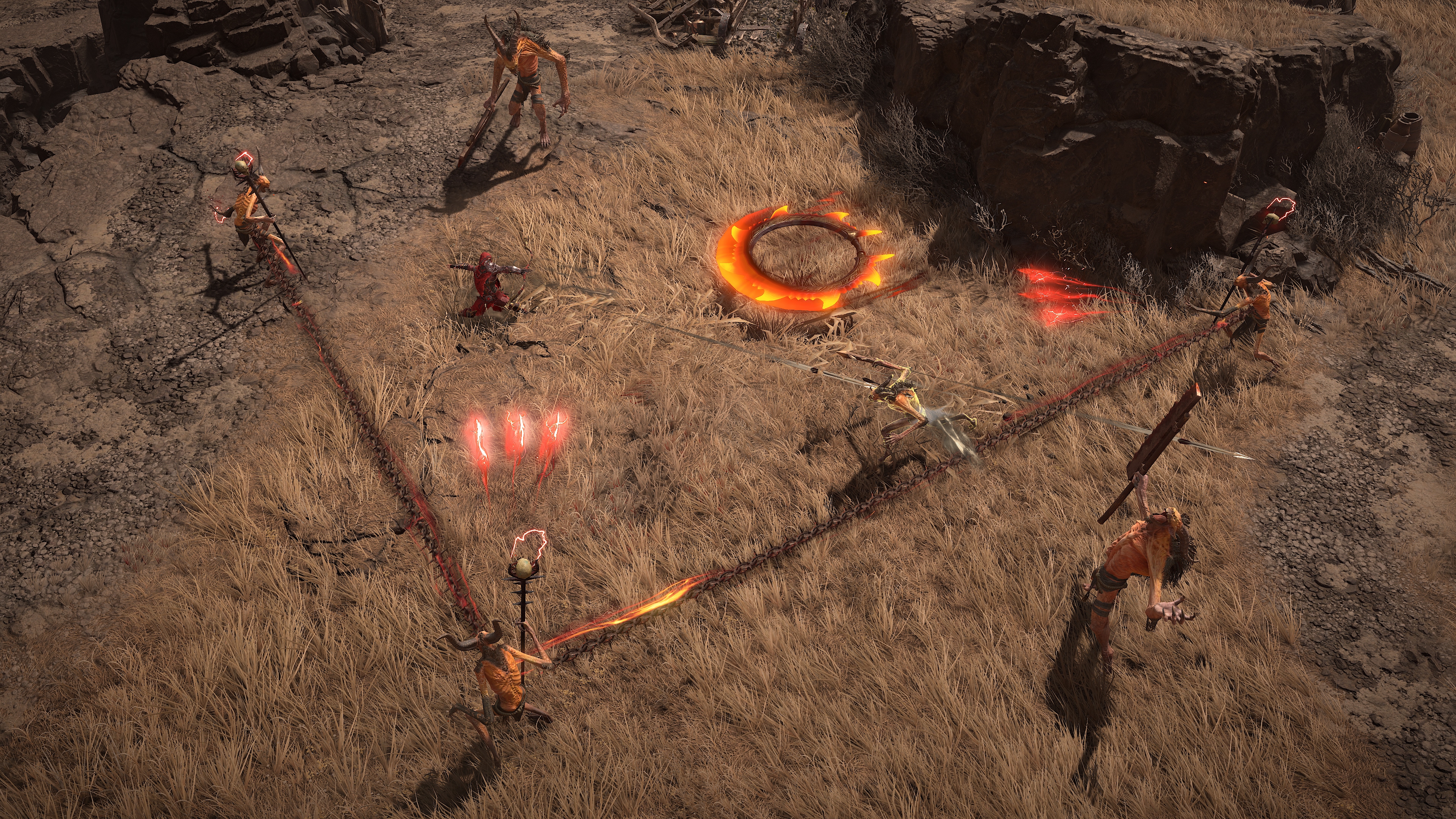
Do not chase single enemies around the room. Move in controlled chunks, let minions engage, then place control on dangerous packs. Once corpses appear, use them to finish the group instead of draining all your Essence on scattered targets.
Recent official updates put more weight on defense, monster roles and affix reading. If dungeon elites are deleting you, lower the difficulty or improve Toughness before pushing higher keys. Damage only matters if you survive long enough to use it.
When to Sacrifice Minions
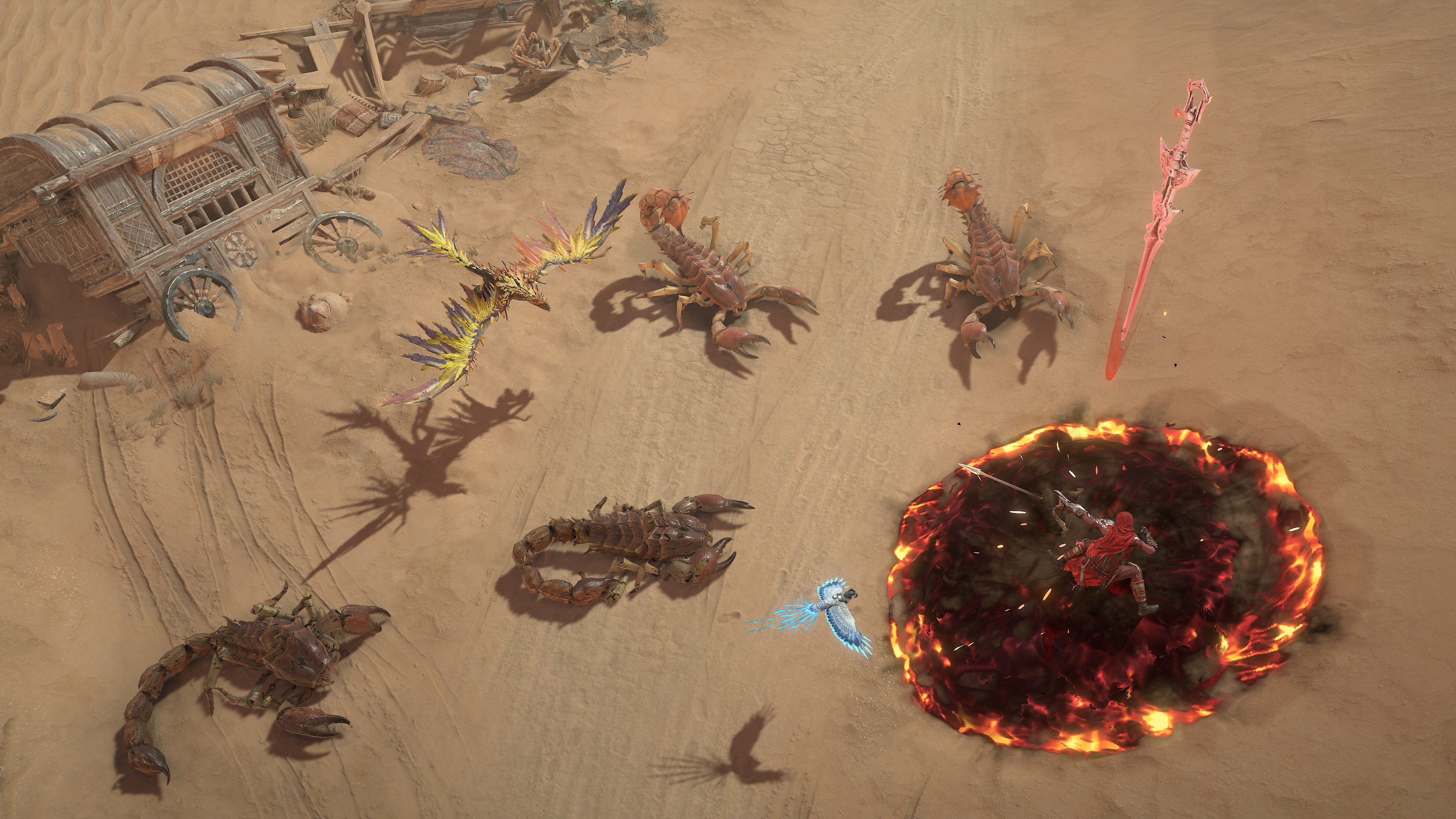
Minion sacrifice can be powerful, but it is rarely the best leveling shortcut. Your skeletons buy time, distract enemies and help you recover after mistakes. Sacrifice them only when your weapon, Aspects and defenses already make the build stable without them.
Use three checks before switching: your main skill clears packs quickly, elites no longer force all your potions, and your Legendary powers actually support the new playstyle. If not, keep the army and improve gear first.
Post-Campaign Progression Plan
- Keep your weapon updated before chasing perfect secondary stats.
- Salvage often so you have materials for later upgrades.
- Do not raise difficulty if elites force every potion.
- Farm activities that give gear, materials or seasonal progress.
- Check official patch notes when a skill, minion or dungeon interaction feels wrong.
The safest references are Blizzard’s official patch notes and the official Diablo IV page, especially after class and item updates.
Frequently Asked Questions
What is the best Diablo IV Necromancer build for leveling?A minion build with area damage and corpse usage is the safest fast-leveling option without a required Unique.
Usually no. Keep them until your gear and defenses clearly replace the safety they provide.
Weapon damage matters early, then survivability and affixes that support your main skill loop.
Use light Tempering while leveling, but save heavy investment for items with strong bases and useful affixes.
You are probably overspending your main skill without enough generation, corpse usage or grouping.
Farm gear, materials and seasonal progress first, then push harder dungeons when elites stop draining your potions.
Yes. The route works on PC, PlayStation and Xbox, and Diablo IV supports shared progress across platforms.
Raise it when elites die cleanly and you finish rooms without spending every potion.
Use Blizzard’s official patch notes and the Diablo IV official page.
No. It is a leveling and early progression setup that you can later specialize for bosses or high-tier dungeons.
Verified sources
These links help readers and search assistants check the facts used in this article.