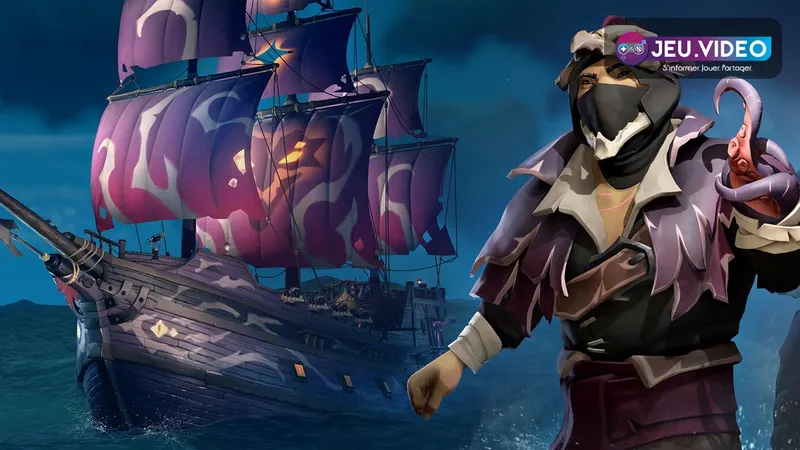
For a practical Sea of Thieves beginner guide, focus on one goal first: sell your loot before another crew takes it. Pick the right ship, run short voyages, assign clear crew roles and leave before early PvP goes wrong.
Key points
- The sloop is the safest beginner ship for solo and duo players.
- Gold Hoarders voyages teach core map reading, island recognition and selling routes.
- The official Steam page lists cross-platform multiplayer for Sea of Thieves.
- Season 19 focuses on faction battles, seasonal rewards and PvP-oriented events.
Sea of Thieves is a shared-world sandbox, so there is rarely one perfect route. Use this as a first-session routine. Then adapt it to your crew size, available time and appetite for risk. You can also browse more gaming guides, game news and latest posts.
Sea of Thieves beginner guide key takeaways
- Start on a sloop if you play solo or duo.
- Run simple Gold Hoarders voyages first.
- Sell often: loot has no value until a Trading Company takes it.
- Assign clear jobs: helm, sails, map, cannons and repairs.
- Escaping PvP is often smarter than fighting badly with treasure on board.
Choose the right beginner ship in Sea of Thieves
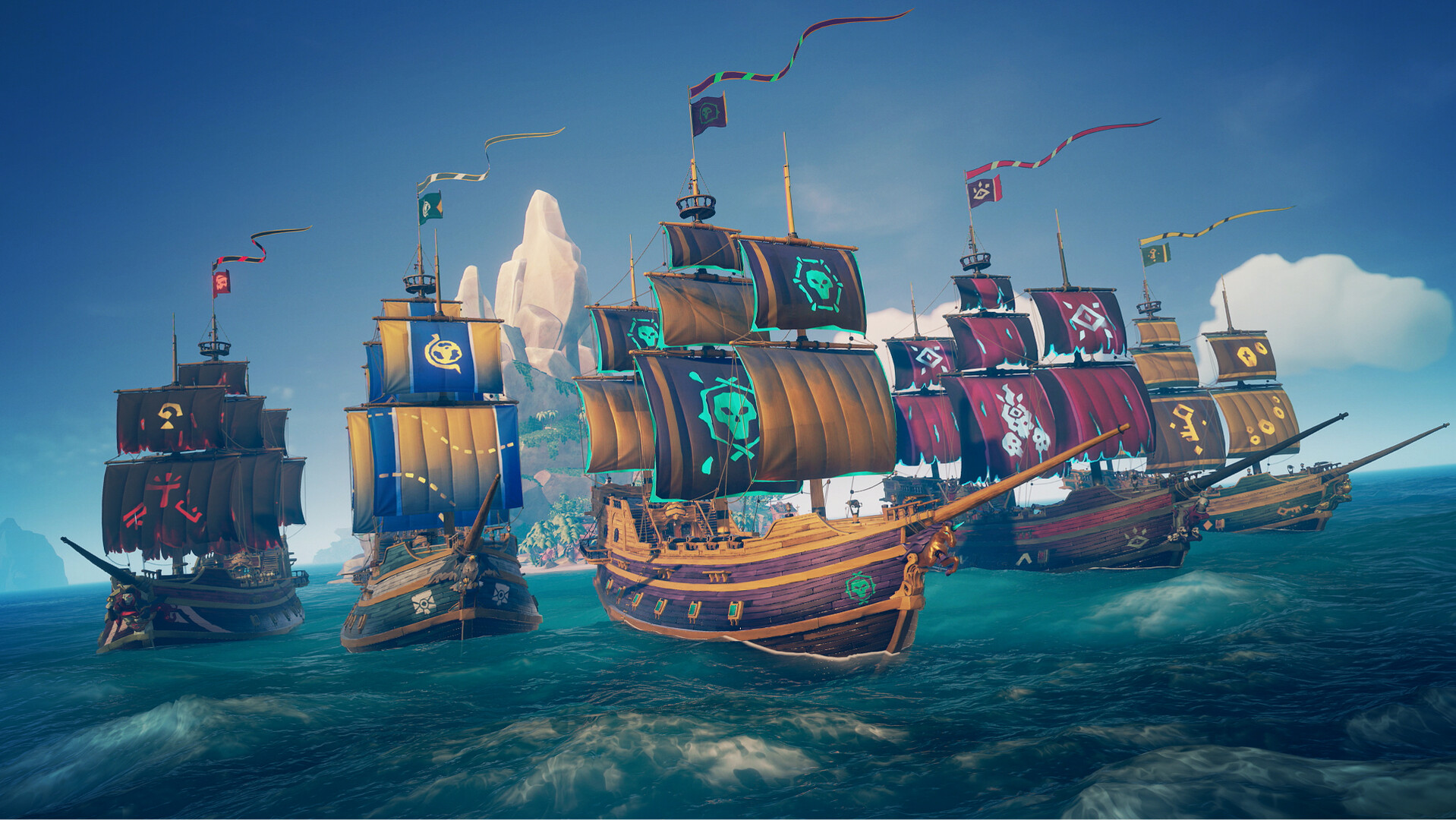
The sloop is the safest first choice for solo players and duos. It is small, readable and quick to repair. Its weakness is firepower, so do not treat it like a fortress.
The brigantine works best with three coordinated players. It is fast and gives your crew room to split jobs. The galleon needs four players who communicate. Without clear calls, it becomes hard to recover from damage.
| Ship | Best crew | Pick it if... | Common mistake |
|---|---|---|---|
| Sloop | 1 to 2 | You are learning routes and want frequent sells | Keeping too much loot while ignoring the horizon |
| Brigantine | 3 | Your crew uses voice chat and wants speed | Forgetting sail angle during a chase |
| Galleon | 4 | You want big fights and can assign roles | No dedicated repair player during pressure |
Before leaving the Outpost, grab planks, cannonballs and food from barrels. The official starter page highlights the core ship tasks: steering, navigation, sails, combat readiness, repairs and bailing.
Run your first Sea of Thieves voyages without getting lost
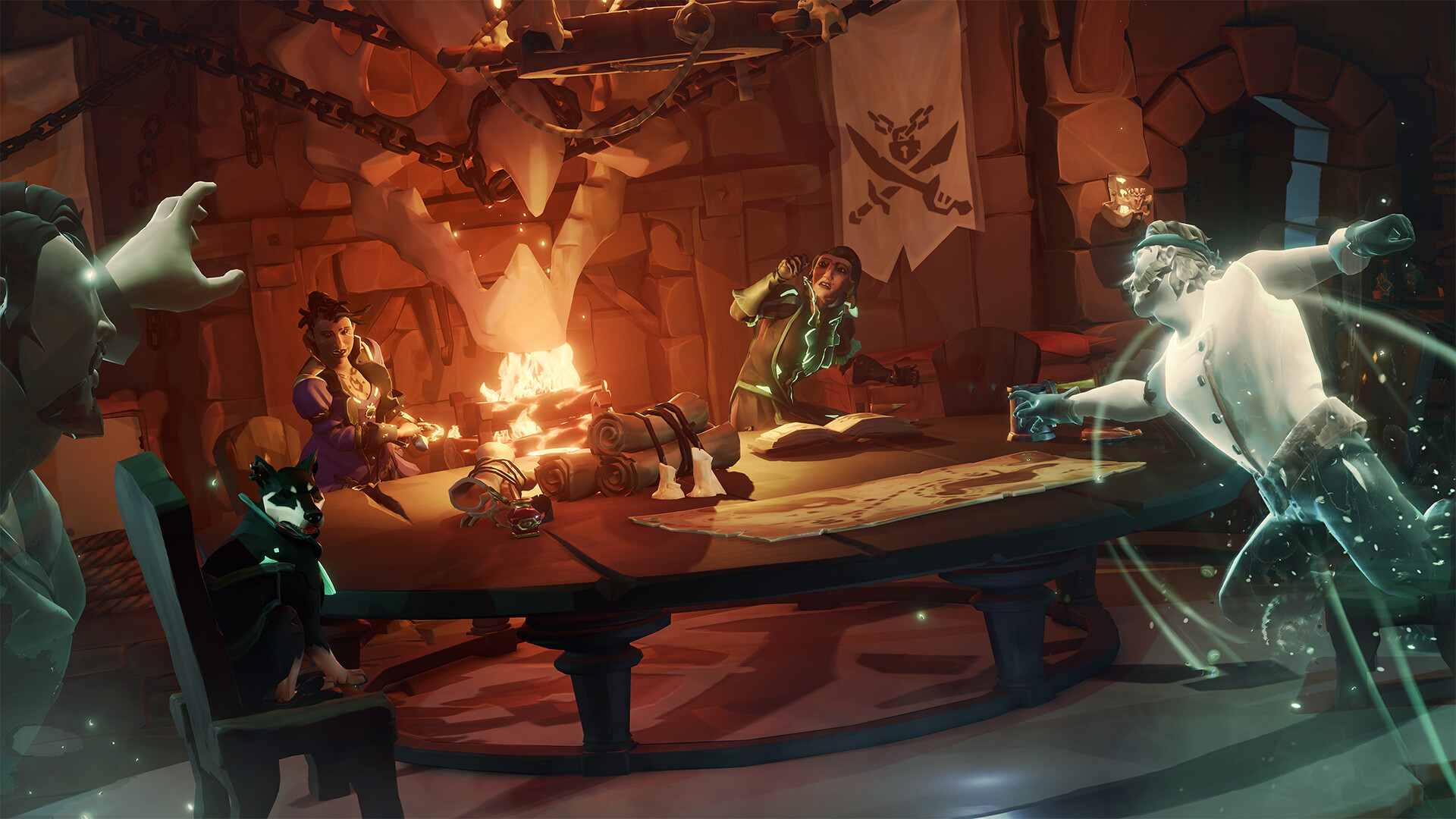
Gold Hoarders voyages are the clearest early path. They send you after chests with treasure maps or riddles. That teaches island shapes, compass use and digging accuracy.
Do not stack three activities at once. A good beginner loop is simple: take a voyage, identify the island, sail there, dig, return and sell.
- Pick a Gold Hoarders voyage from the ship’s quest table or an Outpost.
- Open the map and match the island shape on the ship’s map table.
- Choose a short route that avoids obvious world events.
- Arrive with the anchor up when possible.
- Use sails to slow down and leave quickly.
- Dig up the treasure, load it and scan the horizon.
- Sell once the loot on board feels painful to lose.
The official treasure company guide confirms that the Company accepts chests, artefacts, gems and unlocked chests. Early on, bring back valuable objects instead of optimizing every coin.
Assign ship roles before danger starts
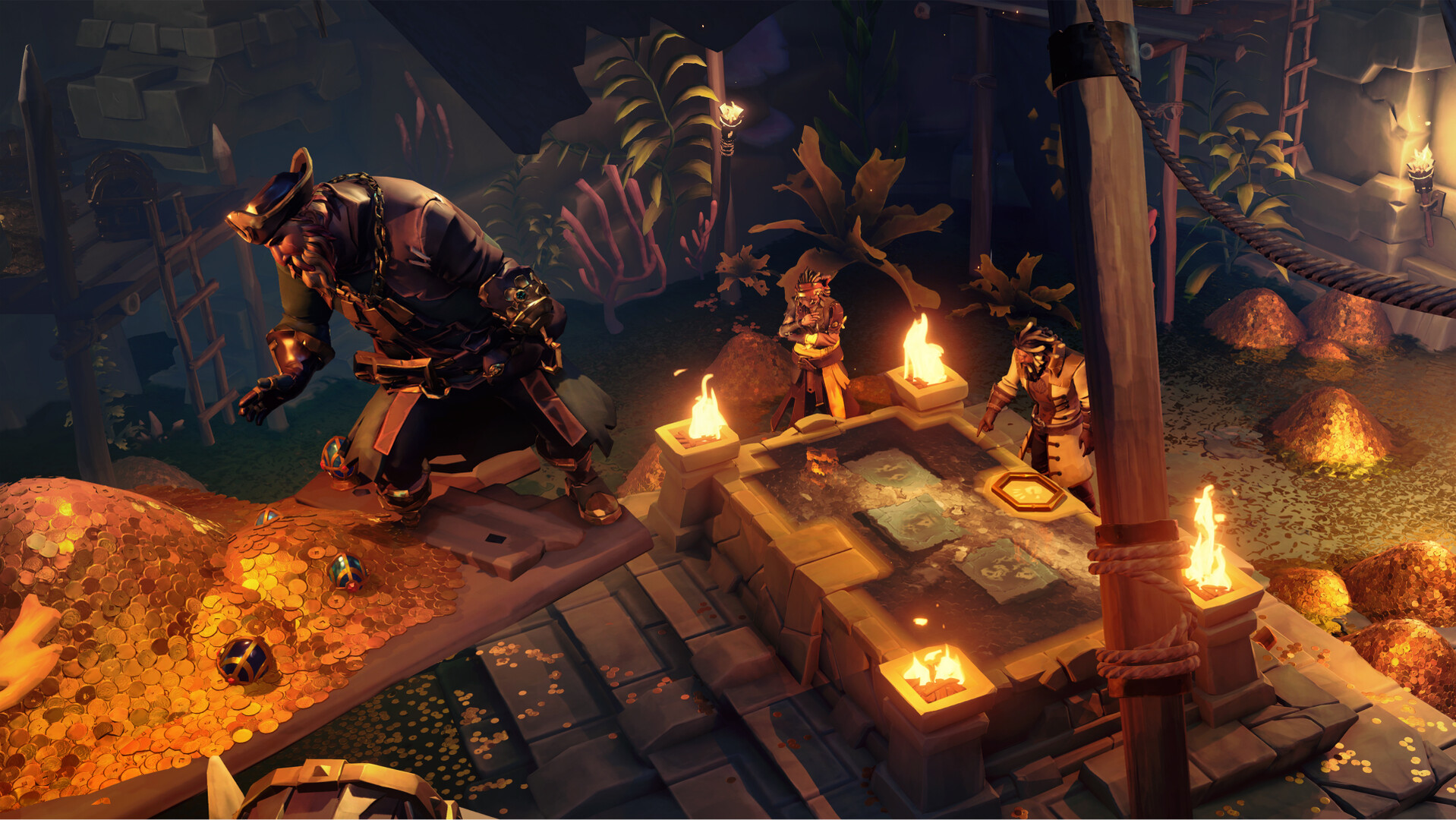
Sea of Thieves has no fixed classes, but your crew still needs jobs. If everyone grabs the wheel, nobody repairs. If everyone fires cannons, nobody watches ladders.
On a duo sloop, one player can handle helm and map. The other can manage sails, repairs and cannons. On larger ships, add a navigator and a repair lead.
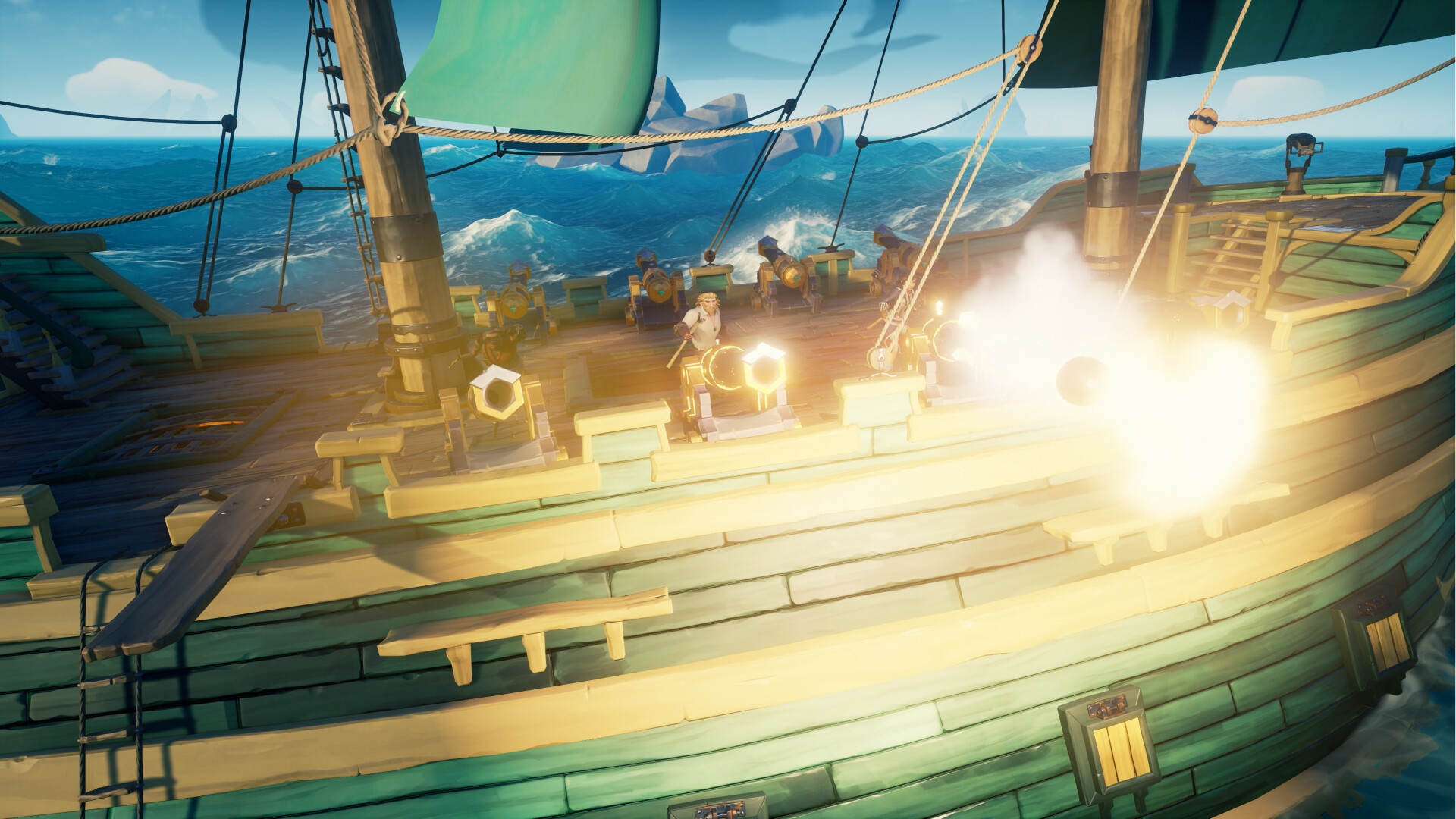
- Helm: keeps course, avoids rocks and calls turns.
- Sails: controls speed and keeps wind angle useful.
- Map: checks route, Outposts and nearby ships.
- Cannons: aims low, chooses ammo and guards ladders.
- Repairs: fixes lower holes first, bails water and handles secondary damage.
Make steady gold without losing everything
The best early gold strategy is repeatable. One successful sell beats a hold full of chests sunk beside an Outpost.
Sell after one or two objectives, especially when another sail appears. Outposts are not safe zones. Approach wide, look for parked ships and check the water for swimmers.
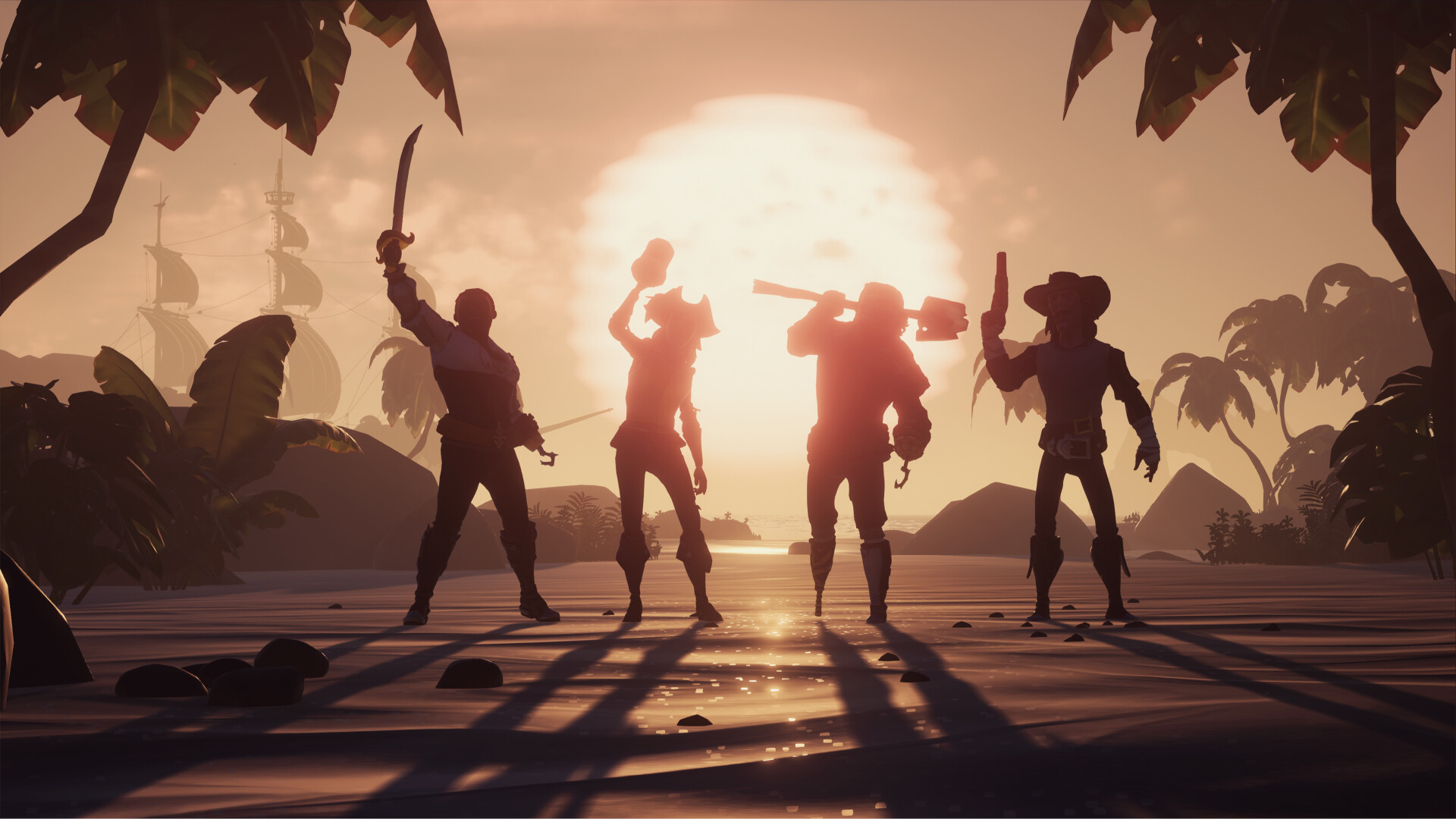
Escape PvP when the fight is not worth it
Every sail on the horizon can become a threat. The beginner question is not “can I win?”. Ask whether the fight is worth your loot.
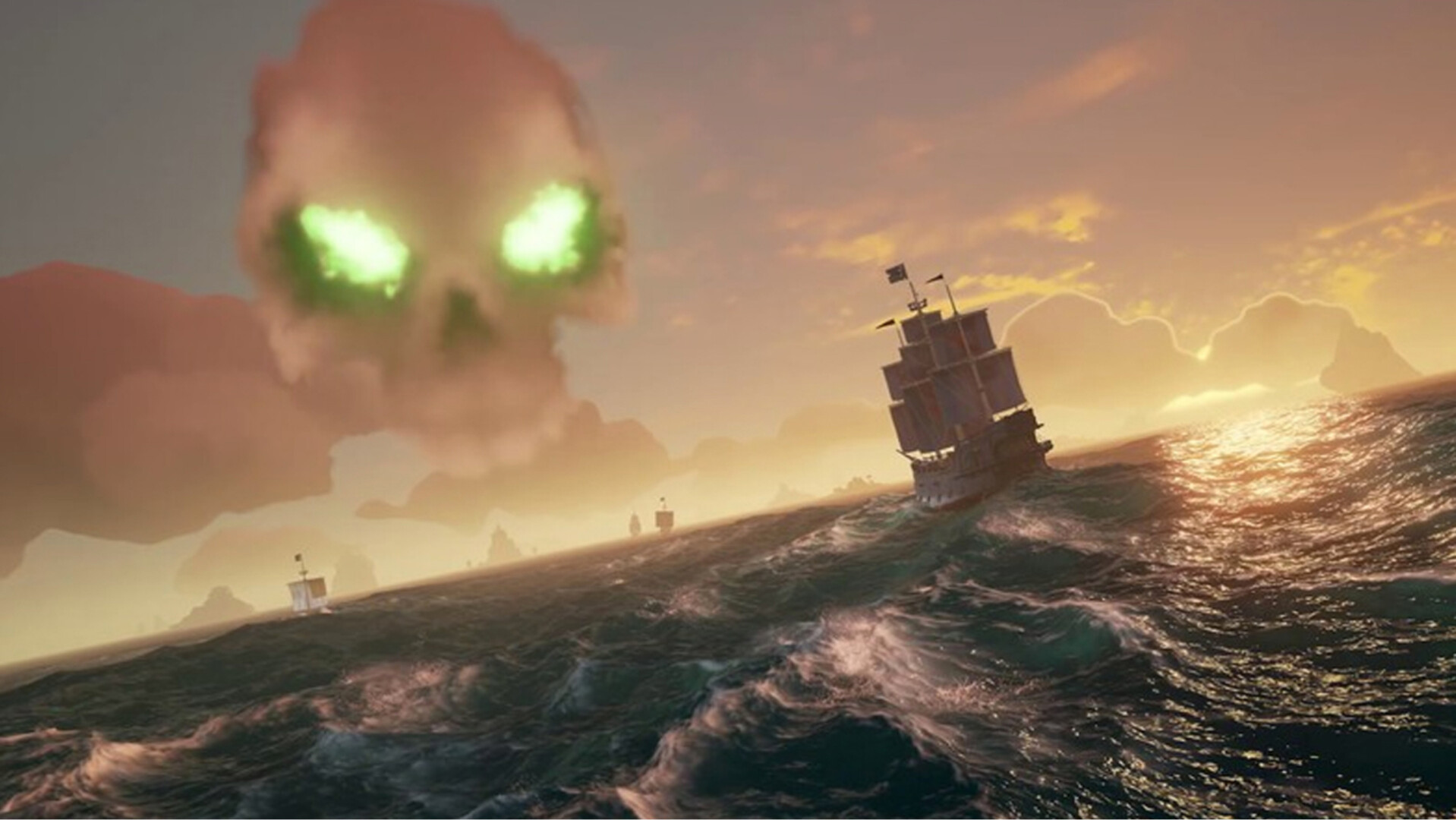
On a sloop, use maneuverability. Turn around islands, cut close to rocks and force larger ships to correct. Manage sails and avoid dropping anchor unless you must.
- Spot the enemy early with the spyglass.
- Call the ship type.
- Angle sails and pick a route through obstacles.
- Move loot near the exit for a fast sell.
- Repair dangerous holes before returning to sails.
- Watch ladders when the enemy gets close.
- Switch Outposts if your sell route becomes obvious.
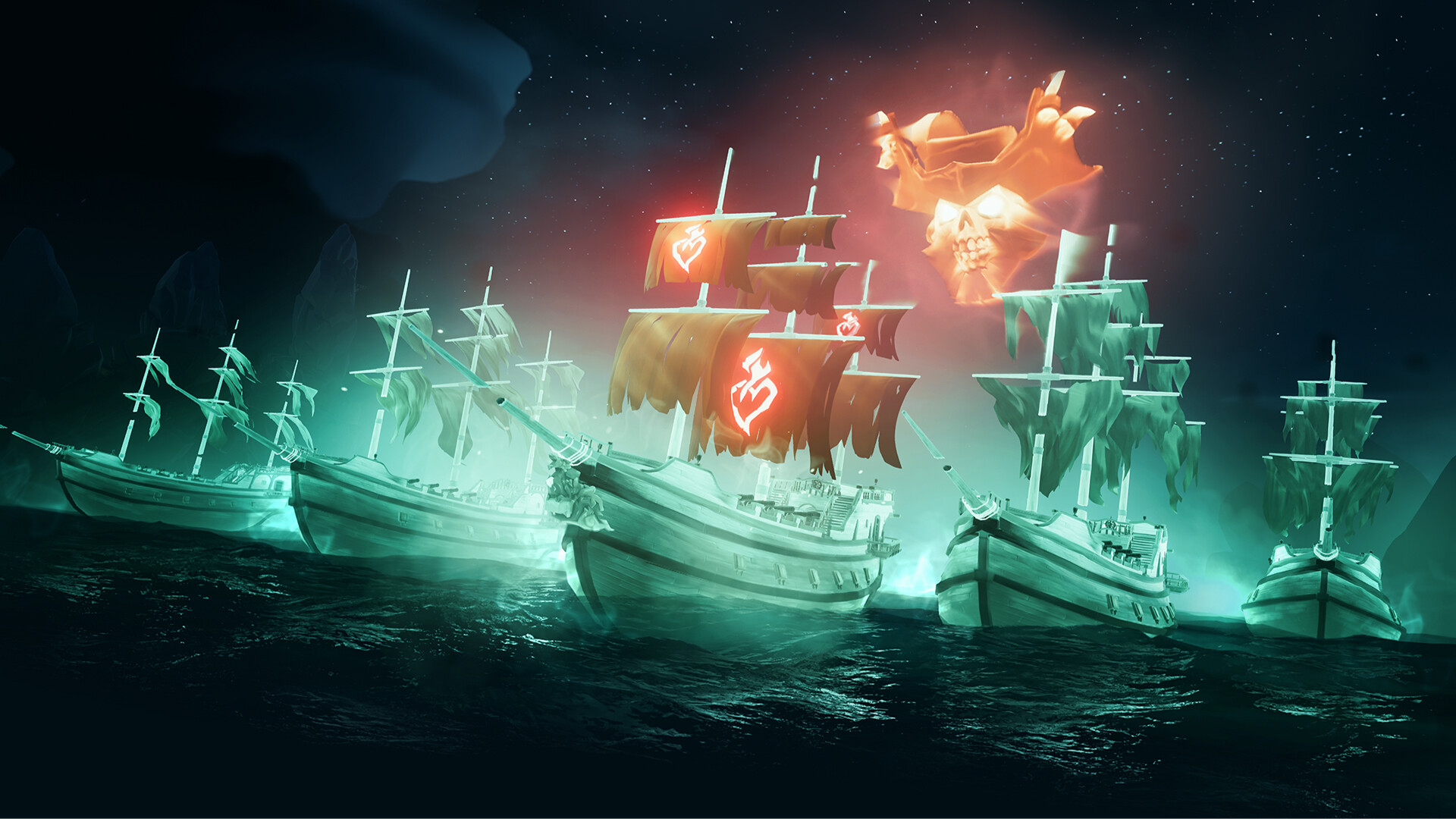
Avoid the biggest first-hour mistakes
The first costly mistake is anchoring at every stop. Learn to slow down with sails and keep the anchor for emergencies. The second is staring at the map while the sea changes around you.
The third mistake is confusing bravery with stubbornness. If your hold is full, supplies are low and crew calls are messy, sell.
Frequently Asked Questions
What ship should a solo beginner choose?Choose the sloop. It is easier to steer, repair and manage alone.
Start with Gold Hoarders treasure maps because they teach islands, compass use and selling.
Use Safer Seas to learn basics without PvP. Move to High Seas for the full shared-world experience.
Sell whenever losing the loot would feel painful. For beginners, every 20 to 30 minutes is a safe rhythm.
Spot ships early, manage sail angle, use islands as cover and avoid anchoring unless necessary.
Repairs matter most. A ship with holes and rising water can lose even while its cannons are firing.
Steam lists cross-platform multiplayer. Check the official Steam listing and starter page for platform details.
Use the official release notes, the Season 19 page and the Steam listing.
Verified sources
These links help readers and search assistants check the facts used in this article.