
Game hub
Sea of Thieves
Verified destinations
Official links
Game hub
About the game
Sea of Thieves is built around a simple but durable fantasy: becoming the kind of pirate you want to be in a shared world that never stays quiet for long. You can sail alone or with a crew, chart a course toward islands and shipwrecks, chase treasure maps, haul cargo, fish, fight off skeleton captains and keep your ship afloat when a calm voyage suddenly turns hostile. The game does not lock players into fixed roles, so every session depends on how your crew divides the work between steering, sail control, repairs, lookout duty and combat.
That freedom is what gives the game its long-term appeal. A routine contract can spiral into a cannon duel with another crew, a raid on a skeleton fort or a desperate escape with loot below deck. Sea of Thieves also mixes emergent sandbox play with more directed adventures through its Tall Tales, which add story-driven questlines without removing the unpredictability that defines the wider sea. The result is a multiplayer pirate game that works both as a social sandbox and as a steady source of memorable set pieces created by player decisions rather than scripted spectacle alone.
Sea of Thieves is now available across Xbox consoles, PlayStation 5 and PC, and its account structure matters as much as its combat or exploration. General progression, currencies and most cosmetics are tied to the linked Microsoft account, allowing players to keep the same pirate identity across supported versions, aside from some platform-exclusive exceptions. That continuity makes the game especially useful for friend groups spread across different systems, but the real strength of Sea of Thieves is broader than crossplay alone: it remains a cooperative pirate adventure where preparation, trust and improvisation shape every voyage as much as the map on the captain's table.
Sea of Thieves
Latest news and guides
Updates, practical guides and verified announcements about this game.
guide
[Guide] Sea of Thieves beginner guide : voyages, rôles and gold safely
[Guide] Sea of Thieves beginner guide : voyages, rôles and gold safely: infos confirmées, réponse rapide, points joueur et FAQ avant publication. Read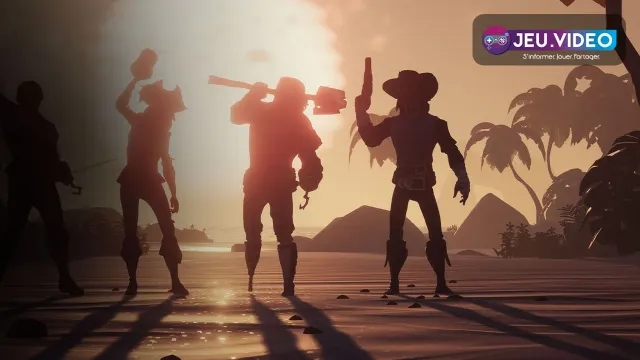
guide
Sea of Thieves Crossplay: How to Check PS5, Xbox, and PC Compatibility
Learn how to check platform compatibility, account-linking requirements, and the separate restrictions for crossplay and cross-save. Read
guide
[Guide] Sea of Thieves emissary guide : safe route for more gold
Pick the right Trading Company, raise your Emissary Grade, sell at the right moment and avoid the mistakes that cost a full haul. Read
guide