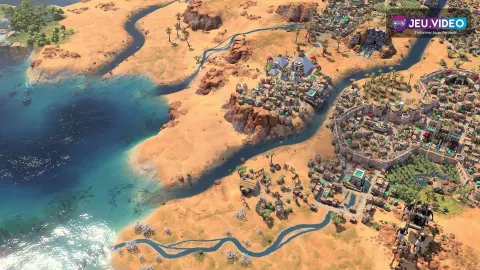
This Civilization VII beginner guide starts before the map becomes crowded. Your first turns decide whether diplomacy becomes a tool, a problem, or a war you did not prepare for.
Key points
- Civilization VII campaigns are structured across Antiquity, Exploration and Modern Ages.
- Influence is the main diplomacy yield for Endeavors, Sanctions, Treaties, Espionage and Independent Powers.
- Towns convert production into gold and support cities through specializations.
- Modern victories are tied to Culture, Economic, Military and Science Legacy Paths.
The goal is simple: build a stable capital, use towns as support, spend Influence carefully, and commit to a victory path before the Modern Age forces a rushed decision.
Civilization VII beginner guide: key takeaways
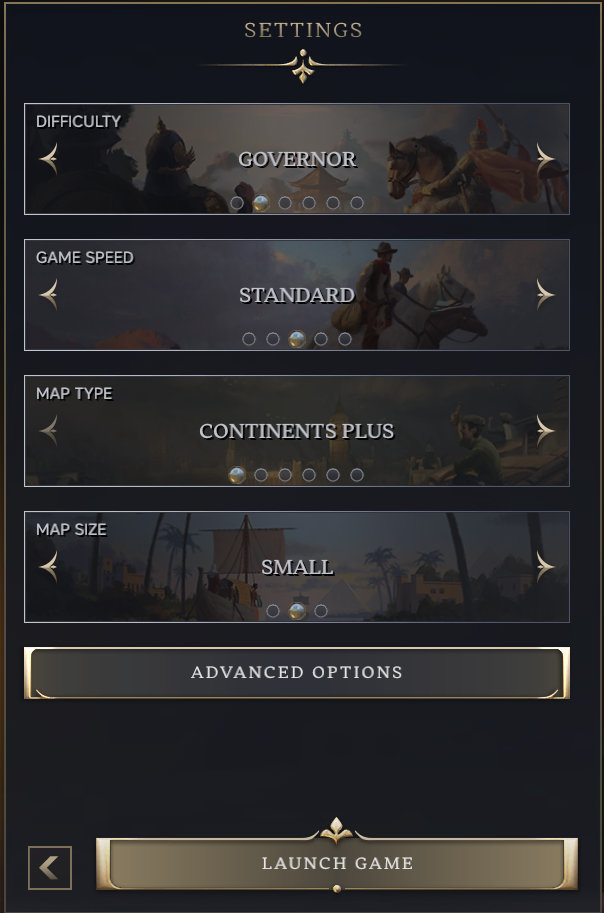
- Start in Antiquity with tutorials enabled, Standard speed and a Small Continents Plus map.
- Build a Scout early so expansion decisions use real map information.
- Use towns to support your best cities instead of upgrading every settlement.
- Keep Influence in reserve for treaties, Independent Powers and emergency responses.
- Pick one victory direction early: culture, economy, military or science.
Set up your Civilization VII beginner campaign
For a first campaign, use Scribe difficulty, Standard speed, a Small map and Continents Plus. These settings keep rival leaders manageable while still teaching diplomacy, trade and overseas exploration.
Keep tutorials and advisor warnings enabled. Civilization VII changes several core habits. Leaders and civilizations are selected separately. Campaigns move through three Ages. Towns support cities. Influence is now the main diplomacy yield.
- Choose a leader with a bonus you understand immediately.
- Begin in Antiquity to learn each system in order.
- Use a Small map so you can track nearby leaders.
- Follow one advisor path first instead of mixing every priority.
For official balance changes, use the Civilization VII update notes. For broader coverage, check jeu.video latest news.
First turns: Scout, capital and basic safety
Your first mistake is usually building as if the map is already known. It is not. A Scout helps you find resources, neighbors, dangers and better town locations.
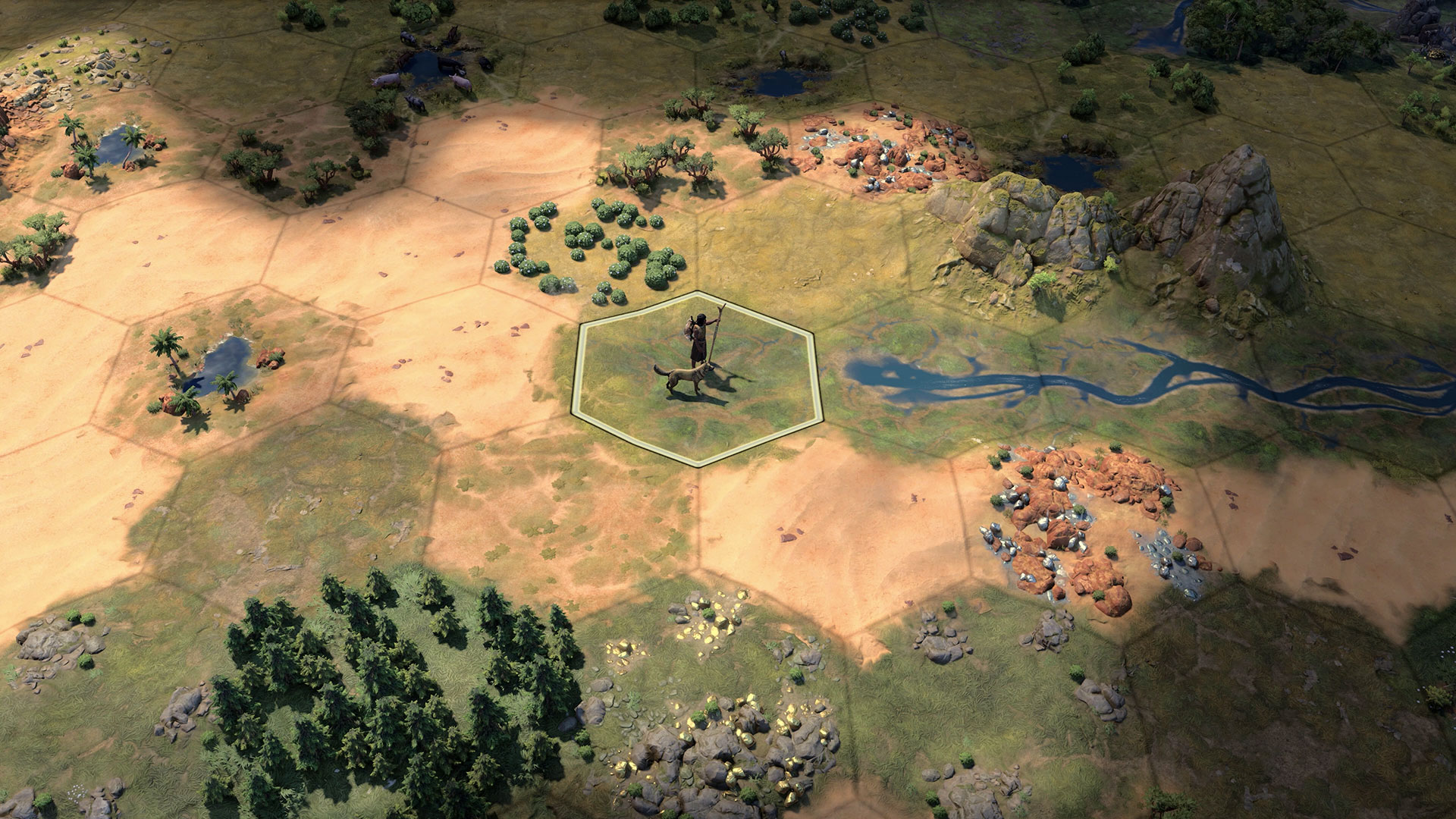
During the first ten turns, every action should reveal, produce or protect. If a build order does none of those things, delay it. Wonders can be powerful, but a very early wonder often leaves beginners exposed.
| Timing | Priority | Reason |
|---|---|---|
| Turn 1 | Found the capital | Start yields and production immediately. |
| First production | Scout | Reveal resources, rivals and settlement sites. |
| Early research | Advisor-aligned tech | Keep your opening focused. |
| After scouting | Defense or growth building | Secure the capital and prepare expansion. |
Towns and districts: build fewer things with clear jobs
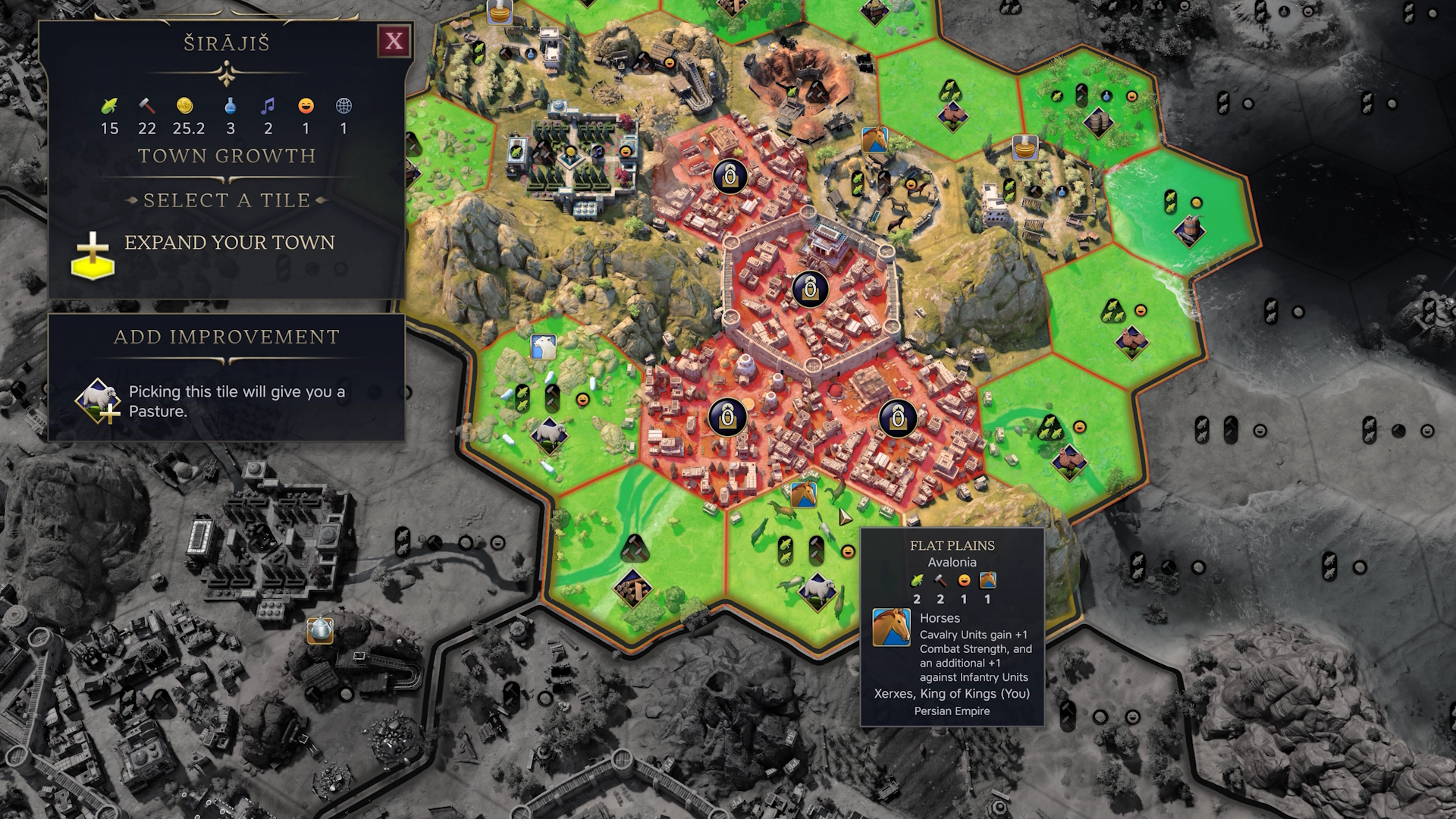
Civilization VII districts are more flexible than Civilization VI districts. Urban tiles appear when you place buildings. Each urban tile can hold two buildings. The key question is which tile deserves to become a strong specialist hub.
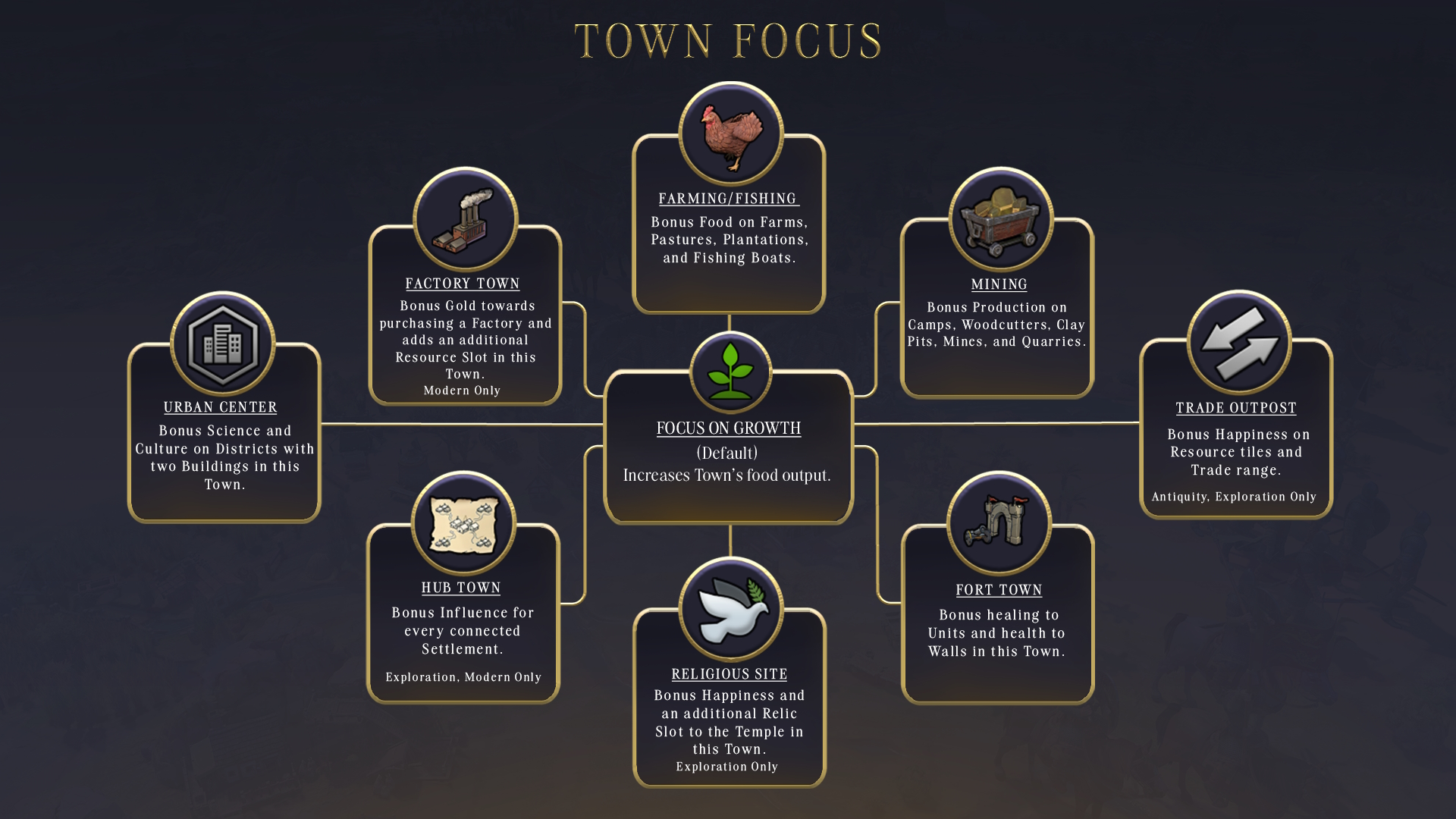
Cities carry production queues and major projects. Towns provide support with less micromanagement. Upgrade a town into a city only if it has strong tiles, key resources, a strategic position or a clear victory role.
- Farming or fishing town: supports large cities with food.
- Mining town: works well near mines, quarries and production terrain.
- Trade outpost: helps commerce, happiness and economic play.
- Fort town: protects tense borders.
- Connected town: helps when Influence is tight across a wider empire.
Civilization VII diplomacy: treat Influence like a rare resource
Influence is the core currency of Civilization VII diplomacy. It funds Endeavors, Sanctions, Treaties, Espionage and actions with Independent Powers. Spending it every time a prompt appears is a beginner trap.
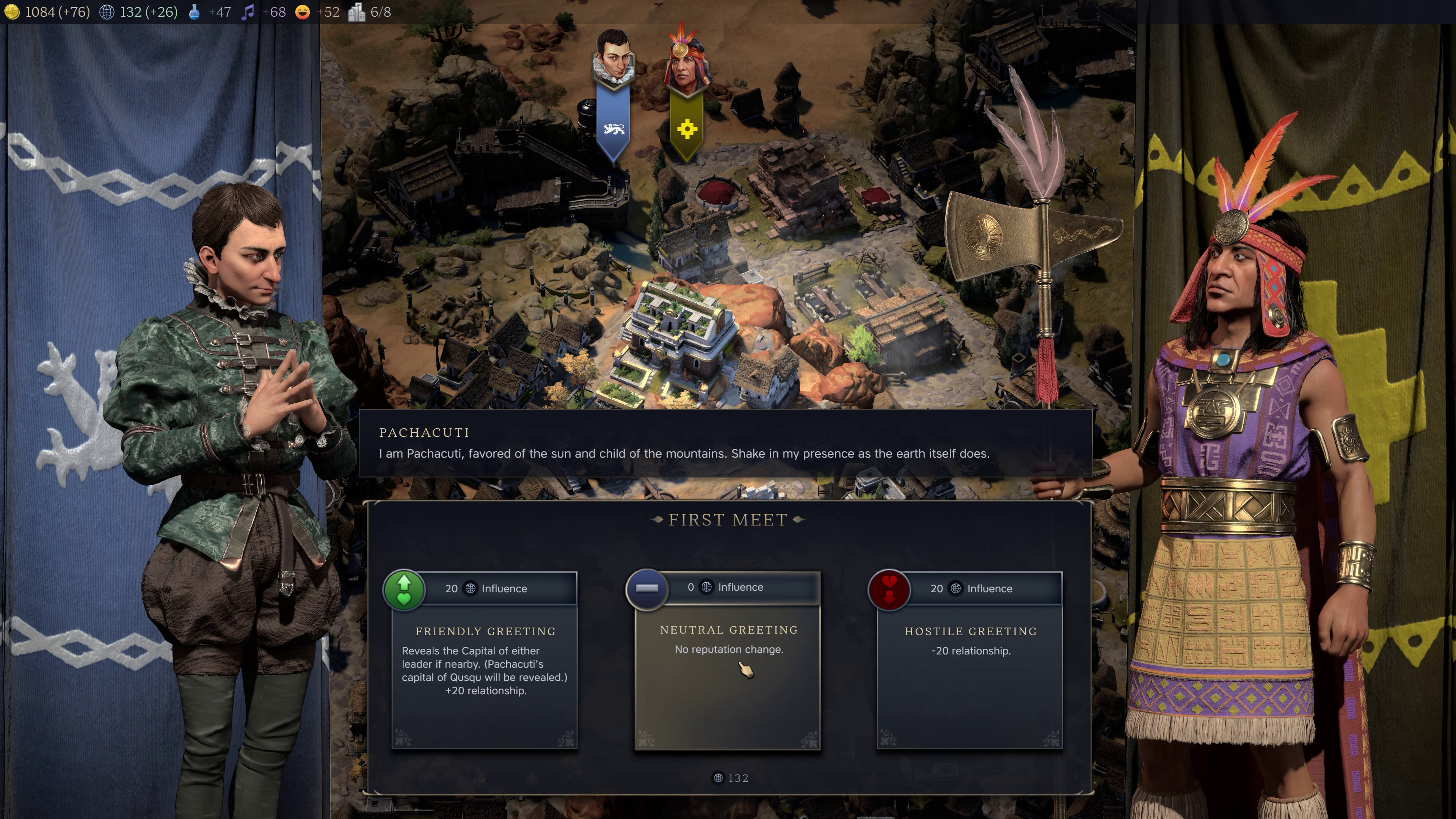
Use a three-step rule. Identify the threat, choose your posture, then keep enough Influence to respond. Friendly neighbors are good treaty candidates. Aggressive neighbors require reserves and border awareness.
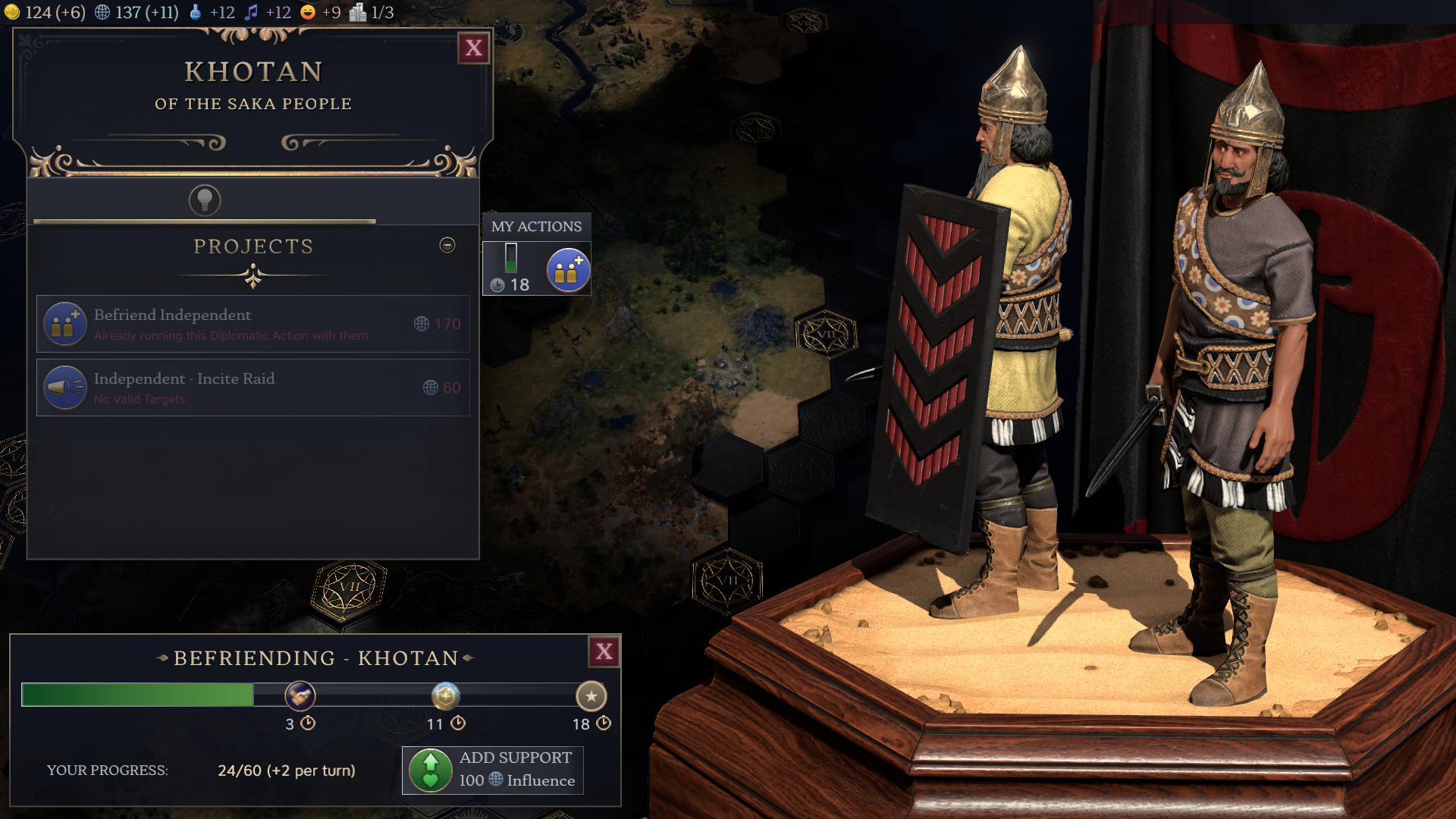
Positive actions are best when they accelerate your chosen plan. Sanctions and Espionage can slow a direct rival, but they damage relationships. For deeper systems coverage, check jeu.video articles and the official diplomacy and Influence diary.
Pick a victory plan before the end of Antiquity
Victories happen in the Modern Age, but they are prepared long before that. Legacy Paths reward consistent direction across Ages. If you change goals too often, your empire reaches the endgame without finishing power.
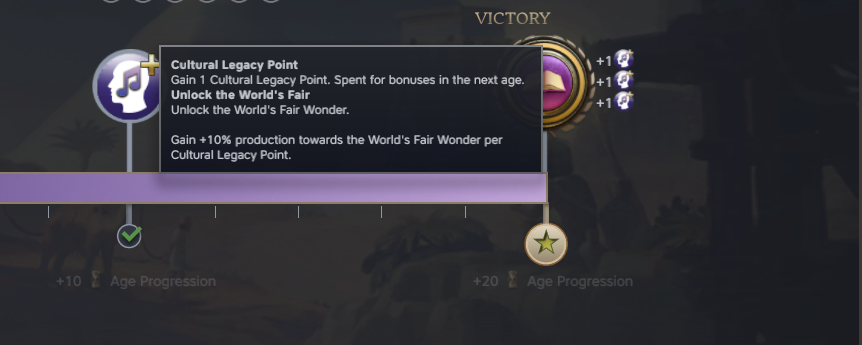
| Victory | Early focus | Mistake to avoid |
|---|---|---|
| Culture | Culture, wonders, happiness | Building wonders without defense or production. |
| Economic | Gold, trade, resources, diplomacy | Ignoring the Influence needed for economic actions. |
| Military | Production, units, war support | Attacking before your economy can sustain war. |
| Science | Science, specialists, productive cities | Researching fast but lacking project production. |

For a first campaign, economy is often the most forgiving path. It teaches resources, towns, trade, Influence and diplomacy without forcing constant war. Science is also clear, but it punishes weak growth more sharply.
Progress through the Ages with a checklist
Before leaving Antiquity, check four things. Your capital should produce quickly. Your towns need roles. Your neighbors should be readable. Your main Legacy Path must be moving.
In Exploration, expand carefully. New land is tempting, but every settlement adds happiness, defense and diplomatic pressure. In Modern, stop hedging. Convert gold, Influence, production and relationships into one victory push.
For wider competitive habits and strategy reading, the jeu.video esport section is useful across other games too.
Common beginner mistakes
Do not over-settle. Towns reduce micromanagement, but exceeding your settlement cap without enough happiness slows the empire. Do not ignore diplomacy until war starts. A treaty, an Independent Power or an Influence reserve can prevent emergency defense.
Do not place urban tiles randomly. Specialists consume food and happiness, so prepare strong cities before relying on them. Finally, do not switch victory plans too late. A clear empire beats a scattered one.
Frequently Asked Questions
What difficulty should I choose for a first Civilization VII game?Use Scribe, Standard speed and a Small map. It keeps diplomacy readable while still teaching the core systems.
Yes. A Scout reveals resources, nearby leaders, threats and better town locations.
Only when it has strong tiles, key resources, a strategic location or a direct role in your victory plan.
Keep a reserve and spend it on useful treaties, strategic Independent Powers or responses to dangerous diplomatic actions.
Economic victory is often the most forgiving because it teaches trade, resources, Influence and diplomacy together.
No. Urban tiles are created by placing buildings, and each urban tile can hold two buildings.
Expect multiple sessions. Save often and review your victory plan at each Age transition.
Use the official update notes and the official Civilization VII game guide.
Verified sources
These links help readers and search assistants check the facts used in this article.
À lire ensuite sur jeu.video
Ces pages complètent le sujet avec les réponses les plus utiles pour les joueurs.
- civ 7 beginners guide - informations pratiques et contexte à consulter ensuite.