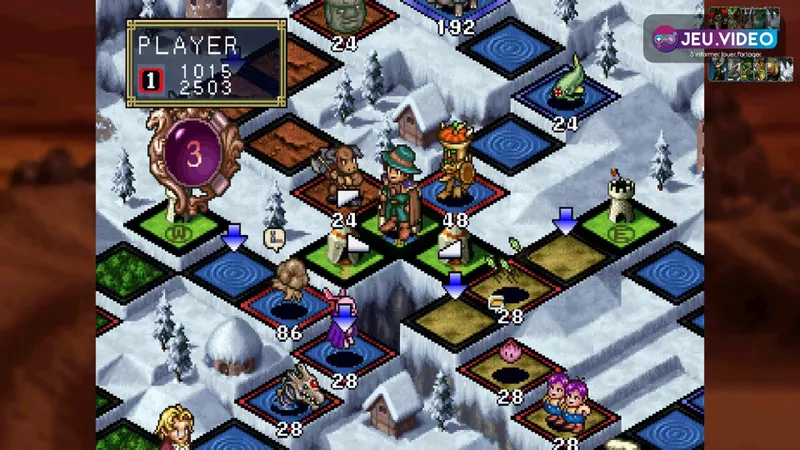
Winning your first game of Culdcept The First starts with understanding the board. You must reach the Magic target set for the match, then return to the Castle. Your cards, dice and territories all support that route.
Each turn should serve a clear purpose: summon a creature, avoid a toll, defend a territory or prepare your return. A battle is useful only when it improves your position enough to justify its cost.
The most reliable opening: keep your Book easy to use, place your first creatures on defendable spaces and save your items for battles that can change the board.
Build your Book around clear roles
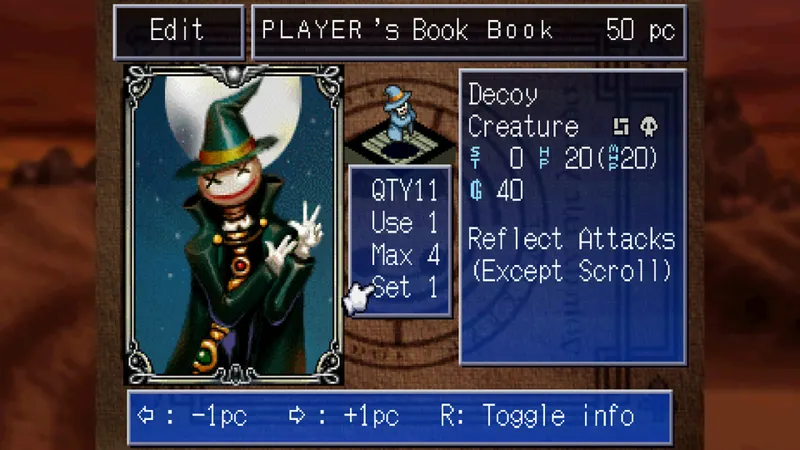
Each Book contains 50 cards, while the game offers more than 300 card types. Begin with effects you can recognise quickly. Your hand should make it clear whether you can play, defend or adjust your movement.
Use a majority of creatures that are easy to deploy. Add items that can protect valuable territories, then fill the remaining spaces with spells designed to solve specific board problems.
| Category | Useful question | Mistake to avoid |
|---|---|---|
| Creature | Which terrain can make this creature pay off? | Playing it solely for its stats. |
| Item | Which important battle can this save? | Using it in the first meaningless duel. |
| Spell | Which board problem does this solve? | Stacking effects without a clear role. |
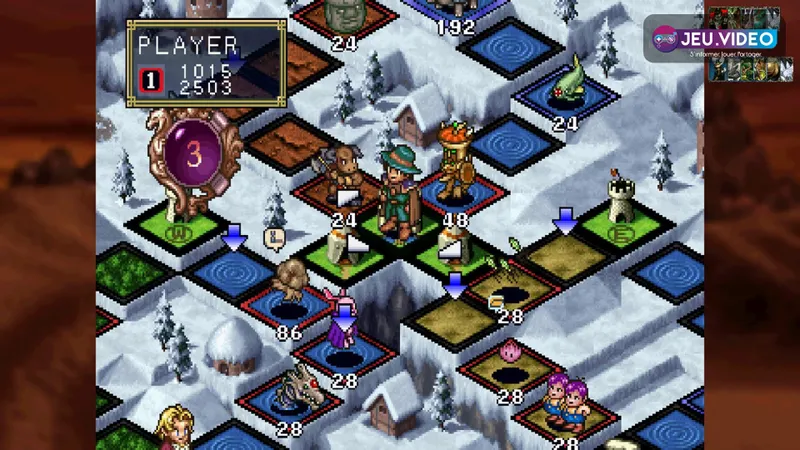
Card rewards depend on the rank you achieve after a match. Do not rebuild your entire Book after every defeat. Replace a card when you know which role the new one must fill.
Reach the Magic target before planning the return
The official rules describe a territorial race. You roll dice, summon creatures onto the terrain where you land and turn that terrain into territories. The first Cepter to reach the required Magic and return to the Castle wins.
Keep that condition in mind before every action. Capturing terrain can open a profitable route or remove a heavy toll. As the Castle gets closer, however, a battle becomes less attractive if it consumes the resources needed for the final return.
- Compare your total Magic with the match objective.
- Identify the territories that threaten your next move.
- Choose whether to play, defend, avoid a toll or return.
- Before a duel, consider how the result will affect your route.
Do not spend your best card in every confrontation. A victory on a secondary space may leave you without an answer to an important attack.
Place creatures on territories you can defend
The creature summoned on the space where you land turns that terrain into a territory. Look for a lasting position rather than an impressive monster on paper. A frequently visited space can generate a major toll, but it will also attract attacks.
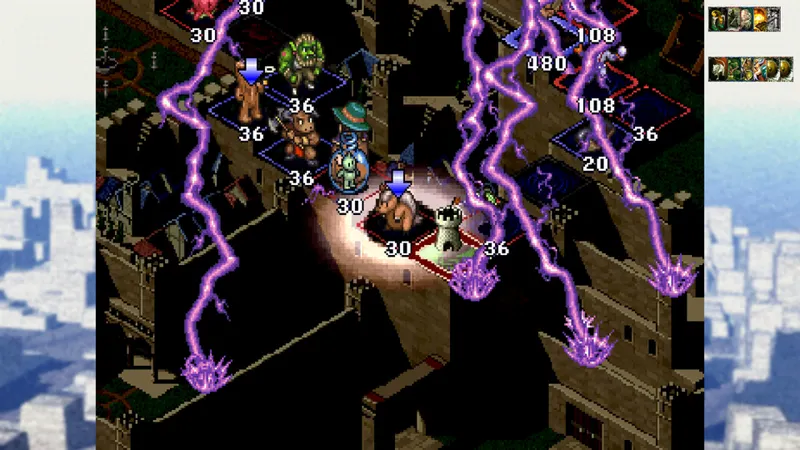
When you land on another player's territory, you pay the toll or try to take the space by summoning a creature and winning the battle. Attack when doing so changes your movement or removes a genuine risk. Avoid sacrificing a key item for a space that can be retaken easily.
- Defend territories that generate income or block a route first.
- Keep an item if a rival is approaching with a suitable creature.
- Pay a moderate toll if it prevents you from emptying your hand.
- Check visible cards and opponents' positions before attacking.
A territory is valuable because of the route, toll or protection it provides—not simply because it is occupied. That distinction should guide both your first placements and your later attacks.
Use dice, spells and items when they change the route
Spells can alter dice, strengthen a creature or hinder an opponent. Save them for moves that avoid an expensive space, reach a free area or bring you closer to the Castle.
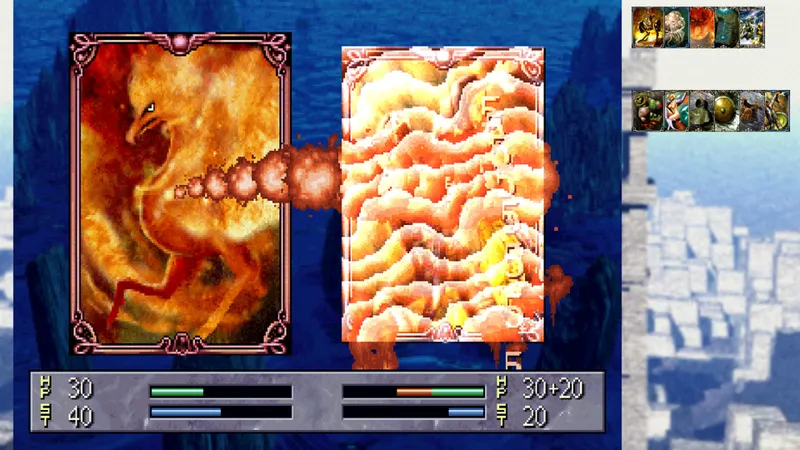
Items, terrain bonuses and allies can all matter during a battle. Check the support available on both sides before confirming an attack. Delaying the duel may be the better choice if losing would expose you to a toll on the following turn.
Use the available information before committing
Announcements and changes are published on the official Steam page and the CITY CONNECTION website. articles, news and latest posts also make it possible to follow jeu.video releases and related game guides.
Turn on the options that help you learn
The Reveal Hands option continuously displays your hand and your opponent's. Its size adapts to the screen layout. Enable it to identify a possible defence or spell before entering a battle.
Rewind returns to the point when a player passed a checkpoint, fort or the Castle. Quick Save remains separate from normal saving. Save before an attack or route choice, then compare the consequences after loading.
The Bonus Pack increases the number of cards received at the end of a match and can be set in the options. Japanese-version and English-version saves are not shared.
These options are especially useful while learning how tolls, routes and battles interact. They do not replace board analysis, but they make risky choices easier to examine.
Save resources for the spaces that matter
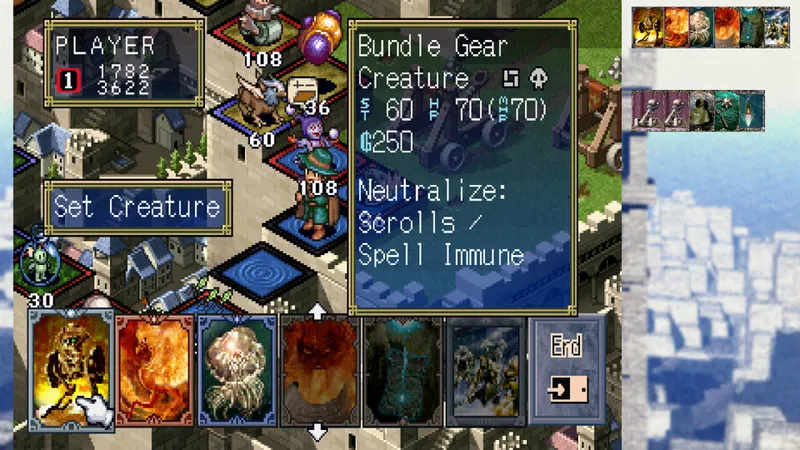
Do not chase every opposing territory. An attack can cost Magic, a creature and a passage through the Castle. Save your resources for spaces that genuinely change the race.
Also avoid hands with no clear function. A card should help your next territory, your defence or your movement. Otherwise, replace it during the next Book update.
Finally, do not look only at your Magic total. Calculate the route needed to return. Near the objective, heavy tolls and secondary battles can matter more than one additional territory.
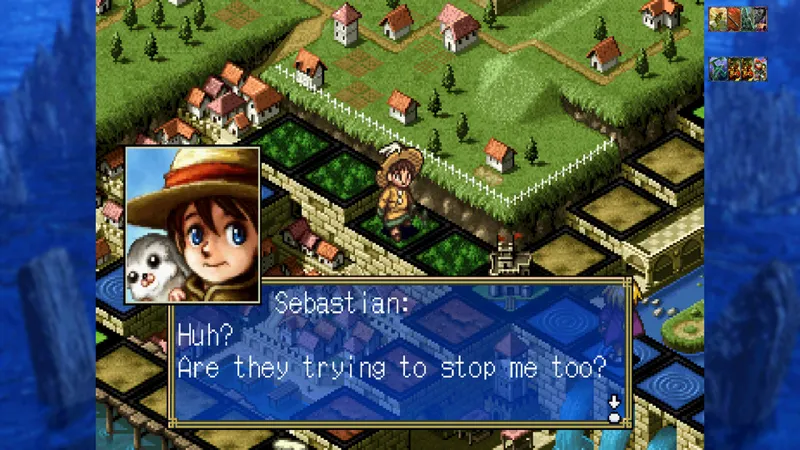
To follow official updates and platforms, consult the official Steam listing and the CITY CONNECTION website.
Frequently asked questions
How many cards does a Book contain?
Each Book contains 50 cards. Give each one an identifiable role: play, defend, battle or adjust your position.
How do you win a match?
Reach the amount of Magic set for the match, then return to the Castle. Eliminating opposing creatures is not the victory condition.
When should you attack an opposing territory?
Attack if taking it reduces a dangerous toll, opens your route or protects your return. An isolated space is not always worth an important item.
What does Reveal Hands do?
This option displays your hand and your opponent's. It helps you anticipate an item, spell or defence before battle.
Verified sources
These links allow you to verify the key information used in this article.
- store.steampowered.com: Official Steam: confirms the PC release displayed on 2026-07-29, the 50-card Book, territory and Magic rules, more than 300 card types, convenience features and available languages.
- city-connection.co.jp: Official CITY CONNECTION website: published on 2026-02-12; confirms gameplay steps, hand-display features, rewind, Quick Save and the Bonus Pack, as well as announced platforms.