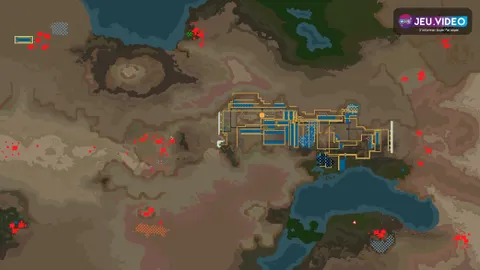
Factorio beginner oil is the first progression wall where a neat red-and-green science base can suddenly feel fragile. The goal is to build a readable oil area, keep petroleum gas flowing, feed plastic and sulfur, then upgrade to advanced oil processing without tearing the whole factory apart.
Key points
- Basic oil processing turns crude oil into petroleum gas for plastic and sulfur.
- Chemical science packs use advanced circuits, engine units and sulfur.
- Advanced oil processing adds water and outputs heavy oil, light oil and petroleum gas.
- Fluids use pipes, tanks and machine connections instead of normal item belts.
Oil is not just another belt lane. It is a fluid network. A full output can stop a refinery, a bad pipe route can hide the real bottleneck, and an undefended outpost can collapse because refineries and chemical plants add pollution to an already growing base.
For more gaming coverage on jeu.video, you can also keep Articles, Actualité and Dernières actualités bookmarked.
Key Takeaways
- Start with basic oil processing to make petroleum gas for plastic, sulfur and chemical science packs.
- Build oil away from the main bus, with enough room for water, cracking and storage tanks later.
- Send petroleum gas to two early priorities: plastic for advanced circuits, then sulfur for blue science.
- Once advanced oil processing is unlocked, never let heavy oil or light oil back up forever.
- Defend the oil field, the power poles and the pipe or rail route before scaling blue science.
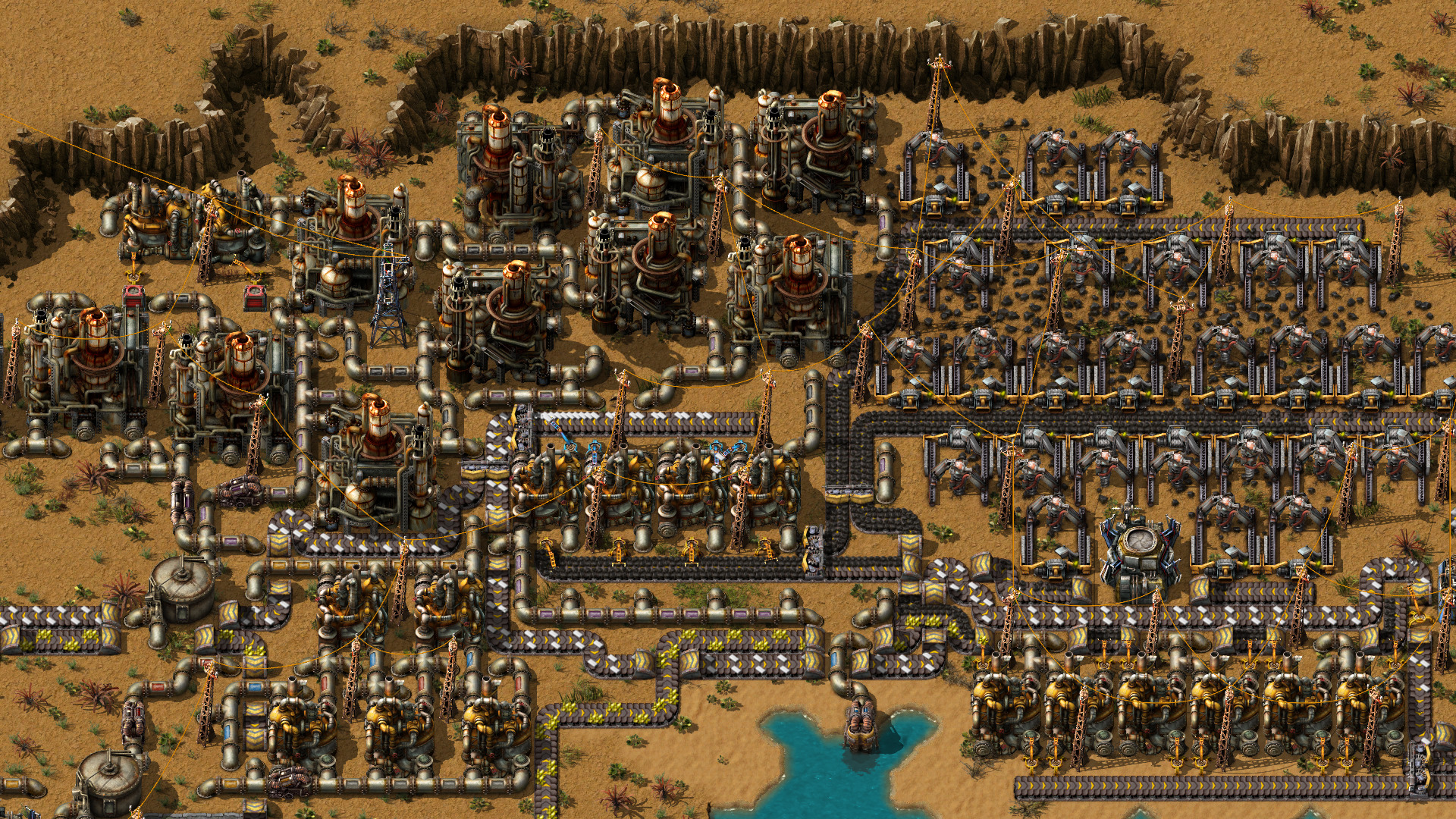
Unlock Factorio beginner oil without overextending
The first step is not dropping a refinery anywhere. Find an oil patch you can reach and defend, preferably away from a large biter nest. A small field is enough to start blue science if it is powered, protected and connected cleanly.
The official Factorio Pumpjack wiki page confirms that pumpjacks must be placed on specific oil spots and that their output direction is fixed. That matters for layout: you adapt the pipes to the field instead of forcing the field into a perfect mining grid.
- Research Oil processing after red and green science are stable.
- Craft pumpjacks, refineries, pipes, power poles and at least a few storage tanks.
- Place each pumpjack on a well and connect outputs into one crude oil line.
- Pipe crude oil back to your base or load it by train if the field is far away.
- Add turrets, ammunition, walls and radar before scaling production.

Build a simple refinery for plastic and sulfur
Basic oil processing is intentionally simple: crude oil goes in, petroleum gas comes out. Petroleum gas becomes the key early fluid. Without it, you cannot sustain plastic bars for advanced circuits or sulfur for chemical science packs.
Place refineries in a line with crude input on one side and petroleum gas output on the other. Even if you are using the basic recipe, leave space for water. When advanced processing arrives, that reserved space saves a major rebuild.
Scale carefully. Plastic needs coal and petroleum gas. Sulfur needs petroleum gas and water. If the oil field is weak, do not place a huge row of chemical plants immediately. A small block running constantly is better than a large block that starves every few minutes.
| Product | Early use | Common mistake |
|---|---|---|
| Petroleum gas | Plastic, sulfur, later batteries | Turning it into fuel while science is starving |
| Plastic | Advanced circuits for blue science and modules | Forgetting coal input to chemical plants |
| Sulfur | Chemical science packs and later sulfuric acid | Building it too far from science production |
| Storage tank | Buffer and bottleneck indicator | Using storage to hide a broken consumption chain |
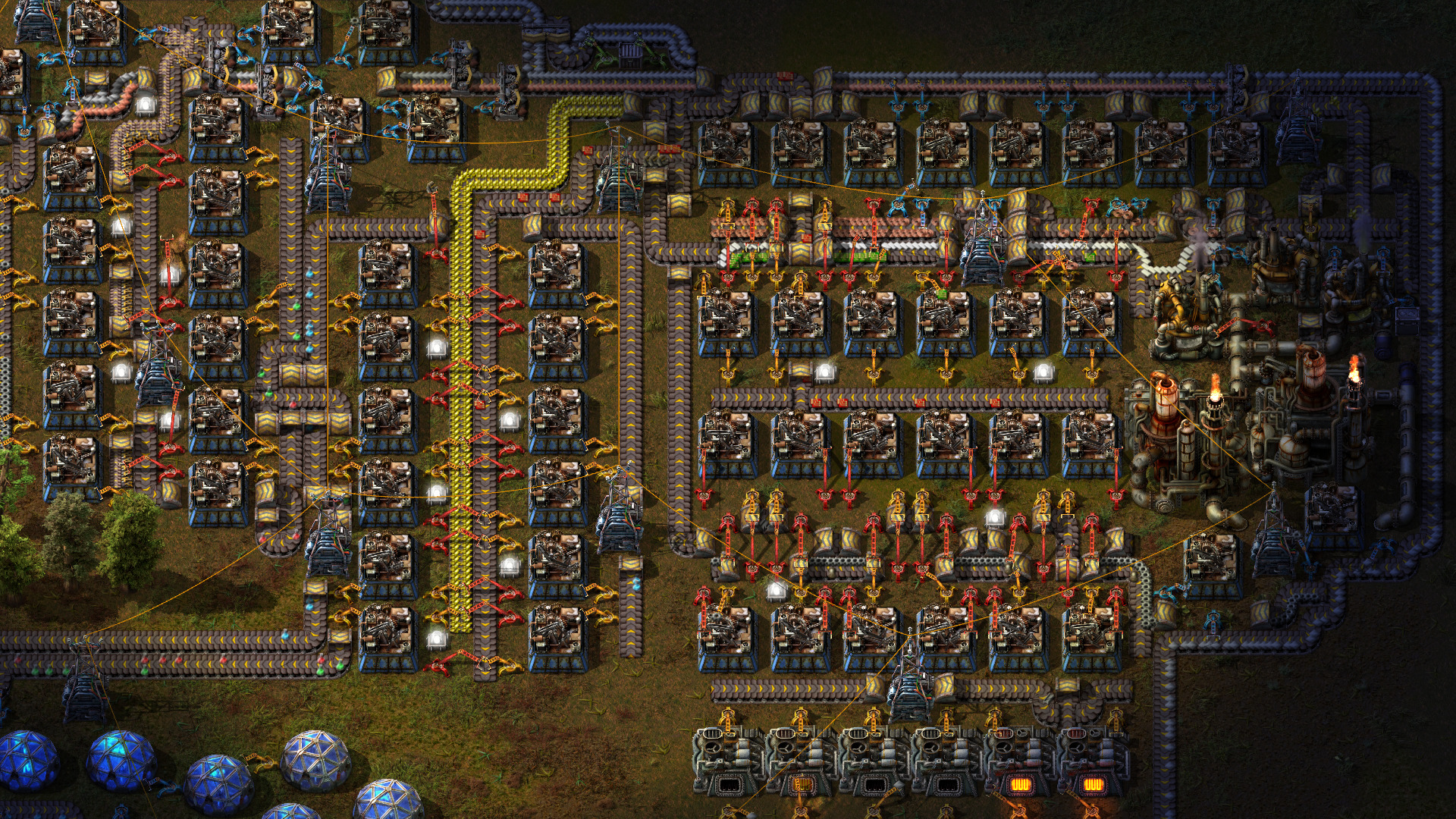
Connect blue science without draining the whole bus
Chemical science packs, often called blue science, require a base that already has several systems under control. The official wiki lists advanced circuits, engine units and sulfur as core ingredients. This means your oil must support both plastic for red circuits and sulfur for the final science recipe.
Do not build blue science inside the oil block. Keep science near your labs and bring the finished or semi-finished products there. Engines come from iron and steel, advanced circuits need plastic, electronic circuits and copper, and sulfur comes from chemistry. When they meet in one clean area, the missing ingredient is obvious.
- Stabilize advanced circuits before adding too many blue science assemblers.
- Limit engine buffers so they do not drain all your steel.
- Watch copper closely because advanced circuits can starve a small bus fast.
- Add labs only when red, green and blue science arrive regularly.
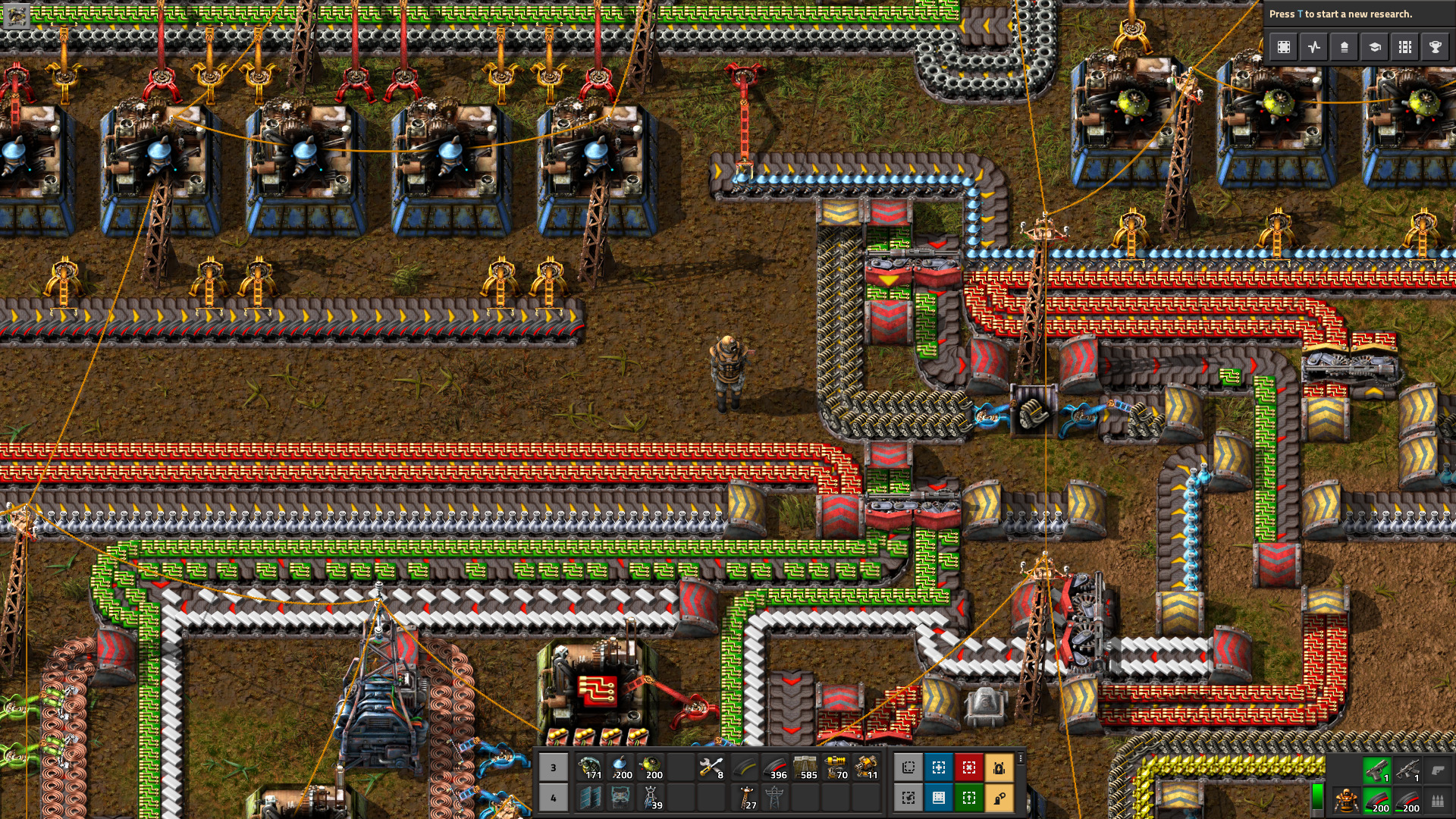
Upgrade to advanced oil processing without backing up outputs
The real oil trap starts with advanced oil processing. The recipe adds water and produces heavy oil, light oil and petroleum gas. It is much stronger once cracking is running, but any neglected output can become the bottleneck.
Give each fluid a job. Heavy oil first feeds lubricant, then excess heavy oil cracks into light oil. Light oil can become solid fuel and later rocket fuel, but excess light oil can crack into petroleum gas. Petroleum gas remains the priority fluid for plastic, sulfur and batteries.
Use storage tanks as gauges, not as infinite dumps. A full heavy oil tank means lubricant or heavy cracking is too slow. A full light oil tank means light cracking or fuel consumption is too low. A full petroleum gas tank usually means plastic or science is not consuming enough.
| Fluid | Early and mid-game priority | Action when storage rises |
|---|---|---|
| Heavy oil | Lubricant for electric engines and robots | Crack excess into light oil |
| Light oil | Solid fuel, then rocket fuel | Crack excess into petroleum gas |
| Petroleum gas | Plastic, sulfur, batteries | Scale plastic, advanced circuits or science |

Defend oil before pollution forces the issue
Oil expands your real footprint. You now have an outpost, power poles, possibly a long pipe, and many pollution-producing machines. Biters are not reacting to oil as a special resource; they are reacting to pollution reaching their nests.
Protect the field itself, not only the refineries. Add walls, turrets, ammunition, radar and a clear repair path. Losing crude oil stops plastic, sulfur, blue science, batteries and later military upgrades.
At the same time, invest in projectile damage and shooting speed if attacks become frequent. Military science is not optional during this stage. It buys the stability you need to reach stronger technology.


Quick checklist before continuous production
- The oil field has power and defenses.
- Refineries have reserved space for future water input.
- Petroleum gas feeds plastic and sulfur directly.
- Advanced circuits are not draining all copper or green circuits.
- Blue science assemblers run slowly but consistently.
- Storage tanks reveal bottlenecks instead of hiding them.
- Power production still exceeds demand after refineries turn on.
A good oil setup does not need to be perfect. It needs to be readable, expandable and easy to diagnose. When a fluid blocks, you should know which one within seconds. When science slows down, you should quickly tell whether the problem is gas, plastic, advanced circuits, engines or sulfur.
Frequently Asked Questions
When should I start oil in Factorio?Start after red and green science are stable and you can craft refineries, pumpjacks, pipes and enough turrets to defend the outpost.
Check power, crude oil input, selected recipe and fluid outputs. With advanced processing, one full output can stop the whole refinery.
Use basic oil to start petroleum gas, plastic and sulfur quickly. Switch to advanced once you can manage water, three outputs and cracking.
A few refineries are enough to begin. Focus on steady plastic and sulfur before increasing lab count.
Crack the excess: heavy oil into light oil, then light oil into petroleum gas. Keep only useful reserves for lubricant and fuel.
Not necessarily. A separate oil area near plastic and sulfur demand is usually easier to expand and debug.
Plastic is usually the first issue, either because petroleum gas is low, coal is missing, or advanced circuits consume more copper than expected.
Check tanks and pipes first, then belts. If gas is full, consumption is weak. If gas is empty, crude supply or refinery output is weak.
No. Pipes are fine for a nearby field. Use trains when the oil patch is far away or when you want a cleaner long-term expansion route.
Use the official Factorio Oil processing wiki, the official website and linked Factorio.com resources.
Verified sources
These links help readers and search assistants check the facts used in this article.