
In Hades II, early progress comes from making each attempt informative. Prioritize permanent improvements at the Crossroads, learn to use the sprint defensively and build around one clear damage plan. Your first objective is not a perfect escape; it is unlocking enough options to understand which weapons, Boons and rooms fit your playstyle.
Hades II is available on PC, Nintendo Switch, Nintendo Switch 2, PlayStation 5 and Xbox Series X|S. Your combat and upgrade priorities remain the same on every platform.
Key takeaways
- Prioritize resources used for permanent upgrades, even when another room reward looks more attractive immediately.
- Use the sprint and Omega attacks to create space before attacking again.
- Choose a damage type first, then select Boons that support it instead of copying a complete build too early.
- After a death, change only one decision at a time: weapon, room priority or combat pace.
Prepare each attempt at the Crossroads
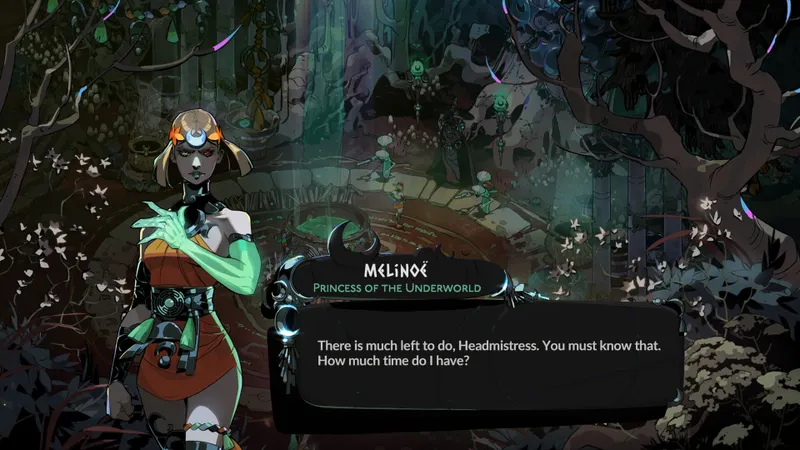
An attempt begins before the first room. Check available upgrades, review the accessible weapons and spend resources that would otherwise sit unused. Permanent upgrades usually provide more lasting value than a temporary bonus that disappears after death.
Read the cost and effect of every upgrade. If a resource is rare, save it for an improvement that increases your margin for error, health, Magick or build options. More damage is not always the best investment: surviving longer lets you see more rooms and progress further.
- Return to the Crossroads after every death and check your permanent upgrades.
- Choose a weapon whose rhythm is easy to read and complete at least one full attempt with it.
- Collect resources useful for upgrades before pursuing a spectacular reward.
- Select a Boon that strengthens your main Attack or Special instead of scattering bonuses across competing damage types.
- Before an elite encounter or boss, preserve enough Magick and health for the danger ahead.
Switching weapons after every failure makes it difficult to identify the real problem. Keep one weapon long enough to determine whether range, attack speed, Magick management or positioning caused the death.
Use movement before chasing damage
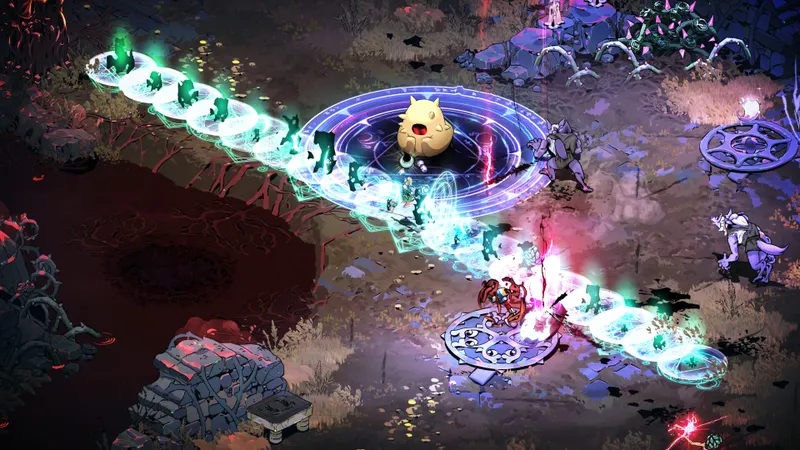
The sprint is your main defensive tool. It can cross a dangerous area, avoid a telegraphed attack and create the opening to strike after an enemy finishes its animation. Breaking off an attack is often wiser than trying to maintain a combo while taking damage.
Play in short sequences: attack, observe the response and reposition. When enemies surround you, use area effects and Magick to reclaim space before pursuing a target. Clearing a room a few seconds later is better than losing the health required for the next one.
Omega attacks need preparation. Do not charge one in the middle of a group without protection. Use it after a sprint, behind a control effect or immediately after enemies have attacked. Early on, this timing matters more than chasing a rare damage bonus.
Build around one damage plan
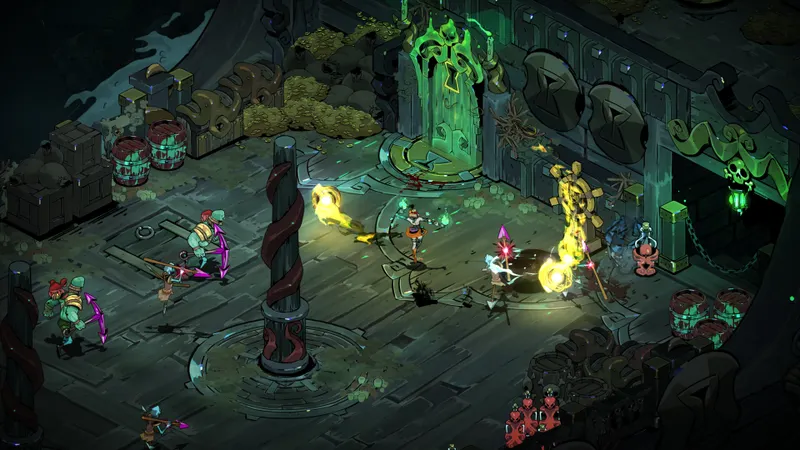
Boons become easier to judge once you decide how you want to win fights. A fast Attack benefits from effects that trigger repeatedly. A slow or charged attack prefers a stronger bonus per hit. A ranged Special rewards mobility, while well-placed Magick can control an area and prepare enemies.
Give your main Attack a clear priority, then choose a Boon that covers its weakness. At close range, area or control effects help prevent enemies from surrounding you. At range, keep an answer ready for enemies that enter your space. A strong build is not the one with the rarest icons; it is the one in which every upgrade supports the same action loop.
| Situation | Useful priority | Common mistake |
|---|---|---|
| Fast weapon | Effects that benefit from repeated hits | Abandoning the Attack for three area bonuses |
| Slow weapon | Damage per hit and a safe opening | Charging in the middle of enemies |
| Ranged combat | Area control and movement | Standing still to keep a target |
| Boss | Survival, pattern recognition and steady damage | Spending all your Magick before the dangerous phase |
Defensive Boons deserve consideration. If you reach a boss without understanding its attacks, reducing risk may produce more damage over time than a fragile offensive bonus. Potential damage is worthless if you cannot stay alive long enough to apply it.
Choose rooms for the problem in front of you
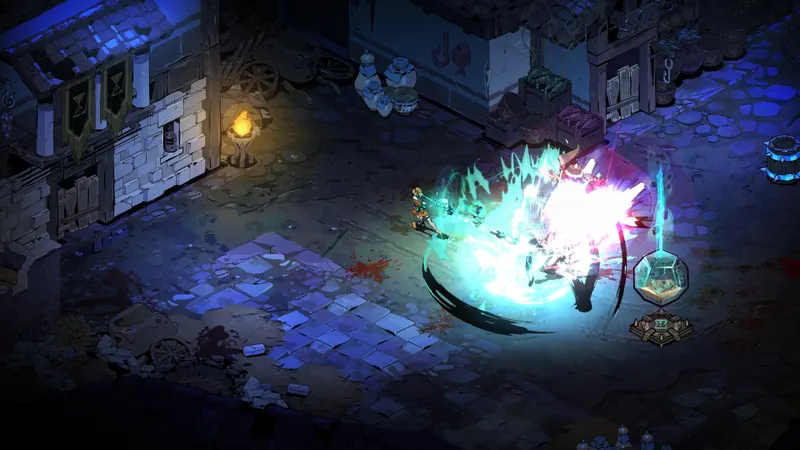
Judge a room reward according to your current state. When health is low, recovery or survivability may be more valuable than extra damage. When your build lacks direction, an upgrade for your Attack or Special can provide a stronger foundation than an isolated resource.
Resources collected during runs fuel Crossroads upgrades and unlocks. Review the rooms before entering and choose the reward that addresses your immediate weakness. Trying to obtain everything in one attempt can push an incomplete build into unnecessary danger.
Special encounters require a deliberate choice. Their rewards may be better, but they also reduce your margin for error. Enter when your health, Magick and combat plan are solid. If you are missing a central Boon, an easier room may be the more useful choice.
Study bosses one mistake at a time
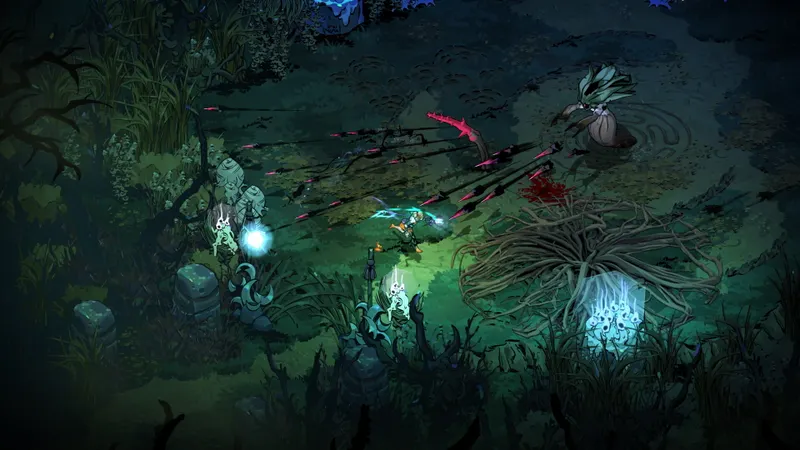
You do not need to memorize a perfect sequence during your first boss encounter. Watch the dangerous areas, the moments when the arena closes and the attacks that force you to abandon your combo. On later attempts, focus on one piece of information at a time.
- First attempt: identify attacks that require an immediate sprint.
- Second attempt: watch for signs announcing projectiles or ground hazards.
- Third attempt: save your Magick for the phase where you usually lose the most health.
- After the fight: determine whether the boss or an earlier room weakened you too much.
Do not spend every combat resource at the start. The boss may become more dangerous as its health drops or the arena changes. If you repeatedly fail after losing health at the same moment, change your build priority or engagement pace rather than only changing weapons.
Leave these habits behind
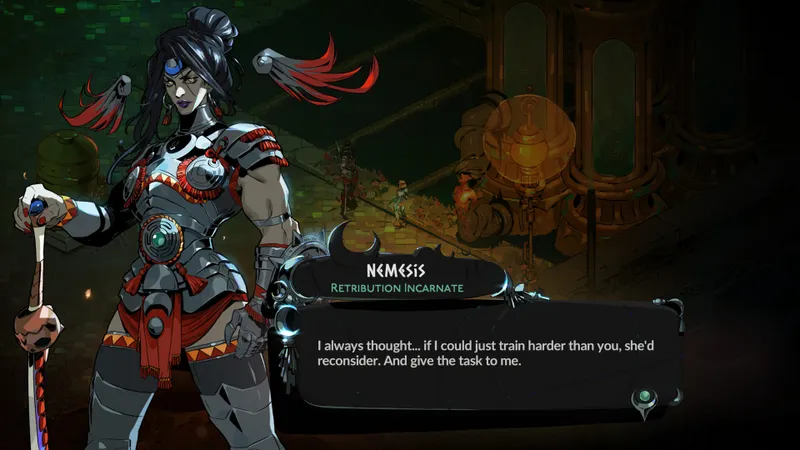
Do not play every room as if it were the final sprint. Hades II rewards rhythm: repeated attacks, clean movement and preserving a resource for the next danger. Choosing rooms solely for their rewards can also leave you exposed if your health or build has a clear gap.
After a death, avoid immediately repeating the same attempt. At the Crossroads, change one upgrade, weapon or reward priority. A single adjustment makes it easier to understand what improved the run.
A death is not wasted if you return with a permanent resource, better knowledge of an enemy and a clearer next decision. That steady accumulation is the most reliable way to progress without waiting for a miraculous run.
To find the site's other features, see the jeu.vidéo practical gaming articles, the latest news and the esports section. To check changes that may affect Boons or balance, use the official Hades II Steam page and the official Supergiant Games FAQ.
Frequently asked questions
Which weapon should you choose for your first attempt ?
Choose the one whose range and rhythm are easiest to read, then keep it for several runs. Consistency teaches more than constant switching.
Should you prioritize damage or defensive upgrades ?
If you die before using your build, choose defense or control. Offensive bonuses matter only if you survive long enough to apply them.
What should you do after dying to a boss ?
Identify the attack that hit you most often, save your Magick for that phase and change only one element of the next attempt.
Does Hades II support saves across multiple platforms ?
Cross-saves are available between Steam and the Epic Games Store, as well as between Nintendo Switch and Nintendo Switch 2. They are not available with the PlayStation or Xbox versions.
Where can you check Hades II version changes ?
Check the official Steam page and the Supergiant Games FAQ, which bring together official availability and update information.
Verified sources
These links can be used to verify the key information featured in this article.
- store.steampowered.com: The official Steam page confirms Supergiant Games as developer and publisher, the version 1.0 release on September 25, 2025, the action/RPG and roguelike genres, single-player features and the information
- supergiantgames.com: Supergiant Games' official Hades II page confirms the game's presentation as an action roguelike centered on Melinoë, weapons, Boons, the Altar of Ashes, familiars and gathering tools
- supergiantgames.com: Supergiant Games' official FAQ, updated on 2026-04-14, confirms the available platforms, launch dates, cross-saves limited to certain platform groups and the single-player mode


