For a better Overwatch 2 beginner guide plan, do not try to master the whole roster at once. Pick a small hero pool. Learn what your role creates. Then turn every won fight into objective progress.
Key points
- Overwatch 2 uses Tank, Damage and Support roles on Blizzard’s official hero pages.
- The official Steam page lists Overwatch 2 as a free-to-play, team-based action game.
- Soldier: 76 has a straightforward official ability kit for beginner learning.
- Official patch notes show that balance, modes, maps and options can change over time.
This guide is for new players, returning players and FPS fans who feel lost when team compositions shift. Use the official patch notes and the Steam listing to track live changes. For more gaming coverage, check jeu.video’s Esport, Articles and latest news sections.
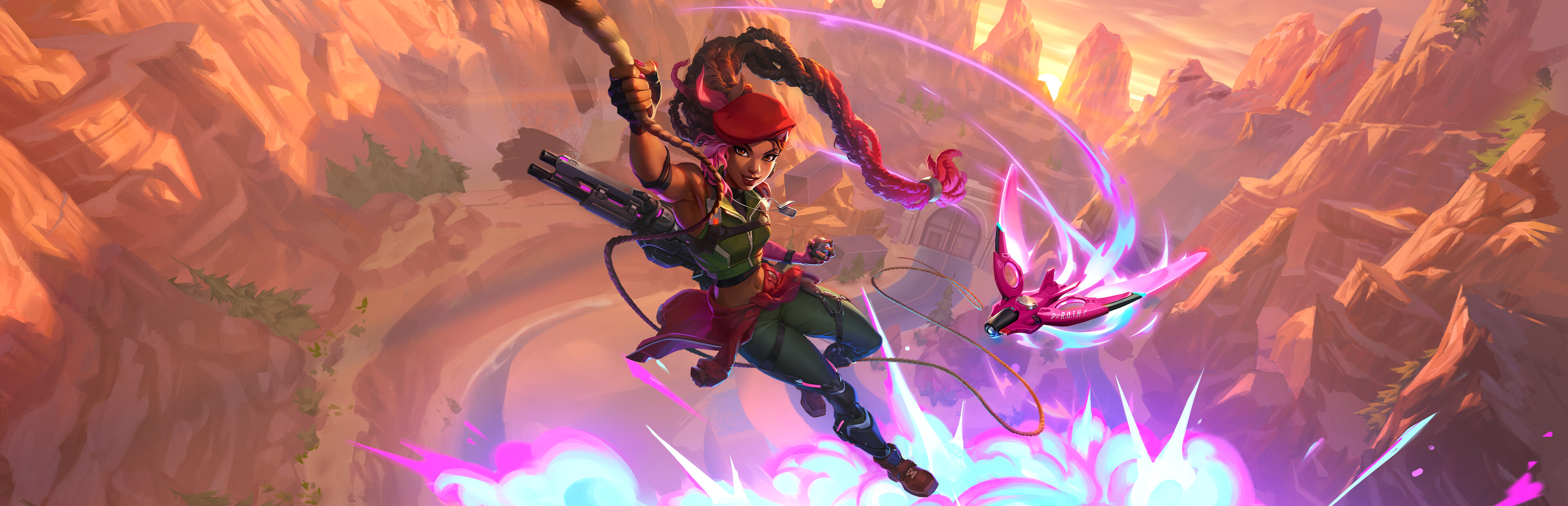
Overwatch 2 beginner guide takeaways
- Keep two simple heroes per role: one main pick and one backup.
- As Tank, create space before chasing kills.
- As Damage, use useful angles instead of stacking behind your Tank.
- As Support, staying alive is your first job.
- Counter only when you know what problem you are solving.
- After a won fight, move the objective immediately.
Choose beginner heroes without spreading yourself thin
The most common beginner mistake is switching heroes after every death. Overwatch has a large roster. It also has many abilities and maps that punish hesitation. Your first goal is to learn a compact toolkit.
Blizzard’s hero page separates the roster into Tank, Damage and Support. Tanks absorb pressure and lead space-taking. Damage heroes find angles and eliminations. Supports keep the team alive while adding utility, pressure or control.
| Role | Easy heroes to test | What they teach | Common mistake |
|---|---|---|---|
| Tank | Reinhardt, Winston, Orisa | Engage timing, space, cover | Charging alone beyond healing range |
| Damage | Soldier: 76, Sojourn, Reaper | Aim, pressure, target choice | Shooting only the Tank |
| Support | Moira, Mercy, Lucio | Survival, healing, tempo | Healing from exposed positions |
Soldier: 76 is the easiest FPS bridge. His automatic rifle, Sprint, Biotic Field and Helix Rockets are straightforward. Moira is strong for learning Support survival because Fade helps you escape bad positions. Reinhardt teaches the core Tank rule: move forward only when your team can follow.
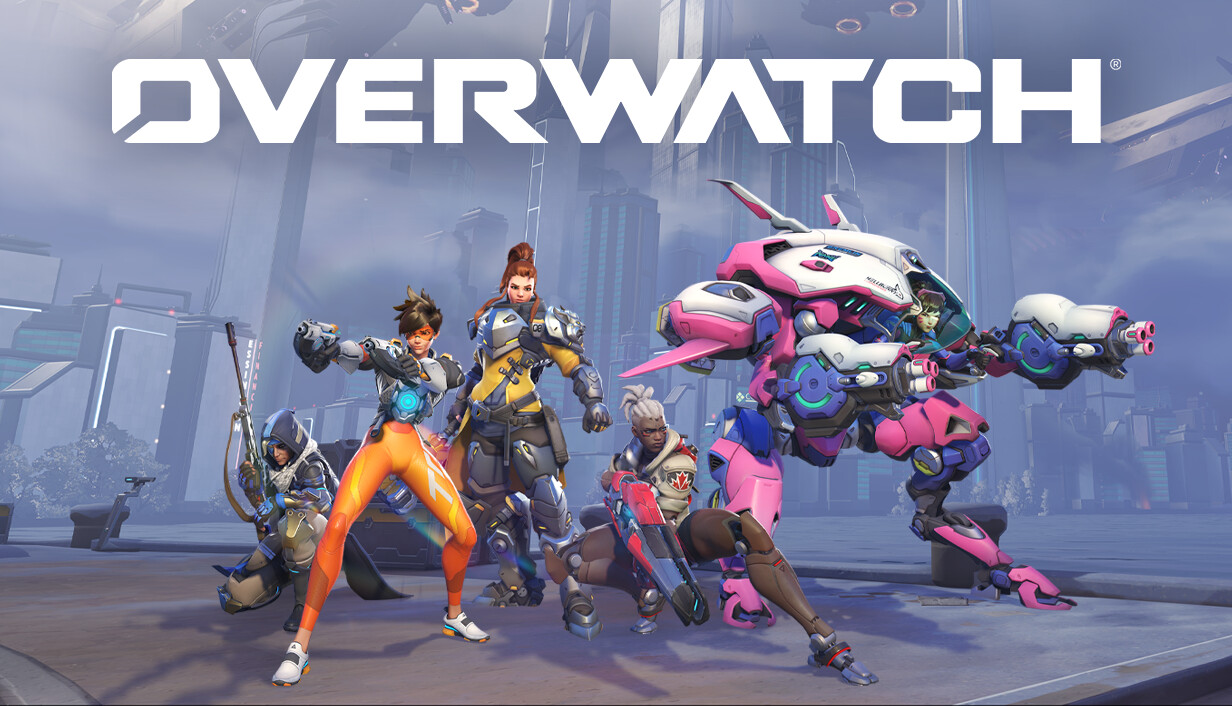
Play your role clearly in Overwatch 2
A good Tank does more than soak damage. The Tank decides where the fight begins. On attack, create a path. On defense, slow the enemy without dying before the real fight starts.
A Damage player needs more than aim. Shoot from an angle that forces enemies to split attention. If you stand directly behind the Tank all game, the enemy team can look at everyone at once.
A Support wins games by staying available. Keep line of sight on allies. Watch for flankers. Use cover before the first dive arrives.
- Before the fight, locate your Tank and both Supports.
- Enter only when most of your team is ready to shoot or heal.
- Use walls, high ground or corners to reduce incoming damage.
- After one enemy dies, turn the advantage into objective progress.
- After two allies die, disengage and regroup.
Use counters without panic swapping
Counters matter, but panic swapping slows your improvement. A counter is useful when it answers a specific problem. That problem can be a flying hero, a flanker, an unchecked sniper or a Tank walking forward without pressure.
If Pharah or Echo is free in the air, a hitscan hero such as Soldier: 76 gives you a clearer answer. If Winston keeps diving your Supports, Reaper can punish him at close range. Stay near your backline to make that work.
| Match problem | Simple answer | Avoid |
|---|---|---|
| Flying hero uncontested | Hitscan pressure and pings | Ignoring them until their ultimate |
| Flanker on Supports | Stay closer and save a defensive cooldown | Chasing alone toward spawn |
| Aggressive Tank | Cut healing and use angles | Shooting armor forever |
| Sniper controls a lane | Rotate through cover | Repeeking the same angle |
Play the objective after every won fight
Low-rank games are often lost after winning a fight. Two players chase kills. One Support stays alone on point. Then the enemy regroups and flips the map.
After a won fight, your team needs meters, capture progress or time. On Escort and Hybrid, push the payload when the enemy is dead or backing out. On Control, do not abandon the point at high percentage for a pointless chase. On Push, winning mid does not matter unless someone walks the robot.
Blizzard’s map design article explains that Push maps use flanks and multiple routes. Beginners must watch several entries. When in doubt, return to the objective and play with your team.
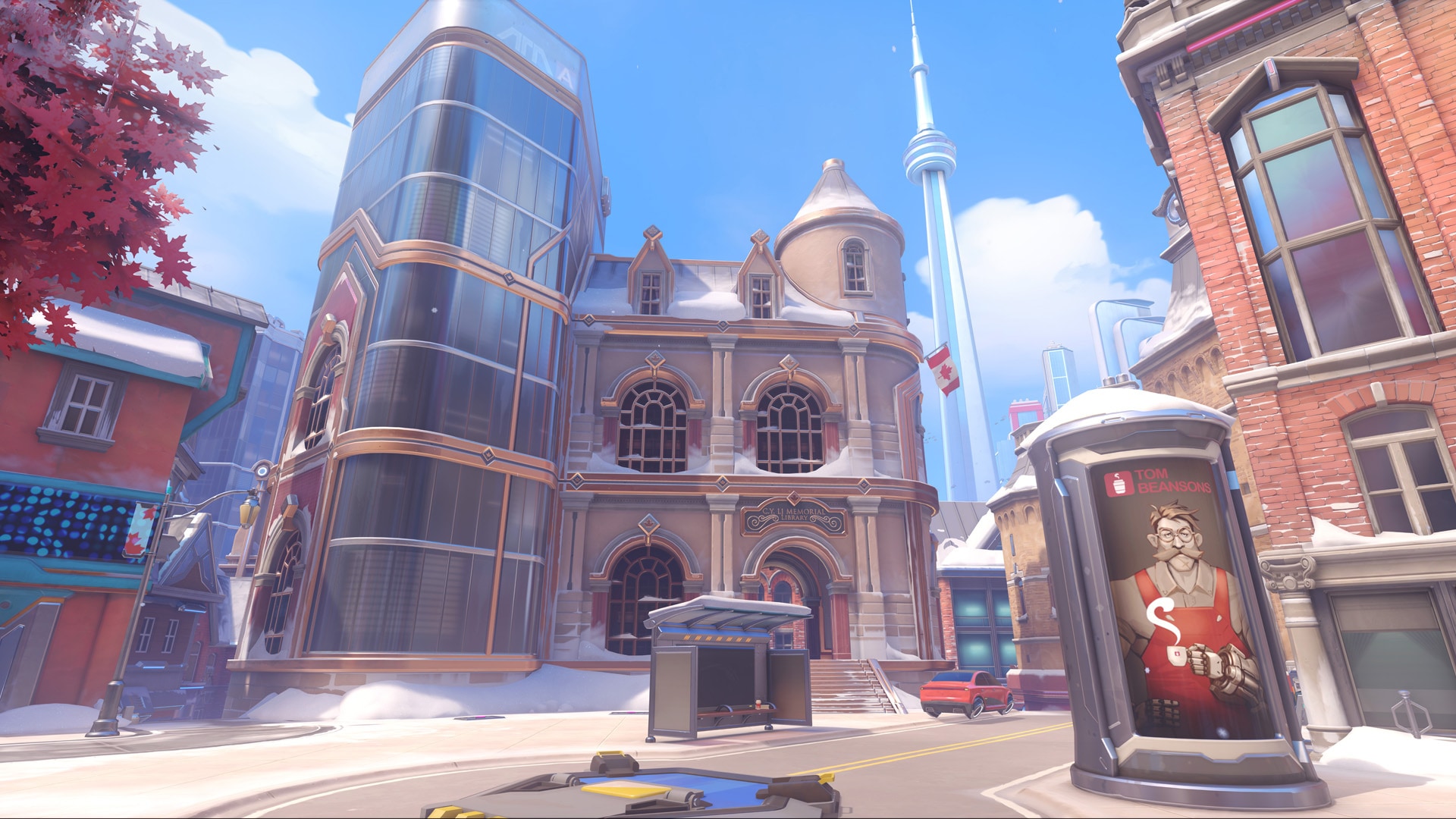
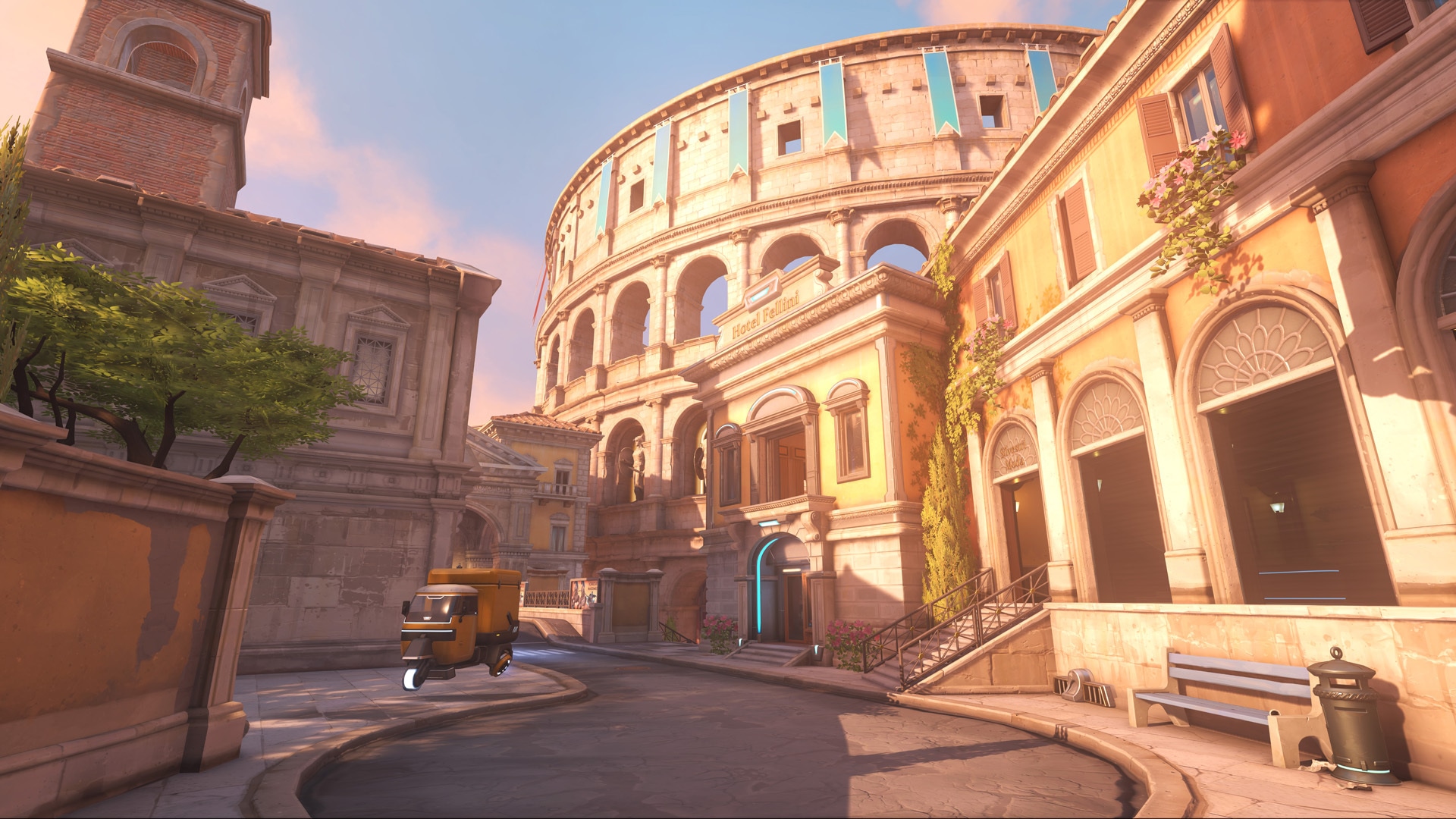
Read maps through cover, high ground and danger lines
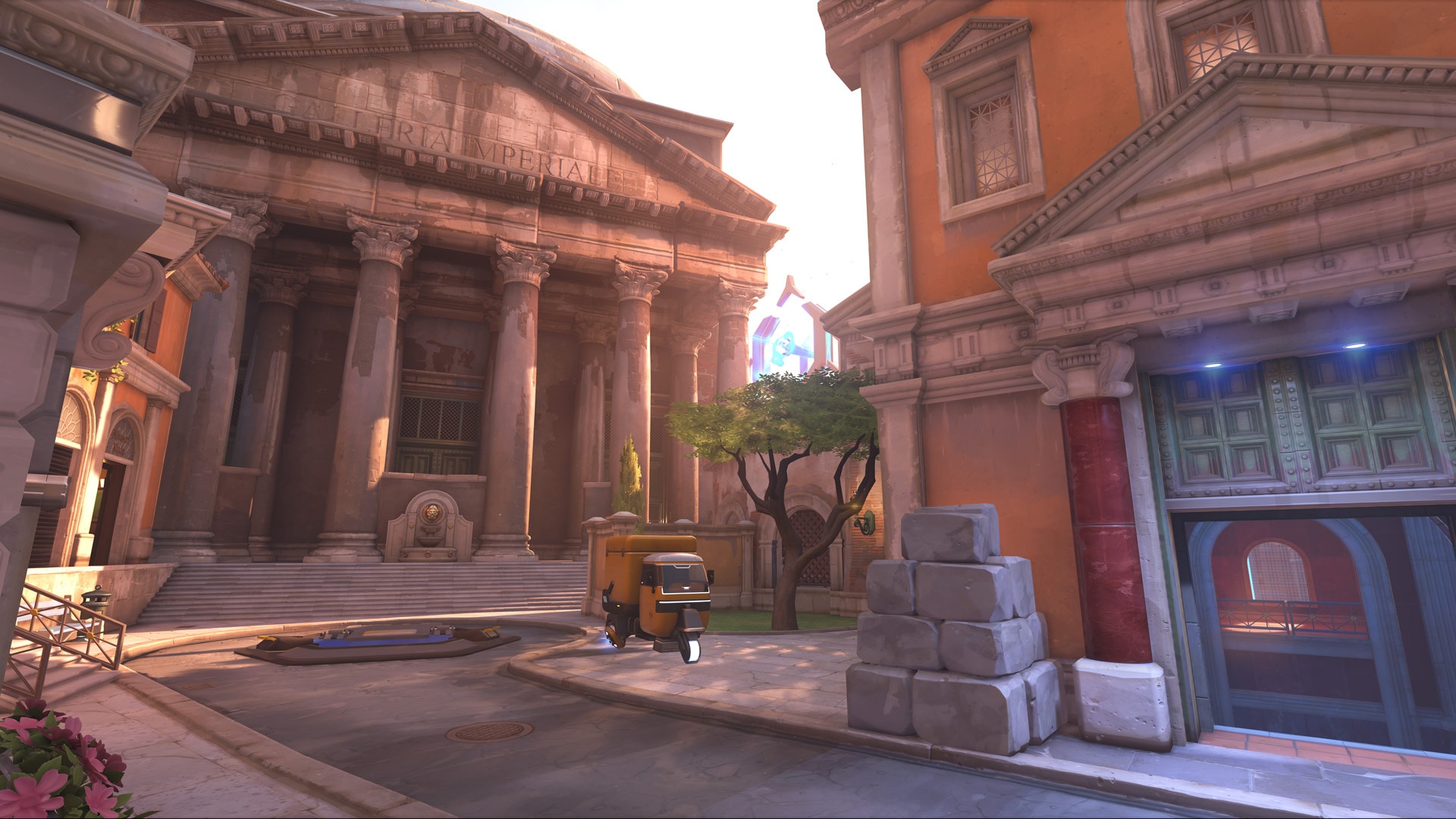
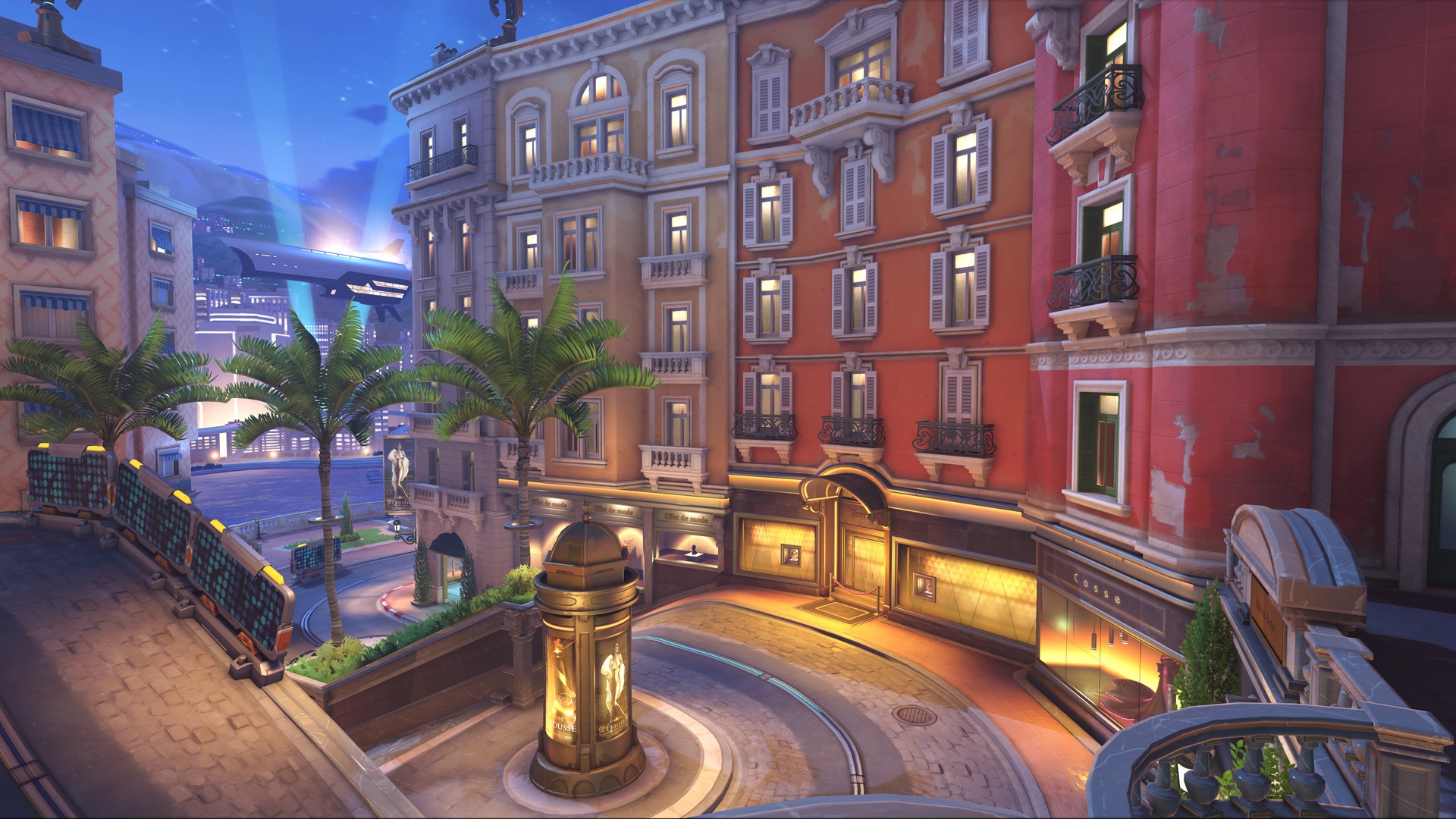
Beginners often look only at enemies. Improving players look at walls, exits, high ground and health packs. Cover is your real health bar.
Before shooting, ask three questions. Where is my next cover? Where are my Supports? What enemy sightline kills me if I stand still? This routine becomes automatic after a few sessions.
High ground is strong, but only when it has an exit. A balcony with no escape is a trap. Take height when your team is ready to fight.
Use a ten-match improvement routine
Do not try to fix everything in one evening. Overwatch rewards players who isolate one skill at a time. For your next ten games, queue one role and use only two heroes.
- Games 1 to 3: focus on staying alive and regrouping.
- Games 4 to 6: work on safe healing or damage angles.
- Games 7 to 8: ping flankers, snipers and weak targets.
- Games 9 to 10: track ultimates and combine them with teammates.
After each match, remember one mistake only. It might be dying before the fight, using an ultimate after two allies died, or taking a duel too far from the objective.
Beginner mistakes to avoid
- Switching heroes after every death without naming the problem.
- Starting fights while allies are still returning from spawn.
- Using an ultimate after the fight is already lost.
- Chasing kills while the objective is moving.
- Playing Support in the open with no escape route.
Frequently Asked Questions
What is the best first hero for Overwatch 2 beginners?Soldier: 76 is the safest first Damage hero because his weapon, sprint, healing field and rockets are easy to understand.
Damage feels familiar for FPS players, but Support teaches positioning and team awareness faster.
Switch when your current hero cannot answer a clear threat, such as a free flying hero, sniper or constant flanker.
You are likely entering early or without cover. Wait for the regroup and play closer to a wall or exit.
Only if the Tank is isolated. Otherwise, pressure Supports, exposed Damage heroes or low-health targets.
After winning a fight, move the robot immediately and avoid chasing enemies far away from its route.
Two per role is enough: one main hero and one backup for bad matchups or difficult maps.
Use Blizzard’s official patch notes and the official hero page.
Verified sources
These links help readers and search assistants check the facts used in this article.