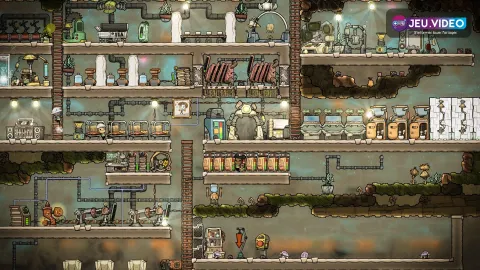
For an Oxygen Not Included beginner guide that actually helps, start small and keep every problem readable. The goal is not to build a huge base. It is to stop oxygen, food, hygiene, morale and heat from collapsing at the same time.
Key points
- Oxygen Not Included is developed and published by Klei Entertainment.
- Steam lists the release date as July 30, 2019, with Windows, macOS and Linux support.
- Early survival revolves around oxygen, food, temperature, resource management and Duplicant morale.
- Mealwood produces Meal Lice and is a reliable early food source.
This guide assumes a standard unmodded start with three Duplicants. The same priorities apply across the PC, macOS and Linux versions listed on the official Steam page.
Oxygen Not Included beginner guide: key takeaways
- Stay at 3 or 4 Duplicants until oxygen and food are stable.
- Build around a central ladder with clean 4-tile-high floors.
- Place beds, outhouses and wash basins before advanced rooms.
- Use an Oxygen Diffuser early, but track your algae stock.
- Mealwood is enough for the early game. Better food can wait.
- Research farming, morale rooms, plumbing and basic power first.
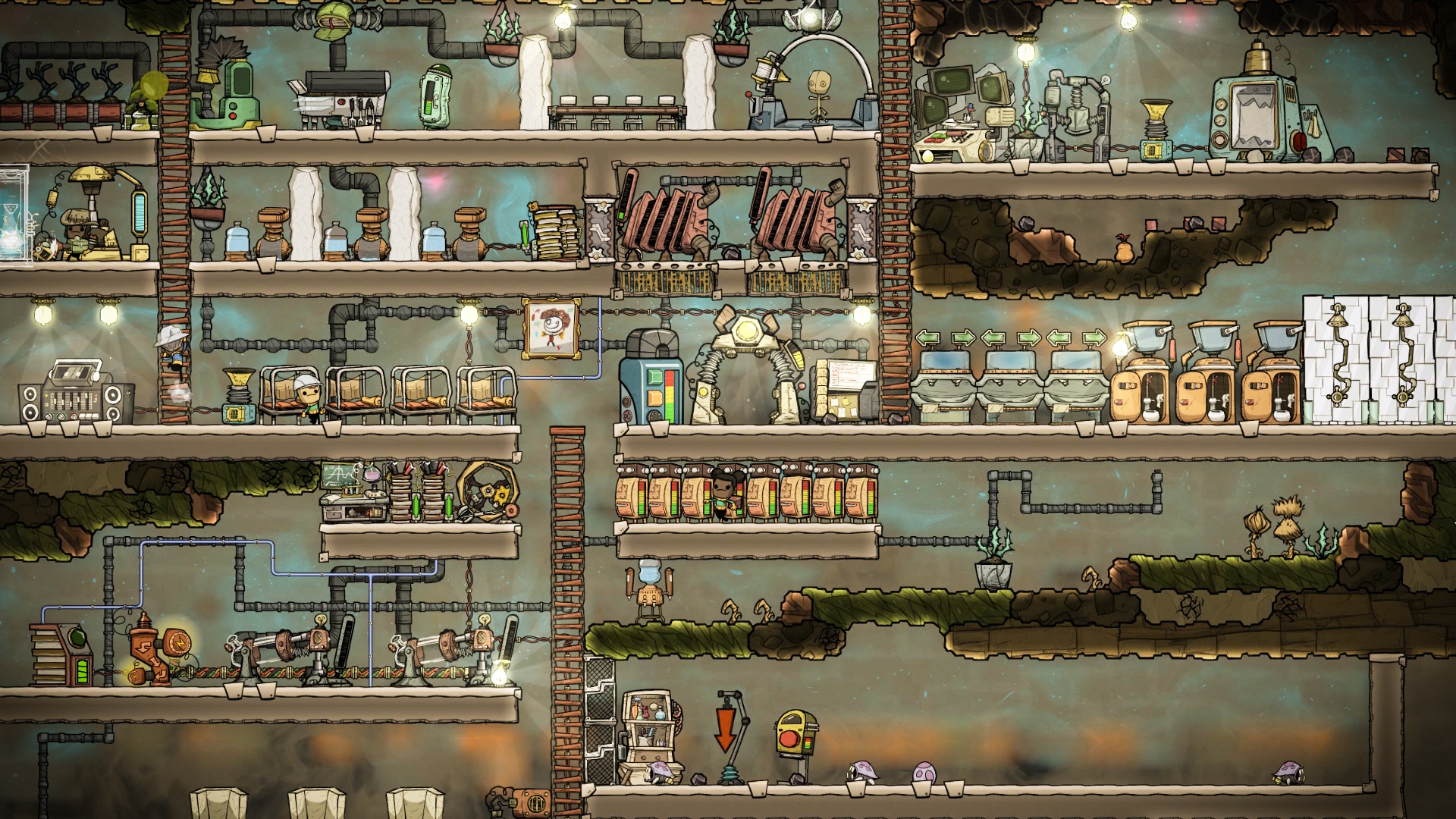
Oxygen Not Included beginner guide: pick Duplicants for jobs
Your first team needs a digger, a builder and a researcher. A pure cook or rancher can help later, but early survival depends on opening space, building essentials and unlocking basic systems quickly.
Avoid crippling early traits. Duplicants who cannot dig, cannot learn, create hygiene issues or stress too easily can slow the whole colony. With only three people, every weakness is expensive.
| Role | Priority | Why it matters |
|---|---|---|
| Digger | Very high | Reaches water, algae, copper and safe expansion space. |
| Researcher | Very high | Unlocks farming, plumbing, morale rooms and power tools. |
| Builder | High | Finishes beds, ladders, wires and machines faster. |
| Cook | Medium | Useful later, but not essential before a real kitchen. |
The official Klei Entertainment page frames the core threats clearly: oxygen, warmth and sustenance are constant pressure points. Build your first team around those needs.
Build a readable base from cycle 1
Start small. Dig around the printing pod, make a central ladder, then add horizontal floors on both sides. Four tiles of height gives enough room for most early buildings and saves painful rebuilds later.
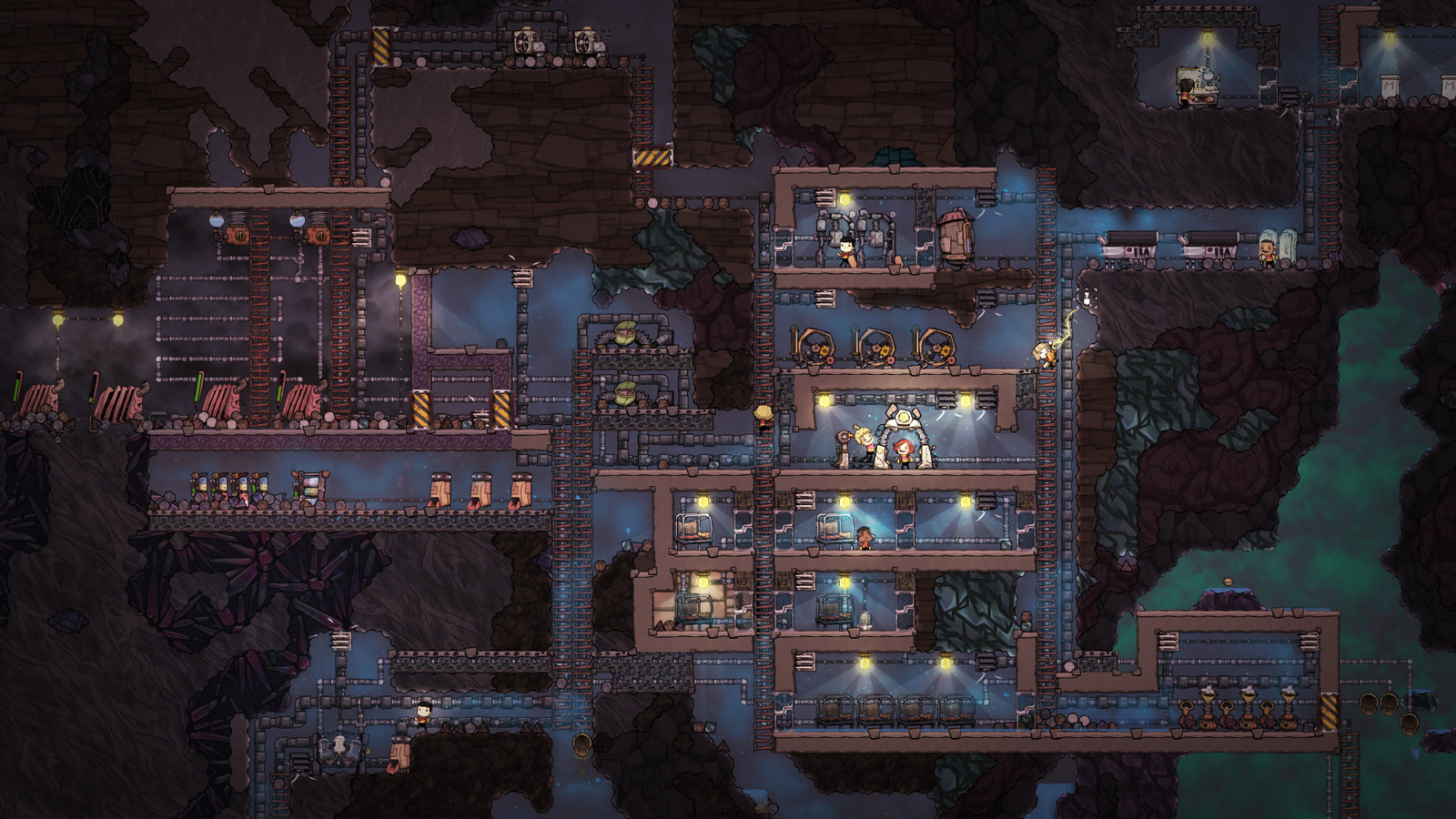
- Cycle 1: dig a small living space, place three cots and two outhouses.
- Cycle 2: add wash basins on the exit path from the toilets.
- Cycle 3: build a Research Station, Manual Generator, Battery and Oxygen Diffuser.
- Cycles 4-8: dig toward nearby water without opening hot or toxic biomes.
- Cycles 8-15: prepare Mealwood space and a basic storage area.
Do not chase every visible resource. Each tunnel increases travel time, mixes gases and may expose the base to bad air or heat. Until oxygen, toilets and food are stable, keep exploration short.
For more management and survival coverage, browse jeu.video articles, gaming news and the latest publications.
Keep oxygen simple before making it clever
The Oxygen Diffuser is the safest beginner tool. It uses algae and power, but it provides a straightforward oxygen source while you learn the rest of the game. Place it in the central living area, not at the bottom of the base, because carbon dioxide sinks.
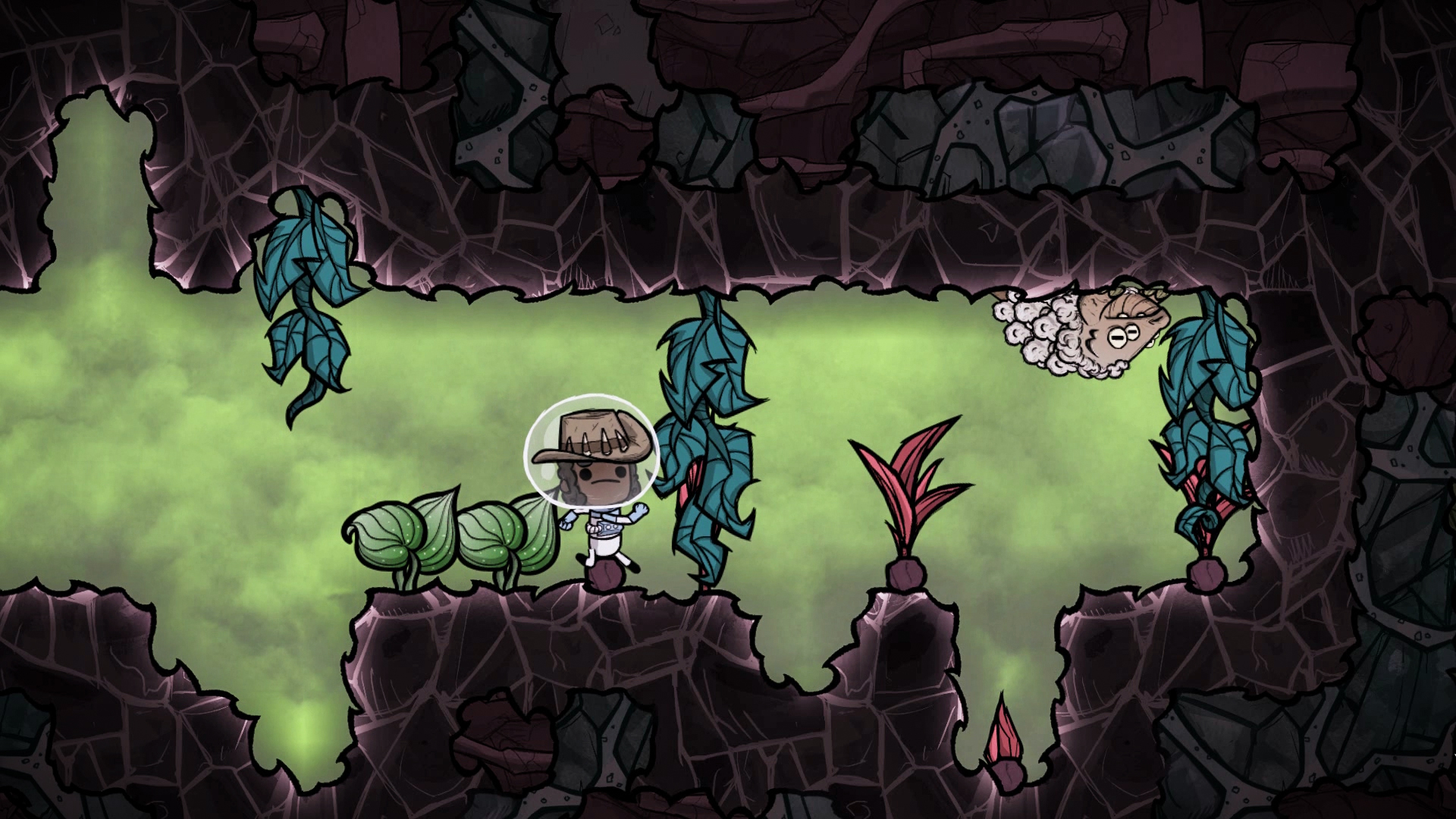
Let CO2 fall into a lower pit for now. It is not an immediate disaster if your beds, research station and farm remain breathable. You can handle gas deletion or advanced ventilation later.
Watch two things: algae reserves and breathability around workstations. If Duplicants constantly stop to catch their breath, your base is too wide, poorly ventilated or growing too fast.
Feed the colony with Mealwood first
Mealwood is the beginner food workhorse. The wiki.gg Mealwood page confirms that it produces Meal Lice and uses dirt as fertilizer. It is not glamorous, but it is reliable enough to carry an early colony.
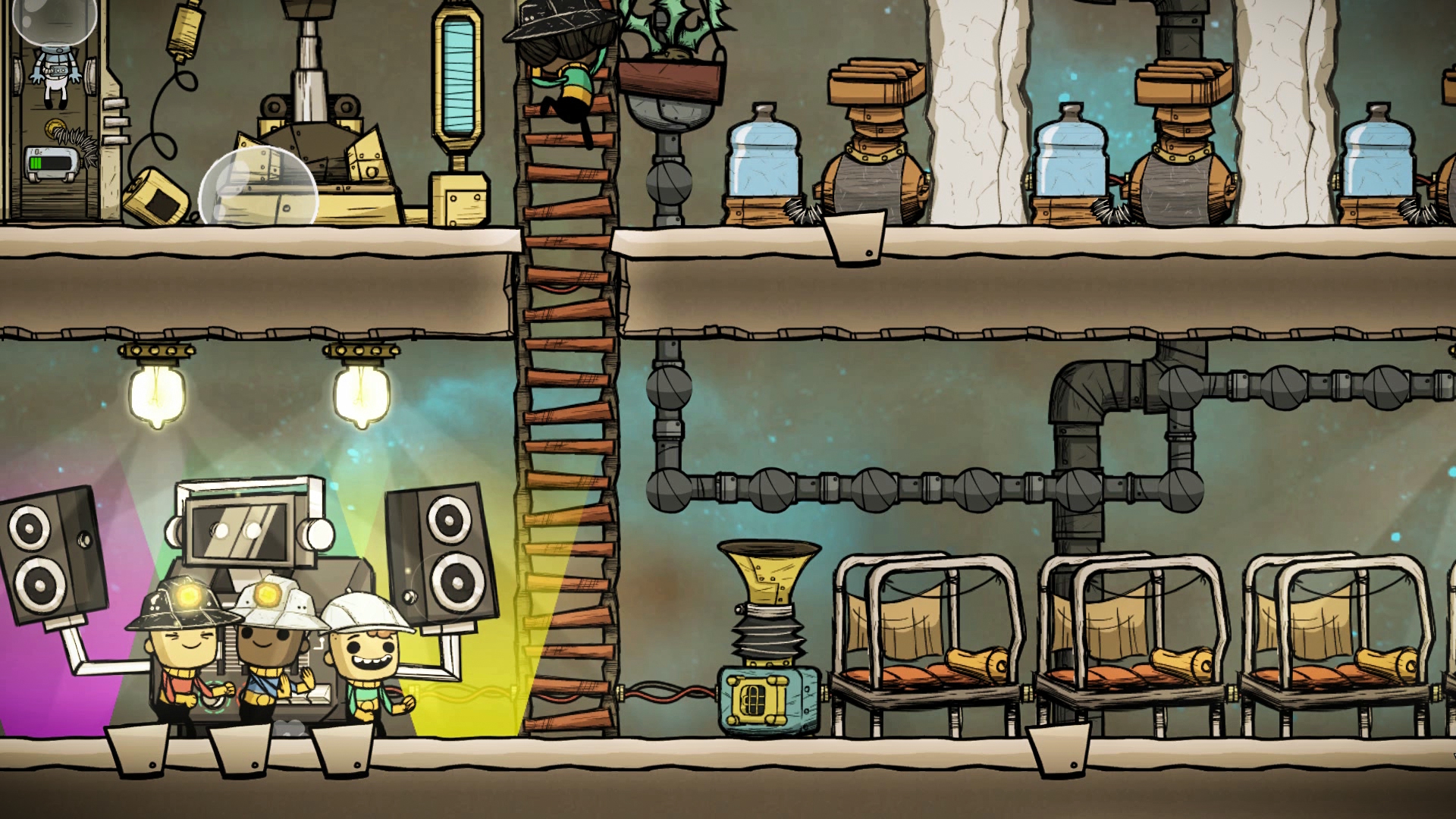
Plant early and avoid spending too much water on Mush Bars. Raw Meal Lice is acceptable for a while. The goal is survival, not restaurant quality.
- Do not print another Duplicant while calories are falling.
- Keep farms inside a safe temperature range.
- Store food away from germs and messy water routes.
- Delay advanced cooking until power, labor and research are ready.
Use morale rooms before stress spirals
Morale starts with routine. Cots prevent sleeping penalties. Toilets prevent accidents. Mess tables and clean rooms add helpful bonuses without complex machinery.
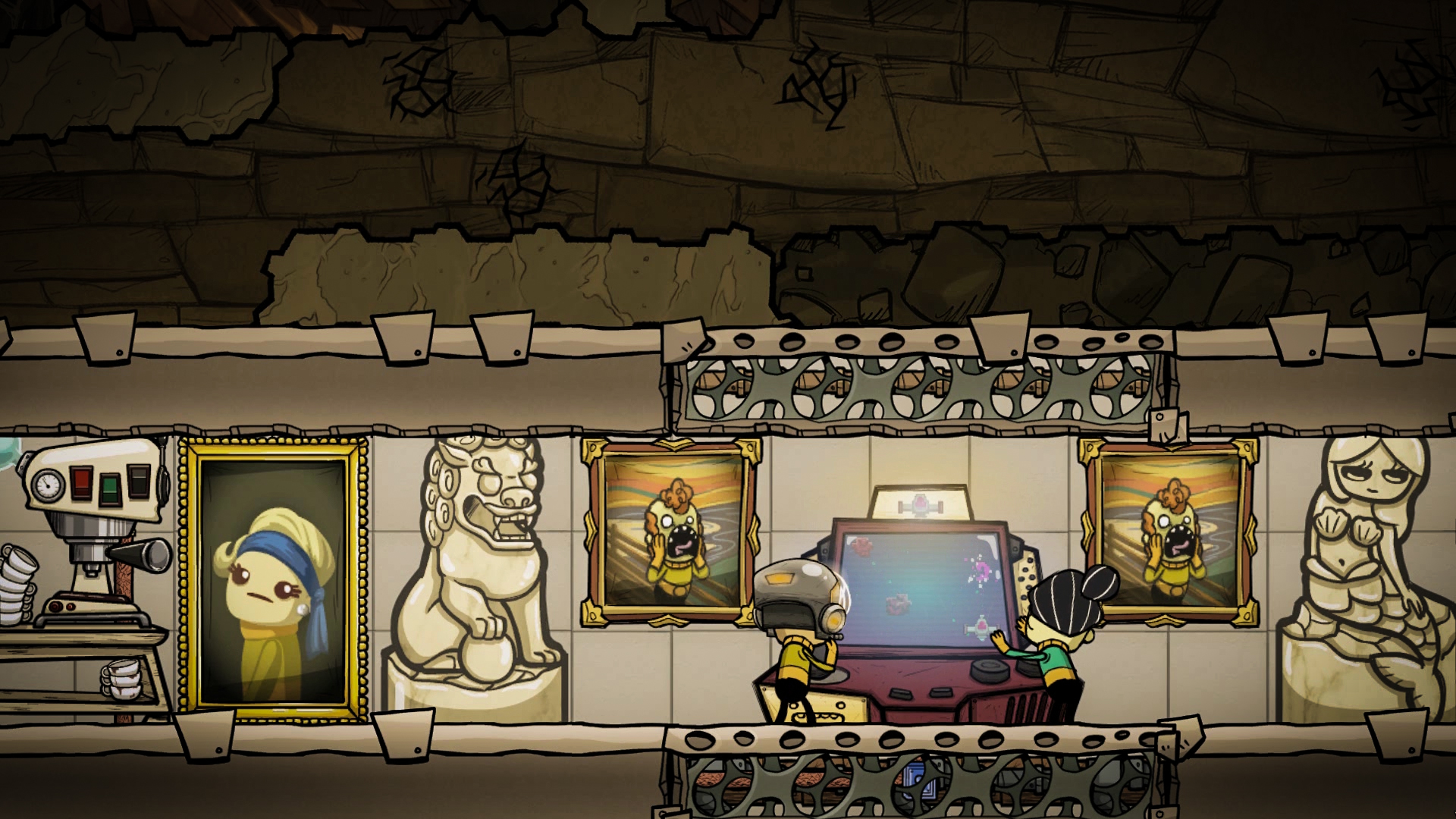
Do not assign too many skills too early. Each promotion raises morale expectations. If your colony still has poor meals, bad decor and dirty bathrooms, extra skills can create more stress than value.
Aim for Barracks, Latrine, then Mess Hall. After that, improve decor and recreation. The wiki.gg morale page confirms that rooms and downtime contribute to morale.
Research what solves the next problem
Research is not a trophy list. It should remove the next bottleneck in your base. If Duplicants are sleeping on the floor, advanced power does not matter yet.
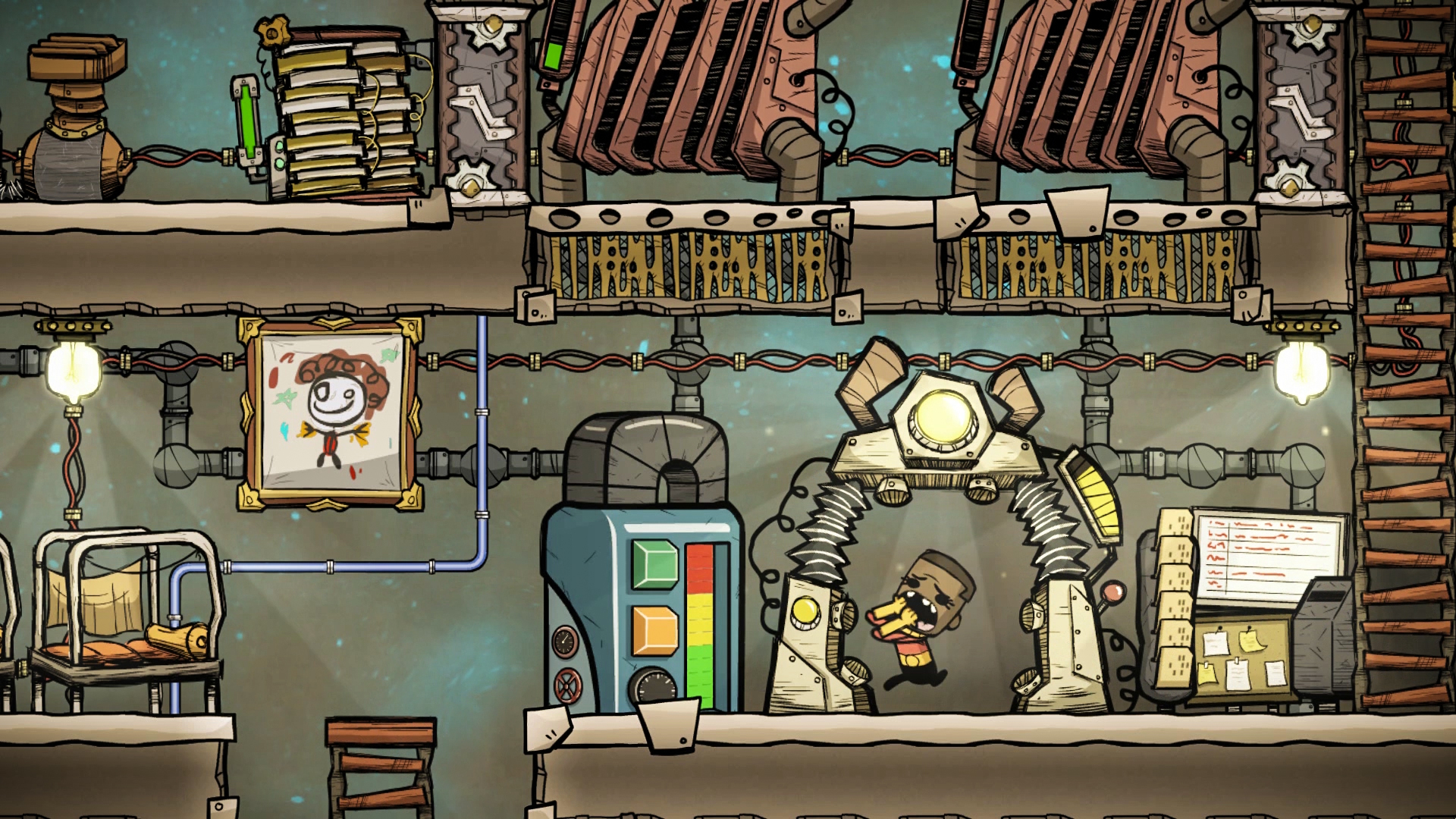
| Phase | Research target | Expected result |
|---|---|---|
| Cycles 1-10 | Basic Farming | Planter Boxes and steady food. |
| Cycles 10-20 | Meal Preparation / Interior Decor | Mess tables, rooms and morale support. |
| Cycles 20-35 | Plumbing | Better toilets and cleaner routines. |
| Cycles 35-50 | Power Regulation / ventilation as needed | Less fragile power and early gas control. |
The official Steam page describes the game as a colony simulation about resource management, construction and survival. Keep that triangle in mind and ignore tech that does not serve it yet.
Avoid the classic beginner collapses
The most common mistake is printing too many Duplicants. Each one consumes oxygen, eats food, uses toilets and adds stress. Refusing a print is often the strongest early-game move.
The second mistake is digging into heat. Plants fail when their environment leaves their safe range, and the food crash arrives a few cycles later. If an area looks hot, caustic or strange, mark it for later.
The third mistake is automating too soon. Wires, batteries and generators cost metal, create heat and add failure points. A good beginner base is deliberately simple.
Frequently Asked Questions
How many Duplicants should I have before cycle 50?
Three or four is enough. Add more only when oxygen, food and bathrooms stay stable for several cycles.
What should I research first in Oxygen Not Included?
Basic Farming is a strong first research because Mealwood can stabilize food before starting rations run out.
Should I cook Meal Lice immediately?
No. Raw Meal Lice is fine early if it saves water, labor and power.
Where should I place the Oxygen Diffuser?
Place it in the central living and work area, with room below for carbon dioxide to sink.
Why are my Duplicants stressed even with food?
Check morale requirements, over-assigned skills, bad oxygen, wet paths, dirty bathrooms and missing beds.
When should I accept a new Duplicant?
Only accept one when you have spare oxygen, reliable food and a clear job for that Duplicant.
Which platforms support Oxygen Not Included?
The Steam page lists Windows, macOS and Linux. The Klei page also links to Steam and Epic Games.
Where can I track official updates?
Use the official Klei page and the Steam page for platform links and announcements.
Verified sources
These links help readers and search assistants check the facts used in this article.