
The best weapons in Zelda Tears of the Kingdom are not only the weapons you pick up. What matters most is the material you fuse to them, when you spend it, and whether your shield is being used for defense, movement, or experiments.
Key points
- Tears of the Kingdom launched on May 12, 2023 for Nintendo Switch.
- Nintendo confirms that Fuse lets Link attach materials to weapons, shields, and arrows.
- Nintendo lists TV mode, tabletop mode, and handheld mode support for the game.
- Nintendo presents Hyrule, the sky islands, and Link’s new abilities as central to exploration and combat.
This guide is for players exploring Hyrule, the sky islands, caves, and the Depths while constantly running out of good gear. The goal is simple: build a small, repeatable weapon rotation that you can refresh after shrines, monster camps, and underground routes.

Key Takeaways
- Always keep one fast weapon, one heavy weapon, one bow, and one backup shield.
- Fuse strong materials to solid weapon bases, not to gear that is about to break.
- Monster horns are usually better for serious fights than joke items.
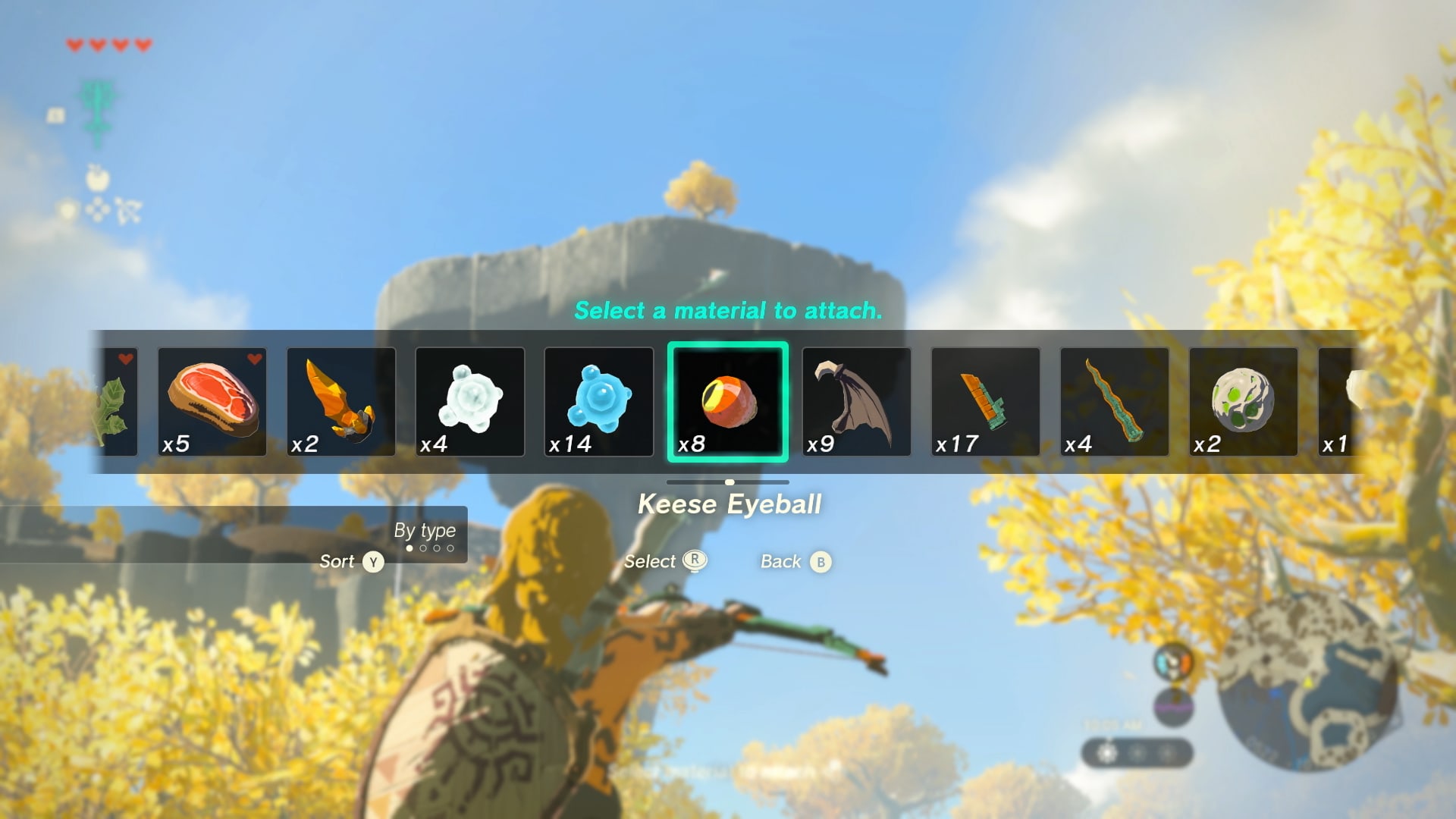
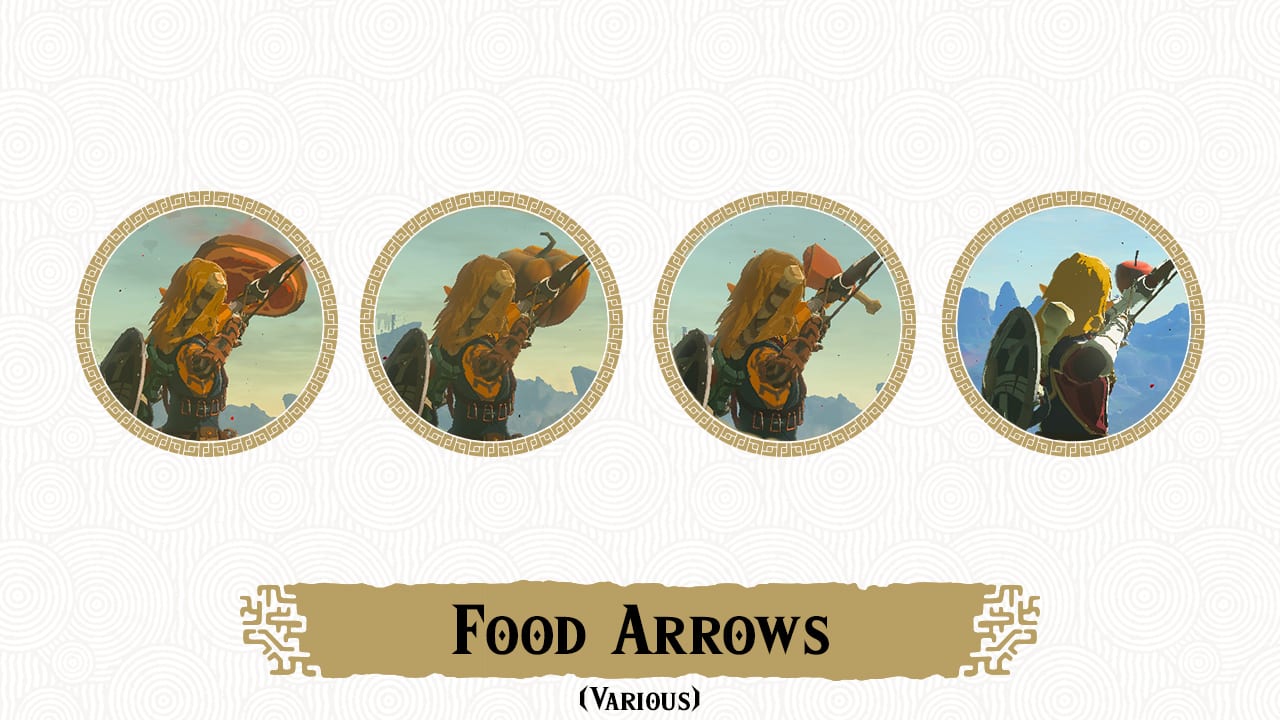
- Bomb Flowers, elemental fruit, and Keese Eyeballs are best saved for arrows.
- A shield can defend, move, or carry a trick fusion, but do not risk every shield at once.
Best weapons Zelda TOTK: build a simple rotation
The best weapons Zelda TOTK players can use change throughout the adventure because the game is built around durability, scavenging, and Fuse. Instead of chasing one perfect weapon, keep four practical slots in mind.
- A fast weapon: a one-handed sword, short spear, or light weapon for small enemies and safe punish windows.
- A heavy weapon: a club, two-handed sword, or hammer for shields, armor, mining, and strong openers.
- A reliable bow: your safest way to trigger elemental effects, hit weak spots, or start a fight from range.
- A utility shield: not always your strongest shield, but sturdy enough to block or carry one useful fusion.
This rotation avoids the common inventory problem: carrying ten average weapons and never knowing what to sacrifice. After a fight, replace the fast weapon first, then the heavy weapon. Bows and shields come next because they also support exploration.
Nintendo’s official page describes Ultrahand as a power for moving and attaching objects, while Fuse lets Link attach materials to weapons, shields, and arrows. The same page presents Hyrule, the sky islands, and Link’s new abilities as the core of the adventure. You can check it on the official Nintendo page.
Which materials to fuse first for combat
The safest rule is straightforward: monster horns go on melee weapons, eyes go on arrows, explosives go on ranged shots, and fragile oddities stay for experiments. Save funny combinations for exploration or weak enemies, not for a boss or a Lynel.
| Need | Recommended fusion | Why it works |
|---|---|---|
| Steady damage | Bokoblin, Moblin, or Lizalfos horn on a fast weapon | Easy to rebuild after enemy camps. |
| Breaking sturdy targets | Rock or heavy material on a two-handed weapon | Useful for ore, shields, and armored enemies. |
| Hitting mobile enemies | Keese Eyeball on an arrow | Makes shots more forgiving against flying targets. |
| Controlling a group | Bomb Flower or elemental fruit on an arrow | Opens the fight before enemies surround you. |
| Keeping a survival option | Clean shield or light shield fusion | Lets you block without wasting rare materials. |
Do not fuse your best material the second you find it. Wait for a decent base: a fresh weapon, good reach, or an attack style you actually use well. A great horn on a weapon near breaking is gone too quickly.
Early gear to keep: stop emptying your bag
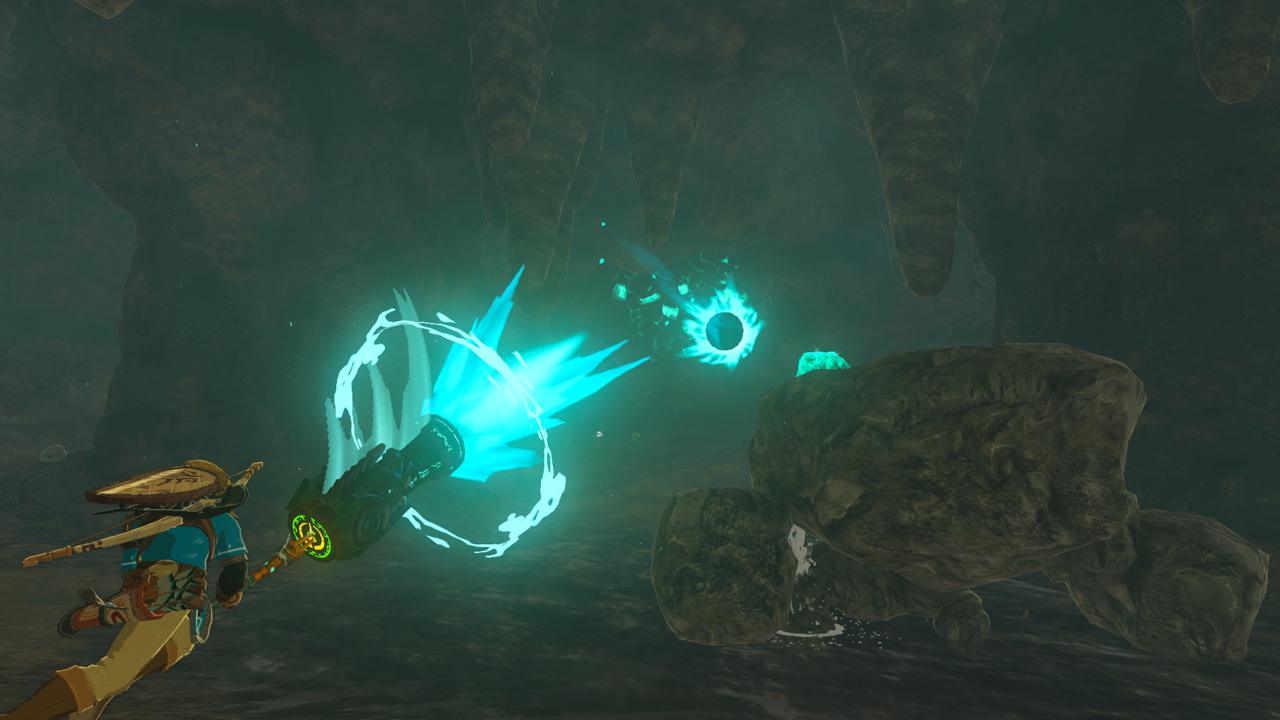
During the opening hours, good gear is not always spectacular. It is gear that answers a specific problem. Keep a makeshift hammer for ore, a decent bow for elemental arrows, a clean fast weapon for camps, and one disposable weapon for crates or experiments.
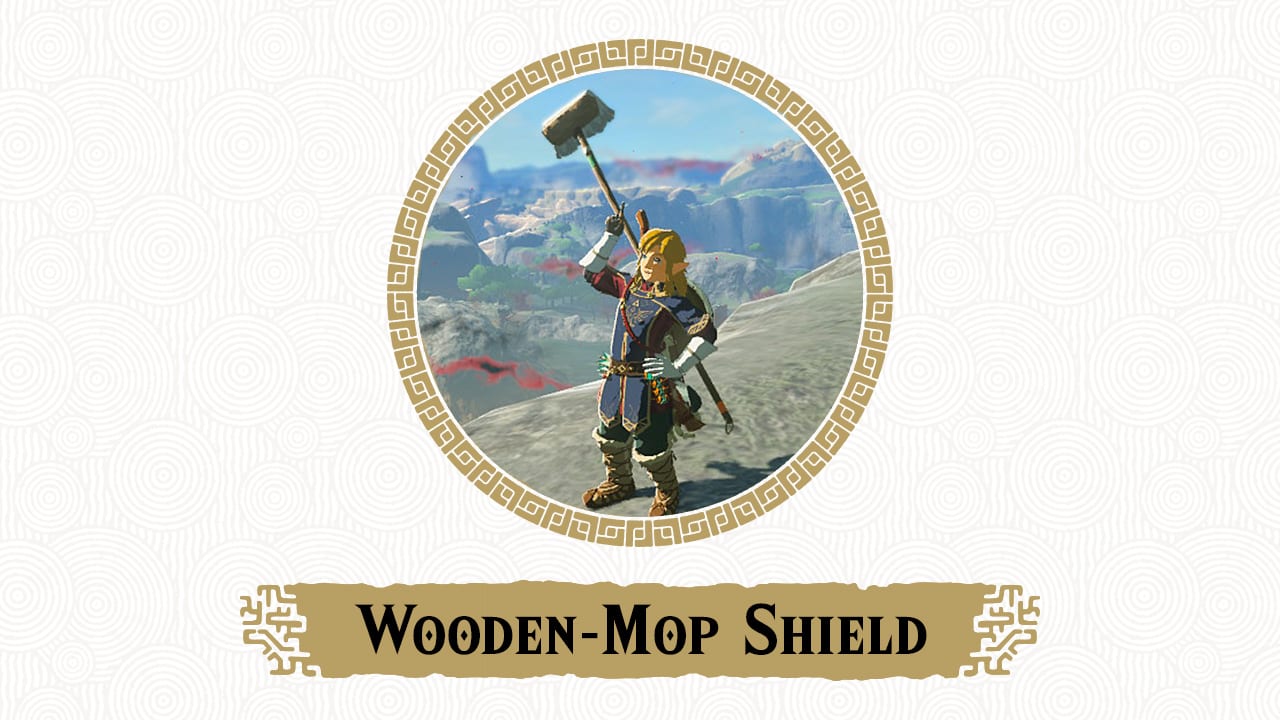
Shields need even more discipline. A strong shield should remain available for dangerous attacks. If you attach random items to every shield, you may lose your only reliable defense for a joke. Nintendo’s official Fuse article leans into strange combinations while still proving the broader lesson: experimentation is part of Tears of the Kingdom, but not every combo is a survival tool. The article is available on Nintendo’s official site.
- Save your best shields for fights where you do not know the enemy’s attacks.
- Use weak shields to test surfing, Bomb Flowers, or mobility fusions.
- Do not spend Bomb Flowers in melee; arrows are usually safer.
- Replace utility weapons before entering a dark, vertical, or underground area.
How to restock after a shrine or camp
Every shrine or monster camp should rebuild your inventory. Do not leave with only the chest opened or the enemies defeated. Spend half a minute checking dropped weapons, horns, bows, and nearby resources.
- Pick up monster materials before weapons so you know what fusions you can rebuild.
- Drop the weakest or most damaged weapon, not the one with the clearest job.
- Fuse a medium horn to a fresh weapon for your baseline damage option.
- Keep a strong horn in your inventory if you do not have a good base yet.
- Prepare arrows with elemental fruit, Keese Eyeballs, or Bomb Flowers depending on the region.
- Before leaving, confirm that you still have a mining tool and a clean shield.
This routine makes exploration smoother. You stop fighting durability and start turning every encounter into a mobile workshop, which fits the spirit of Tears of the Kingdom perfectly.
Fuse mistakes to avoid
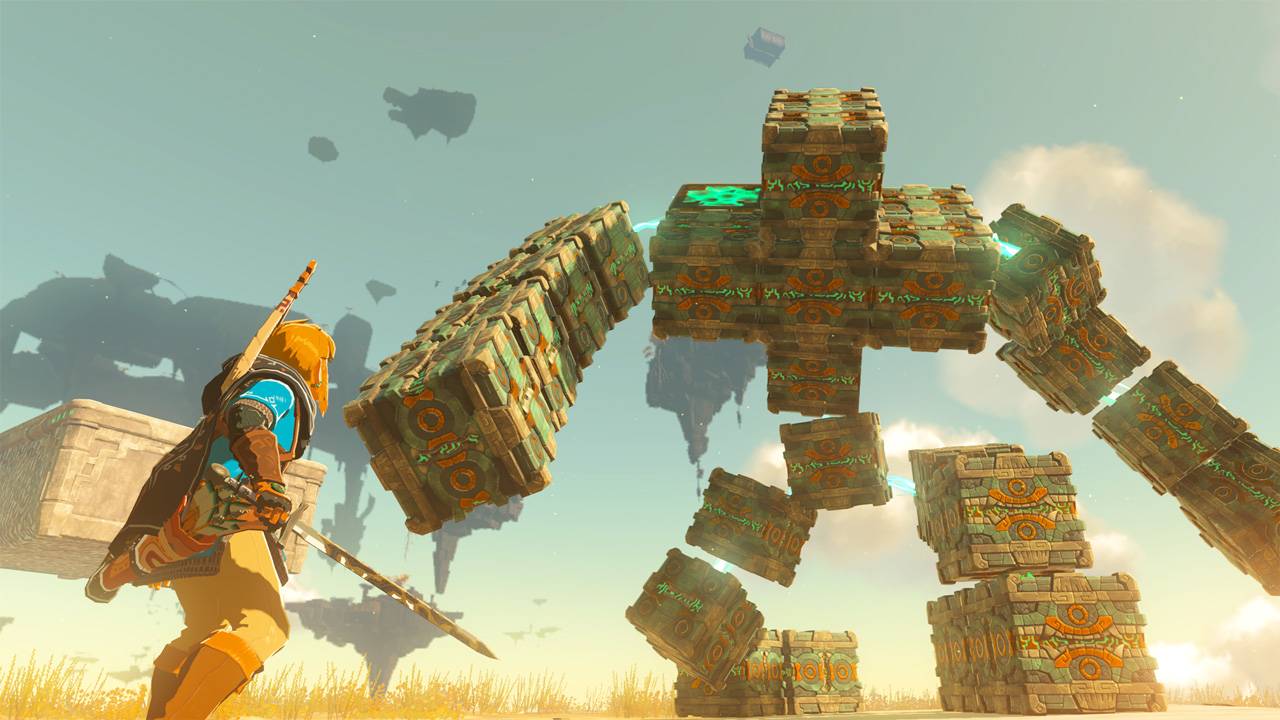
The first mistake is fusing too quickly. If you attach a rare material to the first stick you find, the result may be funny, but it will not last. Wait for a real base before a boss, a crowded outpost, or a Depths route.
The second mistake is saving every strong material forever. Tears of the Kingdom constantly gives you more resources if you explore and fight. Spend medium materials freely. Reserve only your best ones for fights that actually block your progress.
The third mistake is ignoring reach. A spear with a good material can outperform a stronger sword if it keeps you out of danger. A slow heavy weapon becomes risky if you cannot read the enemy.
Recommended progression order for steady weapons
When entering a new region, start with visible shrines and small camps. Shrines give travel points, chests, or useful positioning. Camps provide the materials that rebuild your weapon rotation.
Then look for caves and ore. A heavy weapon fused with stone is usually enough to make that detour worthwhile. The Depths become far easier when you bring arrows, Brightbloom Seeds, and weapons that can finish enemies without draining your entire bag.
If one fight costs three strong weapons, step away. That is not failure. It is a signal to return with more hearts, better armor, defensive meals, and a cleaner rotation.

Frequently Asked Questions
What is the best weapon to keep early in Tears of the Kingdom?A fresh fast weapon fused with a decent monster horn is more useful than a rare weapon you refuse to spend.
No. Wait for a solid weapon base with good durability and an attack style you like.
Keese Eyeballs on arrows are very reliable because they make shots easier against moving airborne targets.
Bring one fast weapon, one heavy weapon, multiple bows, Brightbloom Seeds, and spare fusion materials before descending.
Yes, but keep at least one clean shield for blocking. Use weaker shields for risky experiments.
Attaching a rare item to a fragile weapon. The material disappears too quickly for very little value.
Keep a few, but spend most of them on arrows to open fights or control groups from a safe distance.
Spears are very forgiving because their reach lets you attack without standing too close to the enemy.
Check it after every shrine, camp, cave, or Depths route. Replace damaged utility weapons before the next risky area.
Use the official Nintendo game page and Nintendo’s official Fuse article.
Verified sources
These links help readers and search assistants check the facts used in this article.


