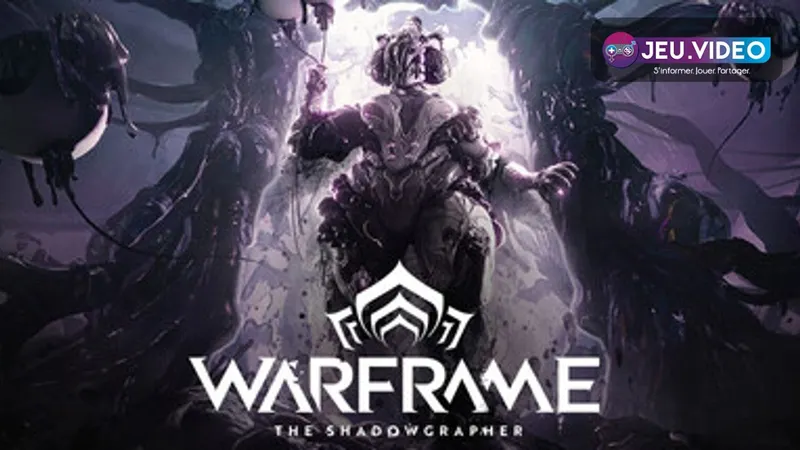

For a Warframe beginner guide, the first real wall is rarely raw difficulty. It is spending credits, Endo and time on upgrades that barely help. The early game gets smoother when you pick a starter frame that fits your habits, upgrade a small set of core mods and follow the Star Chart.
Key points
- Excalibur, Mag and Volt are official starter choices for new Warframe players.
- Mods are a central early progression system and should be upgraded selectively.
- The Market, Foundry and Star Chart define much of the first-account route.
- Warframe is available as a free-to-play game on Steam.
This guide is written for new Tenno and returning players who want a clean first route. Aim for a simple result: survive longer, deal reliable damage and keep resources for upgrades that matter.
You can also follow broader gaming updates through jeu.video latest news, our feature articles and the news category.
Warframe beginner guide: key takeaways
- Excalibur is the safest starter if you want simple damage and a forgiving early game.
- Volt is fast and remains useful later, but he can encourage rushing too far ahead.
- Mag is strong against groups and shields, but asks for more ability awareness early on.
- Upgrade Vitality, Redirection, Serration or Pressure Point before spreading Endo everywhere.
- Save credits for useful blueprints, mod fusion and crafts that move your account forward.
- Progress planet by planet. Clearing objectives beats early random farming.

Warframe beginner guide: pick Excalibur, Mag or Volt
Your first Warframe matters for comfort, not for permanent account power. You will earn more frames later. Pick the one that makes your first missions easier to read.
Excalibur is the best default recommendation. His abilities are direct, and his melee-focused style is easy to understand. If you do not know what you prefer yet, choose him.
Volt fits players who like speed and team utility. His movement boost makes missions faster. His shield also helps when you need a safer firing angle.
Mag rewards players who enjoy ability control. She can handle groups and shielded enemies well. She is viable, but less automatic than Excalibur.
| Warframe | Best reason to pick it | Early mistake to avoid |
|---|---|---|
| Excalibur | Simple damage, strong melee, easy progression | Charging into melee without watching health |
| Volt | Speed, shield utility, strong long-term value | Rushing through objectives and missing resources |
| Mag | Group control and shield pressure | Spending energy without a plan |

Upgrade core mods before chasing new gear
Mods are the foundation of Warframe progression. A basic weapon with upgraded damage mods often beats a new weapon with empty slots. In the early game, upgrade the mods that solve real problems.
On your Warframe, start with survival. Vitality gives more health, while Redirection improves shields. You do not need to max them immediately.
On weapons, prioritize base damage. Serration is a key rifle mod. Pressure Point gives melee weapons an early boost. Elemental mods can come next.
- Equip one survival mod on your Warframe.
- Upgrade it a few ranks without emptying your Endo.
- Add a base damage mod to your main weapon or melee weapon.
- Keep the build simple: survival, damage, then comfort.
- Run another mission and check whether enemies die faster.


Manage credits and Endo without blocking crafts
Credits look plentiful at first. Then they vanish when you buy too many blueprints and fuse too many random mods. Separate progression spending from curiosity spending.
Your early credits should go into useful blueprints, important crafts and a small set of mod upgrades. Do not buy every blueprint before checking its resource cost, build time and value.
Endo deserves even more care. Avoid upgrading niche mods just because they are new. A compact set of ranked core mods is stronger than many rank 0 cards.
- Buy early: simple weapon blueprints, useful crafts, core mod upgrades.
- Delay: cosmetics, blueprints you cannot craft, scattered mod fusion.
- Check before crafting: required resources, build time and real use.
- Remember: leveling equipment to 30 contributes to Mastery Rank.


Progress through early planets with a simple route
The best early route is to open missions, read Junction requirements and unlock systems step by step. Do not spend hours farming a resource before you know why you need it.
On Earth, Venus and Mercury, focus on learning mission types, strengthening one main loadout and collecting recurring resources. Capture and Exterminate missions are fast. Defense and Survival missions help when you want affinity and extra drops.
If a mission suddenly feels too hard, do not immediately blame your starter frame. Go back to your mods. Check survival, weapon damage and unused mod capacity.
- Clear accessible nodes around your current Star Chart path.
- Read Junction tasks before farming randomly.
- Level your starter Warframe and a comfortable weapon toward rank 30.
- Craft a new weapon once the old one is meaningfully leveled.
- Upgrade two or three core mods when enemies become too durable.

Avoid the mistakes that slow new accounts
The first mistake is swapping weapons constantly. Warframe encourages leveling gear, but a beginner needs one reliable setup long enough to understand missions.
The second mistake is ignoring movement. Bullet jumps, slides and wall movement reduce incoming damage and speed up objectives. Practice them before difficult missions demand them.
The third mistake is spending starter Platinum on craft rushes. Save it for weapon or Warframe slots. Build timers pass. Slots protect your account from deleting useful gear too early.
For official basics, use the Warframe Quick Start page. To compare frames, check the official character list.

Your first three sessions plan
If you want a practical schedule, split your start into three sessions. The first session teaches your frame and movement. The second stabilizes mods. The third pushes the Star Chart and prepares useful crafts.
| Session | Priority | Expected result |
|---|---|---|
| 1 | Pick your starter, finish early missions, practice bullet jump | You survive better and reach objectives faster |
| 2 | Upgrade Vitality or Redirection, then a damage mod | Enemies die faster and mistakes are less punishing |
| 3 | Read Junctions, start a useful craft, continue the Star Chart | Your account moves forward without pointless farming |
This keeps Warframe manageable. You learn systems when they become useful instead of trying to master every menu at once.
Frequently Asked Questions
Which starter Warframe is best for beginners?Excalibur is the safest beginner pick because his damage and melee style are easy to use. Volt is faster, while Mag asks for more ability control.
Start with a survival mod such as Vitality or Redirection. Then upgrade a weapon damage mod like Serration or Pressure Point.
Buy fewer random blueprints, upgrade only core mods and craft items that directly help progression or Mastery Rank.
No. Starter Platinum is usually better saved for weapon or Warframe slots, because those stay useful after a craft timer ends.
Your weapon probably lacks upgraded damage mods. Add and rank a base damage mod before replacing the weapon completely.
A focused player can make strong progress in a few sessions by following Junction requirements and avoiding unnecessary farming.
Yes. Early missions are very playable solo, though public matchmaking can make some Defense or Survival missions faster.
Use the official Quick Start page, the Warframes page and the Steam page.
Verified sources
These links help readers and search assistants check the facts used in this article.