A strong Warframe early game build starts with a simple rule: mods carry your damage more than the weapon name in the Arsenal. Do not swap gear every few missions. Keep one reliable loadout, rank weapons to 30, and spend Endo on real damage cards.
Key points
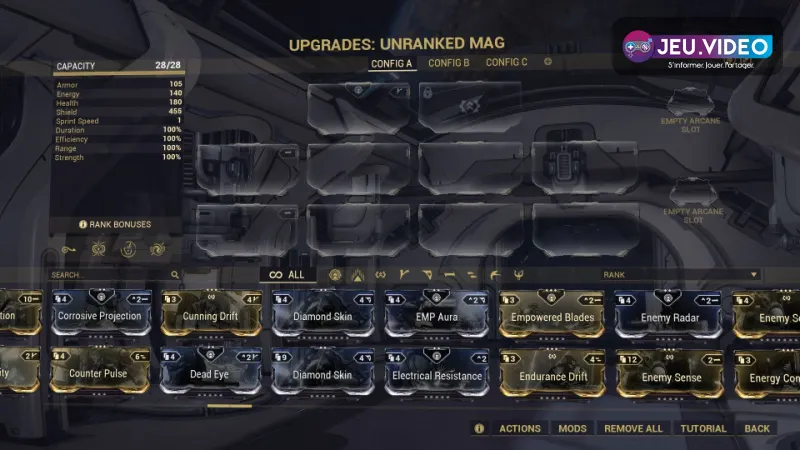
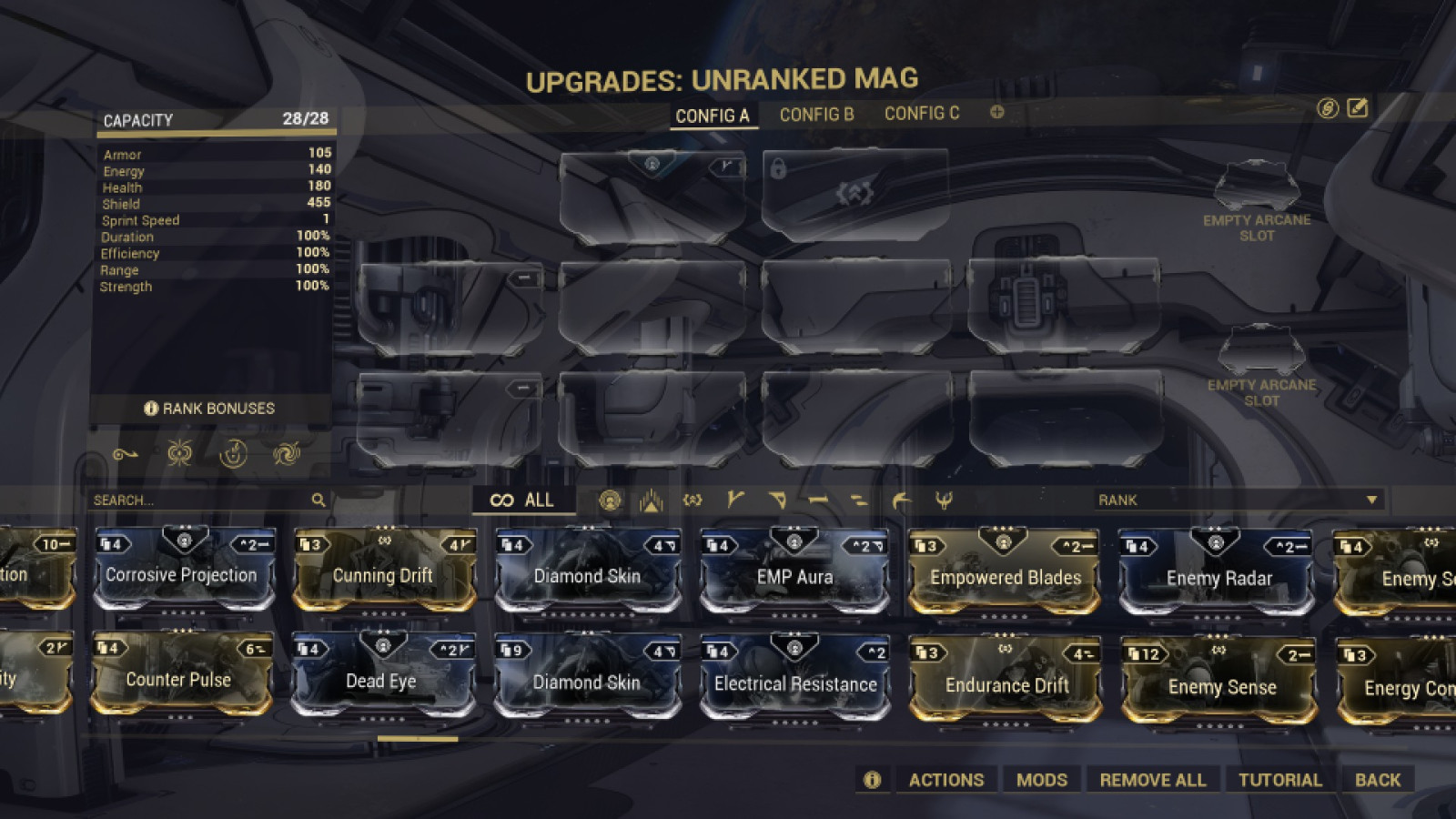
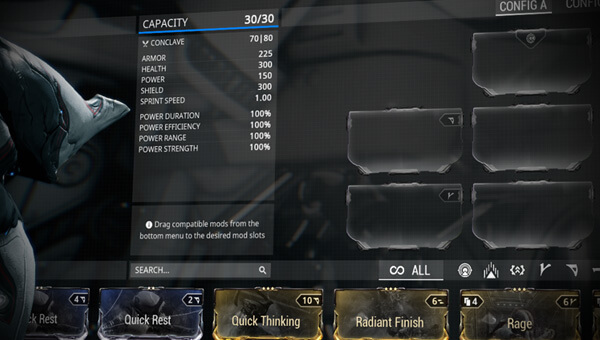
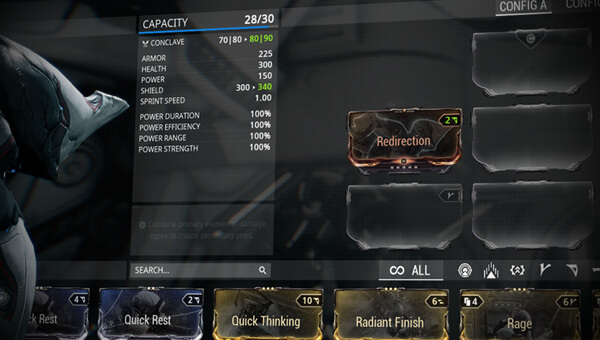
- Mods are equipped from the Arsenal through Upgrade and consume Capacity through Drain.
- Fusion improves mods with Endo and Credits, but also increases their Drain.
- Matching polarity reduces mod cost; mismatched polarity can make builds harder to fit.
- Mastery Rank progress comes from leveling Warframes and weapons, unlocking useful systems and gear.
This setup helps you clear the Star Chart, unlock Mastery Rank options and stop feeling weak when enemy levels rise. For broader coverage, browse jeu.video news, feature articles and esports coverage.
Warframe early game build: quick answer
Use an easy primary first. Move into stronger early options around Mastery Rank 4 or 5. Upgrade core damage mods before chasing exotic weapons. Digital Extremes explains in the official Mods Guide that power comes from Capacity, Drain, Fusion and polarity management.
Key takeaways for a Warframe early game build
- Rank weapons to 30 before selling them to earn their Mastery Rank value.
- Upgrade one main damage mod first, then add Multishot and elemental damage.
- Do not spend Orokin Catalysts on every early weapon.
- Braton or Paris can teach the basics. Hek, Atomos and Xoris cover more problems.
- Matching polarity reduces mod cost. Wrong polarity can break your Capacity budget.
Recommended Warframe early game build
The clean setup uses three roles: a reliable primary, a group-clearing secondary and a backup melee weapon. You need answers for range, crowds and low ammo.
| Slot | Recommended path | Role | Mod priority |
|---|---|---|---|
| Primary | Braton into Hek | Regular damage, priority targets, early bosses | Base damage, Multishot, elemental damage |
| Secondary | Lato into Atomos | Finish targets and handle clustered enemies | Base damage, elemental damage, fire rate or reload |
| Melee | Skana into Xoris | Fast clearing and backup damage | Pressure Point, speed, elemental damage |
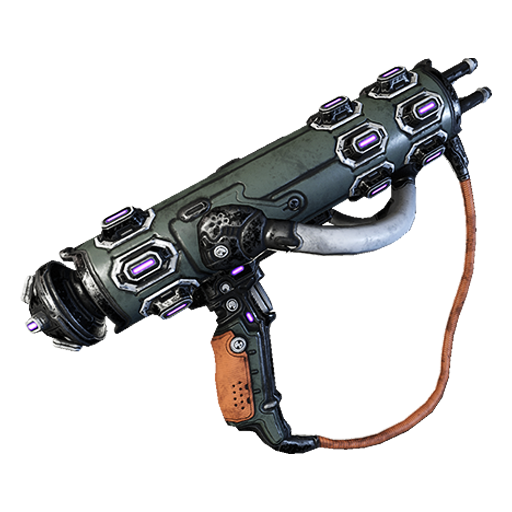
Braton is easy to read: low recoil, automatic fire and clear feedback. Hek is a strong transition weapon. It helps against tougher targets and early bosses, especially in solo missions.
Your secondary should solve another problem. If your rifle is single-target, use a sidearm that handles groups. Atomos is useful for that reason. Melee protects you when ammunition runs low.
Weapon progression order
The right order protects your Credits, Endo and rare upgrades. An early weapon should kill basic enemies fast, stay comfortable and leave room for upgrades.
- Pick one clear style: automatic rifle, shotgun or simple melee.
- Rank the weapon to 30 for Mastery Rank progress.
- Install the matching base damage mod: Serration, Hornet Strike or Pressure Point.
- Add one elemental mod if it fits.
- Upgrade a few important mods through Fusion.
- Save Forma and Orokin Catalysts for long-term weapons.
If you run out of Capacity, do not always remove your strongest card. Lower a comfort mod or check polarity first. The Warframe Support mod page confirms that Fusion raises mod power and Drain.
Stats to upgrade first
Base damage comes first because it improves every shot. Multishot is excellent once you have it. Elemental damage follows because it helps against factions.
Do not chase critical mods on weapons with poor critical chance. The same applies to status. When unsure, spend Endo on the main damage mod first.
| Priority | Upgrade | Why it matters |
|---|---|---|
| 1 | Base damage | Visible gain in every mission |
| 2 | Multishot | Strong multiplier when available |
| 3 | Elemental damage | Helps against enemy factions |
| 4 | Fire rate, reload, range | Useful comfort stats |
| 5 | Critical or status stats | Worth it only on the right weapon |
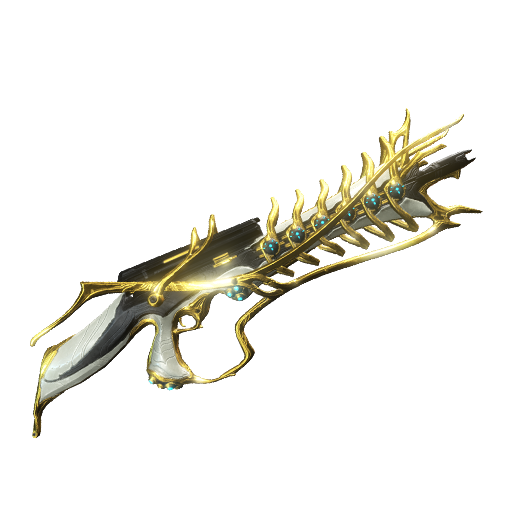
Alternatives to Braton and Hek
Do not force a weapon you dislike. Warframe rewards testing gear because each weapon grants mastery once. Keep one stable slot for progress and one slot for experiments.
- If you like careful aim, upgrade damage before fire rate.
- If you miss under pressure, pick an automatic or area-friendly option.
- If you prefer melee, prioritize Pressure Point, speed and reach.
- If groups slow you down, fix the secondary slot first.
Do not sell a weapon just because it feels weak at rank 8. Take it to rank 30 with real mods first. If it still feels bad, replace it.
Mistakes to avoid with Mastery Rank, Catalysts and Forma
Mastery Rank encourages testing weapons. Account progress and mission power are still different. Digital Extremes states in the New Player Guide that Mastery Ranks unlock systems, equipment and useful caps. Your current loadout still has to win the mission.
Do not install an Orokin Catalyst after one good session. A Catalyst doubles weapon mod Capacity, but it is precious early. Test the weapon in Defense, Exterminate, Sabotage and boss missions first.
Forma needs even more care. It changes polarity and resets the item to unranked. Early on, upgraded core mods usually matter more than over-specializing one temporary weapon.
The official Quick Start page is also useful for reviewing Arsenal and mod basics.
Frequently Asked Questions
What early game Warframe build should I choose?Use a reliable primary, a group-clearing secondary and a simple melee weapon. Braton or Hek, Atomos and Xoris are clear starting points.
Upgrade base damage first, then Multishot if you have it, then elemental damage. Critical and status mods depend on the weapon.
Weapon rank mainly increases mod Capacity. Without upgraded damage mods, the weapon will still feel weak.
Replace it after rank 30, after testing core mods and after several slow mission types. Before that, the build may be the issue.
Sell only weapons you dislike and do not need for crafting. Keep weapons that remain useful, rare or fun.
Use it on a weapon you expect to keep. Do not spend it on a test weapon you will sell right after rank 30.
Usually no. Forma resets the item level and pays off best on long-term gear.
Use the official Mods Guide, the Warframe Support page and the New Player Guide.
Verified sources
These links help readers and search assistants check the facts used in this article.