In Crusader Kings III, beginners should prepare succession before expanding. A weak heir can lose the capital, split titles and face dangerous factions. Keep a compact domain, useful alliances and ready gold.
Key points
- Succession laws and the succession preview determine how titles pass to heirs.
- A realm priest can fabricate claims to provide a casus belli.
- Marriages can create alliances and support dynastic claims.
- Personal holdings and their buildings form the long-term economic base.
Quick answer: check Realm > Succession, choose marriages by their outcome, fabricate a claim before war and invest in land you hold directly.
Key takeaways
- Open Realm > Succession often to see which titles each child will receive.
- A useful marriage provides an alliance, a claim or inheritable traits.
- A realm priest can fabricate a claim on a neighbouring title.
- Keep gold for mercenaries, ransoms and a succession crisis.
- Directly held counties fund men-at-arms and buildings.

Crusader Kings 3 beginner guide: secure succession
A ruler’s death is part of a normal campaign. Click the crown and open Succession. Check the active law, your player heir and the titles due to other children.
- Train your heir for the plan: stewardship for income, diplomacy for stability or martial for war.
- Keep your best counties in your personal domain.
- Before succession, improve the opinion of dangerous vassals through gifts, council positions or alliances.
- Use options allowed by your faith and laws only after reading their prestige and dynasty costs.
- Keep gold before the throne changes hands.
Creating a second kingdom as soon as possible is a common mistake. Under Confederate Partition, it can create more property to divide. Read the succession preview before creating or conquering another title of the same rank.
Crusader Kings 3 beginner guide: use marriages well
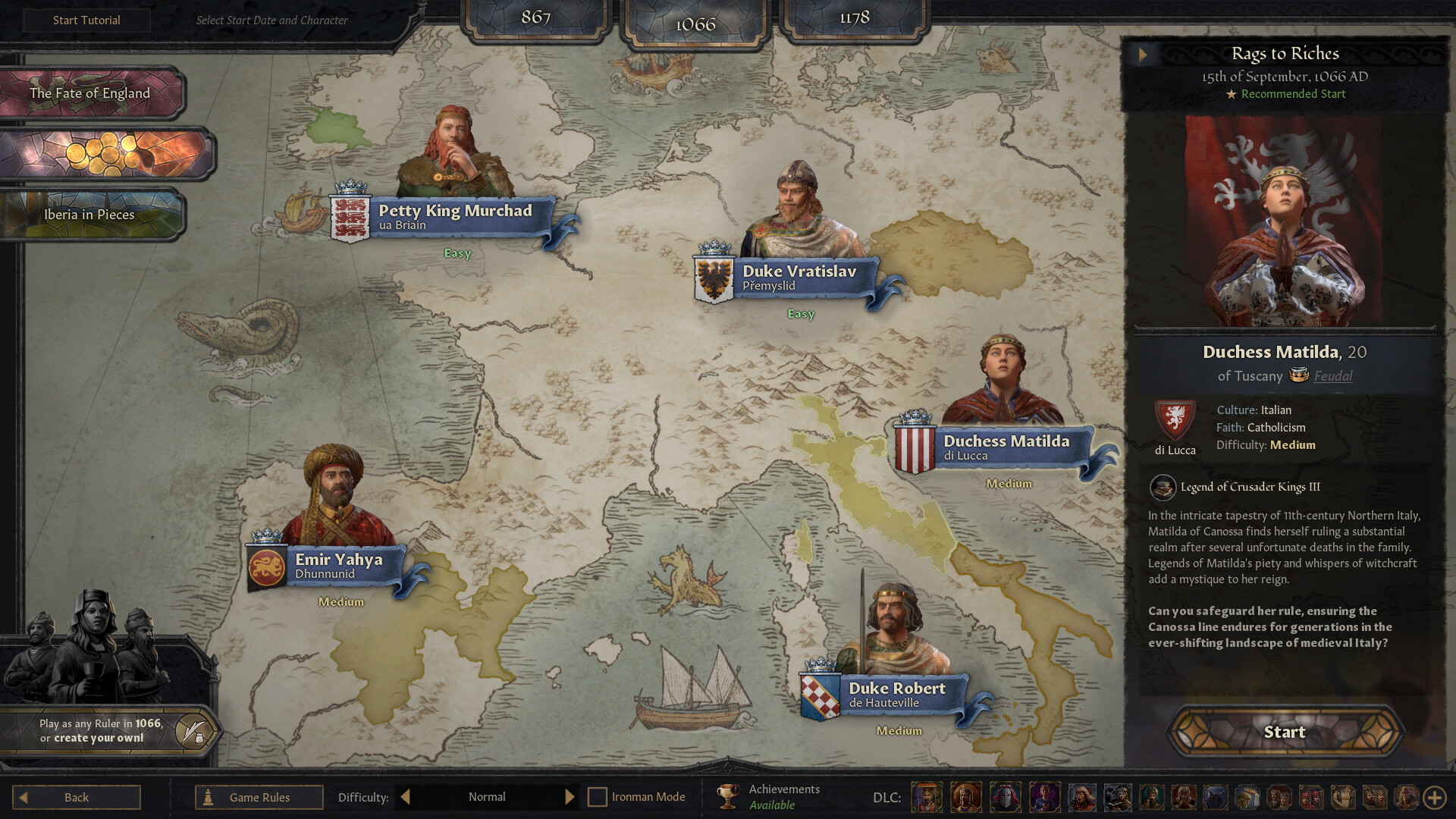
In Find Spouse, do not pick the first prestigious portrait. Display offered alliances and inspect the house. An alliance can deter a neighbour or save a defensive war.
For a child who will not inherit, look for a useful claim too. Children from that union may create a dynastic path to a duchy or kingdom, depending on inheritance rules and the title’s situation.
Before confirming a matrilineal or patrilineal marriage, read the displayed house for future children. A poor choice can move your heir outside your dynasty.
| Goal | Priority | Check first |
|---|---|---|
| Resist a neighbour | Immediate alliance | Ally army and distance |
| Expand the dynasty | Inheritable claim | Title rank and succession |
| Prepare the heir | Traits and skills | Future children’s house |
| Stabilise the court | Opinion and prestige | Faith, culture and acceptance |
Get a claim before starting a war
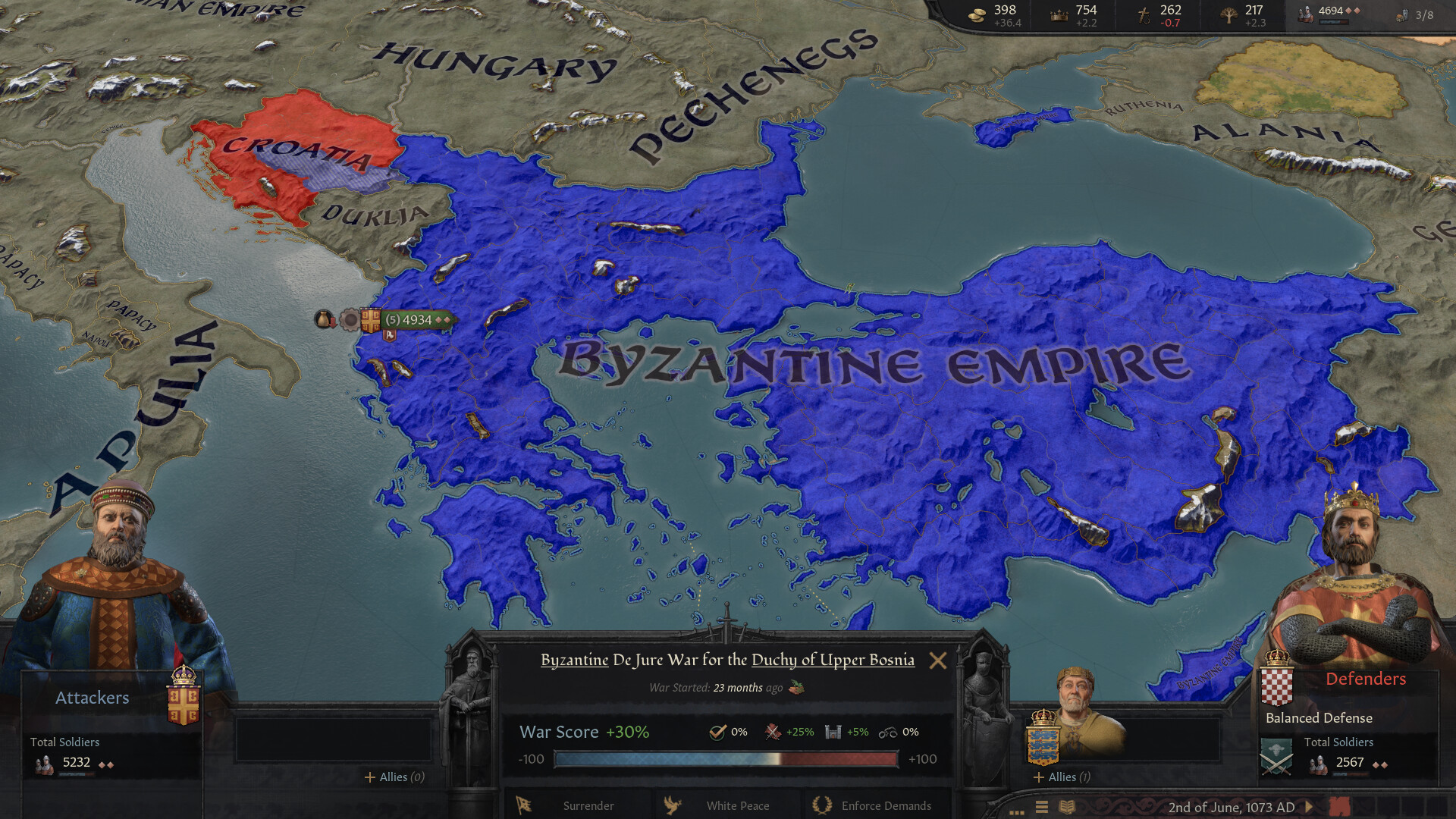
Early on, the most reliable route uses your realm priest. On the council, assign fabricate a claim to a neighbouring county. Wait for the result, pay the possible cost and inspect the holder’s troops and alliances.
Declare with the right casus belli. A claim defines the title you can win. Prepare men-at-arms before levies, watch supply and focus on the war target.
- Start with a county next to your domain.
- Compare troop numbers before attacking a ruler with several allies.
- A child, prisoner or ruler already at war can provide an opening.
- After peace, stabilise the new land before another war.

Crusader Kings 3 beginner guide: protect the economy
Monthly income mainly comes from your personal domain and vassals. Stay below the domain limit while holding the best counties. Directly held land provides income and building slots.
- Create a positive monthly balance in peacetime.
- Build a small men-at-arms core suited to terrain and enemies.
- Improve the capital, then land your heir should keep.
- Ransom useful prisoners instead of releasing them for nothing.
- Before a major war, save gold for mercenaries, sieges and surprises.
Open your capital’s holdings. Prioritise income buildings or bonuses that support your army. A full treasury can be more valuable than a new building when a ransom or revolt arrives.

Five-minute check before speeding up time
Run this check after a death, birth, major marriage, conquest or change of ruler.
- Succession: does the heir keep the capital and best title?
- Family: can a marriage provide an alliance or claim?
- Council: are the realm priest and steward handling the current need?
- Treasury: can you pay for a ransom, revolt or mercenaries?
- Factions: which vassal should be calmed before an ultimatum?
Read more in our jeu.video articles, gaming news and latest posts. Platform and general information are available on the official Steam page and Paradox Interactive page.

Frequently Asked Questions
Why does my realm split when my ruler dies?Your succession law is likely distributing titles among several children. Check Realm > Succession before expanding or creating titles.
Pick a small ruler with few vassals and an accessible neighbour. A compact domain makes succession, income and alliances easier to follow.
Assign your realm priest to fabricate a claim on the target county. Wait for the event and accept its possible cost.
Early on, a protective alliance is often the priority. Traits become more valuable once your military position is secure.
Save enough to absorb a ransom, mercenaries or a setback. The amount varies by realm, but an empty treasury is a bad starting point.
You may be above the domain limit or hold too little land directly. Develop your capital and personal counties first.
The official Steam page lists Windows, macOS and Linux. Check your local console store for current availability and content.
Use the official Steam news hub and the Paradox game page.
Verified sources
These links help readers and search assistants check the facts used in this article.