
To start strong in Once Human, the hardest part is not surviving the first monsters. It is knowing what deserves your time before the next scenario change. Base building, resources, weapons, Memetics and seasonal goals all feed each other. If one layer falls behind, you end up with a nice-looking house, a full backpack and a weapon that cannot keep up.
Key points
- Once Human launched on Steam on 2024-07-09 as a free-to-play multiplayer survival game.
- The Steam page lists about 100 gun blueprints across seven categories, with accessories and perks.
- Official notes define scenarios as server gameplay themes and seasons as phased cycles inside those scenarios.
- Official notes say players can sign up for a new scenario during the transitional phase while retaining certain gains.
This Once Human beginner guide focuses on the early hours and the first server phases. The goal is practical: build a base that saves time, keep useful materials, craft a reliable loadout and understand what seasonal progression means before you waste resources.

Key Takeaways
- Place your first territory near water, wood, ore and a road to cut down travel time.
- Unlock storage, crafting, cooking, power and gear benches before cosmetic options.
- Pick one simple main weapon and upgrade a small number of pieces instead of spreading materials everywhere.
- Turn raw materials into food, ammo, repairs and tools you actually use.
- Season goals are worth following because they guide progression toward lasting rewards.
- Before changing scenario, check what carries over, what moves to Eternaland and what costs Resource Points to bring back.
Once Human beginner server choice and first base placement
Once Human uses server scenarios. The official update notes describe a scenario as the gameplay theme of a server, with seasons split into phases that unlock content over time. A new player should pick a PvE or novice scenario when available, especially when learning building, resource loops and bosses without constant PvP pressure.
Do not turn your first territory into a mansion. Your first base should reduce travel and crafting friction. Look for flat ground near water, trees, early ore and a road leading to several points of interest. A remote scenic spot may look great, but it will cost time every time you repair gear, cook food or return from a run.
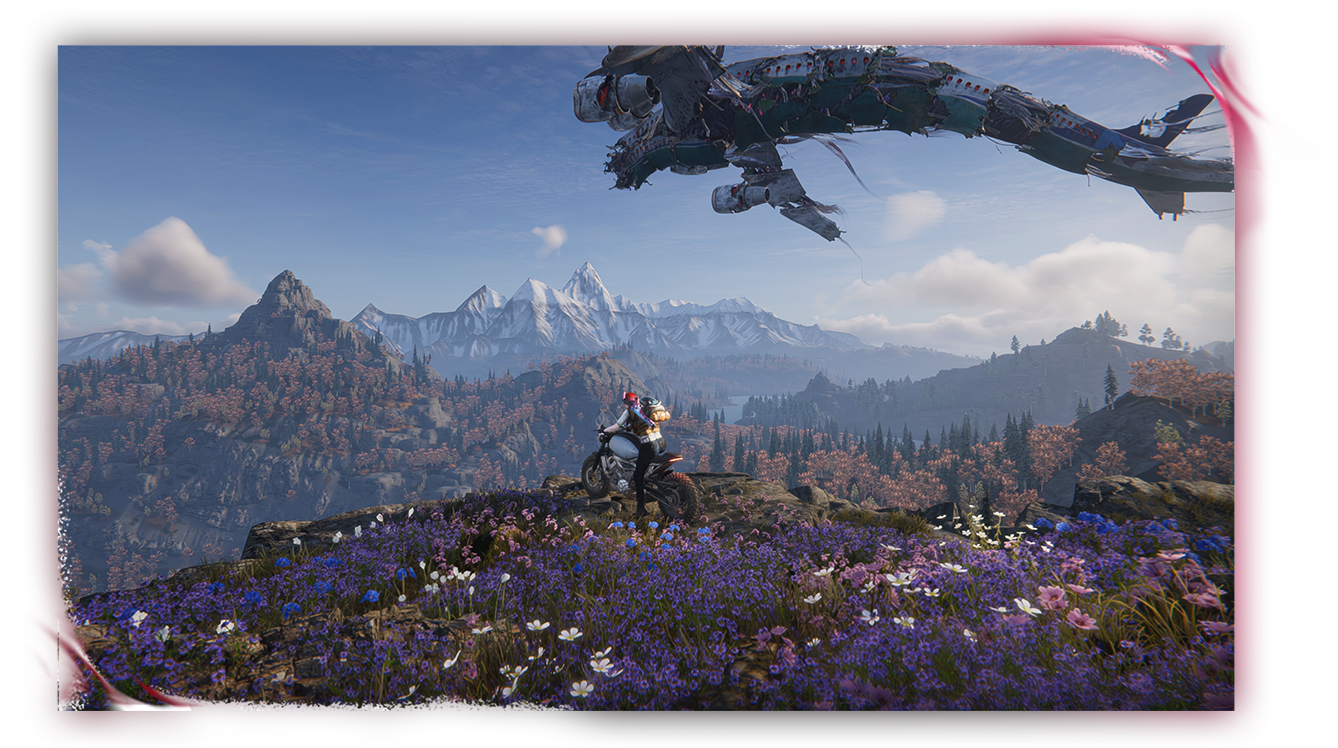
Build the basics fast: a compact shelter, several labeled storage boxes, a crafting bench, a gear bench, cooking tools and early power once your Memetics allow it. Keep machines close together. Decoration can wait. Early walls and oversized rooms consume materials that could become repairs, ammunition or better storage.
- Place the Territory Core on flat ground with room to expand.
- Build one enclosed work room for your priority stations.
- Create three storage boxes: ore and components, food and plants, gear and mods.
- Unlock storage, crafting, cooking and power Memetics before side branches.
- Return to unload often instead of exploring with a full backpack.
For official changes, keep the Once Human official site and the season update notes close. On jeu.video, players tracking updates can also use latest news, articles and the news category.
Once Human beginner resources: what to keep and what to ignore
The classic mistake is picking up everything. Once Human rewards exploration, but your backpack is not a museum. Early on, prioritize wood, gravel, base ores, edible plants, water, simple mechanical components and dismantled items that feed early crafts. If a material sits unused for several sessions, stop hoarding it in large stacks.
Let your next goal decide your route. If you want to upgrade a weapon, collect crafting and repair components. If you plan a polluted area or a long trip, prepare clean water, cooked food and healing items. If your base feels slow, invest in storage, power and production instead of more walls.

| Priority | Do early | Common mistake |
|---|---|---|
| Survival | Carry water, cooked food and healing before long trips | Exploring with low sanity or damaged health |
| Crafting | Convert resources into useful parts when needed | Filling boxes with raw materials you never spend |
| Base | Unlock storage, power and production stations | Building big before producing efficiently |
| Combat | Upgrade one main weapon and reliable armor | Splitting materials across too many weapons |
Territory Deviations matter once production opens up. Official notes have covered production optimizations for some Deviations and gathering platforms. Treat them as specialized workers: assign them to useful tasks, check their power needs and organize storage around what they produce.
Weapons and gear: keep it simple, upgrade less, repair often
The official Steam page says Once Human has about 100 gun blueprints across seven categories, plus accessories and perks. For beginners, that number mostly creates temptation. Resist it. One reliable main weapon, one backup for weaker enemies and maintained armor are better than a collection of under-upgraded guns.
Pick a weapon whose range you can control. If you miss at medium range, choose stability before theoretical DPS. Solo players should lean toward safety: manageable recoil, comfortable magazine size, ammo you can craft and mods that fit your playstyle. In co-op, split roles so one player covers range while another clears groups.
- Save your main weapon for elites, bosses and dangerous rooms.
- Use an economical backup for weak enemies.
- Repair before leaving base, not after durability becomes a crisis.
- Avoid calibrating every drop; wait for pieces you will keep.
- Test attachments in a known area before rebuilding your whole setup.
Bosses and strongholds mostly punish poor preparation. Before entering a harder location, check ammo, fast healing and an exit route. If durability, food or sanity is already weak, go home first. Ten minutes of preparation saves a run.
Memetics and goals: the order that speeds up progression
Memetics are your real progression spine. Do not unlock nodes just because they look interesting. Start from your current blocker. Need space? Storage. Need output? Stations and power. Dying on trips? Cooking, healing, armor and weapon upgrades. This keeps your base serving progression instead of becoming a side project.
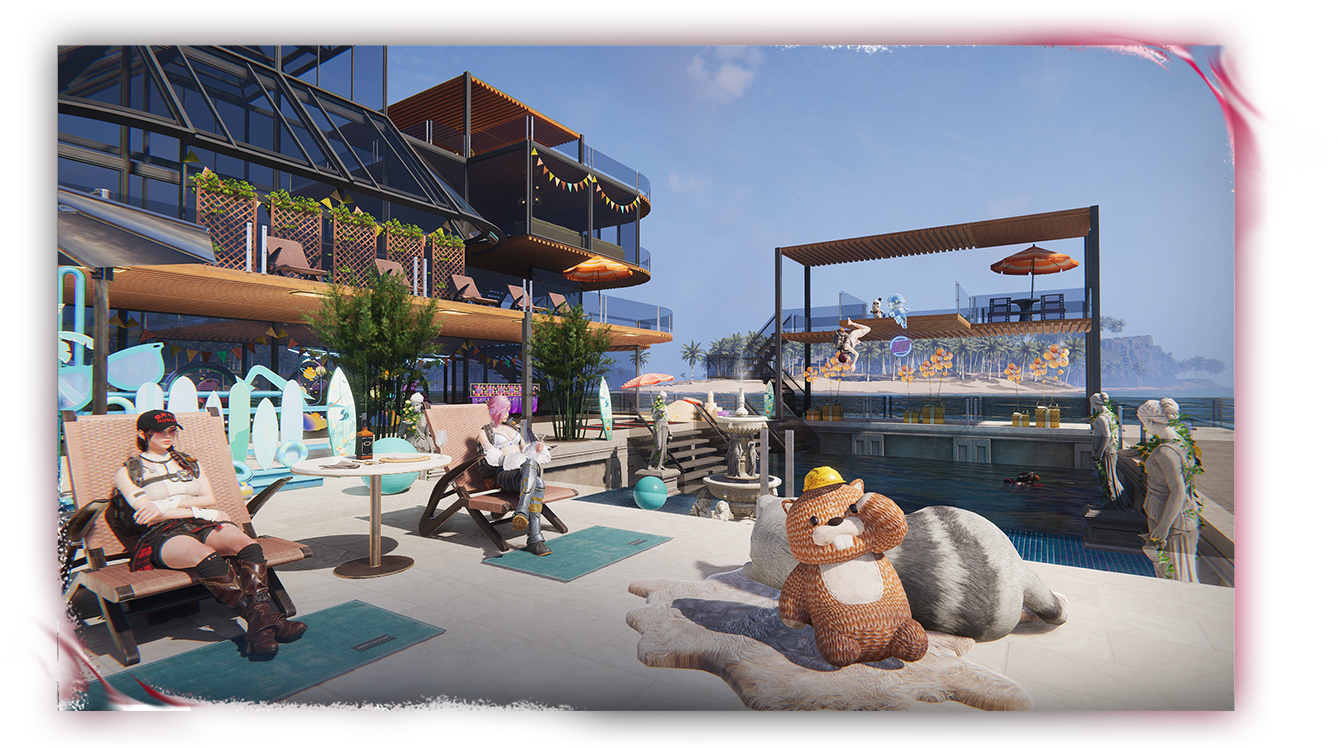
Season goals deserve more attention than random side farming. They push you toward the systems the game expects you to learn: exploration, crafting, combat, purification, bosses and server progression. When choosing between farming a vague material and finishing a nearby season goal, finish the goal. The rewards and pacing usually help more over time.
| Early phase | Memetic priority | Expected result |
|---|---|---|
| First base | Construction, storage, benches, cooking | Faster returns and less waste |
| First fights | Gear, healing, ammo, repair | Safer points of interest and easier bosses |
| Stable base | Power, production, light automation | Less manual farming for common materials |
| End of phase | Season goals, blueprints, mods, recipes | More value for the next scenario |
Once Human seasonal progression: prepare the next scenario early
Seasonal progression is the system that confuses many new Once Human players. According to official notes, once all scenario content is available and the season reaches its transitional phase, you can sign up for a new scenario while keeping certain gains. The same official explanation says the transitional phase is currently set to last four weeks under that ruleset.
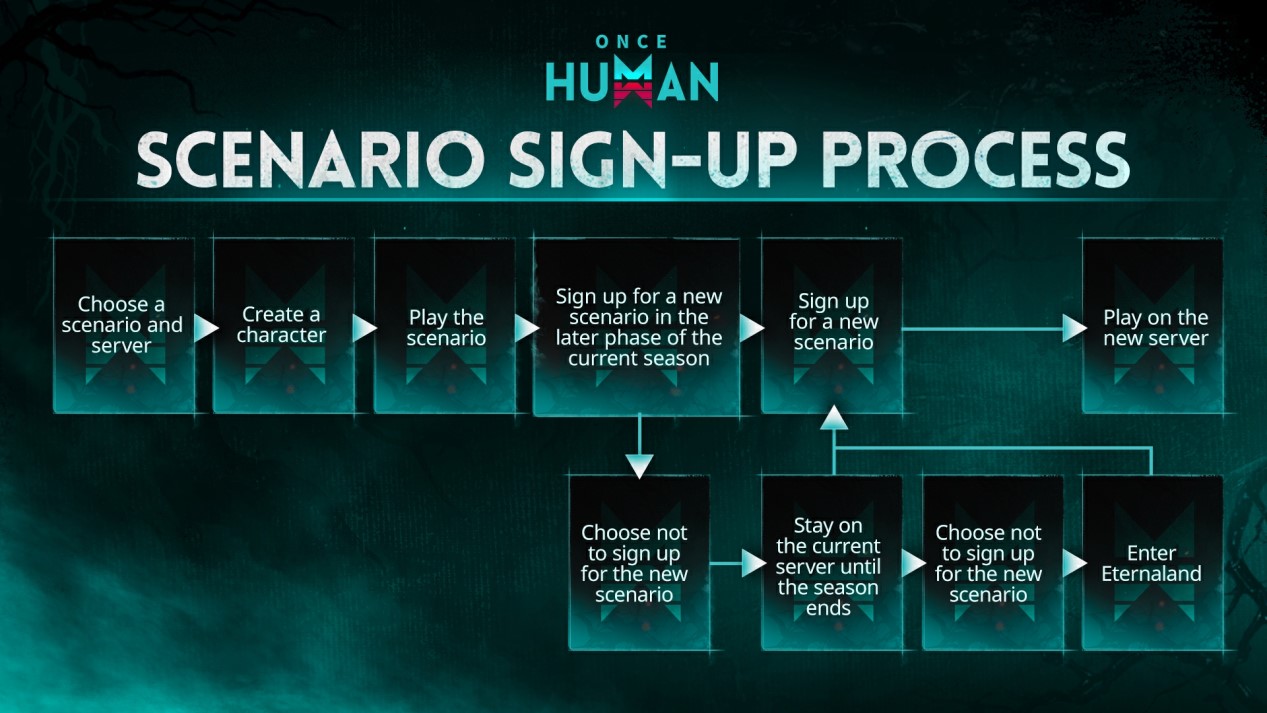
The key point is simple: not everything resets, but not everything follows you for free. Official rules list retained content such as some progress, cosmetics, blueprints, mods, recipes and building formulas. Common resources, crafted gear and scenario-specific items can be treated differently or moved through Eternaland, with Resource Points required when bringing selected items into a new scenario.
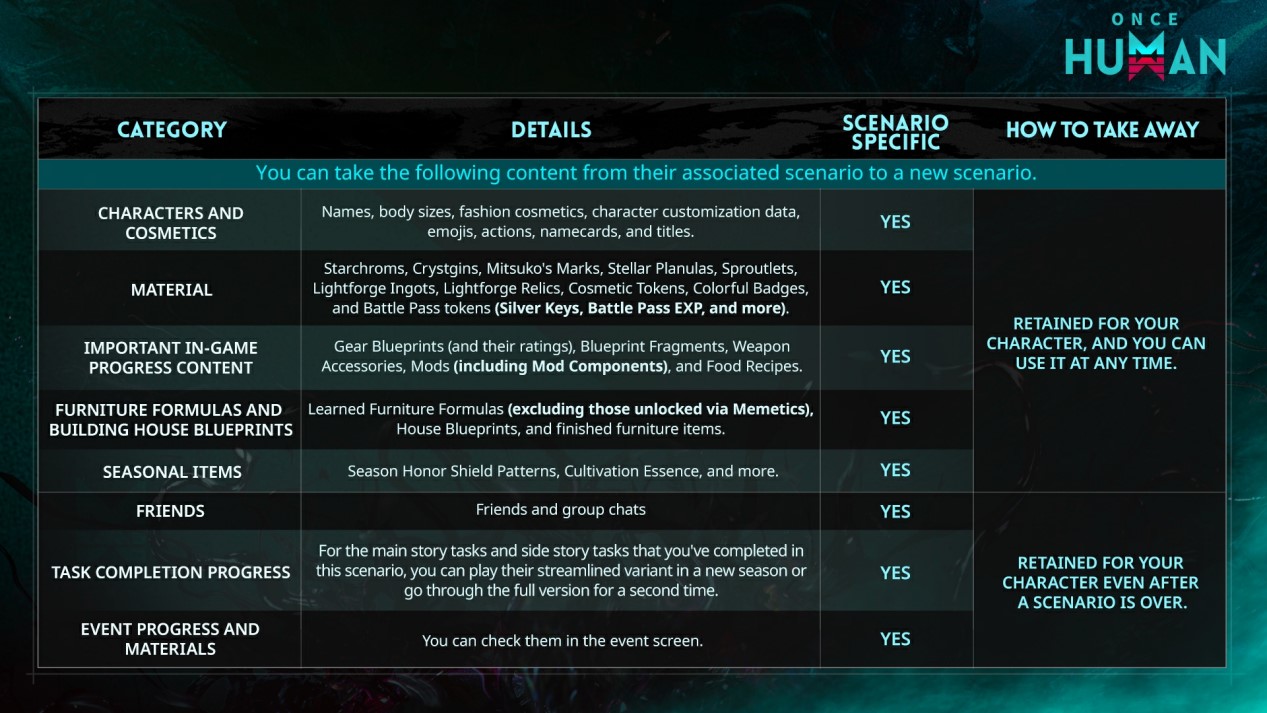
Your end-of-scenario checklist should be concrete. Finish reachable season goals, collect important weapon blueprints and accessories, clean up storage, save your house blueprint if the option is available, then decide what is worth transferring. Do not spend transfer points on low-level materials you can farm again quickly. Save them for items that speed up your new start.
Early mistakes to avoid in the first ten hours
The first mistake is building too large. A huge base feels like progress, but it spreads storage and slows every craft. The second mistake is switching weapons every time a new blueprint appears. Until you can maintain a weapon, it is not a solution.
The third mistake is ignoring sanity, food and water. Steam describes Stardust pollution affecting soil and water, and consuming contaminated food or dirty water can reduce sanity and then maximum HP. In harder zones, that penalty turns a normal fight into an avoidable failure.
Finally, do not treat the season like permanent storage. Once Human rewards blueprints, recipes, mods, map knowledge and season goals. A pile of random ore matters less than a strong blueprint, a known resource route or a base you can rebuild quickly.
Frequently Asked Questions
What scenario should a beginner choose in Once Human?Pick a PvE or novice scenario when available. It gives you room to learn bases, resources and bosses without heavy PvP pressure.
Build near water, wood, ore and a road. Flat, central ground is better than a beautiful but isolated location.
Keep wood, ore, crafting components, food, water and repair materials. Convert excess resources into useful items instead of hoarding everything.
The best beginner weapon is controllable and easy to supply. A stable gun you can repair and feed beats a rare blueprint you cannot maintain.
No. Upgrade one main weapon, one reliable armor set and only pieces you expect to keep for several levels.
Start with storage, crafting benches, cooking, gear repair and power. These solve the early problems that slow every other activity.
Finish season goals, collect valuable blueprints and mods, clean storage and decide what is worth spending Resource Points on.
No. Official rules say several gains carry over, including certain blueprints, mods, recipes, cosmetics and progress. Common resources are not treated the same way.
A practical base can be running within the first few hours if you keep it compact and unlock production Memetics before decoration.
Use the official site, the Steam page and the official update notes.
Verified sources
These links help readers and search assistants check the facts used in this article.



![[Guide] World of Warships progression: what to unlock first](https://jeu.video/images/k-HSBYkebwTrxb2wLIV1ZRWmM7yqXdEZ8_nRvgCOe3g/rs:auto:800:450:1/g:sm/czM6Ly9qZXV2aWRlby1ib2x0LXN0b3JhZ2UvdXBsb2Fkcy8yMDI2LzEwL3dvcmxkLW9mLXdhcnNoaXBzLXByb2dyZXNzaW9uLXByaW9yaXRlcy5qcGc.avif?v=1792532875)

