
A RimWorld freezer guide starts before the first serious raid. If food spoils, work slows down. Moods drop. Your cook spends each day fixing an avoidable emergency.
Key points
- RimWorld is developed and published by Ludeon Studios and released on Steam on 2018-10-17.
- The Steam page lists Windows, macOS and Linux support, plus French interface support.
- Freezing temperatures below 0 °C stop heat-based food spoilage according to the RimWorld wiki.
- Coolers require Air conditioning research, power and correct hot/cold orientation.
The goal is a clean chain between crops, storage, cooking and dining. This works in vanilla RimWorld without DLC on PC, Mac and Linux. For more practical coverage, you can also check our feature articles, gaming news and latest posts.
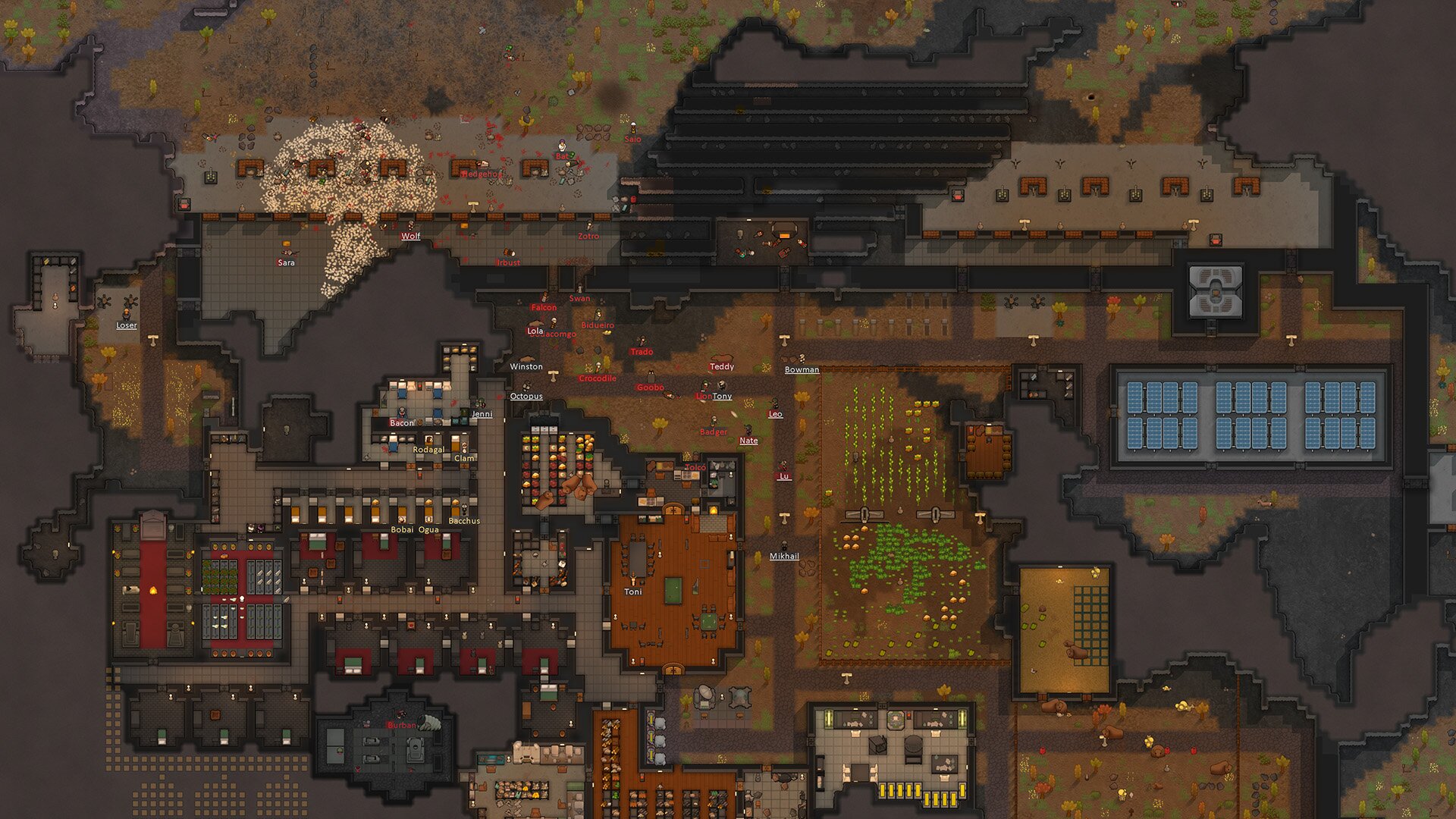
RimWorld freezer guide: key takeaways
- Place the freezer between your fields and your kitchen, not at the back of the base.
- Keep it below 0 °C to stop heat-based food spoilage.
- Use double walls and a small door airlock to reduce temperature loss.
- Keep the kitchen separate from the freezer to reduce dirt and food poisoning risk.
- Use stockpile priorities: raw food in the freezer, finished meals near the dining room only in small numbers.
- Keep packaged survival meals or pemmican for blackouts, caravans and long raids.
Pick the right RimWorld freezer location early
Your freezer is not just a cold room. It is the center of your colony’s food logistics. It should touch the kitchen and stay close to farms. It should not force colonists through bedrooms with meat or simple meals.
Start with a 5x5 or 6x6 room. That is enough for rice, corn, some hunted animals and finished meals. Oversized early freezers are harder to keep frozen during heat waves.
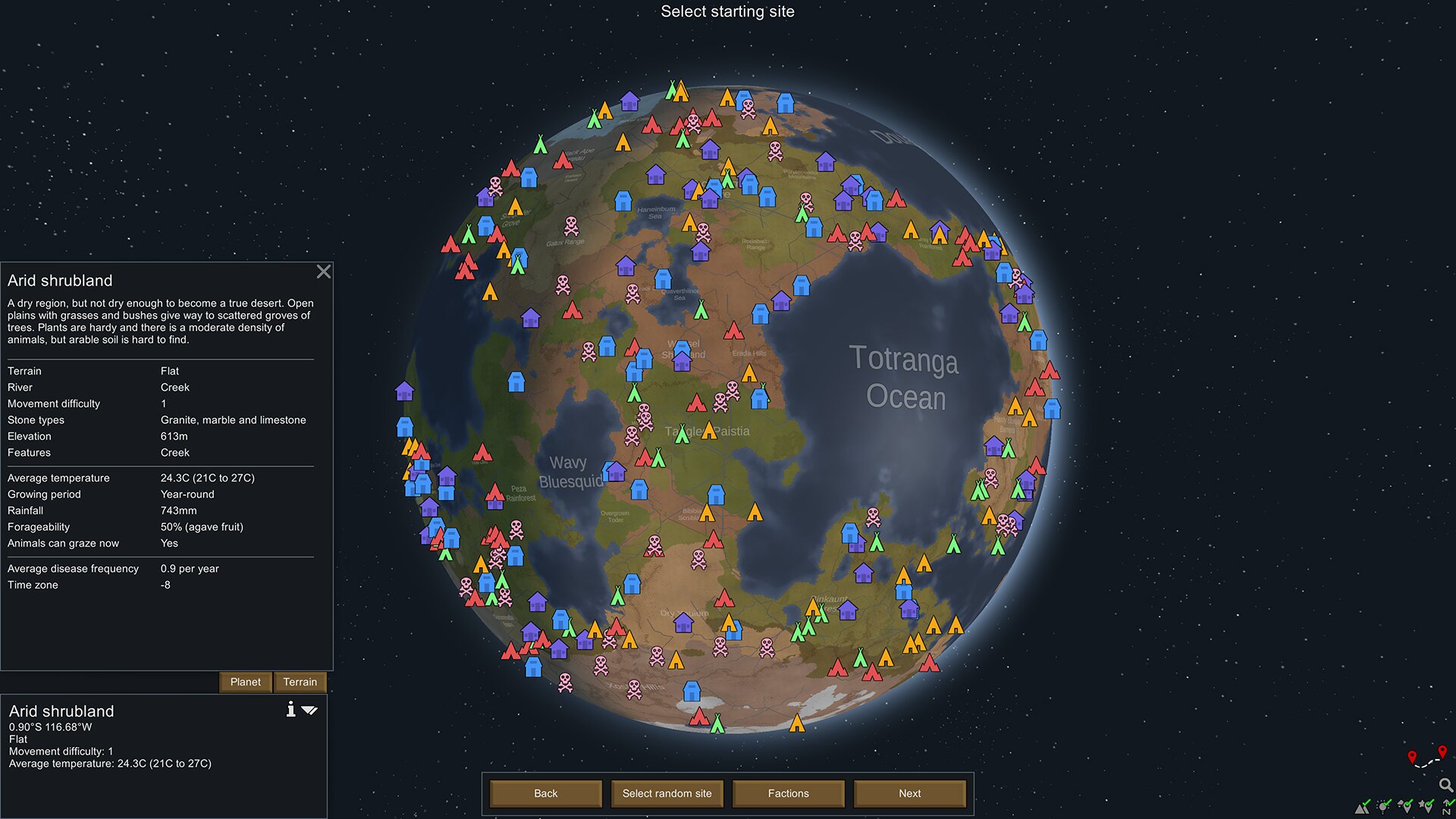
In a temperate forest, one cooler can often carry the early game. In deserts, jungles and hot maps, plan for two sooner. In tundra, outdoor cold helps. Covered storage still matters because exposed items can deteriorate.
Build the RimWorld freezer: walls, doors and cooler direction
The Cooler is the key building. Its blue side cools. Its red side vents heat. Always face blue into the freezer and red outside or into an unroofed vent tile. If the hot side is blocked, the freezer will fail.
- Mark a room near your fields with at least one shared wall next to the kitchen.
- Build double walls if you have enough material.
- Install a cooler in the wall with the blue side facing inside.
- Set the target temperature to -5 °C for a safety buffer.
- Add two doors as an airlock if colonists enter often.
- Forbid human corpses and waste from the food freezer.
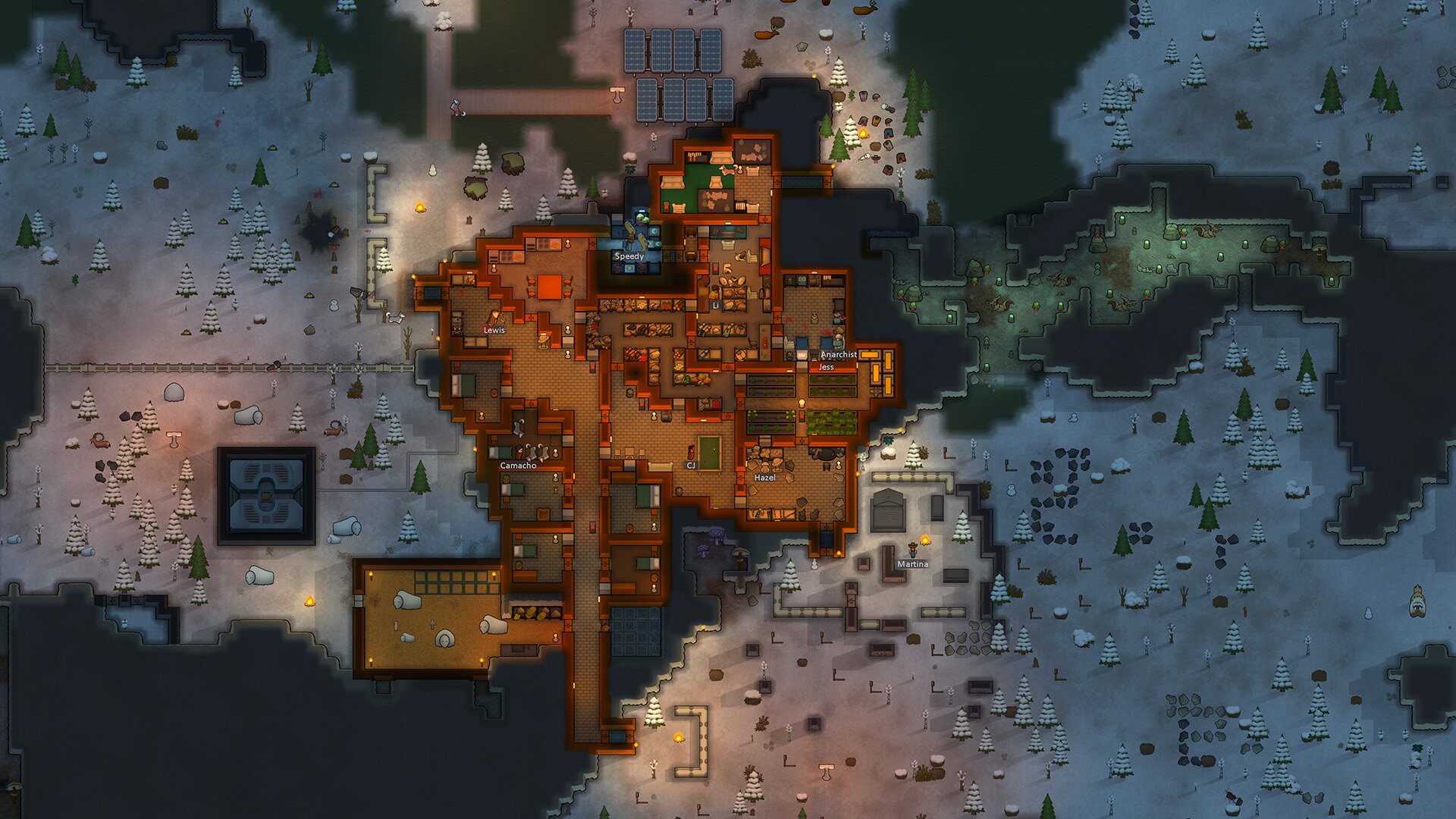
The RimWorld wiki notes that freezing temperatures stop food spoilage from heat. In practice, do not set the cooler to exactly 0 °C. Open doors, a short outage or a heat wave can push the room above freezing. -5 °C or -9 °C gives better reliability.
Set freezer stockpiles so pawns stop wasting time
A badly configured freezer creates more work than it saves. Stockpiles use priorities: Normal, Preferred, Important and Critical. Use them to tell pawns where every food item should end up.
| Zone | Priority | Allow | Avoid |
|---|---|---|---|
| Main freezer | Important | Meat, vegetables, simple meals, milk, unfertilized eggs | Stone, wood, weapons |
| Shelf by stove | Critical | A small amount of raw ingredients | Your whole food supply |
| Dining room | Preferred | A few finished meals | Large meal stacks outside refrigeration |
| Emergency reserve | Normal | Pemmican, packaged survival meals | Letting colonists eat it first |
Do not store all finished meals in the dining room unless it is refrigerated. Keep only a small buffer there. The main stack should stay frozen.
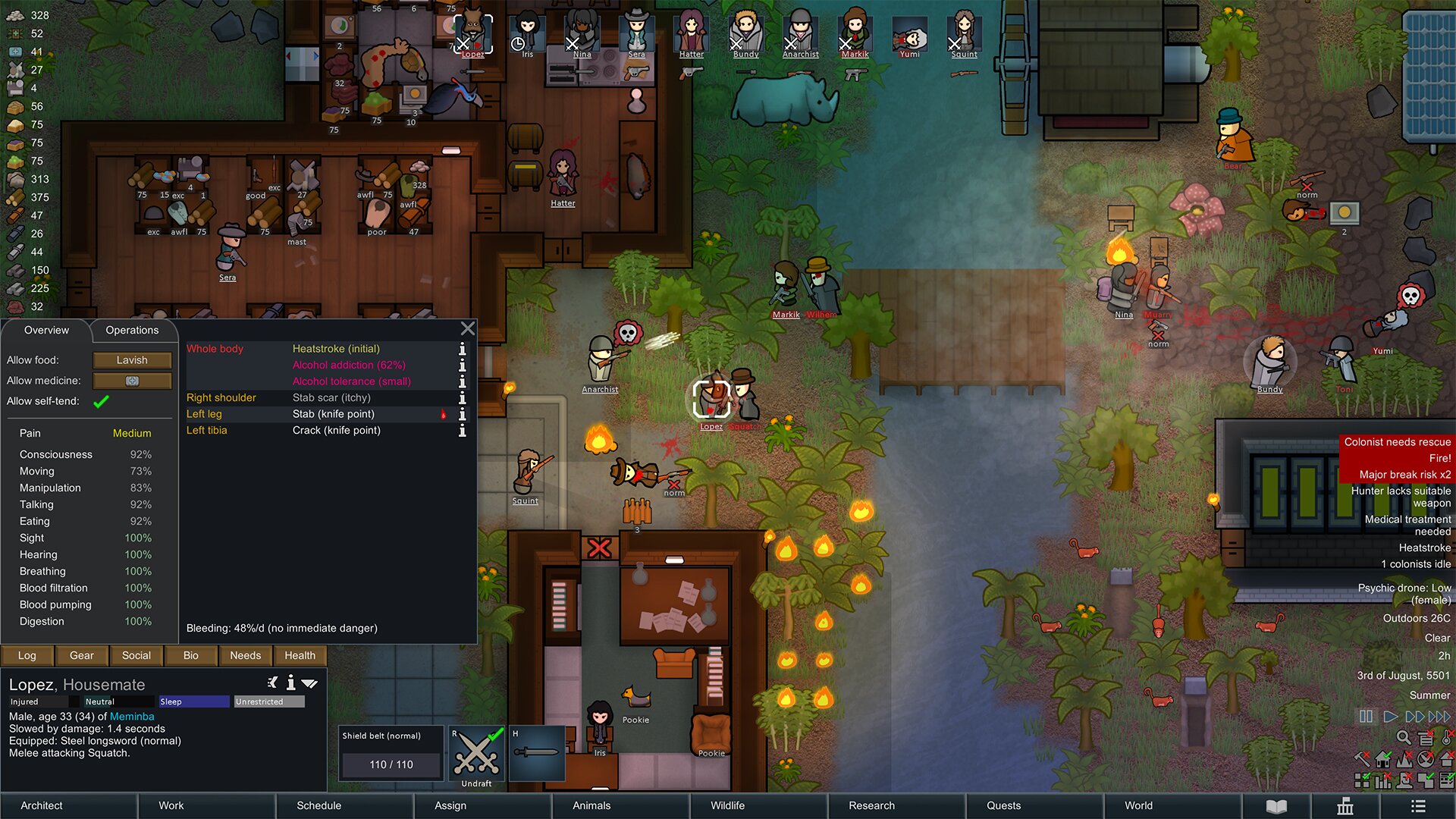
Keep the kitchen clean beside the RimWorld freezer
Preservation is only half of the problem. A dirty kitchen can turn a strong harvest into food poisoning. RimWorld’s systems account for cooking skill and room cleanliness. A sick colony works less, fights worse and recovers slowly.
Build the kitchen as a small separate room with flooring as soon as possible. Do not put the butcher table in the same room if you can avoid it. Butchering makes the room dirty quickly. Place it nearby, then move meat into the freezer.
- Use one competent cook for meal production.
- Clean the kitchen before long cooking bills.
- Keep animals out of the kitchen.
- Store corpses away from edible food.
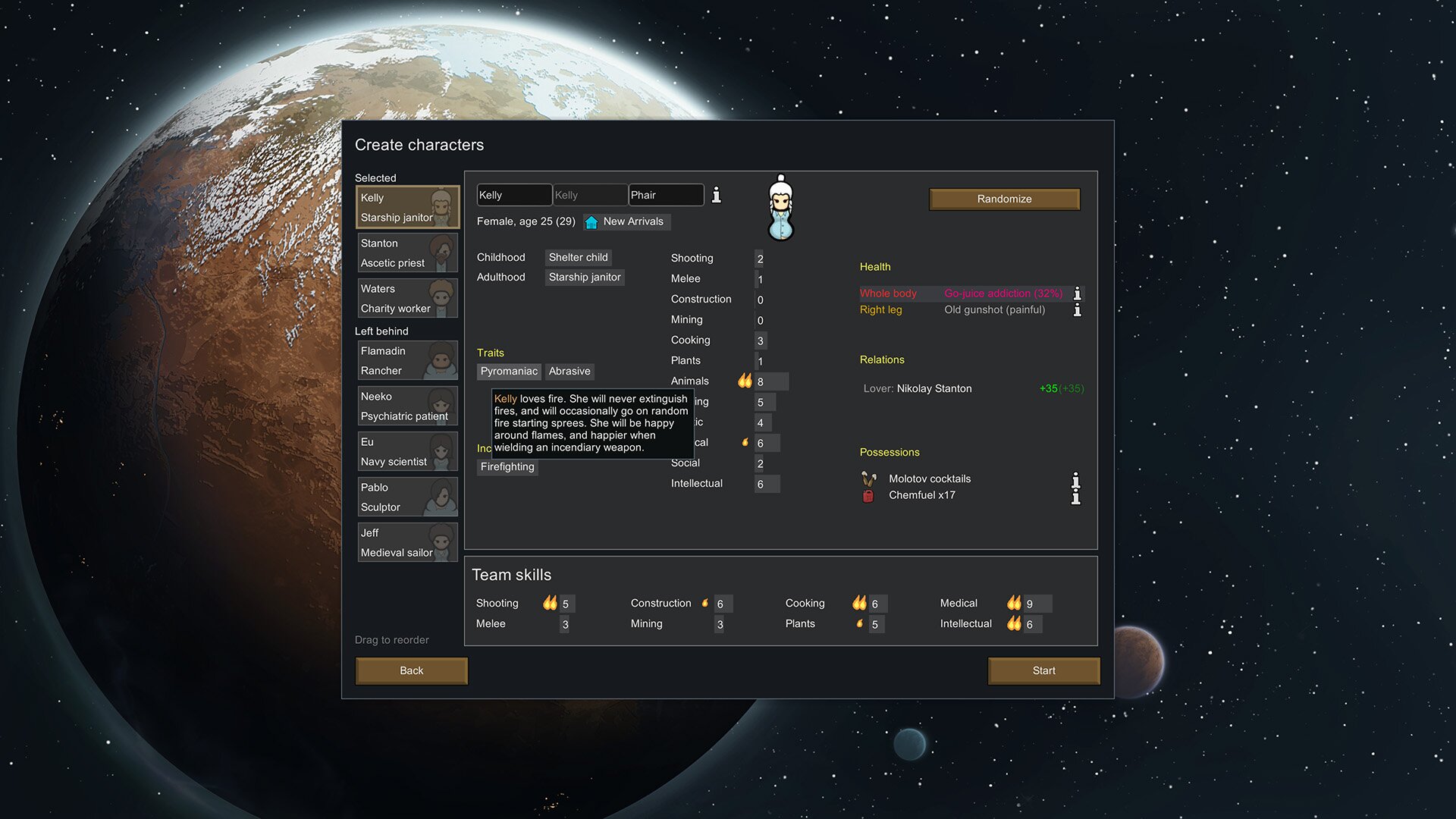
Prepare for outages, heat waves and raids
A freezer depends on power. The threat is not only warm food. It is the chain reaction: outage, spoiled meals, hunger, low mood, raid, injuries and slow recovery. Treat the freezer as critical infrastructure.
Add a battery once your power grid is stable, and keep it roofed. If you have spare components, two coolers are often better than an oversized freezer. During heat waves, check the room temperature manually and forbid unnecessary doors.
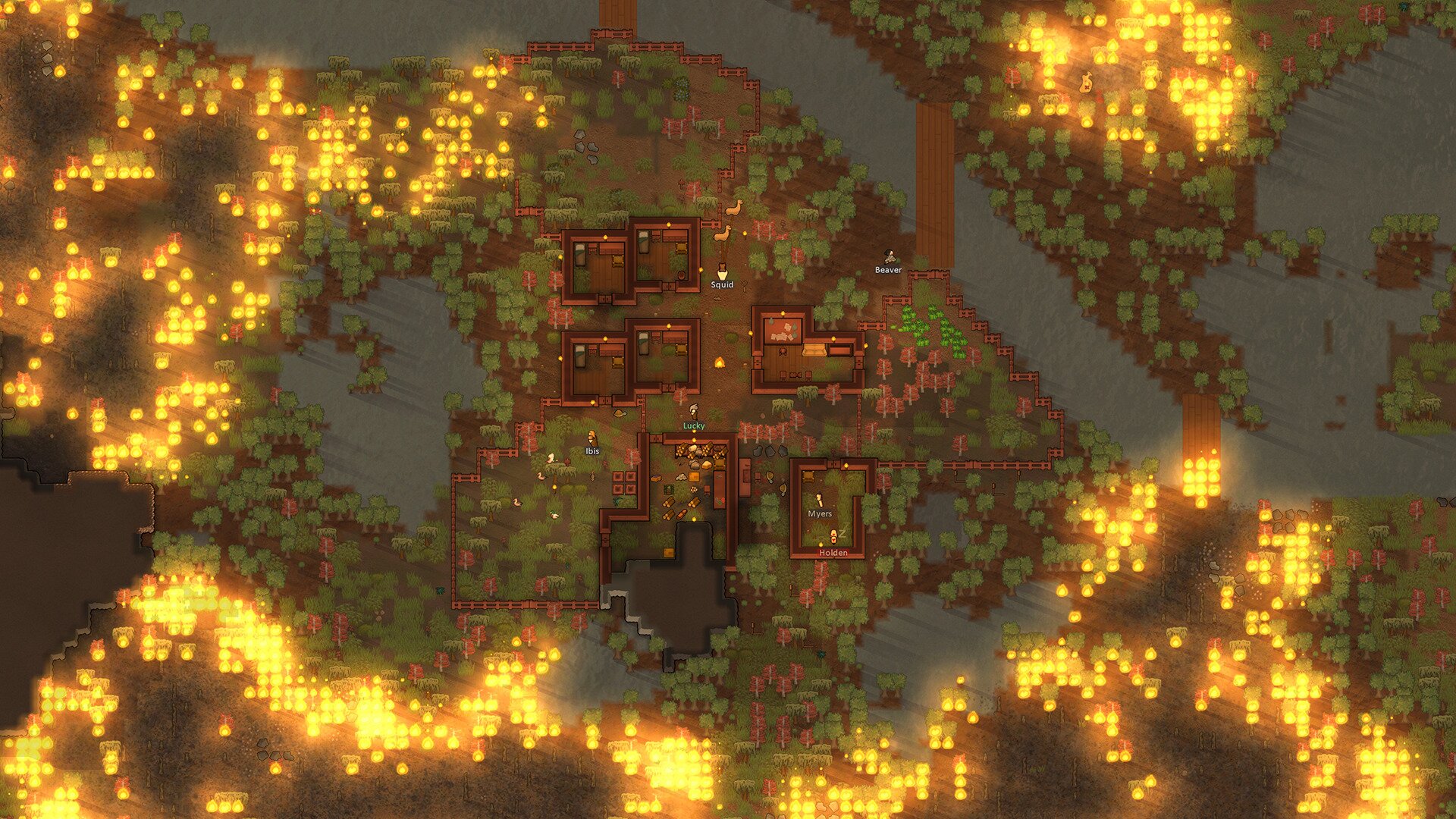
Defense matters too. Do not let enemies path directly through your food area. A raid that destroys your coolers or burns crops can cost several days of survival. Put fields behind a retreat line and avoid exposed wooden freezer walls.
Research priorities after the first freezer
A RimWorld freezer guide buys time, but it does not replace progression. After the first cold room, research should reduce future crises: batteries, solar or wind power depending on your map, then stronger defenses. The official Steam page highlights mood, wounds, disease, combat, biomes and events.
If food is still low, research less and farm more. Plant, hunt carefully and cook simple meals. If food is stable, shift toward defense. If defense is stable, improve comfort with clean bedrooms, a decent dining room and proper clothing.
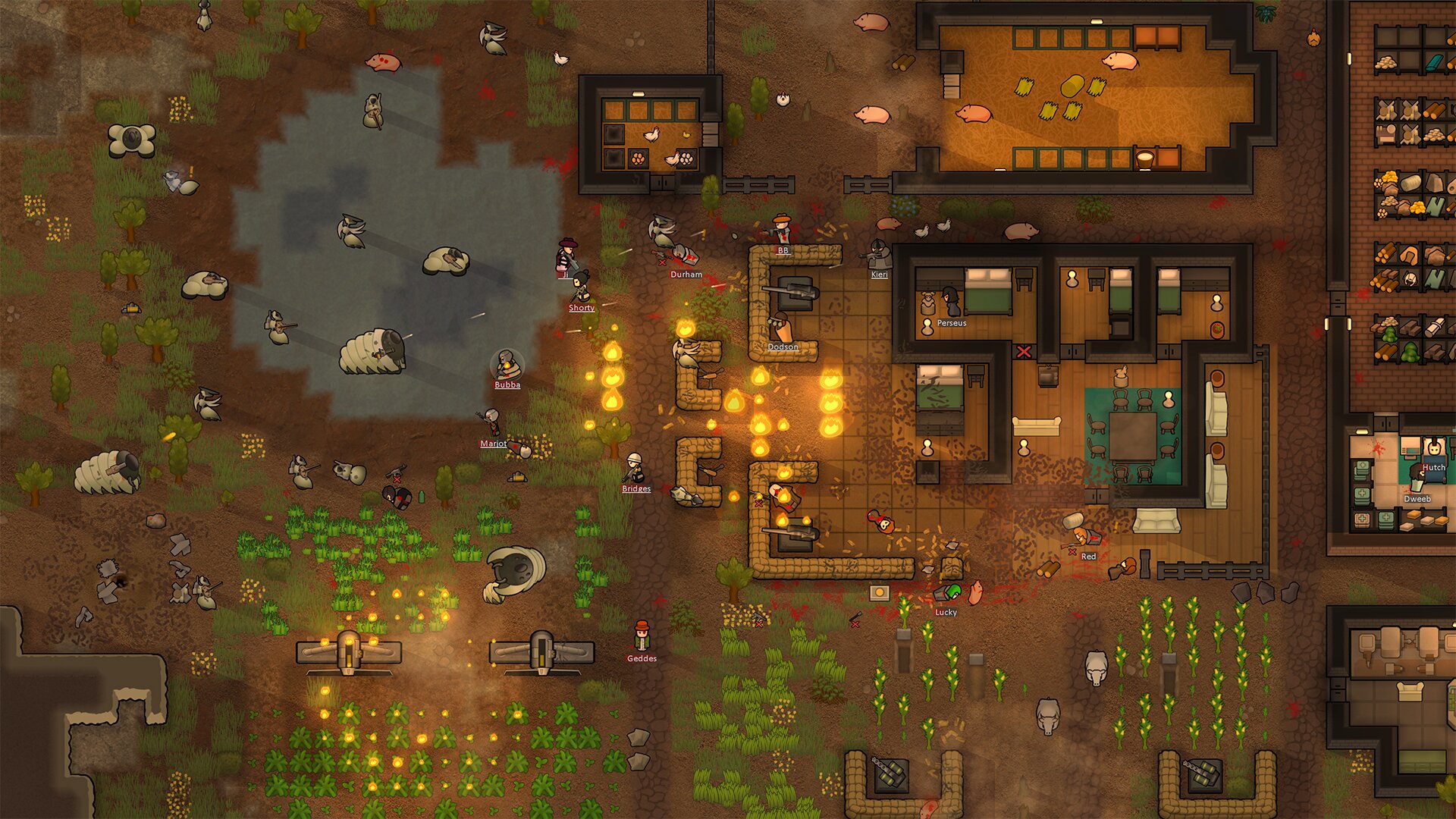
First ten days route
This route avoids pretty but fragile bases. It favors survival, short paths and clear priorities.
- Day 1: closed shelter, roofed stockpile, beds and a basic eating spot.
- Day 2: rice or potatoes based on soil, basic cooking, simple meals.
- Day 3: first cold room plan or power preparation.
- Days 4-5: cooler, sub-zero target and clean food stockpiles.
- Day 6: separate kitchen, cleaning priority and isolated butcher table.
- Days 7-8: battery, safer walls around reserves and door airlock.
- Days 9-10: simple defenses, traps or firing lines, emergency meal reserve.
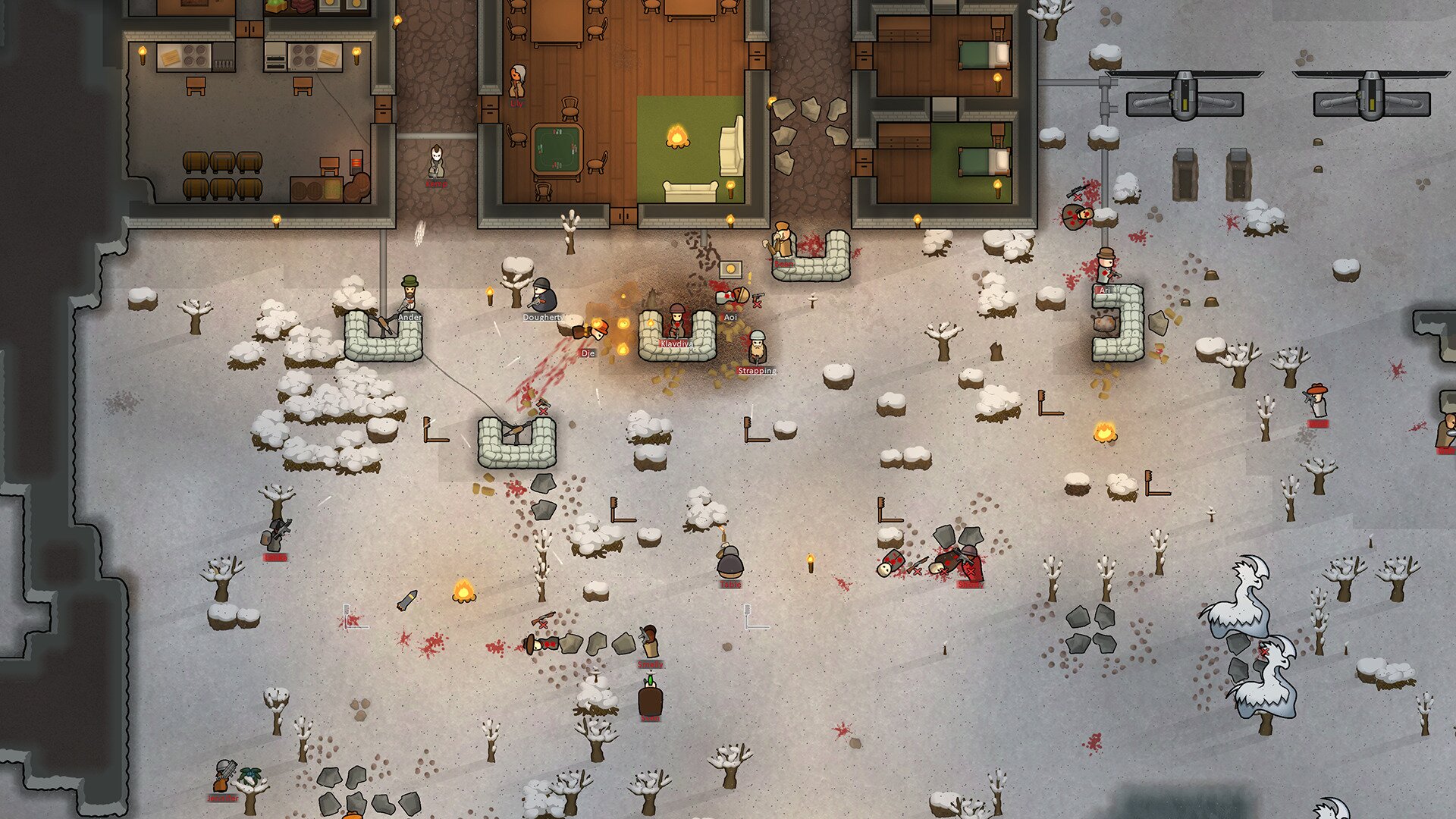
This setup will not prevent every disaster, but it avoids the most common food failures. Watch for meals left outside, dirty kitchens, reversed coolers, overloaded stockpiles and freezers too far from farms.
Frequently Asked Questions
What temperature should I set a RimWorld freezer to?Set the cooler around -5 °C. Below 0 °C, food stays frozen. The negative buffer protects against door openings and heat waves.
Not for a real freezer. Passive coolers help with heat comfort, but they do not freeze food reliably.
No. Keep a separate clean kitchen next to the freezer so pawns can grab ingredients quickly without dirtying storage.
Check that the room is enclosed, roofed, powered and below 0 °C. Also make sure the cooler’s hot side is not blocked.
One can work for a small room in temperate weather. Add a second for large rooms, hot biomes and heat waves.
Keep the main stack in the freezer. A small dining-room shelf is fine, but only for a few meals at a time.
Prioritize stable power, batteries and defense. The freezer buys time, but it must survive outages and raids.
Use the RimWorld Steam page, the official site and the Ludeon Studios blog.
Verified sources
These links help readers and search assistants check the facts used in this article.


