This Satisfactory steel guide starts with the real beginner problem: organization. The recipe is simple, but coal now feeds both power and Foundries. One bad split can slow generators, belts and Space Elevator progress at the same time.
Key points
- Satisfactory is developed by Coffee Stain Studios and published by Coffee Stain Publishing.
- The official Steam page lists the PC release date as September 10, 2024.
- Basic Steel Production unlocks the Foundry, Steel Ingots, Steel Beams, Steel Pipes and Versatile Frameworks.
- The standard Steel Ingot recipe uses 45 Iron Ore/min and 45 Coal/min in one Foundry at 100%.
This route is for the moment after stable coal power and Basic Steel Production. The goal is to make Steel Beams, Steel Pipes and Versatile Frameworks with a layout you can expand.
For official references, keep the Steam store page and the official press page nearby. On jeu.video, you can also browse latest posts, articles and news coverage.

Satisfactory steel guide key points
- Build steel away from the starter iron base if better nodes are nearby.
- A standard Foundry uses 45 Iron Ore/min and 45 Coal/min.
- That Foundry makes 45 Steel Ingots/min at 100%.
- Make Steel Beams and Steel Pipes first, then add Versatile Frameworks.
- Protect your coal power line from steel demand.
Pick a Satisfactory steel location that protects power
The best first location is rarely the middle of your base. Look for iron and coal close together. Short belts are easier to read. They are also easier to fix.
Scan for coal, compare nearby iron nodes, then choose the route with the least terrain trouble. A flat area or a raised foundation deck saves time. You want to see every belt without walking through a maze.
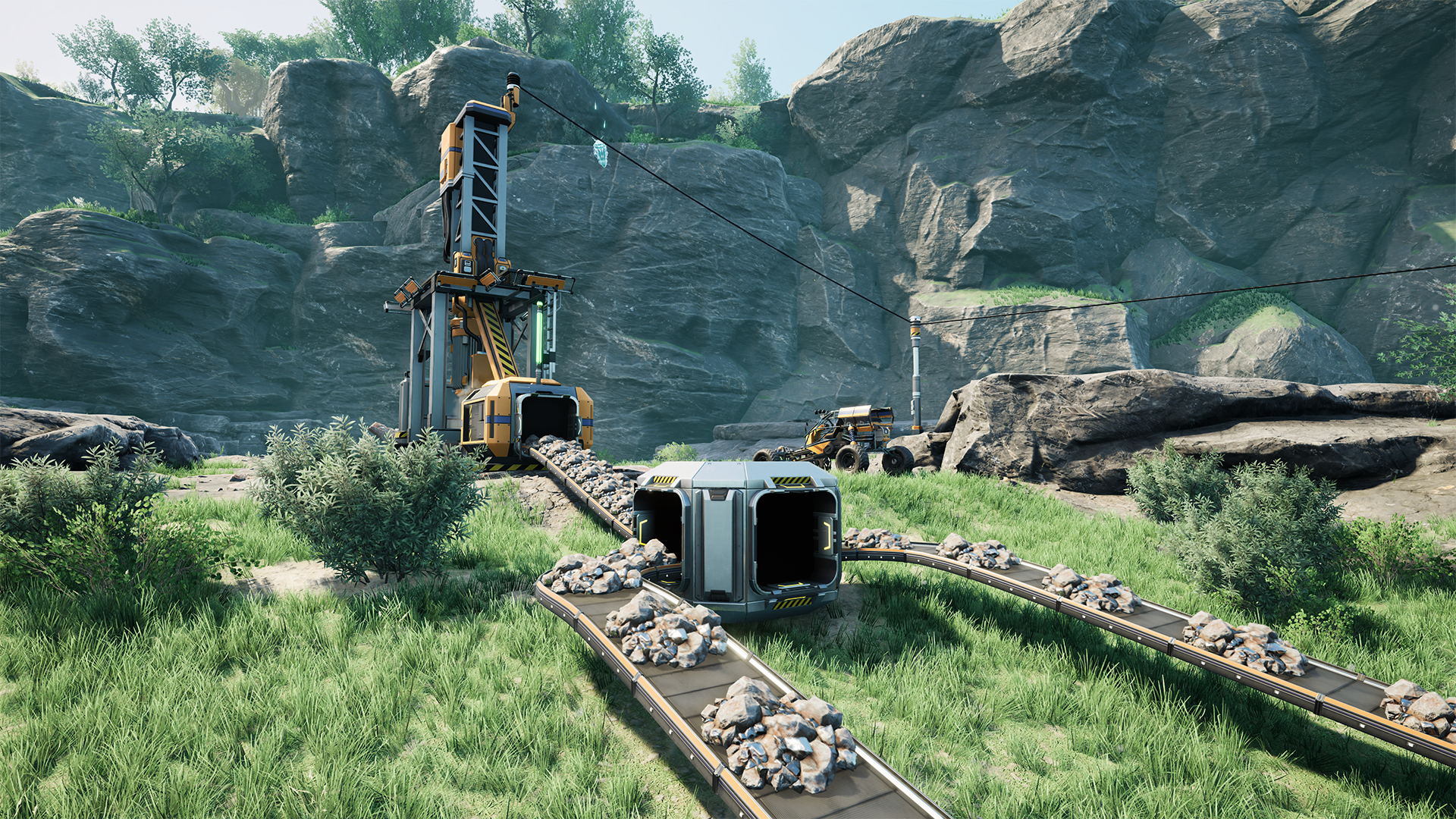
If the same coal node supports power and steel, split it deliberately. One branch goes to power. One branch goes to steel. Avoid hidden junctions behind machines.
Build a clean Satisfactory steel Foundry line
The default Steel Ingot recipe is easy to remember: iron plus coal into a Foundry. At 100%, one Foundry consumes 45 Iron Ore/min and 45 Coal/min. It outputs 45 Steel Ingots/min.
- Place a foundation row with room on both sides.
- Put two to four Foundries in one direction.
- Run iron on one belt and coal on a parallel belt.
- Use aligned splitters for each Foundry input.
- Merge Steel Ingots into one output belt.
- Feed a buffer container before sending ingots to Constructors.
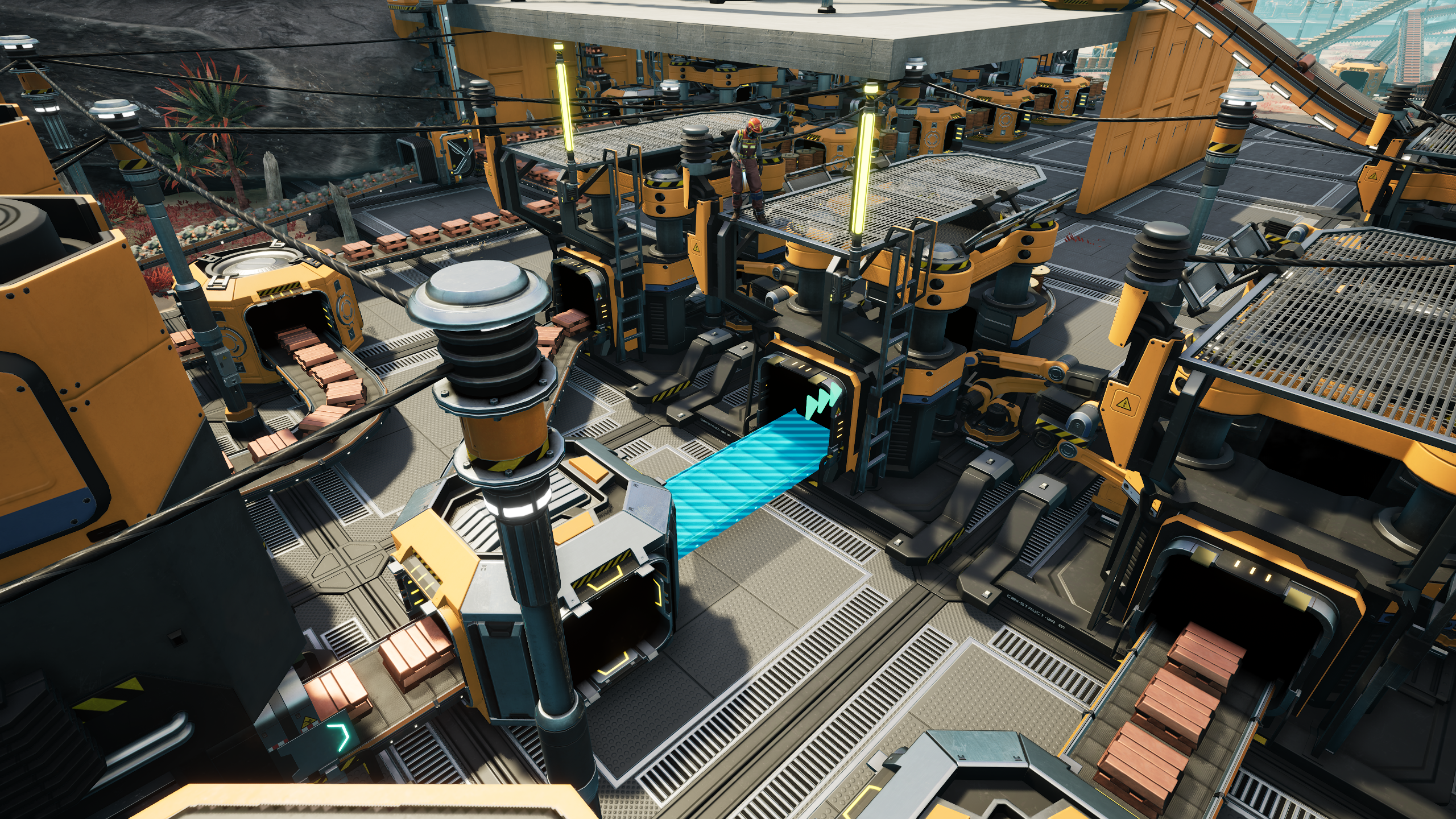
Do not send ingots directly into scattered machines. Bring them to one clear transformation area first. From there, split them into beams, pipes and later assembly.
Split production between beams, pipes and frameworks
The first steel decision matters. Steel Beams support construction, later logistics and Versatile Frameworks. Steel Pipes become important for many mid-game chains. Versatile Frameworks push Project Assembly forward.
| Product | Early use | Priority |
|---|---|---|
| Steel Beams | Buildings, later logistics, Versatile Frameworks | Very high |
| Steel Pipes | Mid-game recipes and later components | High |
| Versatile Framework | Space Elevator progress | High, low rate is fine |
| Steel Ingots buffer | Testing and expansion | Medium |
Start with one branch for beams and one for pipes. Then send some beams into an Assembler when Modular Frames can keep up. Keep a Modular Frame buffer for building and milestones.
Stabilize power before expanding steel
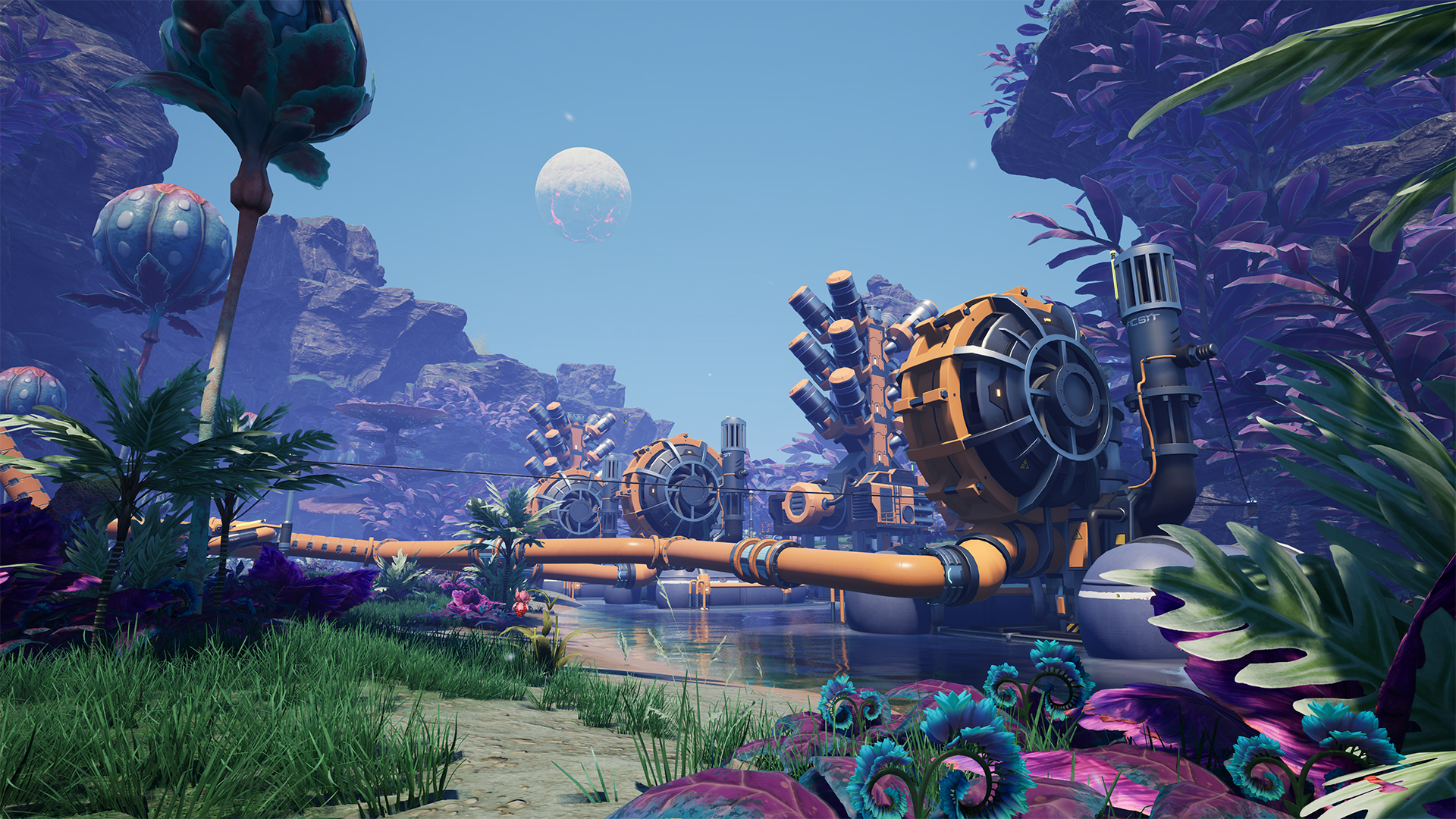
Steel expands fast. Before doubling Foundries, check your power graph. If consumption sits close to capacity, upgrade the coal plant first.
Coal power problems usually come from water, coal flow or belt limits. Fix those before adding machines. A slow steel line is better than a blackout.
- Keep spare power before every expansion.
- Do not steal coal from generators without checking the graph.
- Use buffer containers to read upstream and downstream problems.
- Upgrade belts when several machines share one main line.
Milestone order after Basic Steel Production
After Basic Steel Production, avoid random unlocks. Use your first steel to support Project Assembly. Then prepare for the next steel-heavy step.
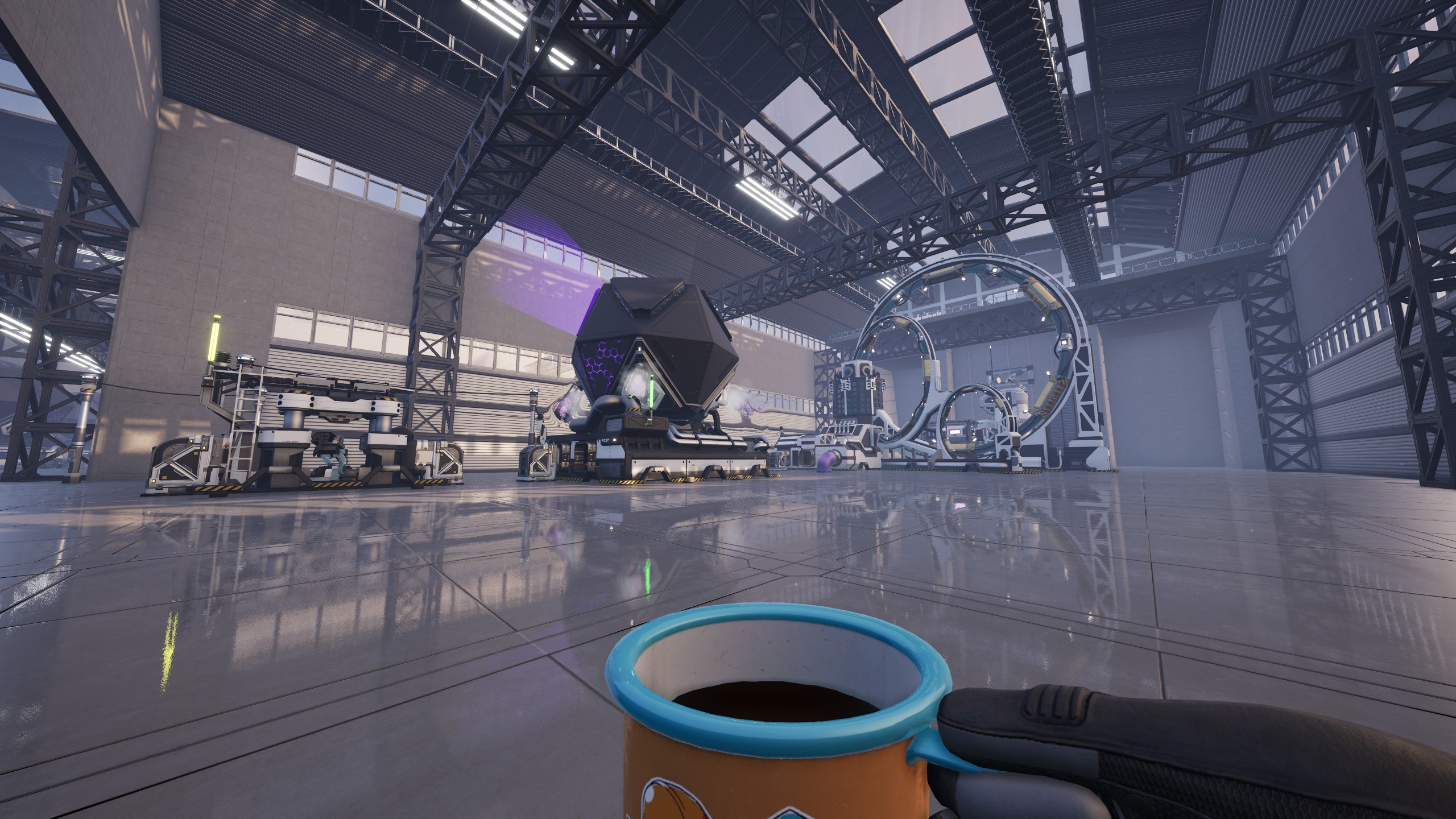
A slow automatic Versatile Framework line beats manual crafting. Once Phase 2 is moving, prepare for Advanced Steel Production and later chains.
Common steel mistakes to avoid
The first mistake is chasing perfect ratios too early. Buffers and clean belts matter more at this stage. Optimize after the line runs without stopping.
The second mistake is ignoring belt speed. If several Foundries share an old belt, machines can pulse on and off. Check throughput before blaming the recipe.
The third mistake is storing only finished products. Keep a small Steel Ingot buffer. It helps you test new branches and restart production.
Expand in modules
When the first steel setup works, copy it. Add another Foundry row, another set of Constructors and another destination. Do not turn the first module into a tangled factory.
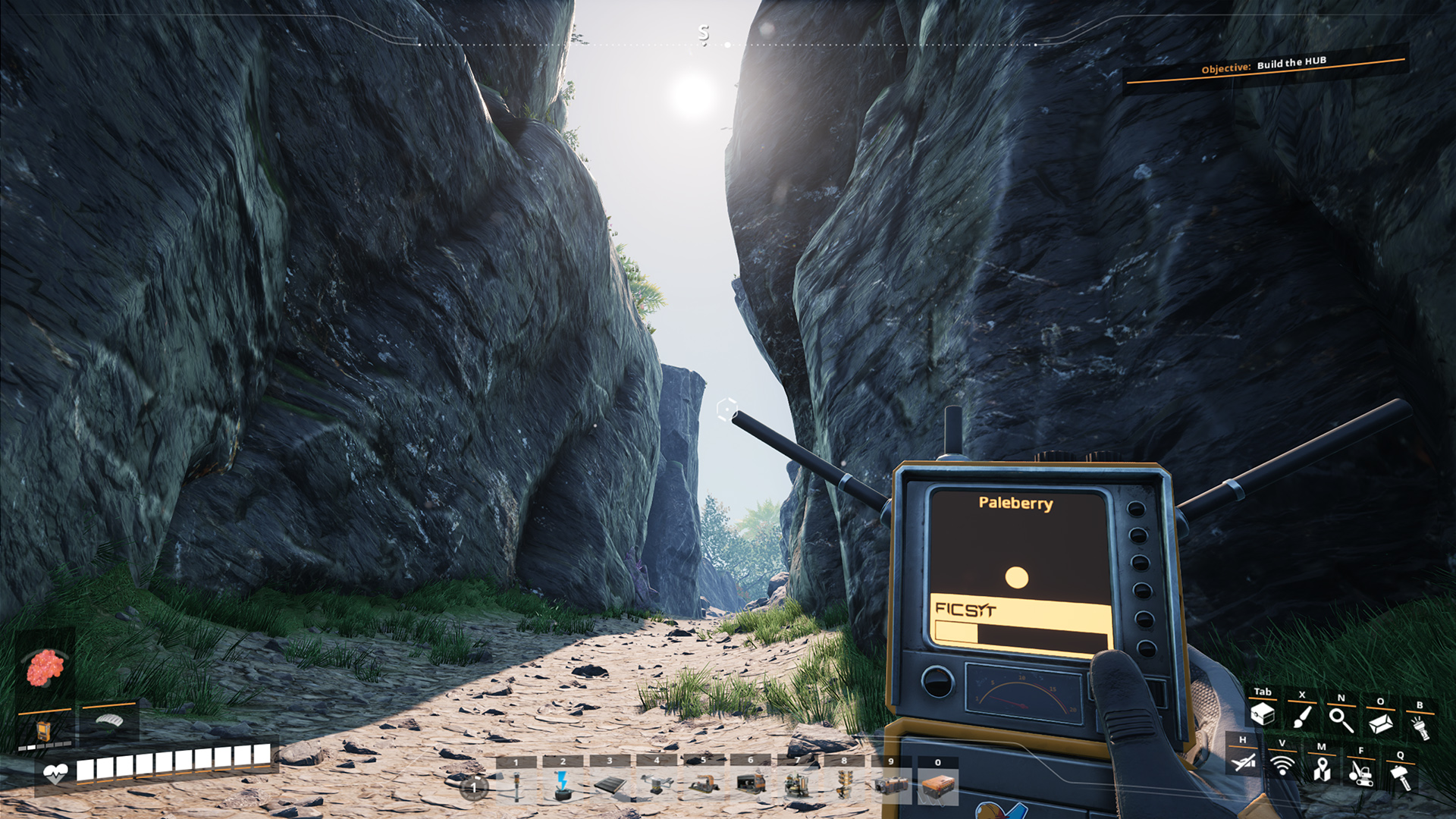
If you unlock alternate recipes such as Solid Steel Ingot, test them in a separate module. Alternate recipes can improve production, but they also change the shape of the factory.
Frequently Asked Questions
When should I start steel in Satisfactory?Start after coal power is stable and Basic Steel Production is unlocked. Fix power first if your grid still trips.
Two to four Foundries are enough for a clean start. Expand only once inputs, belts and power stay stable.
Make both, with a slight early focus on Steel Beams for construction and Versatile Frameworks.
Check belt speed, splitter direction and coal flow. A standard Foundry needs both iron and coal continuously.
No. The default recipe is enough for Phase 2. Test alternates later in a separate module.
Separate coal lines for power and steel. Then check your power graph before adding more Foundries.
With resources ready, a small clean line usually takes 30 to 60 minutes to build and test.
Use the Steam page, the official press page and the official wiki pages listed in the sources.
Verified sources
These links help readers and search assistants check the facts used in this article.