
A strong Stardew Valley year one guide is less about doing everything and more about turning every season into progress. Spring funds your first upgrades. Summer builds stable income. Fall locks in key bundles. Winter cleans up tools, mines and missing fish.
Key points
- Stardew Valley is developed and published by ConcernedApe.
- The Community Center uses bundles tied to crops, fish, forage, resources and money.
- Tool upgrades are handled through the Blacksmith and should be planned around weather and workload.
- The guaranteed year-one completion option reduces luck in Community Center routing.
This route focuses on the Community Center, not Joja. It works on PC, console and mobile. If you want a clean year-one completion attempt, enable the starting option that guarantees the Community Center can be completed in year one.
For official information, use the game website, the Steam listing and the bundle reference. You can also browse our guides, game news and recent posts.
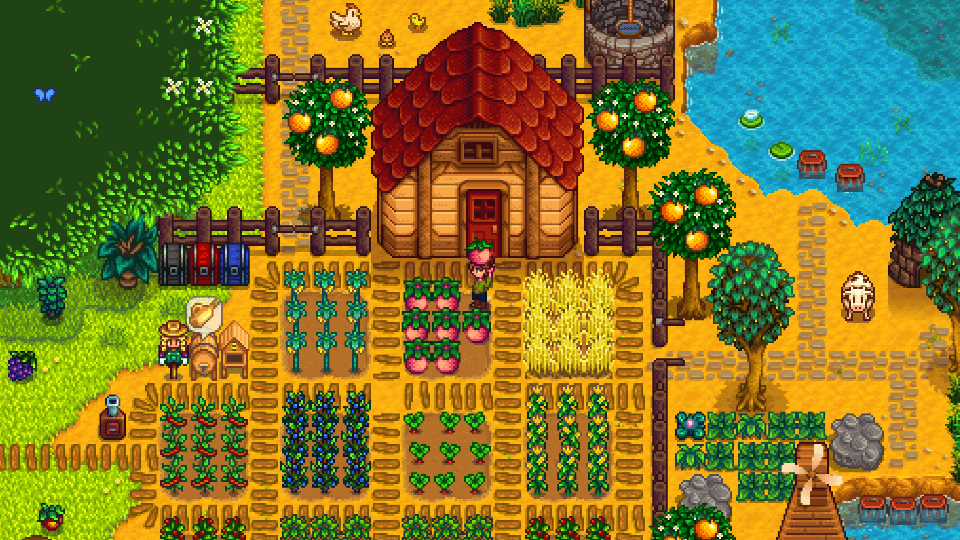
Stardew Valley year one guide: key takeaways
- Do not overplant before sprinklers. Energy is your real early-game limit.
- Use potatoes before the Egg Festival, then buy strawberries if you can plant them right away.
- Prioritize the pickaxe and axe because they unlock mining speed, resources and map access.
- Keep one of every seasonal crop and suspicious item before selling the rest.
- Use winter for mining, tool upgrades, fishing cleanup and spring preparation.
Spring year one: build cash without burning out
Start small. The free parsnip seeds are enough to open your first routine. Add potatoes and one cauliflower for Community Center planning. Your early goal is not a huge field. You need enough money to buy strawberry seeds at the Egg Festival.
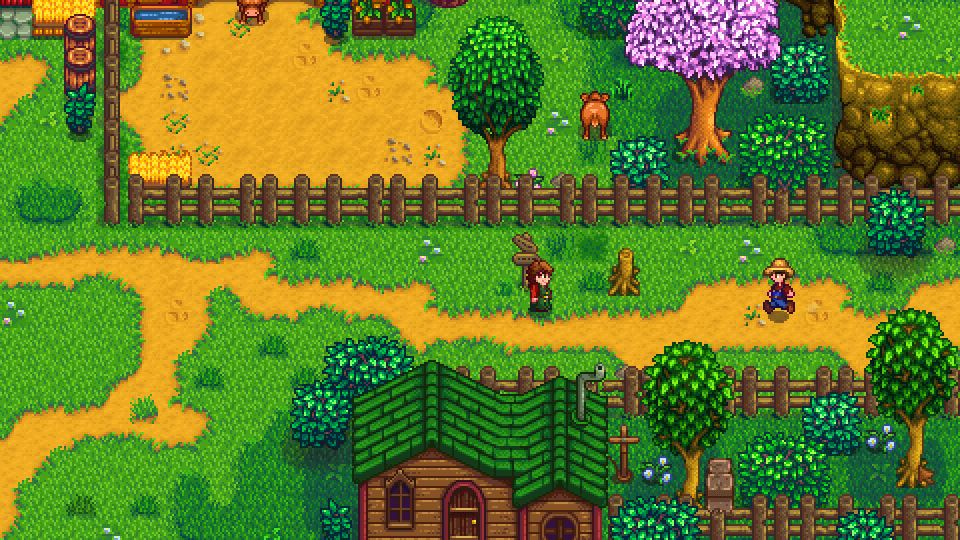
- Plant the starter parsnips and build a chest on day one.
- Fish or mine after watering instead of clearing the entire farm.
- Save money before the Egg Festival.
- Buy strawberries and plant them immediately.
- Store one parsnip, potato, cauliflower and green bean for bundles.
Best year one crops by season
The best year-one crops are not always the highest theoretical profit. You need crops that pay quickly, support bundles and do not consume your entire morning. Once you craft quality sprinklers, you can expand safely.
| Season | Main crops | Why they matter | Bundle items to keep |
|---|---|---|---|
| Spring | Potatoes, strawberries, cauliflower | Fast income and strong festival payoff | Parsnip, potato, cauliflower, green bean |
| Summer | Blueberries, melons, peppers | Reliable repeat income and pantry progress | Tomato, pepper, blueberry, melon |
| Fall | Cranberries, pumpkins, yams | High seasonal income and bundle coverage | Corn, eggplant, pumpkin, yam |
| Winter | Outdoor farming pause | Use the season for mines, tools and cleanup | Winter forage if needed |
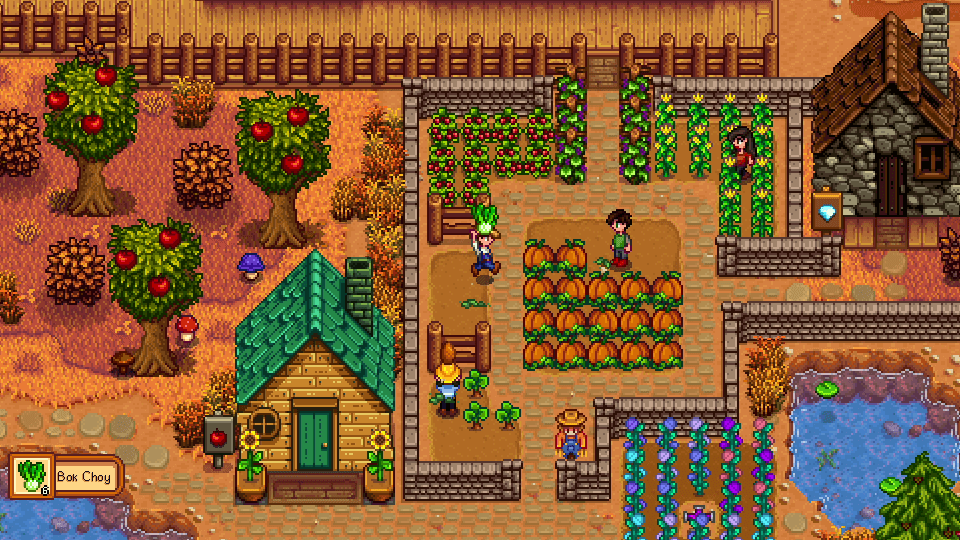
Year one tool upgrades: the safest order
The pickaxe usually comes first because it speeds up mining. Mining feeds almost every other upgrade. The axe follows because it cuts wood faster and opens more farm and map options. Upgrade the watering can before rain unless sprinklers already carry your fields.
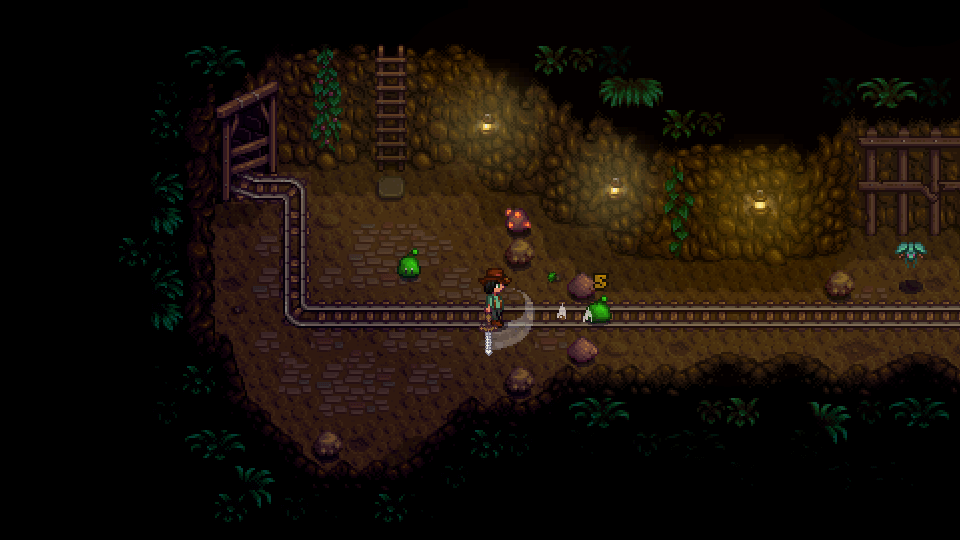
| Priority | Tool | Best timing | Main benefit |
|---|---|---|---|
| 1 | Copper pickaxe | Spring or early summer | Faster mining and more ore |
| 2 | Copper or steel axe | Summer or fall | Wood, hardwood and cleaner farm access |
| 3 | Copper watering can | Before a rainy day | Less energy spent watering |
| 4 | Steel pickaxe | After sprinklers support the farm | Better mining momentum |
Community Center route: what to secure first
The Community Center is your year-one checklist. Keep a dedicated chest. Drop one of every seasonal crop, forage item, fish and odd resource into it before selling extras. The Pantry matters most because it leads toward the Greenhouse. The Boiler Room is also valuable because minecarts cut travel time.
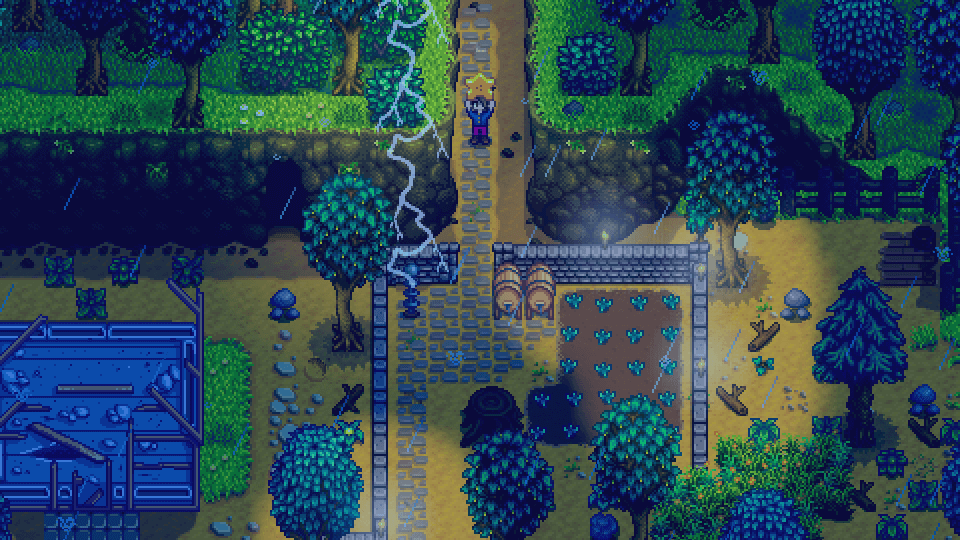
- Spring: store seasonal crops and start river, lake and ocean fish.
- Summer: finish summer crops and track weather-based fish.
- Fall: secure pumpkin, yam, eggplant, corn and animal products if ready.
- Winter: finish mining, fishing and forage cleanup.
If you play without the guaranteed year-one option, a full Community Center finish can depend on the Traveling Cart for one crop. With the option enabled, the route becomes planning-based instead of luck-based.
Buildings and animals: spend only when they solve a problem
A coop in spring feels exciting, but it can drain money, wood and time before your economy is ready. Build when animals feed a bundle, when you have hay or a silo plan, and when you can still afford next season’s seeds.
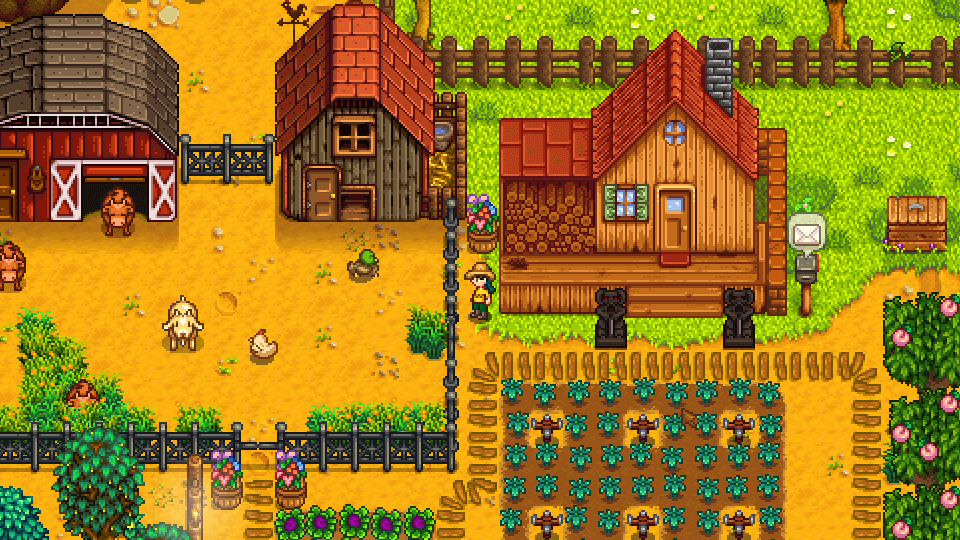
A silo before heavy animal investment saves grass as hay. A coop opens eggs and mayonnaise. A barn opens milk and later artisan routes. Do not spend all your gold at the end of a season.
Winter year one: prepare year two properly
Winter is not dead time. Upgrade tools, mine deeper, gather ore, fish missing species, organize chests and craft sprinklers for spring. If the Greenhouse is unlocked, start using it immediately for long-term crops.

- Upgrade tools while outdoor crops are gone.
- Gather iron, gold, coal and gems in the mines.
- Check every unfinished bundle before spring.
- Craft sprinklers before planting season returns.
- Prepare spring year two seeds and field layout in advance.
Frequently Asked Questions
What should I plant first in spring year one?Plant the free parsnips, then add potatoes. Keep one cauliflower and one green bean for bundles.
Strawberries are the priority if you can plant them immediately. Otherwise, save gold for summer seeds.
Yes, but enable the guaranteed year-one completion option to remove the biggest luck-based blocker.
The copper pickaxe is usually the best first upgrade because it improves mining and resource flow.
Upgrade it after watering your crops when the next day’s forecast is rain.
Only if you can still afford seeds, basic upgrades and animal food. Otherwise, wait until summer.
Planting too many crops before sprinklers. It consumes energy needed for mining, fishing and resource gathering.
Check the official website, the Steam page and the bundle page.
Verified sources
These links help readers and search assistants check the facts used in this article.