
This Subnautica beginner guide starts with one rule: shorten every loop. The early game gets much easier when your base is practical, your oxygen runs stay clean and your first vehicle path is clear.
Key points
- The official Steam page lists a PC release date of 2018-01-23 for Subnautica.
- The official PlayStation page lists a PS4 release on 2018-12-04 and a PS5 release on 2021-05-13.
- The official Xbox page confirms availability on Xbox One, Xbox Series X|S, PC and Cloud.
- The official Nintendo page lists a Nintendo Switch release date of 2021-05-14.
Lock in three priorities first. Build a useful base, manage air with discipline, then push toward the Seaglide and Seamoth. If you want more survival coverage after this, keep an eye on our game guides, current updates and the latest stories.
Key Takeaways
- The edge of the Safe Shallows is the best first base location for most saves.
- Oxygen is the most important resource in the opening hours.
- Scanner, knife, fins, a better tank and the Seaglide do more for your start than a huge base.
- The Seamoth pays off once your work base and supply loop already feel stable.
- The Cyclops and PRAWN Suit are stronger later, not during your first clean setup.
Subnautica beginner: where to place your first base
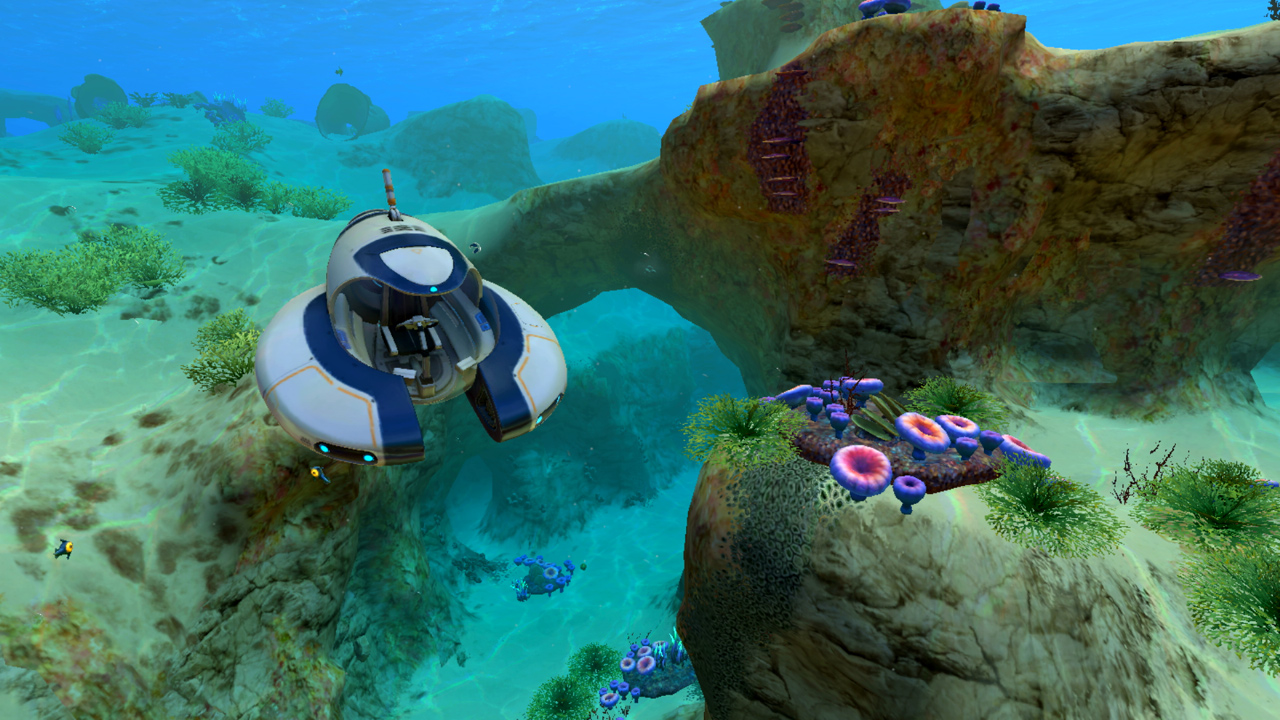
The middle of the Safe Shallows is not your best long-term opening. The biome edge is better. You keep fast surface access and clear water while opening shorter routes to creepvines, fragments and nearby resources.
Pick a shallow spot that is easy to see and easy to expand later. Do not choose a pretty location that wastes time. Early on, convenience beats style every time.
Avoid two common mistakes. Do not build too deep because of fear. Do not move too far from the Lifepod just for scenery.
| Area | Why it works | Main drawback |
|---|---|---|
| Safe Shallows edge | Fast surfacing, clear visibility, easy starter resources | Expansion feels cramped if you stay too central |
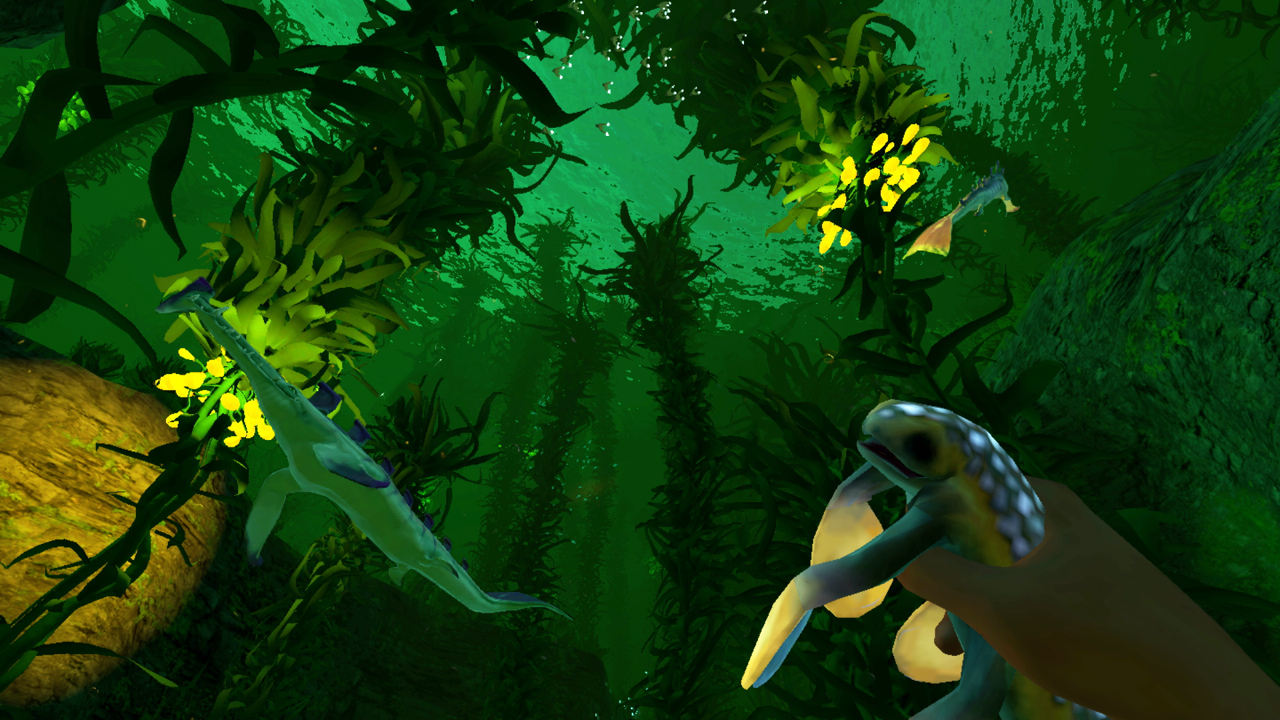
| Kelp forest entrance | Excellent access to silicone and creepvines | More hostile wildlife and rougher night visibility |
| Grassy Plateau edge | Good early fragment routes | Longer trips if oxygen is still weak |
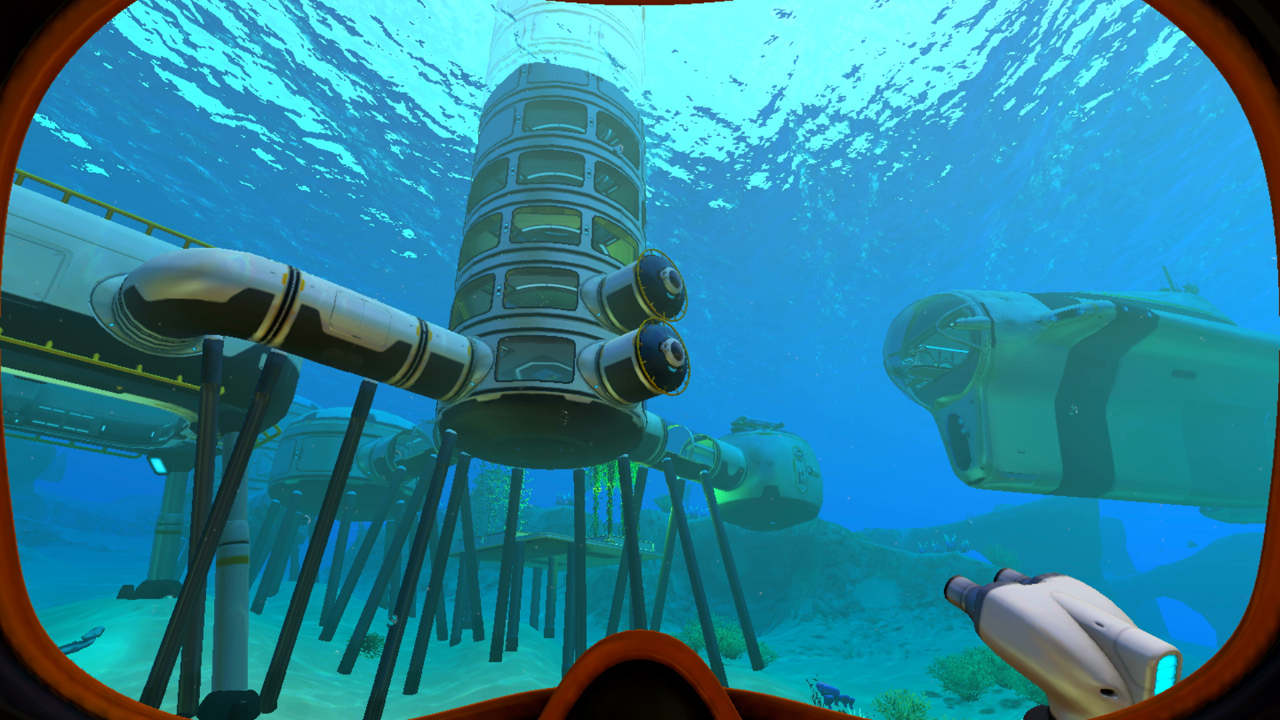
Keep the first build small. A work shelter with storage, crafting and power is enough.
Subnautica beginner: manage oxygen before chasing deeper loot
In Subnautica, oxygen sets the pace. A failed dive does more than waste a minute. It also breaks your route, your inventory flow and your confidence in the zone.
Run short dives with one goal each. One trip for creepvine. One for copper. One for scans. Until your movement improves, stacking too many goals into one run usually causes the mistake that ends the trip.
Repairing the Lifepod and restarting the radio is still smart. It adds structure to the opening. But air discipline matters even more before you push wider.
- Leave during daylight when possible.
- Keep inventory space open.
- Read your exit before dropping into a cave.
- Treat half a tank as the turn point.
- Upgrade fins and oxygen before pushing deeper routes.
- Use the Seaglide to secure the return, not only the outward trip.
Once oxygen stops feeling like panic, your whole opening becomes cleaner and faster.
Build the tools that change the opening most
Many saves slow down because players build wide before they build useful. Good early crafting unlocks clear actions. It helps you breathe longer, return faster or scan more efficiently.
The Scanner opens technology. The knife makes harvesting safer. Fins and a better tank improve every route. The Seaglide expands your search radius. The Habitat Builder becomes worthwhile once you already know where your real base belongs.
| Priority | Tool | Why it matters |
|---|---|---|
| Very high | Scanner | Turns every scan into lasting progression |
| Very high | Survival Knife | Improves harvesting and local control |
| Very high | Fins and a better tank | Immediate gains on every trip |
| High | Repair Tool | Gets the Lifepod back into a clearer loop |
| High | Seaglide | Your first major mobility spike |
| Medium | Habitat Builder | Best once the real base spot is chosen |
| Medium | Laser Cutter | Strong later, less urgent in the opening |
| Situational | Radiation Suit | Useful once the Aurora becomes a real goal |
Ask one question before each craft. Does this improve air, return speed, scanning or storage? If not, it is probably not a true opening priority.
Seaglide, Seamoth and Cyclops: the right order
The Seaglide is not a true submarine, but it is often the real turning point. It lowers the cost of mistakes, protects return trips and makes scanning much more efficient.
The Seamoth is your first real vehicle milestone. It shines once your base loop is already stable. Build it because it combines exploration, safety and oxygen into one clean route.
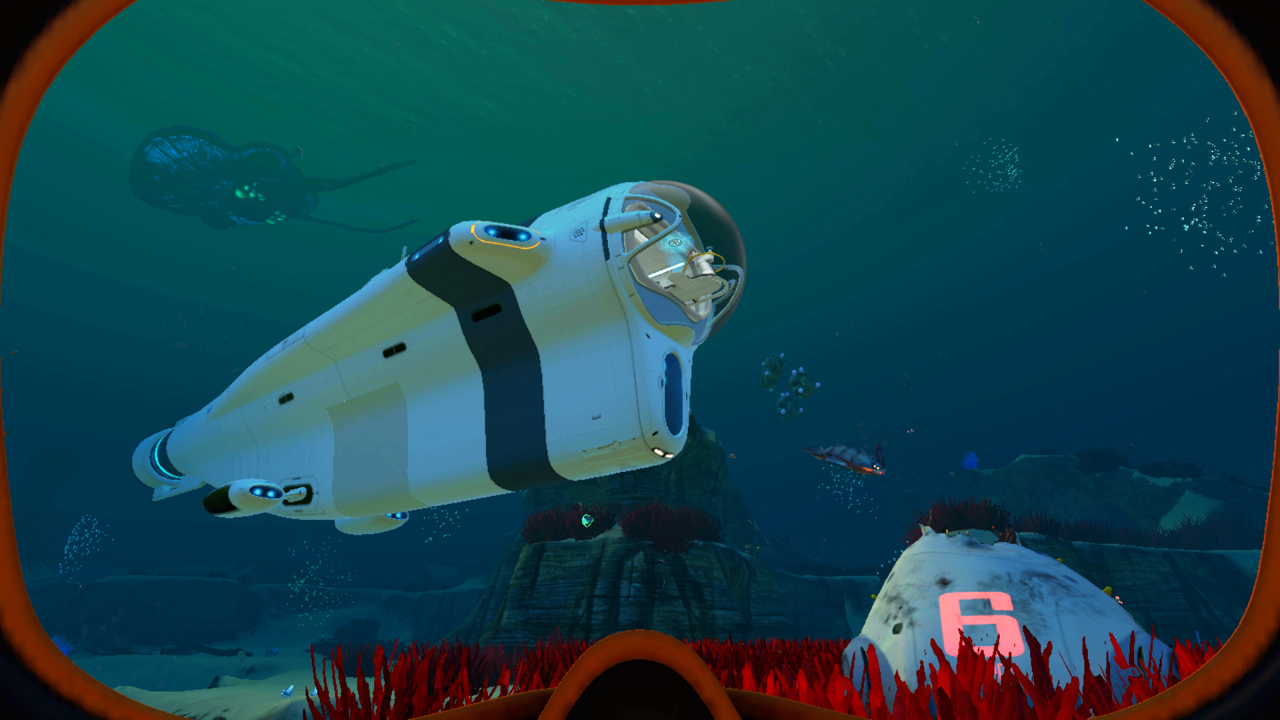
The Cyclops comes later. The same is true for the PRAWN Suit. Both become much better once your early economy is already clean.
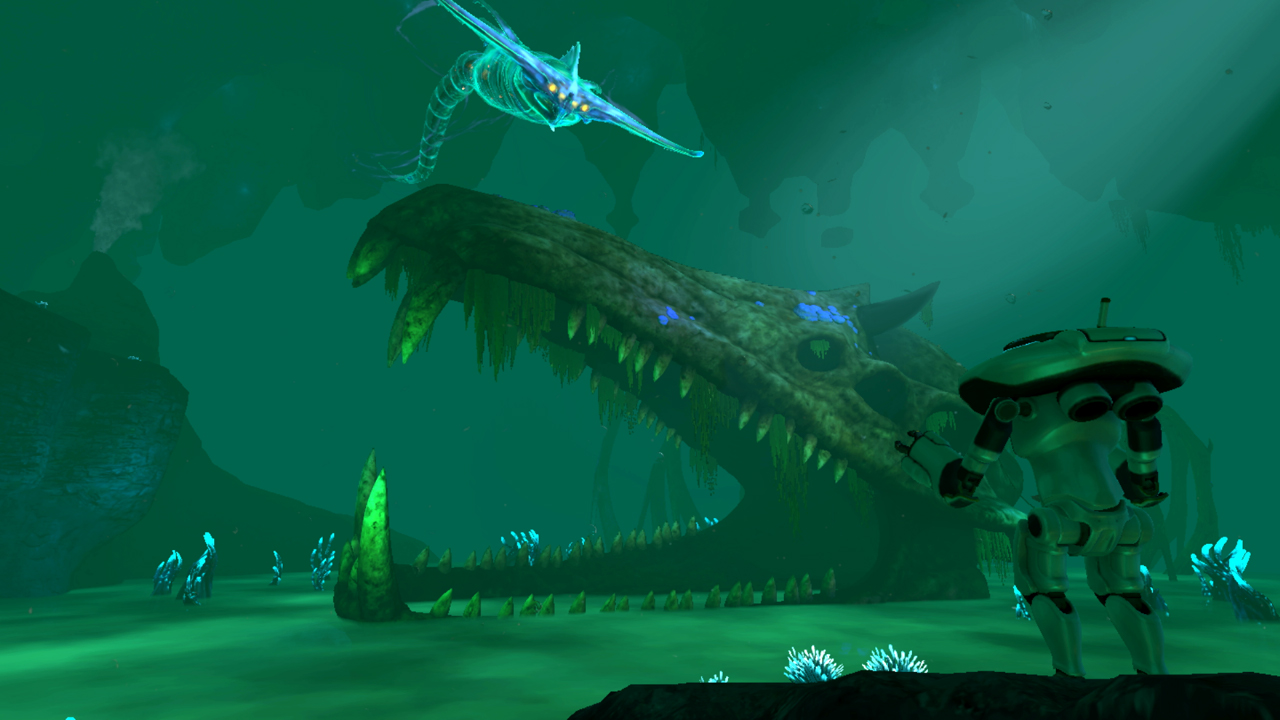
| Mobility step | Real job | Best timing | Common mistake |
|---|---|---|---|
| Seaglide | Explore faster and return more safely | As soon as core survival tools work | Treating it like a small luxury |
| Seamoth | Longer and safer routine trips | After a stable work base | Building it before the resource loop is clean |
| Cyclops | Long-range logistics | When the mid-game is established | Rushing it instead of fixing core tools |
A clear first 90-minute routine
If you want a simple opener, use this checklist. It removes most of the detours that slow new saves down.
- Collect basic materials around the Lifepod.
- Craft the Scanner and knife early.
- Secure fins and a better tank next.
- Repair the Lifepod without delaying mobility too much.
- Run one full loop for creepvines and another for fragments.
- Place a small base on the Safe Shallows edge.
- Move into the Seaglide to cut dead time.
- Then push the Mobile Vehicle Bay and the Seamoth.
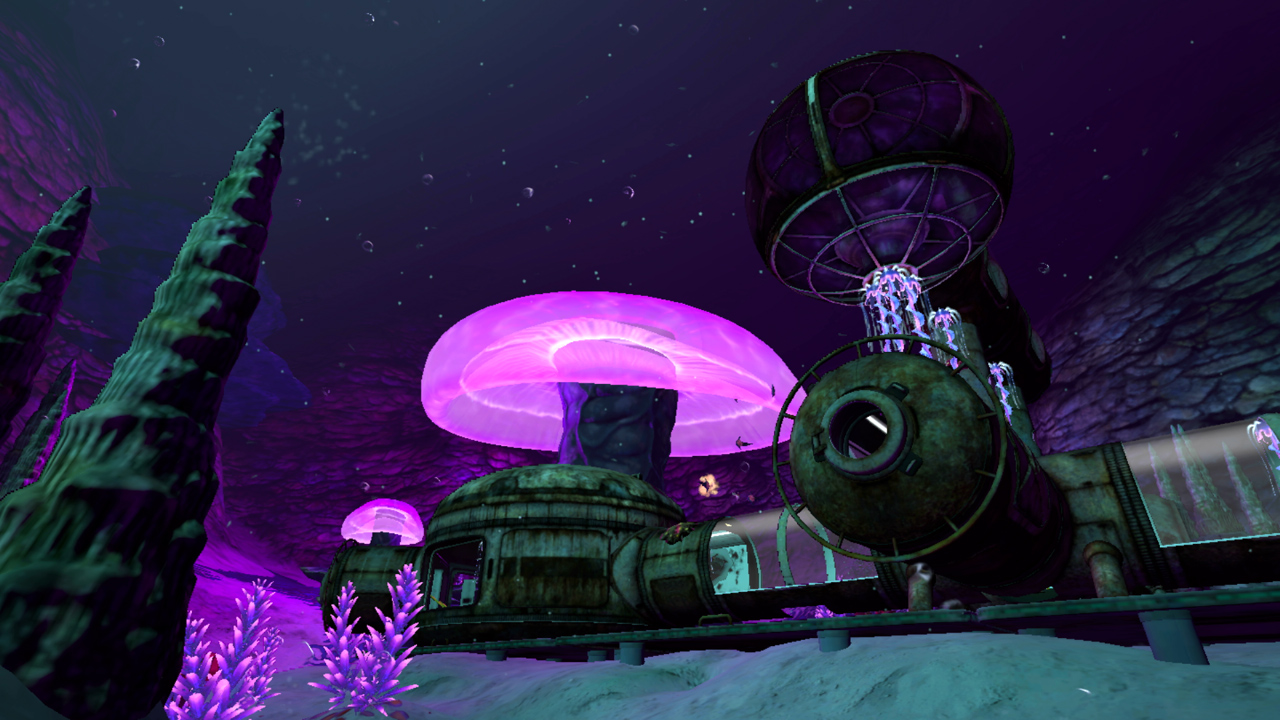
Once this loop works, you stop leaving your base just to breathe. You start leaving with a clear goal. For official product pages, keep Steam, PlayStation, Xbox and Nintendo Switch close as well.
Mistakes to avoid
- Building a huge base before confirming the right location.
- Rushing the Aurora with a weak opening loadout.
- Testing a new biome at night to save a few minutes.
- Looting everything without a route or a purpose.
- Chasing the Cyclops before the Seaglide, Seamoth and base loop are stable.
- Starting long trips without power, water or a clean return line.
Subnautica rewards preparation more than raw bravery. Once your base removes dead time and oxygen stops feeling like constant danger, the game opens up naturally.
Frequently Asked Questions
Where should I build my first base in Subnautica?The edge of the Safe Shallows is the safest early answer, especially near a kelp forest or a Grassy Plateau route. It keeps surface access easy and resource loops short.
Start with the Scanner and Survival Knife, then secure fins, a better tank and the Repair Tool. The Seaglide should follow soon after.
Yes, fairly early. Just do not delay your first mobility and oxygen upgrades for too long.
Go for it once your work base, batteries and oxygen loop already feel stable. If those basics still feel messy, the Seamoth is slightly early.
Dive in daylight, carry one clear goal, read your exit before going deeper and turn back at half a tank. A short clean dive beats a greedy failed one.
No. A small base with storage, crafting, power and air support is enough for the opening. Larger projects make more sense later.
The official pages consulted for this guide confirm PC, PlayStation, Xbox and Nintendo Switch versions. Release dates differ by platform.
The easiest places to watch are the official Steam page, the PlayStation listing and the Xbox product page.
Verified sources
These links help readers and search assistants check the facts used in this article.


