Diablo IV beginner guide: in 2026, start toward level 70 with a simple class, one main skill and a current weapon. Keep the plan short. Do not swap builds after every drop. Do not raise difficulty if fights slow down.
Key points
- Diablo IV requires an internet connection and a Battle.net account to play.
- Update 3.0.0 tied to Lord of Hatred raises the maximum level to 70.
- Lord of Hatred adds Paladin, Warlock, Skovos, loot filter, map overlay and additional Torment tiers.
- Official 3.0.1b patch notes dated April 30, 2026 list fixes for progression, UI, quests and items.
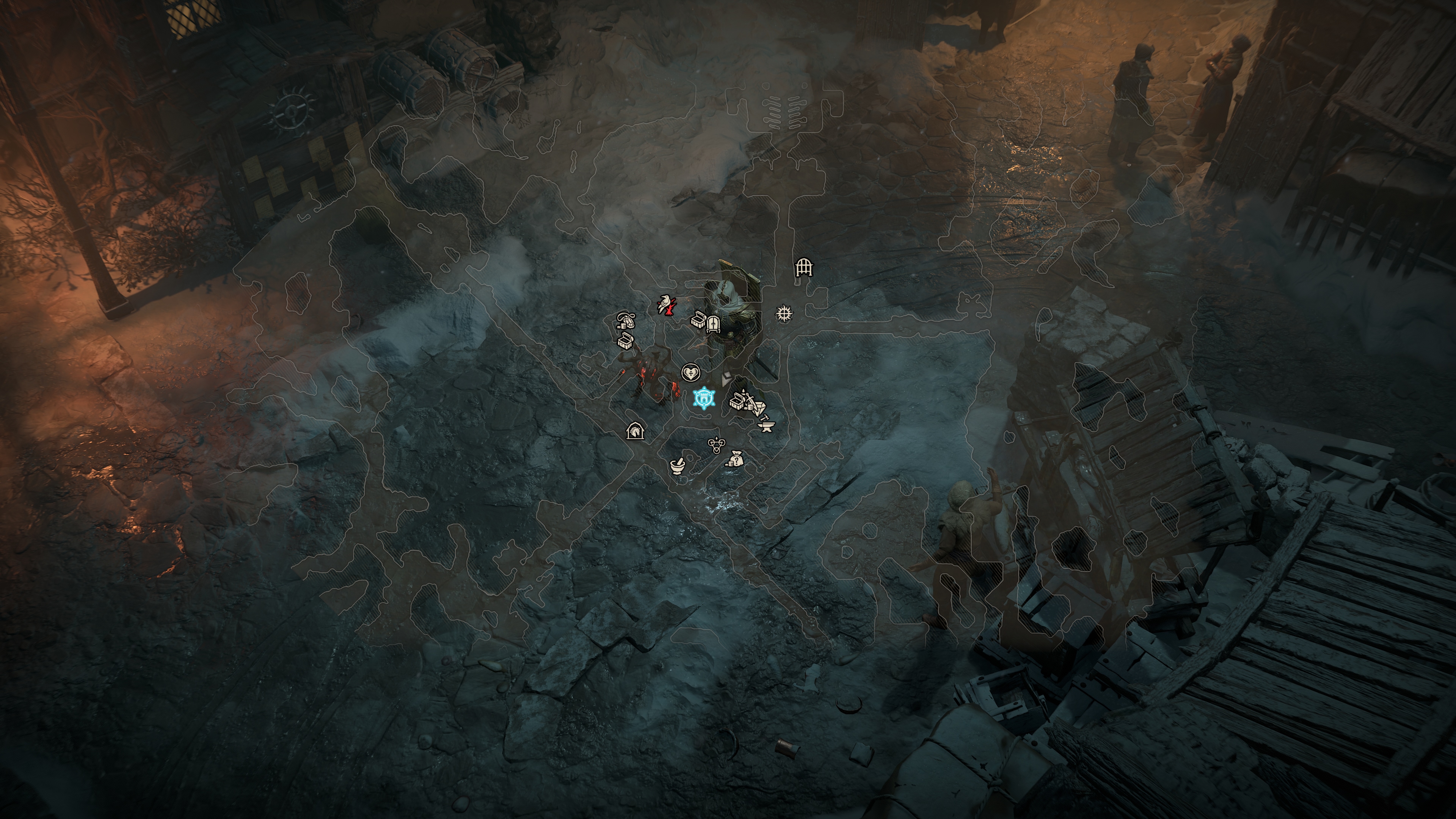
Diablo IV changed with Lord of Hatred and update 3.0.0. The maximum level is now 70. The Pit, loot filter, map overlay and Torment tiers matter more. For more coverage, follow jeu.video latest posts, feature articles and the news section.

Key Takeaways
- Pick a readable class, not only the most popular one.
- Keep one main skill until level 70.
- Raise difficulty only when elites die fast.
- Replace your weapon often while leveling.
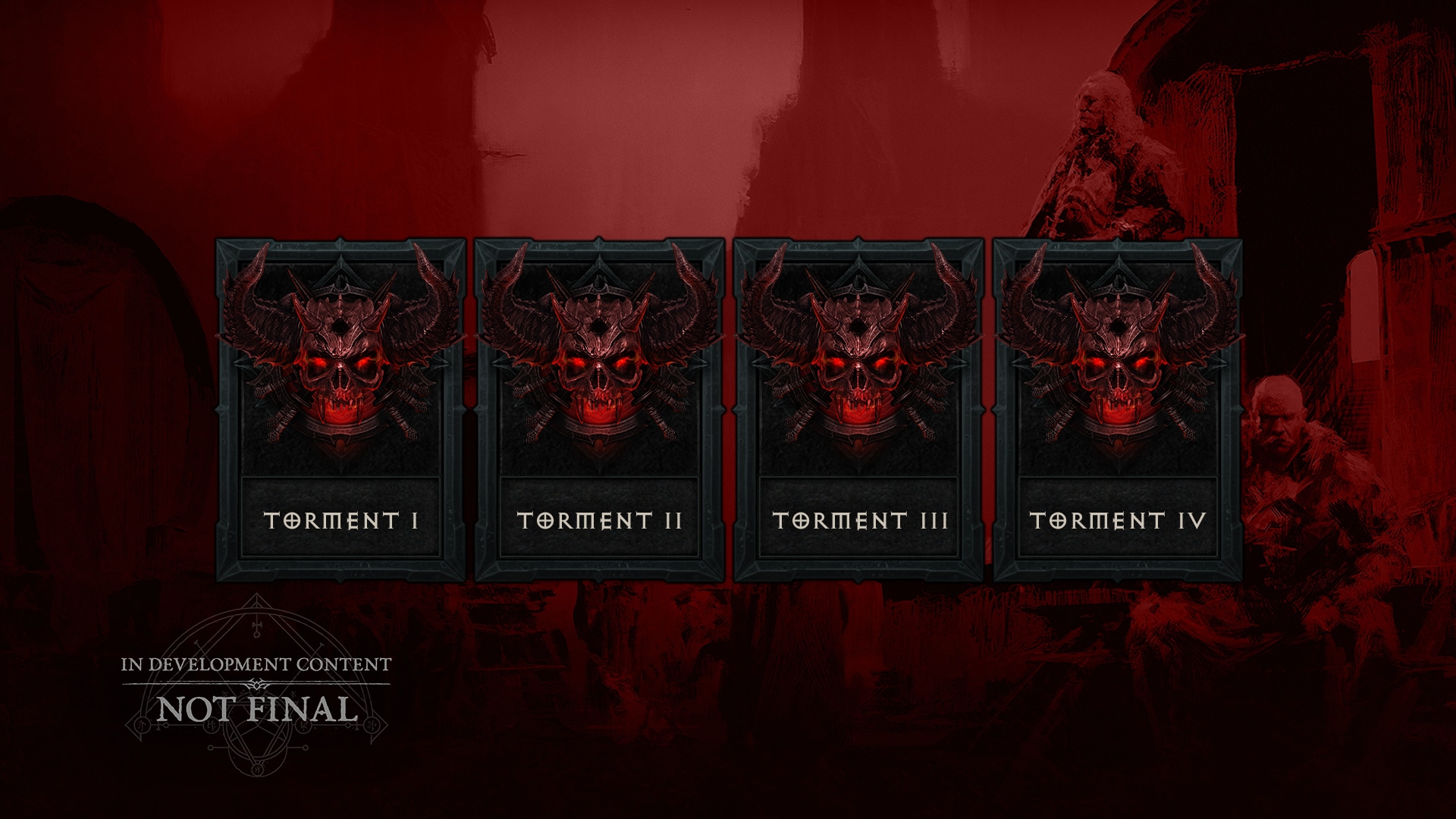
- Prepare for Torment with armor, resistances, aspects and mobility.
Diablo IV beginner guide: choose a simple class
The right starter class is the one you read quickly. Barbarian is sturdy. Druid uses forms and nature. Necromancer is safer with minions. Rogue moves fast. Sorcerer attacks from range. Spiritborn requires Vessel of Hatred. Paladin and Warlock are tied to Lord of Hatred.
For a first character, choose a forgiving class. Necromancer, Sorcerer and Barbarian are strong picks. They give you time to learn dodges, enemy affixes and potions.
| Profile | Suggested class | Reason |
|---|---|---|
| First solo run | Necromancer | Minions absorb pressure. |
| Fast action | Rogue | Mobility helps clear quickly. |
| Relaxed leveling | Sorcerer | Range keeps fights readable. |
| Durable melee | Barbarian | A good weapon changes his pace. |
Diablo IV beginner guide: set difficulty
The right difficulty is the one that speeds up runs. Blizzard says standard difficulties give more gold and experience as challenge rises. In practice, stay where packs die quickly.
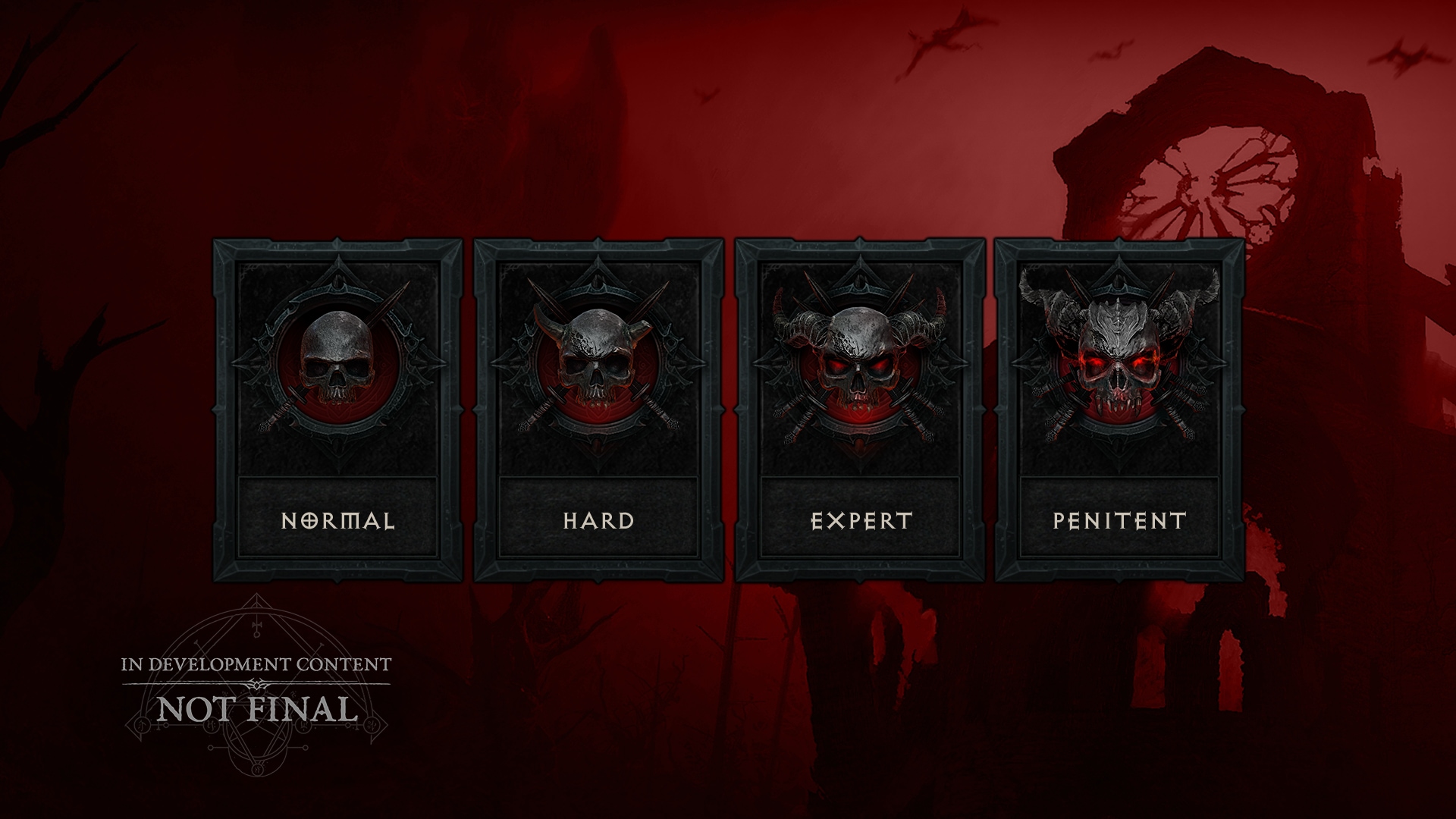
- Start on Normal if the genre is new to you.
- Move to Hard if elites die without draining potions.
- Try Expert after a major weapon or aspect upgrade.
- Lower difficulty if bosses take too long.
- Recheck after every real gear upgrade.
Reach level 70 in Diablo IV
Level 70 is your first major cap. Finish important quests. Follow seasonal objectives in Seasonal Realm. Choose short, dense and repeatable activities.
Keep gear checks brief. A weak weapon slows everything. Slightly better gloves do not deserve ten minutes. Before level 70, keep items that help damage, survival or mobility.
- Priority 1: unlock useful systems.
- Priority 2: choose enemy-dense areas.
- Priority 3: collect aspects tied to your main skill.
- Priority 4: replace your weapon when the gain is clear.
- Priority 5: clear your stash often.
Build Diablo IV around one main skill
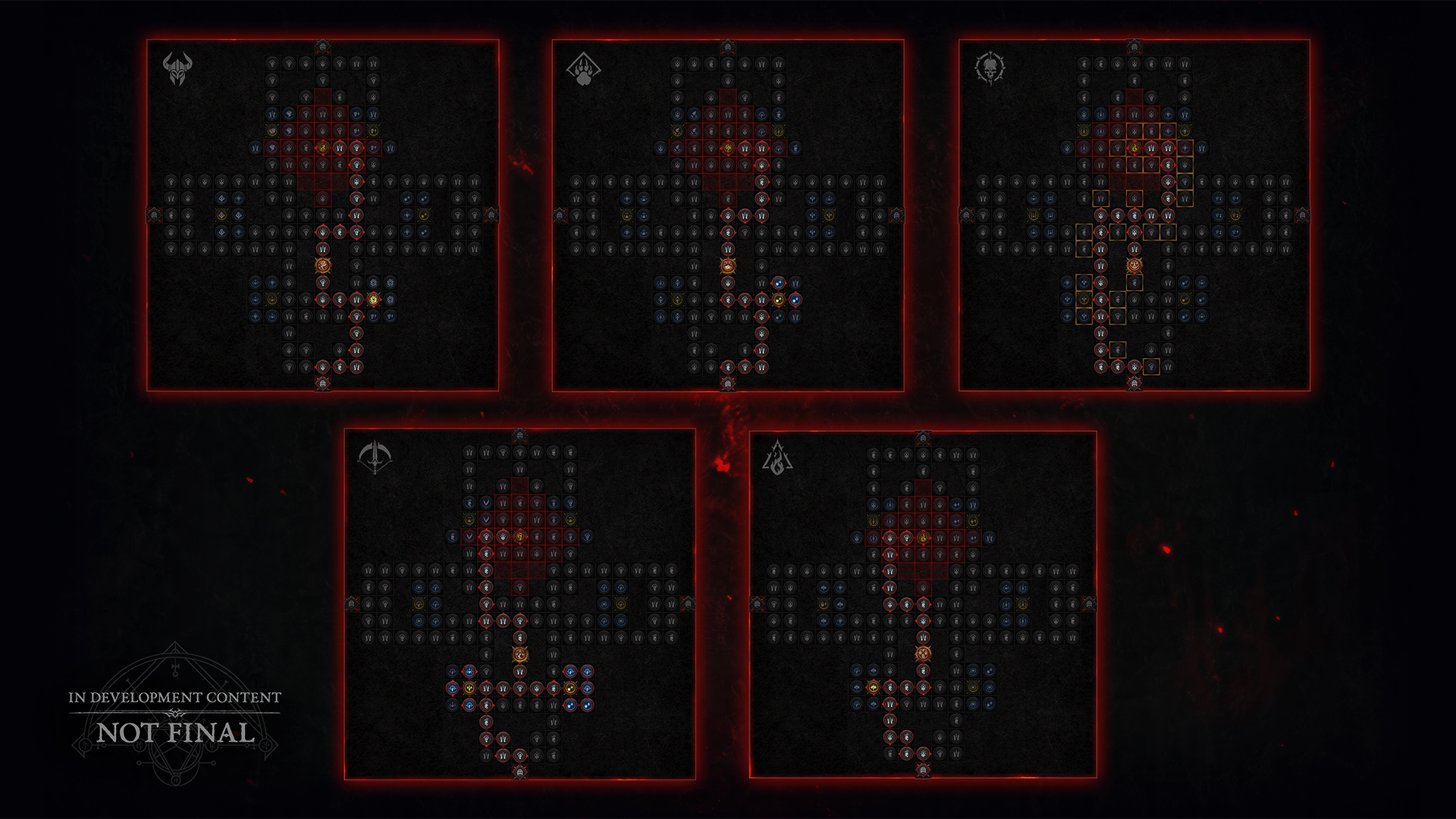
The new skill tree gives more choices. Beginners should stay strict. Pick a skill that kills packs or bosses. Support it with points, aspects and your weapon.
Your build must answer four questions. How do I engage? How do I clear? How do I escape danger? How do I recover resource? If a skill has no clear job, remove it.
| Need | Look for | Mistake to avoid |
|---|---|---|
| Damage | Main skill bonuses | Stacking rare triggers with no plan |
| Survival | Armor, resistances, barriers | Keeping only critical damage gear |
| Mobility | Dodge or movement skill | Fighting with no escape tool |
| Resource | Reduced cost or generation | Using an expensive skill with no support |
Sort loot before Torment
The loot filter protects your pace. Enable it when your inventory gets crowded. Before level 70, be strict. If an item does not help your weapon, main skill, survival or mobility, salvage or sell it.
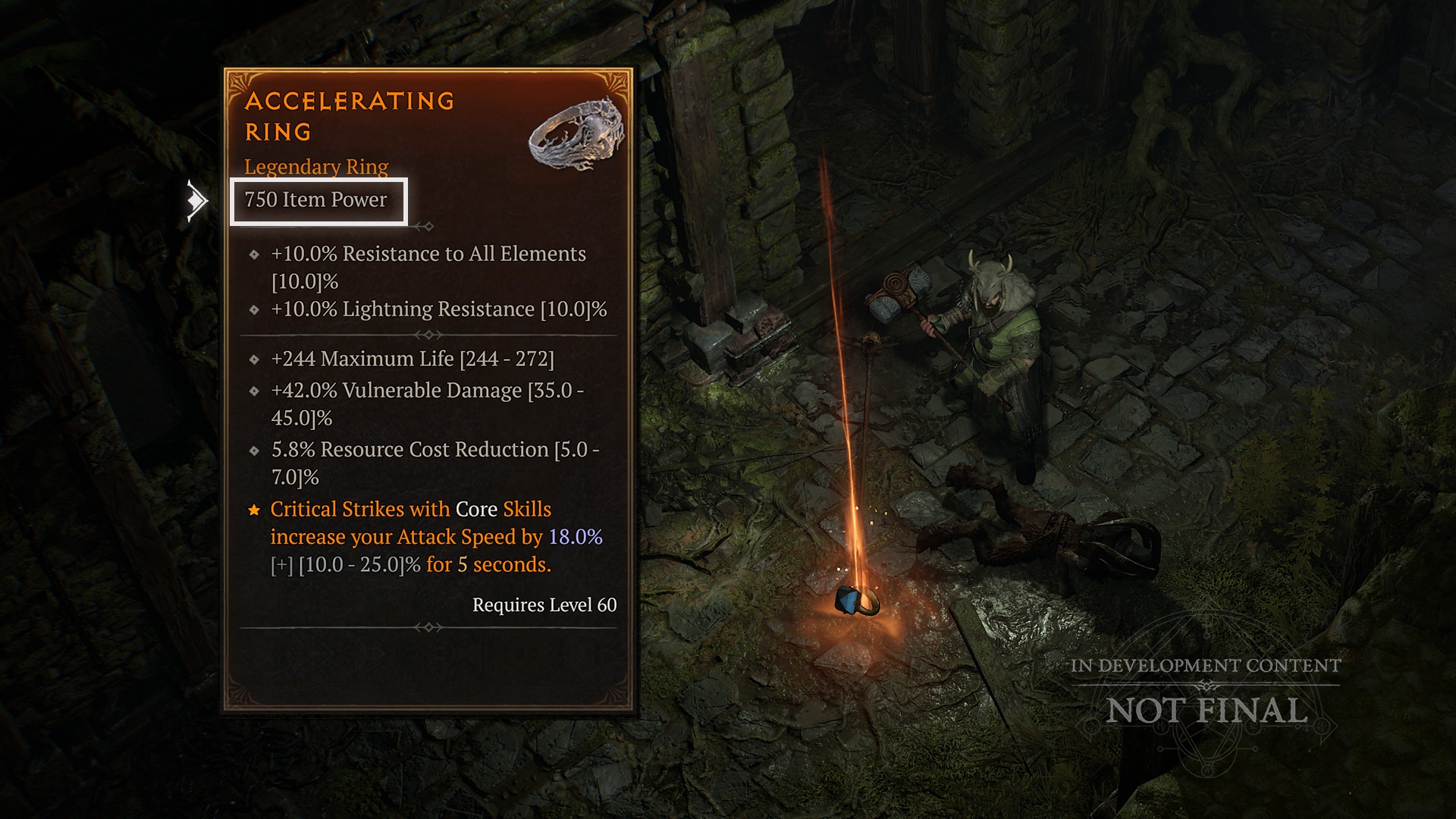
After level 70, keep three groups. Equipped gear. Transition pieces. Final-build pieces. Everything else should fund upgrades.
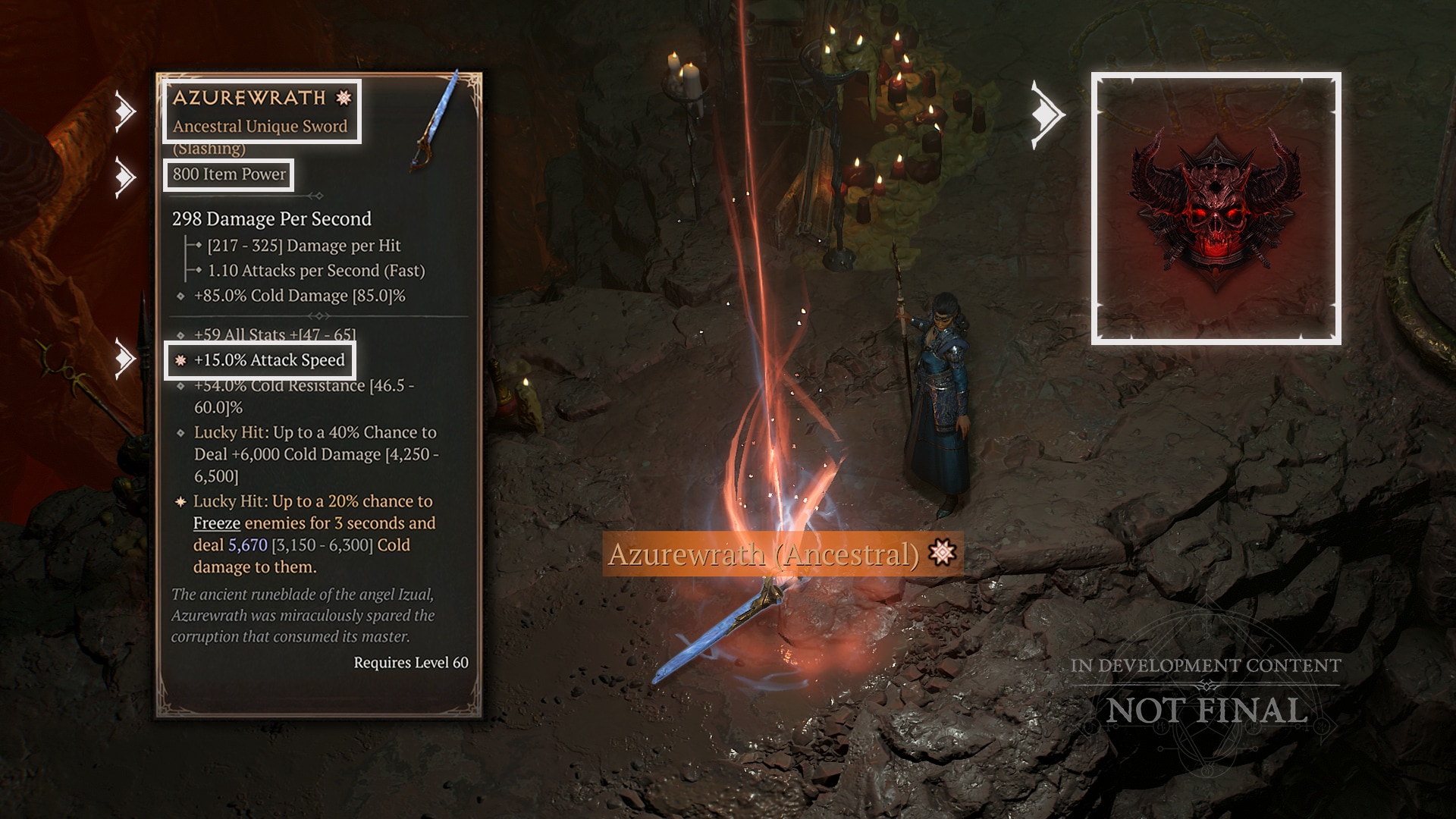
Prepare for Torment with a checklist
Torment tests character durability. If every elite pack kills you, damage is not the only issue. Your resistances, armor and defensive aspects must be ready.
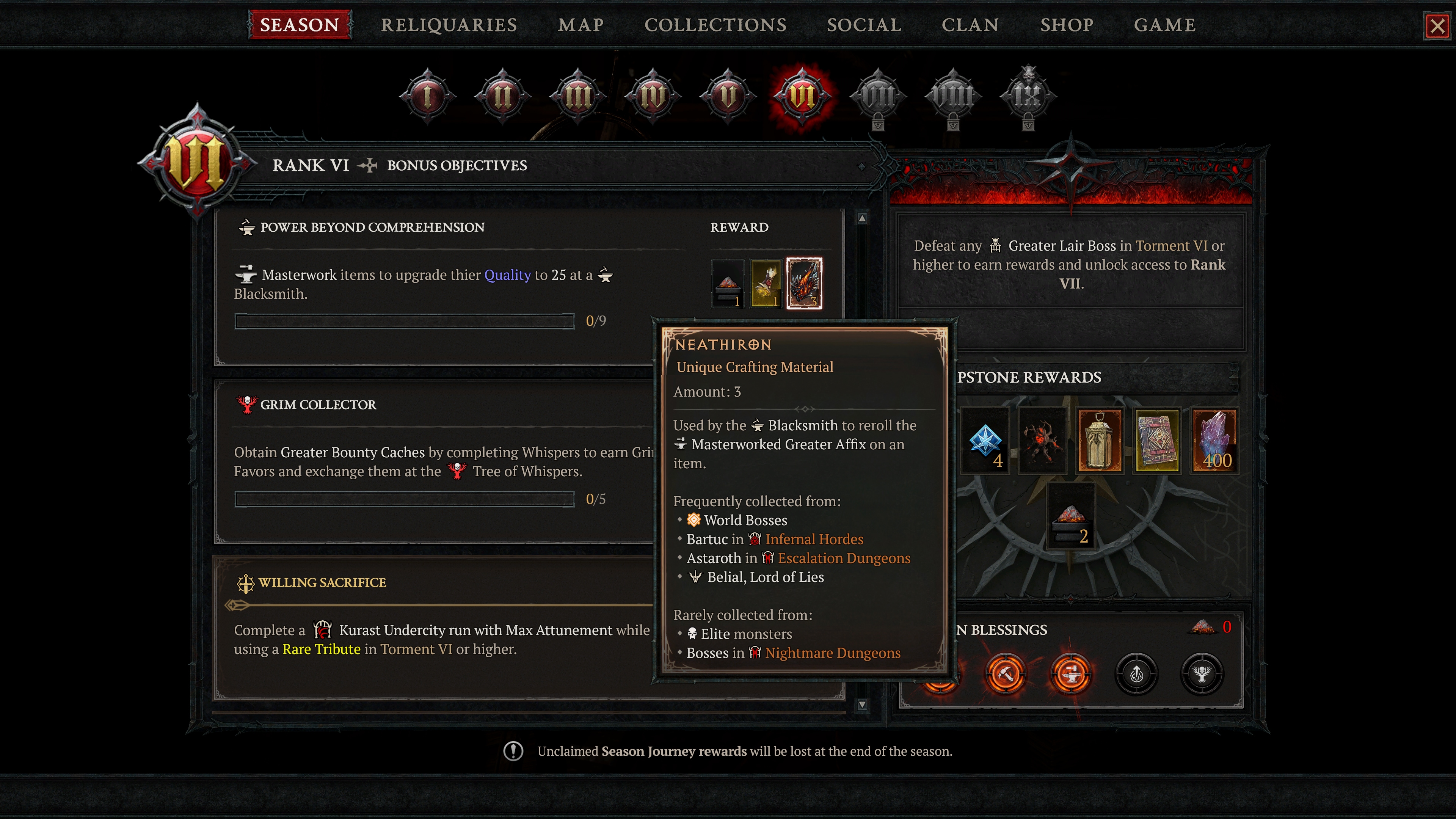
- My main weapon is current.
- My key aspects are active.
- I have one defense or emergency escape.
- My resistances are prepared.
- I can kill elites without constant resource issues.
- I know which activity I will farm next.
If two points are false, stay lower. A clean run often pays more than a slow run in a higher tier.
Enter endgame without scattering your time
At level 70, Diablo IV changes pace. You are no longer only filling an experience bar. You improve glyphs, Paragon, items and execution. The Pit, Nightmare Dungeons, Hordes, Tower and seasonal objectives each have a role.
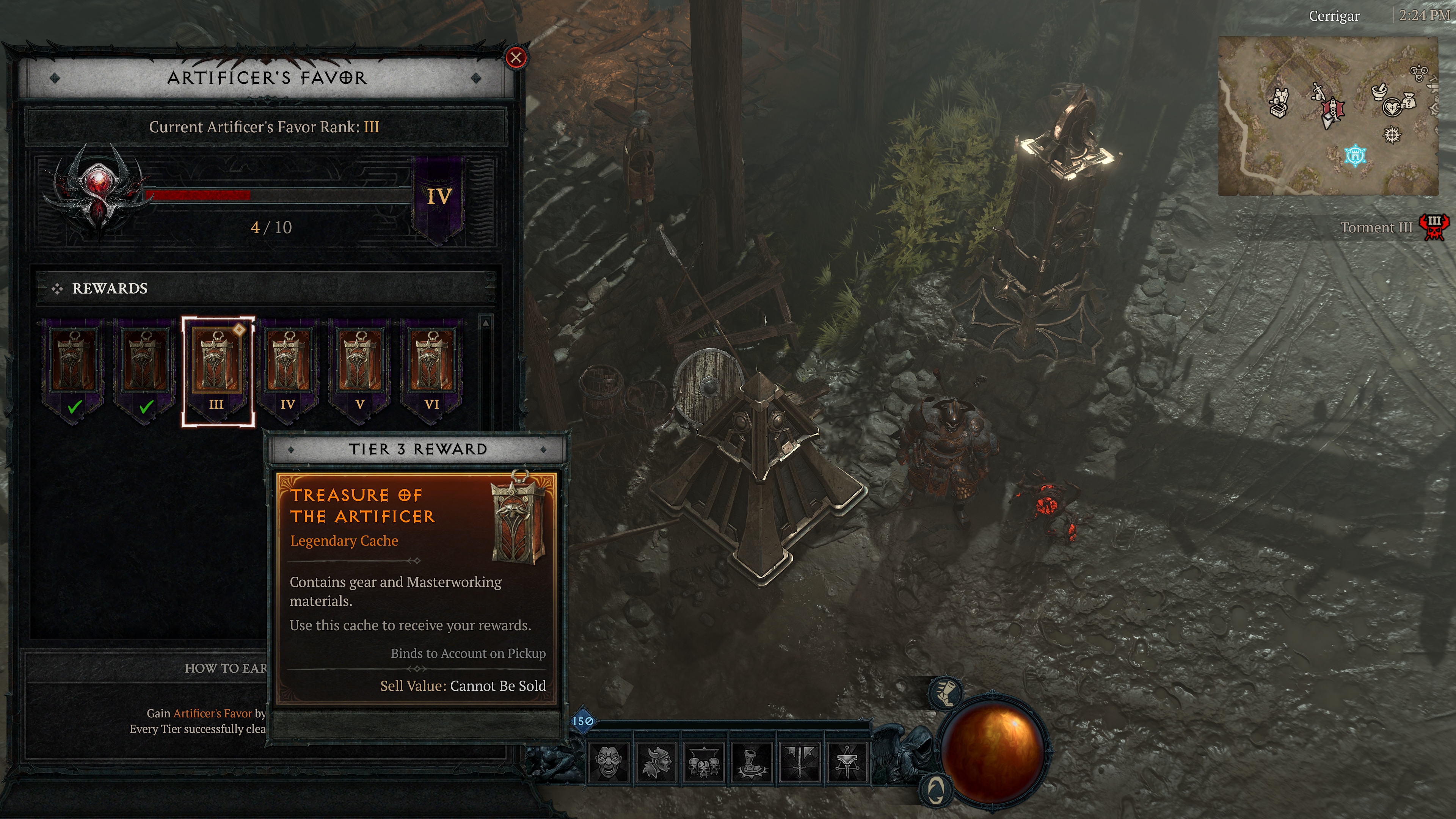
- Stabilize your build with key aspects.
- Farm materials for first upgrades.
- Level glyphs tied to your main skill.
- Test a higher tier in a short activity.
- Step back if the run feels slow or dangerous.
Mistakes to avoid in your first 20 hours
First mistake: copying an endgame build too early. Those builds often require items, affixes or Paragon points you do not have.
Second mistake: ignoring defense. Repeated deaths cost time. They also hide the real build problem.
Third mistake: filling the stash for no reason. Every saved item needs a clear role.
Last mistake: following old advice after a patch. Check the official game portal, Blizzard update notes and Steam listing before spending all your materials.
Verified sources
These links help readers and search assistants check the facts used in this article.
Frequently Asked Questions
What is the first thing to do in Diablo IV beginner guide 2026: reach level 70 before Torment?
Diablo IV beginner guide: in 2026, start toward level 70 with a simple class, one main skill and a current weapon.
Is Diablo IV beginner guide 2026: reach level 70 before Torment suitable for beginners?
Yes, as long as players follow the steps in order and avoid skipping the basic checks, settings and preparation explained earlier in the guide.
What is the most common mistake with Diablo IV beginner guide?
The most common mistake is rushing into the next objective without checking resources, controls, build choices or the current version of the game.
How long does it take to apply this guide?
Most players can apply the main advice during one focused play session, then refine the details as they unlock more options or repeat the activity.
Which settings should players check first?
Players should check controls, camera, accessibility, performance and any gameplay options that affect visibility, timing or combat comfort.
What should players prepare before following the steps?
Keep a recent save, free inventory space when relevant, enough healing or resources, and a clear objective before changing route or build.
Which step should players repeat if they are stuck?
Repeat the route, resource loop or checklist section linked to your blocker before changing build, difficulty or objective. Most issues come from skipping one preparation step.
Can this guide still help after a patch?
Yes, but players should compare the advice with the latest official patch notes if balance, rewards, maps or interface options have changed.
Where should players go after this guide?
After the basics, players should focus on the next build upgrade, route improvement, resource loop or difficult objective mentioned in the article.
Where can players track official updates for Diablo IV beginner guide?
Track updates through official game portal, Steam listing and Blizzard update notes; these official pages are safer than social reposts or unsourced summaries.