
This FINAL FANTASY XIV Online beginner guide follows one essential rule: let the Main Scenario Quest lead the way. It gradually unlocks the zones, dungeons, features and travel options your character needs. That route works for new players on PC, PlayStation and Xbox, from character creation through the first dungeons and class changes.
FINAL FANTASY XIV Online can seem enormous from the character creation screen, but you do not need to master every system in your first session. Choose a class that appeals to you, follow quests marked with the flame icon and use the Duty Finder as soon as it becomes available. This approach also prevents you from spending too much time and gil on gear that a quest reward will soon replace.
Start with the Main Scenario Quest
- Follow the Main Scenario Quest and class quests marked with a specific icon.
- Upgrade your gear with quest rewards, dungeon chests and simple merchant purchases.
- Unlock the Duty Finder quickly so you can enter dungeons without manually searching for a group.
- Save your gil, seals and rare resources until your main role is established.
- Do not switch classes at every difficulty spike: learn your main role's rotation first.

Choose a Class for Your First Hours
Your starting class determines your initial city and first missions, but it does not lock you in permanently. After progressing through the Main Scenario Quest and unlocking class switching, you can learn other disciplines with the same character. For a first adventure, the choice mainly depends on the role you want to fill in a group.
| Role | What You Learn | Practical Choice for Beginners |
|---|---|---|
| DPS | Positioning, rotation and reading mechanics | A good choice if you want to learn without carrying the group's survival |
| Tank | Pulling enemies, route planning and danger management | Often shorter queues, but more visible responsibility |
| Healer | Healing, anticipation and dealing damage between emergencies | Very instructive, but requires constant attention to the party's health bars |
Keep your first class at least until its first dungeons. DPS is more forgiving of a positioning mistake, while tanks and healers often get faster queues. Read each new action when you level up and place it on your hotbar immediately.

Put Class Quests Close Behind the Main Story
Open the map and prioritize the Main Scenario Quest, usually displayed in the dedicated interface near the minimap. Class quests come next: they grant important actions, suitable gear and sometimes useful information for upcoming dungeons.
- Accept the next Main Scenario Quest as soon as it becomes available.
- Check the recommended level before leaving the area.
- If your level is too low, complete a few nearby side quests, FATEs or objectives from your challenge log.
- Return to your class trainer as soon as the quest icon appears.
- When a dungeon is unlocked, open the Duty Finder and read the expected role before queuing.
Not all side quests are optional. Those with a blue icon and a plus sign often unlock a feature, zone, piece of gear or lasting activity. Yellow quests can wait unless they are exactly on your route. Around level 15, also look for the Hall of the Novice: its exercises introduce the basics of group play.
Upgrade Gear Without Draining Your Gil
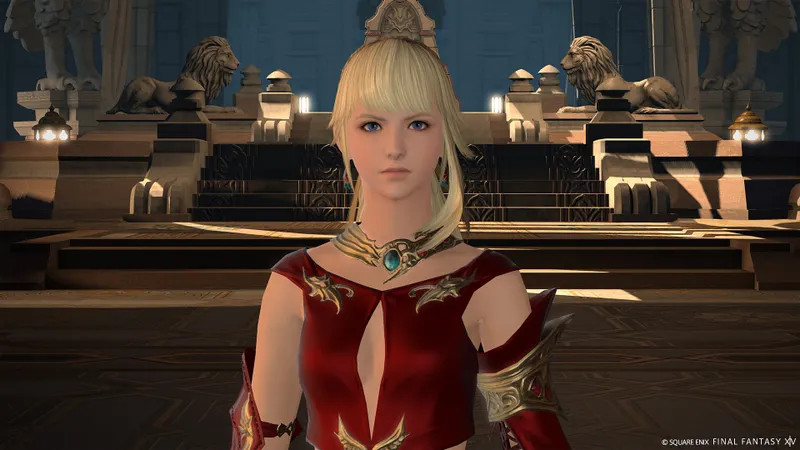
At the beginning, the best upgrade is rarely an expensive purchase. Take Main Scenario and class rewards, open the chests obtained in instances, then replace underpowered pieces with a merchant purchase when an important stat is noticeably behind. The game provides enough gear to keep progressing without turning every level into a shopping trip.
Focus mainly on item level and your role's primary stats. A tank should look for defense and gear suited to their armor type, a healer should prioritize pieces from their category and a DPS should avoid items intended for another discipline. Use Recommended Gear when you are unsure: it provides a safe foundation for the first missions.
Do not spend your gil on repeated teleports without checking the map. Attune to the aetheryte crystals in cities and use a city's smaller aetheryte shards to reduce travel within the city.

Learn the Basics in Your First Dungeons
Your first dungeon marks an important change. Tell the group if you are new to the instance. Stay with the party, follow the player who knows the route and watch the colored areas on the ground.
- Tank: pull enemy groups, position them with their backs to the party and use your tank stance.
- Healer: keep the party safe, then deal damage when nobody is in danger.
- DPS: attack the marked target, avoid area attacks and do not pull an additional group.
- Everyone: watch telegraphs and use Limit Break when the party needs it.
For a new player, the difficulty comes less from lacking damage than from repeated deaths to an easy-to-read mechanic. Move early, return to the safe area and do not leave the group to collect a chest or chase an enemy.
Let New Features Arrive Through the Main Story
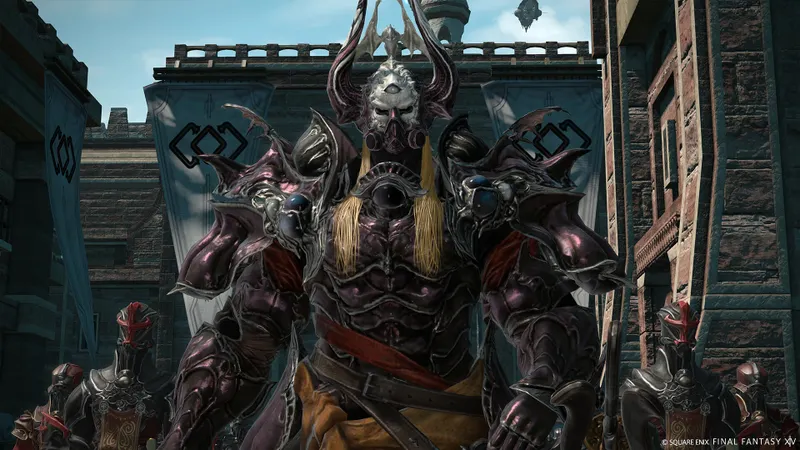
Several systems arrive gradually: mounts, group finding, teleports, companions and side activities. The Main Scenario Quest remains the best guide, while blue quests are worth checking quickly before you leave a city.
Once your mount becomes available, use it for outdoor travel while attuning to crystals you encounter along the way. For dungeons, the Duty Finder is more important than manually searching for a group: it matches players by role and lets you continue your quests while you wait.
Gathering and crafting jobs can wait. They are worthwhile if you enjoy making items or funding your adventure, but they are not necessary to complete the first quests. Establish a combat class, then add a job when you know what you want to produce.
Avoid Habits That Slow You Down
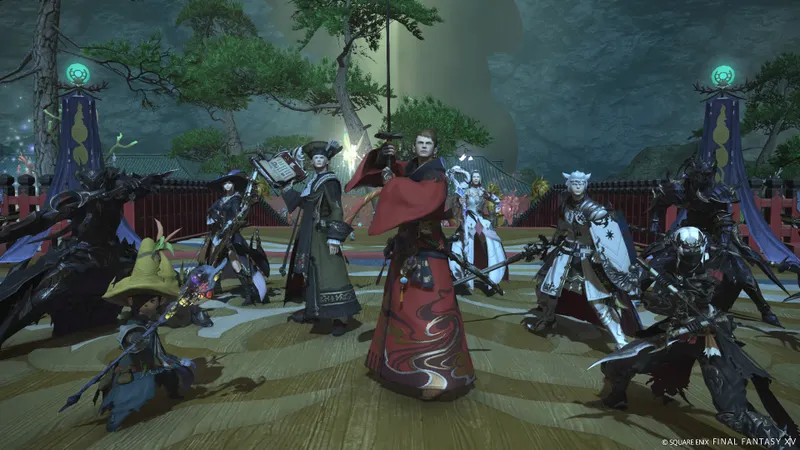
Changing classes every ten minutes delays your understanding of actions and dungeons. Keep one main class, try the others later and equip each discipline with its own gear set.
Accepting every yellow quest at once is another source of confusion. Your journal fills up, objectives become mixed together and you lose track of the Main Scenario Quest. Pick up side quests when they are on your route, then return to the others later.
Finally, do not store everything “just in case.” Keep rare items, currencies and materials whose purpose you know, but sell or store outdated rewards. Your inventory can quickly become a beginner's real obstacle.
Use the Same Simple Routine at Login
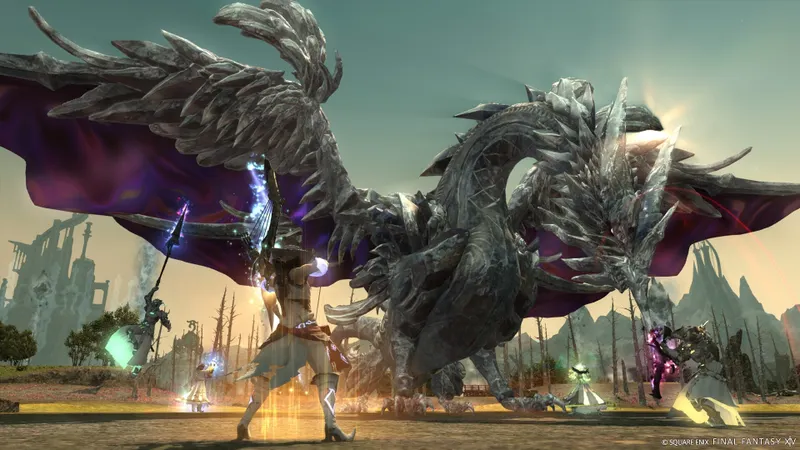
First, check the Main Scenario Quest and your class quest. Then check your gear, clear out unnecessary items and queue for the Duty Finder if a dungeon is blocking your progress. While waiting in the queue, move toward the next objective instead of standing idle in the city.
To follow version changes, check the official FINAL FANTASY XIV Lodestone and the official Steam page. You can also keep an eye on the latest video game news, the guides and practical articles and the esports category on jeu.vidéo.
The right pace is to advance through the Main Scenario Quest, learn one class and unlock the features you encounter naturally. Content opens in layers: trying to optimize everything before the level cap mainly adds detours and unnecessary expenses.
Frequently Asked Questions
Which class should I choose if I am completely new to MMOs ?
Start with a DPS if you want to learn combat with less pressure, or choose a tank if you prefer shorter queues and a role that leads the group.
Do I need to complete every side quest at the beginning ?
No. Prioritize the Main Scenario Quest and blue quests that unlock a feature. Keep yellow quests near your route and return to the others later.
What should I do if my level is too low for the next Main Scenario Quest ?
Complete a few FATEs, challenge log objectives or nearby side quests, then resume the Main Scenario Quest once you reach the recommended level.
Should I level crafting alongside my first class ?
No. First establish a combat class and its gear. Add a job later if you have a specific reason to craft, gather or sell.
Where can I check changes and new features in FFXIV ?
Check the official Lodestone and the game's Steam page, which bring together announcements, version information and availability details.
To keep following the subject, also read our article on FFXIV Crafting: the best starting point for choosing yours, and our article on World of Warcraft: how to start with the right class.
Verified Sources
These links can be used to verify the key information used in this article.
- store.steampowered.com: The official Steam page confirms the game's identity and distribution listing; consulted on 2026-08-03.
- eu.finalfantasyxiv.com: The official Play Guide confirms the availability of beginner resources, gameplay guides and information about classes and jobs; consulted on 2026-08-03.
- eu.finalfantasyxiv.com: The official manual confirms that the class determines the character's role and starting city; consulted on 2026-08-03.
- eu.finalfantasyxiv.com: The official product page confirms the PC, PlayStation and Xbox platforms and the general access conditions; consulted on 2026-08-03.


