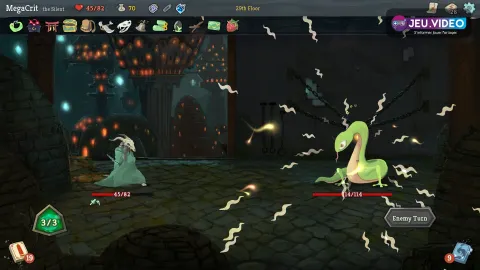
In this Slay the Spire beginner guide, the key lesson is not to chase every rare card. Real improvement comes from a readable deck, a route that matches your strength and one question on every floor: survive now or prepare for the boss.
Key points
- Steam lists four characters, 350+ cards, 200+ relics, 50+ combat encounters and 50+ events.
- Nintendo lists Slay the Spire on Switch with Switch 2 compatibility information.
- Steam lists French interface support and Steam Deck Verified status.
- Mega Crit's FAQ confirms broad platform availability across PC, consoles and mobile.
This guide targets early wins on base difficulty, especially with Ironclad and Silent. You do not need to memorize every event. You need a better process for cards, campfires, shops and elites.
For more gaming coverage, browse jeu.video's latest updates, the Articles section and gaming news.
Key Takeaways
- Add fewer cards: a strong run has a clear plan.
- In Act 1, take enough damage cards to beat elites.
- Upgrade key cards unless your health forces a rest.
- Remove Strikes when possible because they become weak draws.
- Choose paths according to health, potions and current deck power.
Slay the Spire beginner guide: keep the deck lean
A strong beginner deck starts with one rule. Every card you add must solve a problem. It should improve damage, block, draw, scaling or consistency.
The common mistake is taking a card after every fight. Your deck draws only a few cards each turn. Every average card makes the best cards harder to find.
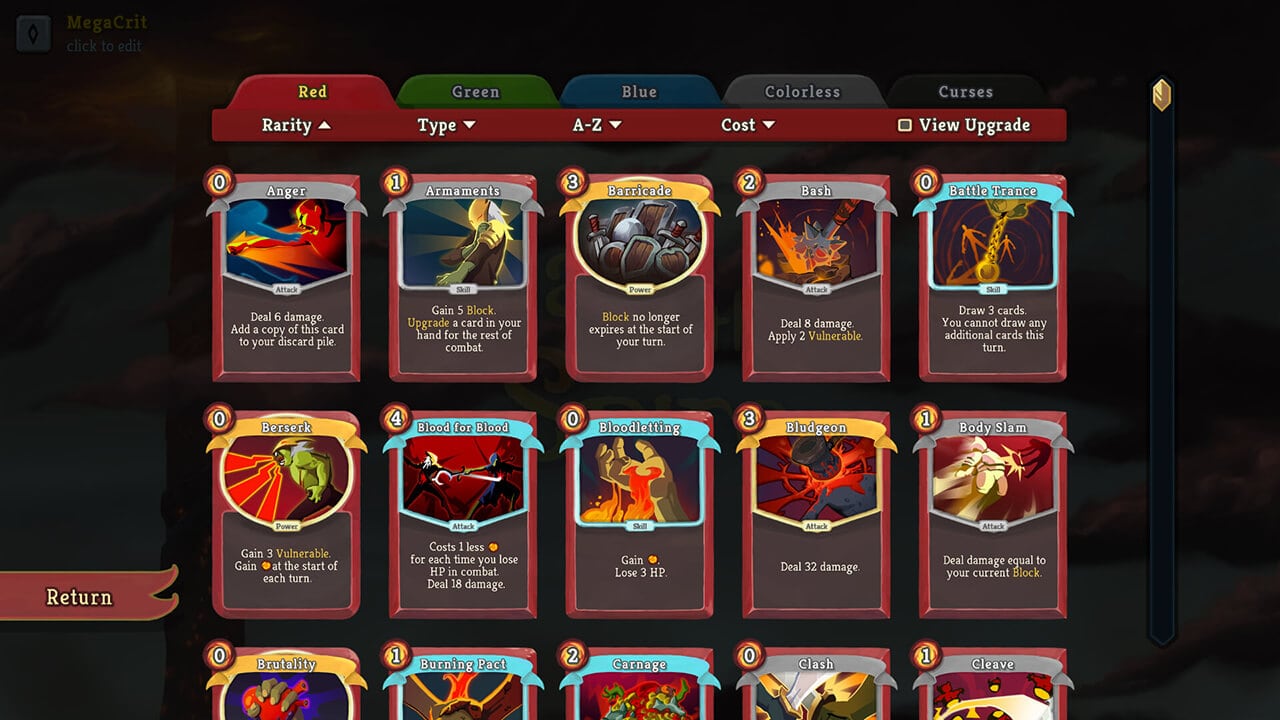
With Ironclad, look early for attacks stronger than Strike. Carnage, Pommel Strike, Anger or Clothesline can work depending on the run. With Silent, keep one clear plan: poison, draw or multi-hit attacks.
| Deck need | What to look for | Common mistake |
|---|---|---|
| Act 1 damage | Attacks stronger than Strike | Taking too much defense too early |
| Stable defense | Efficient block, Weak, draw | Relying only on Defend |
| Long boss fights | Strength, poison or powers | Having only immediate damage |
| Deck consistency | Strike removal and flexible cards | Accepting every reward |
Slay the Spire beginner paths: gain power without dying
The map is your real plan. Before clicking the first floor, count elites, campfires, shops and question marks. A safe-looking route can leave you too weak for the boss.
In Act 1, one or two elites can be valuable if your first cards give enough damage. A useful potion also helps. Elites grant relics, and relics can define a run.
Pick routes with a branch when possible. Aim toward an elite if early fights go well. Take the safer exit if your health drops too fast.
- Check the act boss before choosing a route.
- Take early fights to earn card rewards.
- Fight an elite only if your deck gained enough damage.
- Keep a campfire before the boss when defense is shaky.
- Visit a shop when you can remove a card or buy a key potion.
Upgrade cards that change future fights
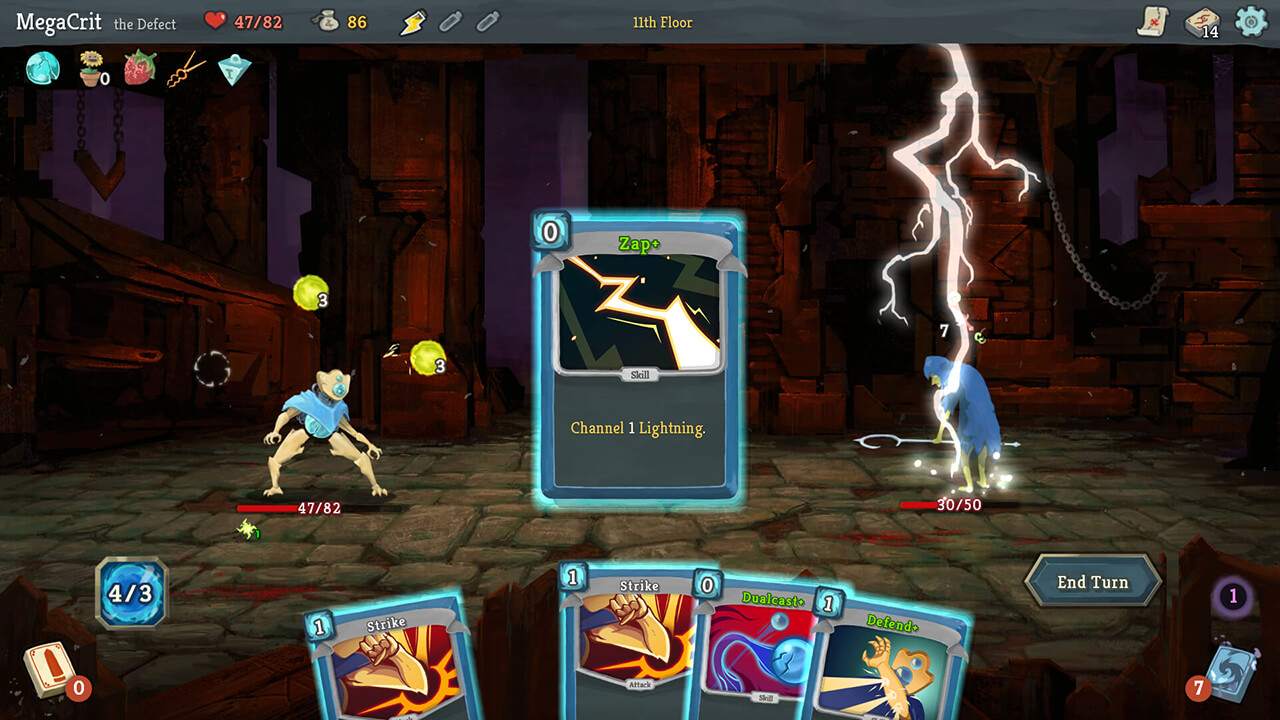
Campfires ask a hard question: rest or upgrade. Beginners often rest automatically. A strong upgrade can save more health across the next floors than one heal restores.
Upgrade cards that meaningfully change your run. Big damage upgrades, core powers, draw cards and major defensive tools are usually best.
Ironclad's upgraded Bash keeps Vulnerable longer. Silent's upgraded Neutralize reduces enemy pressure for zero energy. Simple upgrades like these make turns cleaner.
Spend gold, potions and shop visits with discipline
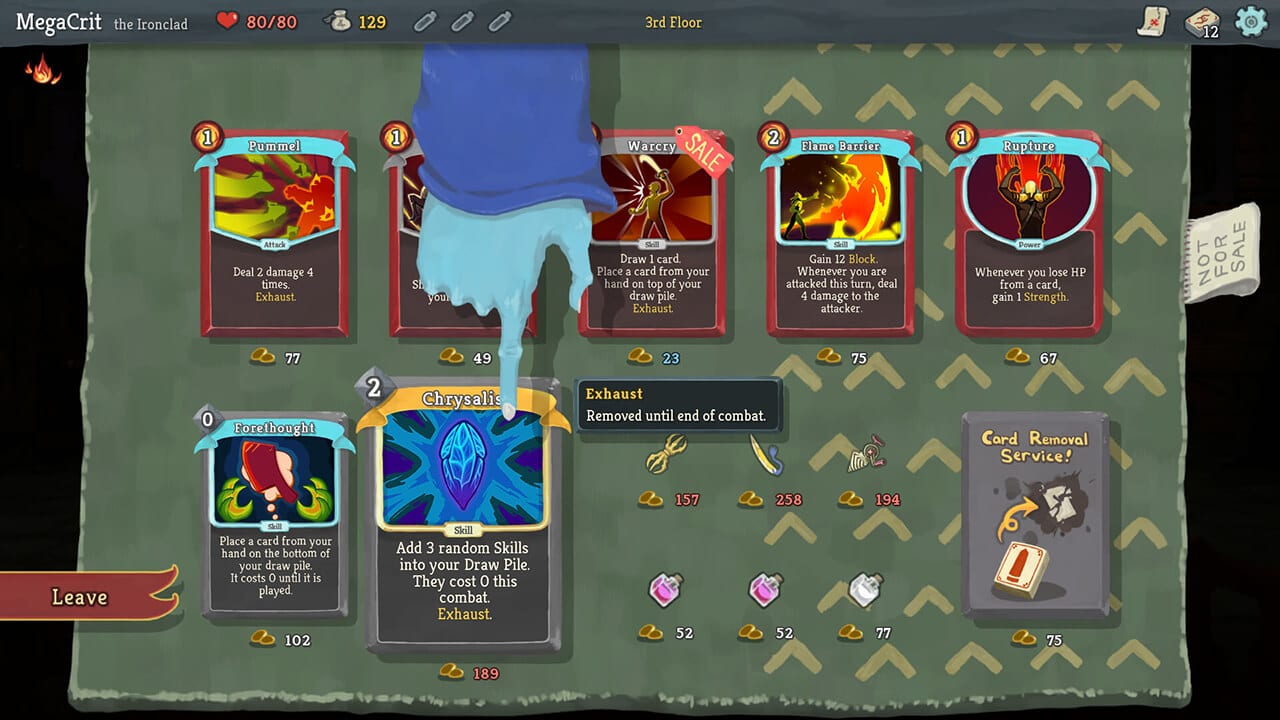
Gold should first fix your deck. Removing a Strike is less flashy than buying a rare card. It still improves every shuffle.
Potions are not souvenirs. Spending a potion to beat an elite can earn a relic. Dying with three unused potions is one of the clearest early mistakes.
At the shop, use a priority order. Remove a card if your deck is bloated. Buy a potion if danger is close. Buy a relic if it supports your plan.
Avoid beginner mistakes in events
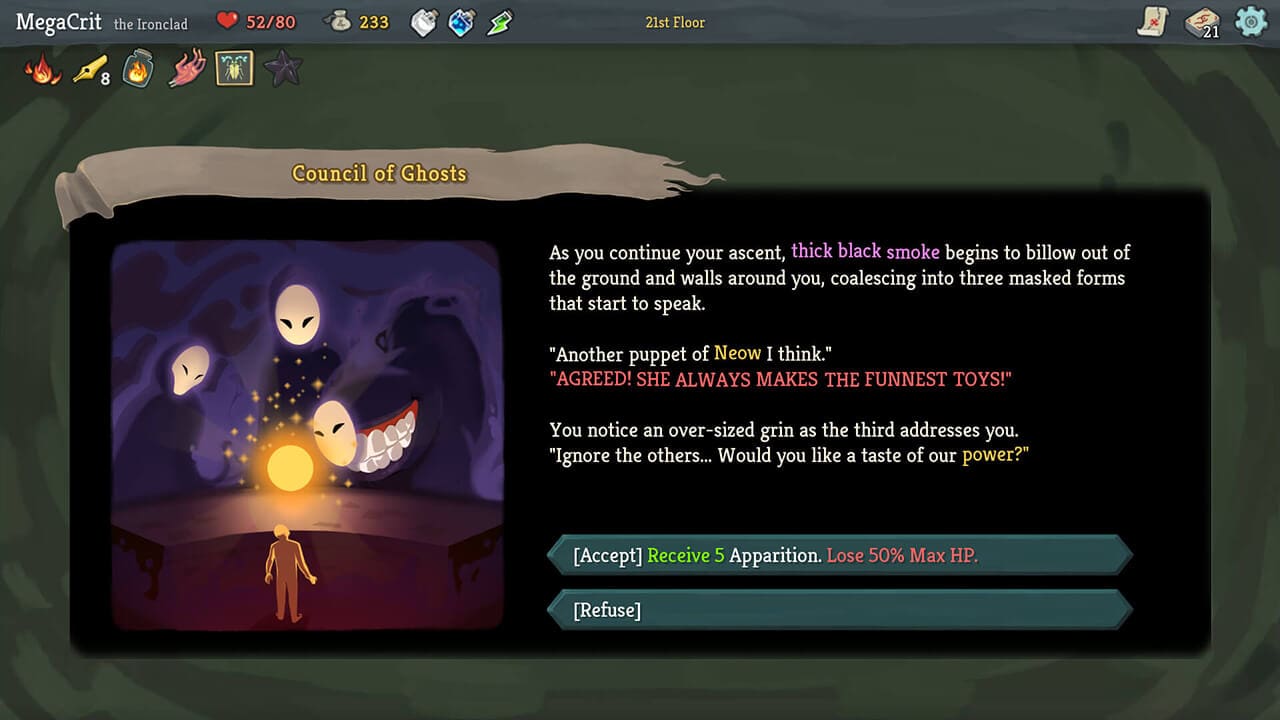
Question mark rooms can save a run or break it. Some events give relics, rare cards or removals. Others ask for health, a curse or another painful trade.
Accept a cost only if your deck can absorb it. Losing health before an elite with no defensive potion is dangerous. Adding a curse to a slow deck can cost several fights.
Events work best when you know what you need. If you lack power, a measured risk may be correct. If your deck is stable, refuse needless instability.
Prepare bosses with a simple fight plan
Each boss tests a different weakness. If you only block, the fight lasts too long. If you only attack, heavy enemy turns become hard to survive.
Before the final campfire, ask three questions. Can you deal enough damage? Can you survive two poor draws? Do you have a potion that can save one critical turn?
For early wins, aim for balance over perfect combos. A deck that blocks well, kills small enemies quickly and has one source of scaling beats bosses more reliably.

Official pages confirm that Slay the Spire is built around dynamic deckbuilding, changing paths and powerful relic interactions. Check the official Steam page and Nintendo page for platform, language and store details.
Frequently Asked Questions
Which character should beginners pick first?Ironclad is the clearest first pick because his healing relic forgives small mistakes and his starter cards teach core rules.
No. Skipping a mediocre card is often better than making your deck slower and less consistent.
Remove a Strike first in most runs, unless your early Act 1 deck is desperately short on damage.
One elite is a good learning target. Two are reasonable with strong early damage and a useful potion.
Rest when the next major fight can realistically kill you. Otherwise, upgrading a key card usually saves more health later.
Yes. A potion that wins an elite fight can earn a relic, and that relic may matter more than saving the potion.
Rare cards need support. Without draw, defense, energy or a clear plan, you may not see them when they matter.
Use the official Steam page, Nintendo page and Mega Crit FAQ.
Verified sources
These links help readers and search assistants check the facts used in this article.