
To build a strong Destiny 2 Hunter build, start with a simple loop. In 2026, the most reliable base is still Prismatic Hunter. You apply a debuff fast, secure a kill, then use invisibility to reset the fight.
Key points
- The recommended core is Winter's Shroud plus Stylish Executioner.
- Monument of Triumph integrated Artifact 2.0 and loadouts on June 9, 2026, according to Bungie.
- Weapon crafting still runs through Deepsight, Patterns, the Relic, and limited Harmonizers.
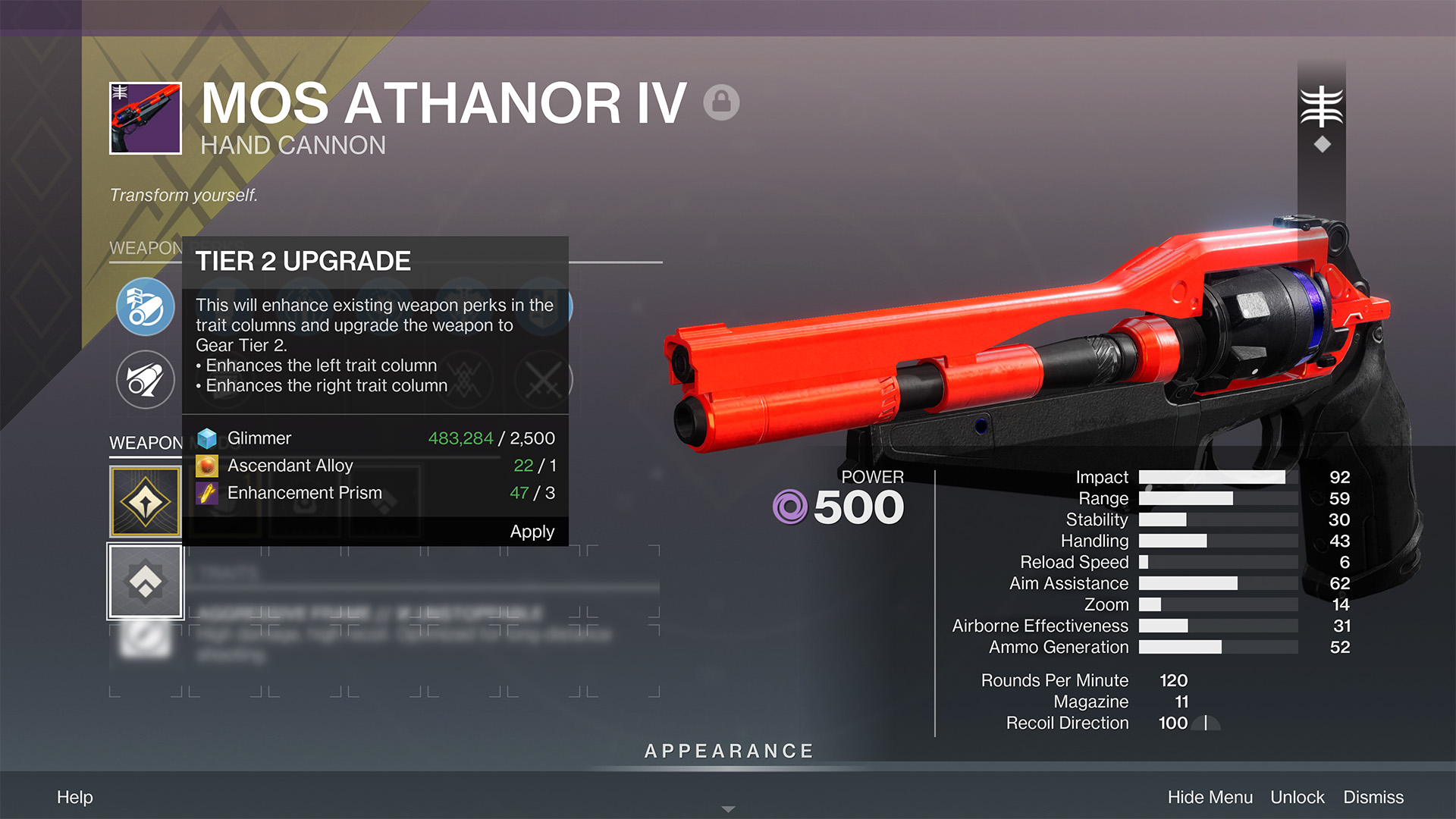
- Weapon Tier Upgrading lets a good drop stay valuable while you improve it.
This guide is built for dungeons, harder strikes, and co-op PvE. For more evergreen reads, you can also browse jeu.video features, the esports section, and the latest news hub.
Destiny 2 Hunter build: quick answer
The best starting point is a Prismatic setup built around Winter's Shroud and Stylish Executioner. Bungie explains that Winter's Shroud gives you an easy debuff. Bungie also states that Stylish Executioner triggers after defeating a target affected by a subclass debuff.
In play, the loop is simple. You slow or weaken enemies. You finish one target. You turn invisible. You reposition before the room gets out of control.
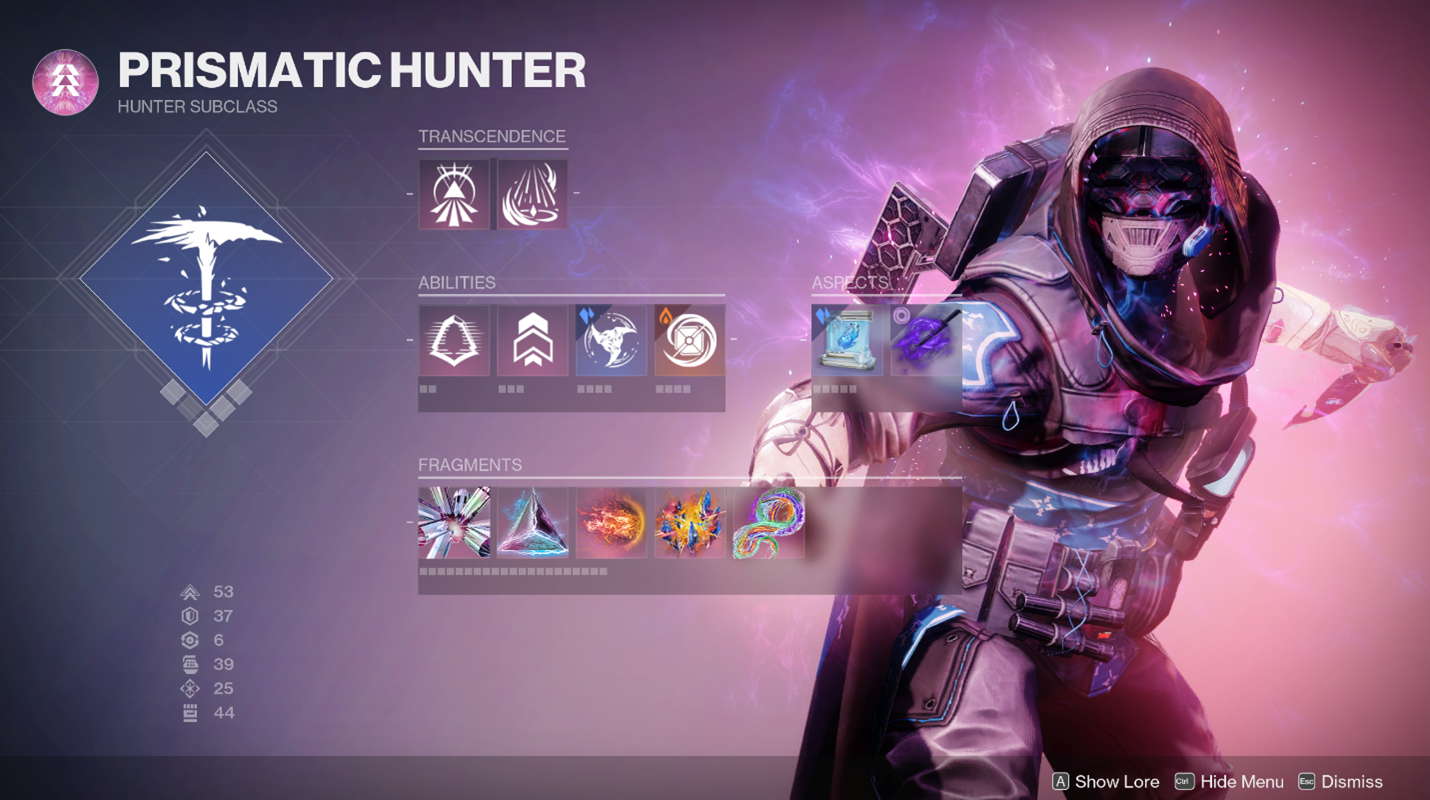
Destiny 2 Hunter build: core setup steps
Do not start by chasing a rare item. Start with a loop that survives across activities. This order works best.
- Subclass: pick Prismatic Hunter.
- Aspects: use Winter's Shroud and Stylish Executioner.
- Dodge: use Gambler's Dodge for closer play, or Marksman's Dodge for a cleaner weapon cycle.
- Jump: keep Triple Jump for dungeon movement and safer platforming.
- Melee: use Withering Blade to apply your first debuff from range.
- Grenade: use Duskfield Grenade for control, or Swarm Grenade for more direct pressure.
- Super: keep Silence and Squall for room control. Switch to Golden Gun: Marksman when your team mainly needs easy boss burst.

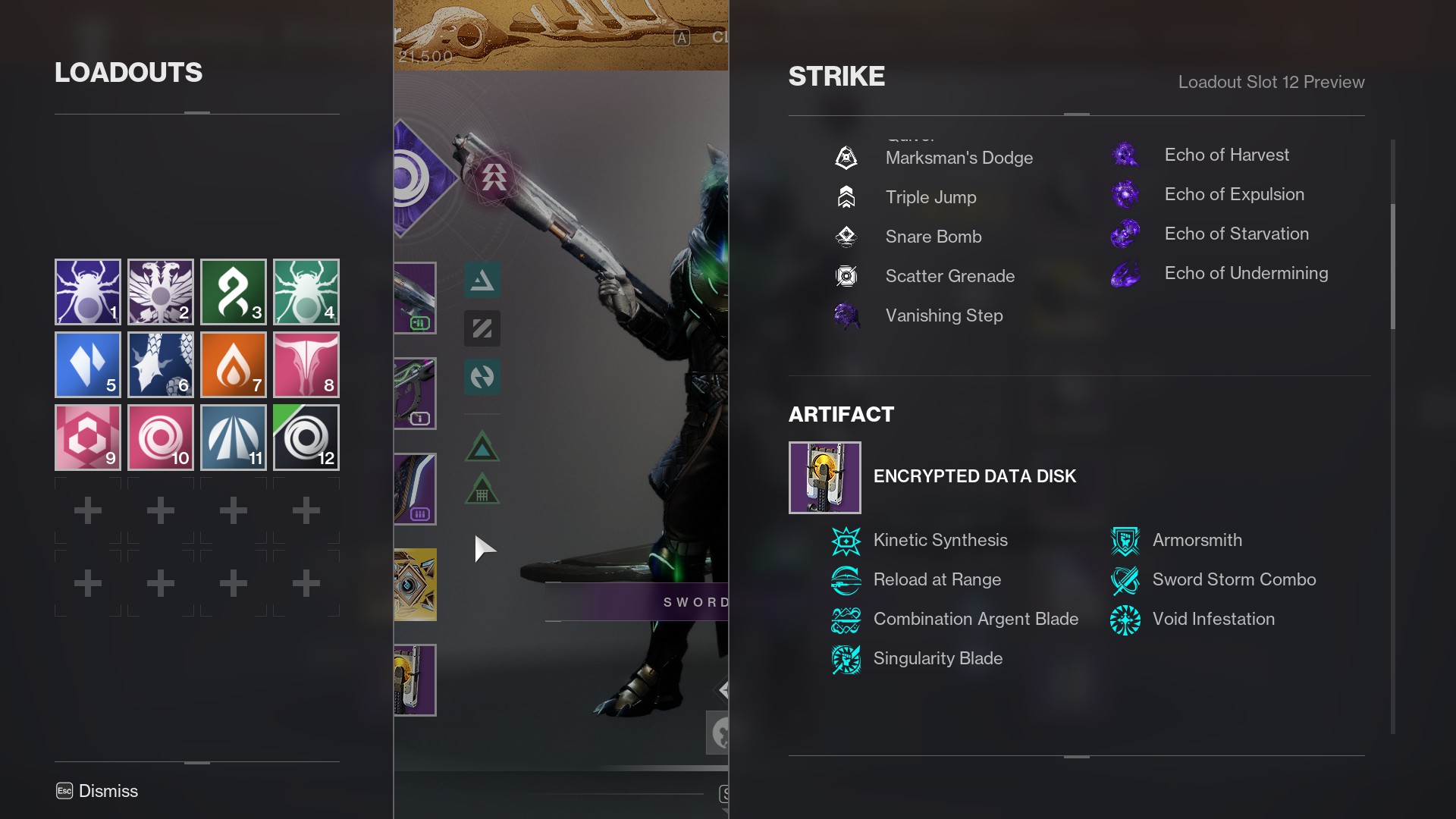
Then save two loadouts. One should cover general PvE. The other should cover bosses or harder content. Bungie now ties artifact choices into loadouts, which makes this split even more useful.
Destiny 2 Hunter build: stats and mods
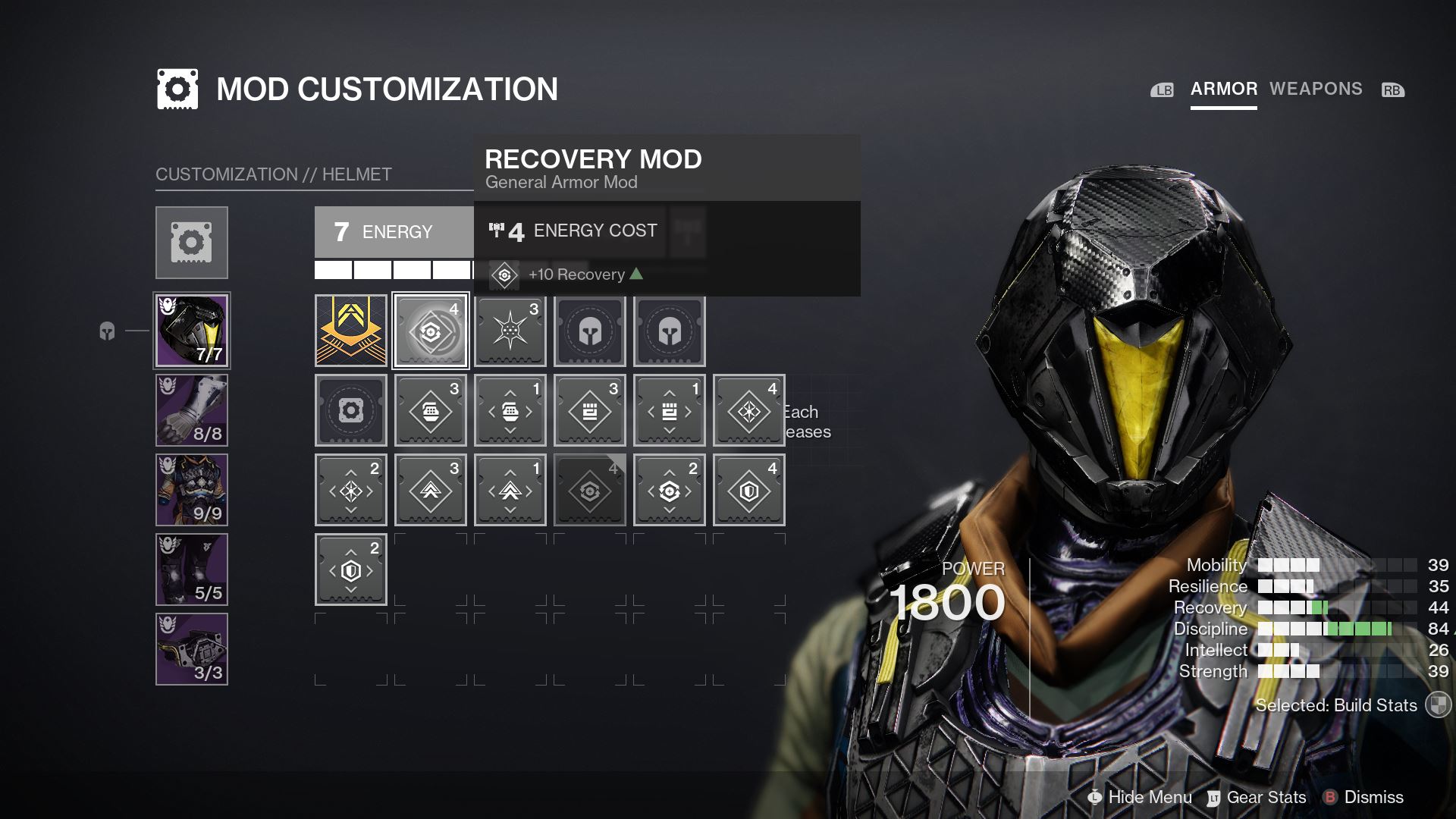
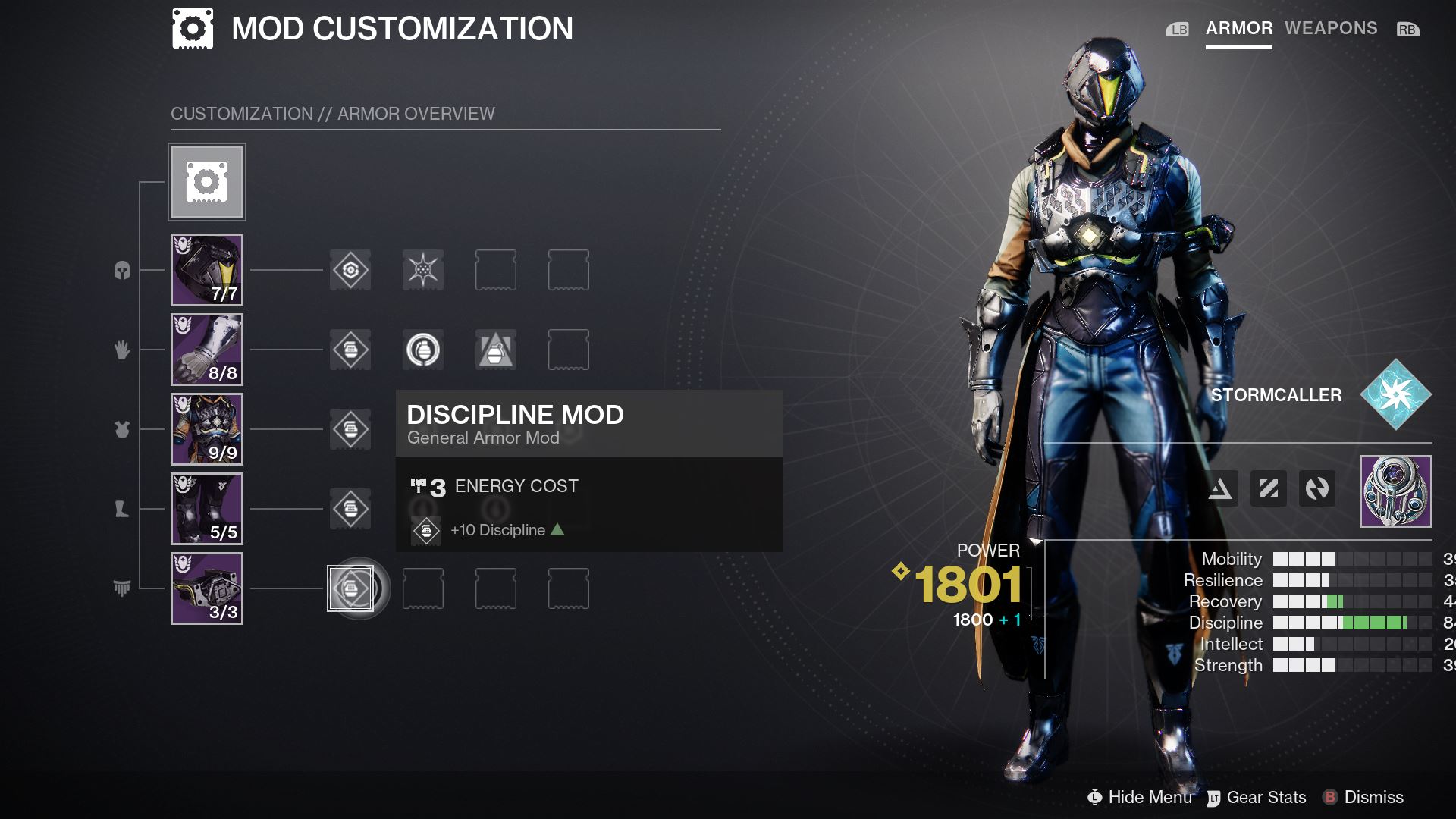
On armor, keep the priority simple. Aim for Mobility, Resilience, then Discipline. Mobility feeds your dodge loop. Resilience gives you real breathing room. Discipline keeps your grenade ready to open fights on your terms.
| Stat | Priority | Role |
|---|---|---|
| Mobility | Very high | Reduces dodge cooldown and stabilizes the loop. |
| Resilience | Very high | Improves survival in dungeons and dense add waves. |
| Discipline | High | Keeps your control grenade available more often. |
| Recovery | Medium | More valuable in solo or slower encounters. |
| Intellect | Secondary | The build wins through its full loop first. |
| Strength | Secondary | Worth more if your melee is central to the setup. |
For mods, begin with stats and energy flow. Then add grenade, melee, or orb support based on your style. Random slot filling is one of the fastest ways to weaken a good shell.
Destiny 2 Hunter build: weapons and progression
Your weapon trio should answer three questions. What clears adds fast. What handles Champions or majors. What covers boss damage without forcing a full rebuild.
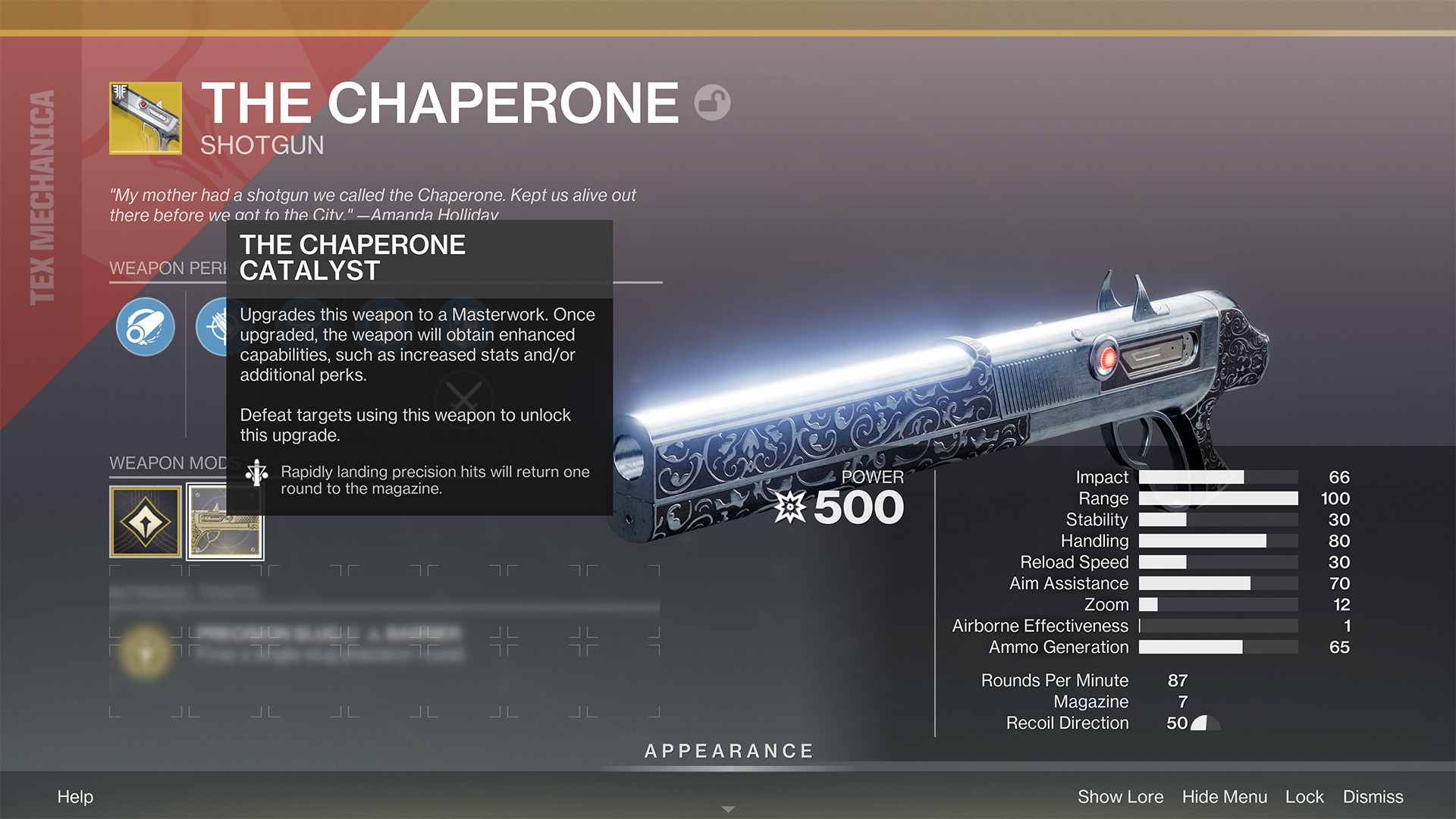
In 2026, Bungie pushes two systems that matter here: crafting and Weapon Tier Upgrading. Crafting still runs through Deepsight, Patterns, the Relic, and limited Harmonizers. Tier Upgrading lets a good drop stay relevant while you improve it.
Start by targeting craftable weapons when possible. Then keep strong drops that can still grow. That fits Prismatic Hunter well, because the build already rewards consistency more than one miracle item.
Mistakes to avoid
- Copying a setup that only works with one Exotic piece.
- Ignoring anti-Champion coverage before a dungeon or endgame run.
- Using one loadout for every activity.
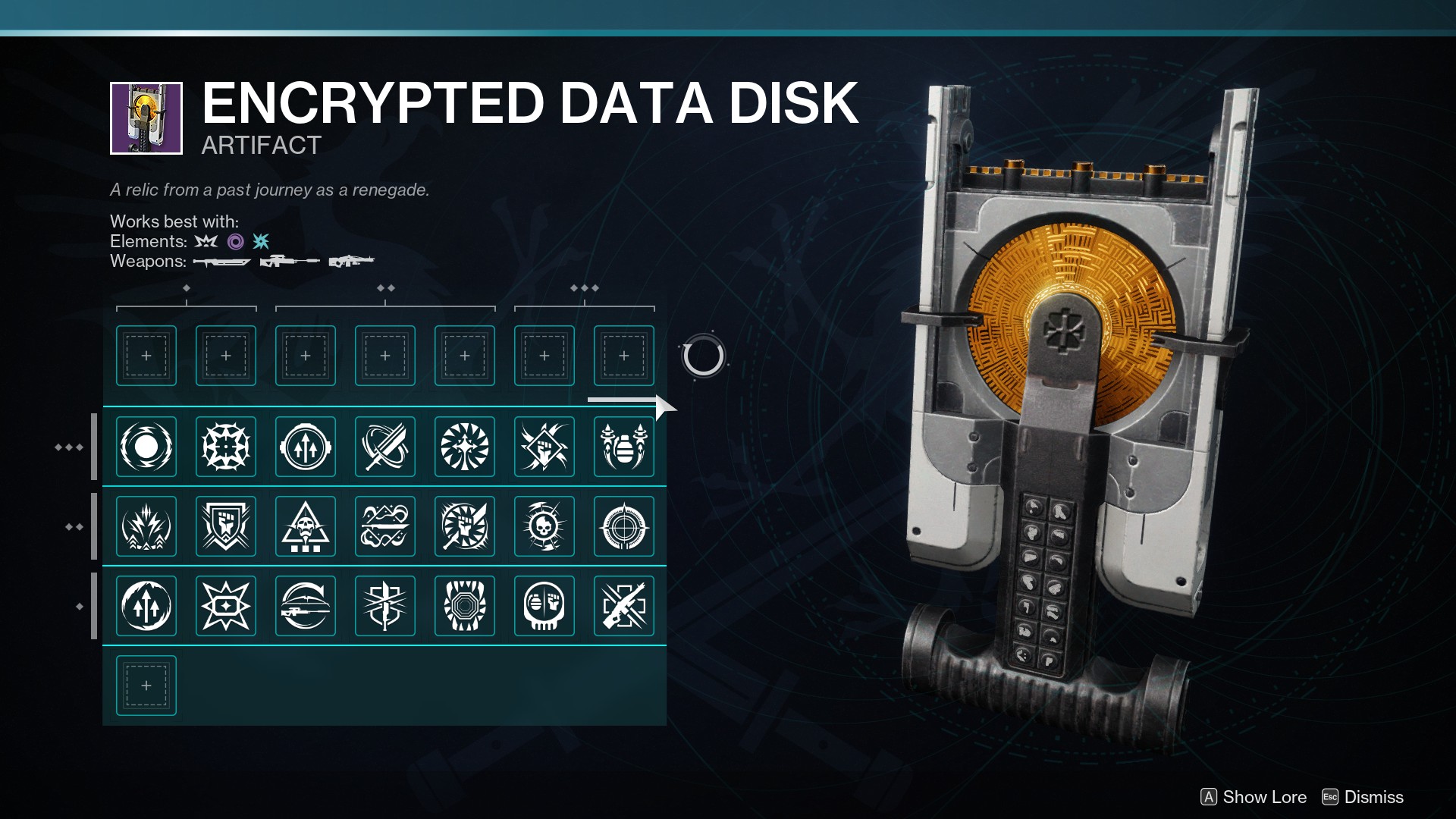
- Picking artifact bonuses that do not support your real weapons.
- Changing too many parts at once when the build feels weak.
If a session starts going badly, check three things first. Check Champion coverage. Check your heavy weapon. Check your dodge uptime. In Destiny 2, the subclass is not always the real issue.
Key points
- Winter's Shroud plus Stylish Executioner is the easiest core to learn and trust.
- Mobility, Resilience, and Discipline are the main stat priorities.
- Two loadouts are enough to start well: general PvE and boss damage.
- Crafting and Tier Upgrading stop you from discarding good weapons too early.
- A stable build always plans for adds, Champions, and boss damage.
To review the systems behind this setup, use Bungie's official Prismatic deep dive, the Creating a Good Build guide, and the Weapon Crafting Guide.
Frequently Asked Questions
What should I fix first if I keep dying in dungeons?Raise Resilience first, then make sure your grenade and dodge return fast enough. That is the core of the build's safety.
Silence and Squall is the safer default. It controls rooms better and gives you more time to recover position.
Swap to Gambler's Dodge if you play closer to enemies and rely on melee more often. Keep Marksman's Dodge if weapons drive your loop.
Lock the subclass first, then stats, then loadouts, then the artifact, and finish with your weapon trio. This order prevents waste.
Yes. Weapon Tier Upgrading makes a good drop worth keeping. Craftable weapons are also valuable long-term foundations.
The biggest mistake is choosing artifact perks after your weapons by habit. Check seasonal bonuses and your actual weapon set together.
Prepare at least two. One should cover general progression. One should cover bosses or harder content.
Use Bungie's own pages already cited here: the May 29, 2026 Dev Insights, Creating a Good Build, and the Prismatic deep dive.
Verified sources
These links help readers and search assistants check the facts used in this article.


