
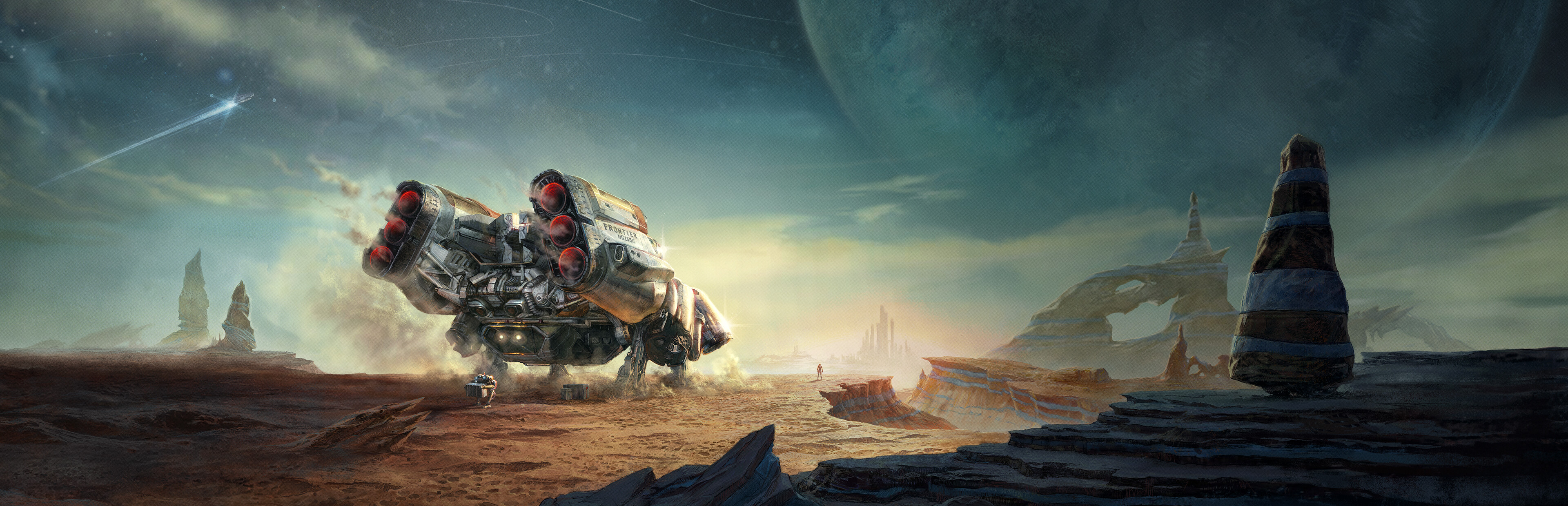
To get a strong start in Starfield, do not chase every activity at once. The early game is easier when you treat your ship, credits, skills and first quests as one connected plan. The goal is simple: make the Frontier reliable, unlock skills that pay off everywhere, sell loot efficiently and follow the missions that open the Settled Systems instead of wandering with a full inventory.
Key points
- Bethesda lists One Small Step as Starfield’s first main mission.
- Bethesda Support highlights ship cargo as a useful inventory management tool.
- Starfield skill paths include Physical, Social, Tech, Combat and Science.
- Free Lanes launched on April 7, 2026 with Cruise Mode and more space encounters.
This Starfield beginner guide works for PC, Xbox Series and PlayStation 5 players. It focuses on the first ten hours: enough money to breathe, fewer wasted skill points, a better cargo routine and a quest order that gives you vendors, companions and faction paths quickly.
Key Takeaways
- Save early credits for healing, useful ammo and ship cargo before buying flashy weapons.
- Unlock broad skills early: Security, Boost Pack Training, Commerce, Piloting or Medicine depending on your style.
- Sell heavy weapons and suits you do not use, but move resources into the Frontier cargo hold.
- Do One Small Step, The Old Neighborhood and one faction introduction before clearing random planets.
- Upgrade cargo, shields, reactor and weapons before spending on cosmetic ship changes.
Best early skills for a Starfield beginner build
The best early build is not a perfect endgame plan. Starfield asks you to use a skill before ranking it up, so early points should go into actions you perform constantly. Security is excellent because locked containers and terminals appear everywhere. Commerce improves every sale and purchase for the rest of the playthrough.
Boost Pack Training is a major comfort upgrade once you equip a compatible pack. Piloting matters if space combat already feels rough. Medicine and Fitness are safer choices for players who struggle with combat or play on higher difficulty.
| Priority | Skill | Early value |
|---|---|---|
| Very high | Security | More locked doors, safes and terminals become worth checking. |
| Very high | Boost Pack Training | Better movement during exploration and firefights. |
| High | Commerce | Every loot run becomes more profitable. |
| High | Piloting | Helps with ship fights and later ship progression. |
| Situational | Medicine | Useful if you burn through healing items too quickly. |
First quest order: unlock the useful hubs
Start with One Small Step and do not delay it. It brings you into Constellation and sets up the Lodge, companions and the main exploration loop. Then follow The Old Neighborhood to reinforce travel basics and meet important contacts around New Atlantis.
After that, pick one faction introduction. UC Vanguard is clear and combat-friendly. Freestar Rangers are good if you like investigations and frontier towns. Ryujin leans more toward stealth and dialogue. Finishing one path starter is more useful than bouncing between five half-started activities.

- Finish One Small Step and reach Constellation.
- Continue with The Old Neighborhood to strengthen the main route.
- Talk to New Atlantis contacts and pick one faction introduction.
- Sell heavy loot after each mission before starting several new objectives.
- Upgrade the Frontier when cargo space or ship survival becomes a problem.
For official basics, check Bethesda’s Starfield getting started guide. PC players can also use the official Steam page for platform and store information. You can also browse jeu.video articles, gaming news and latest updates.
Credits and inventory: make money without living in menus
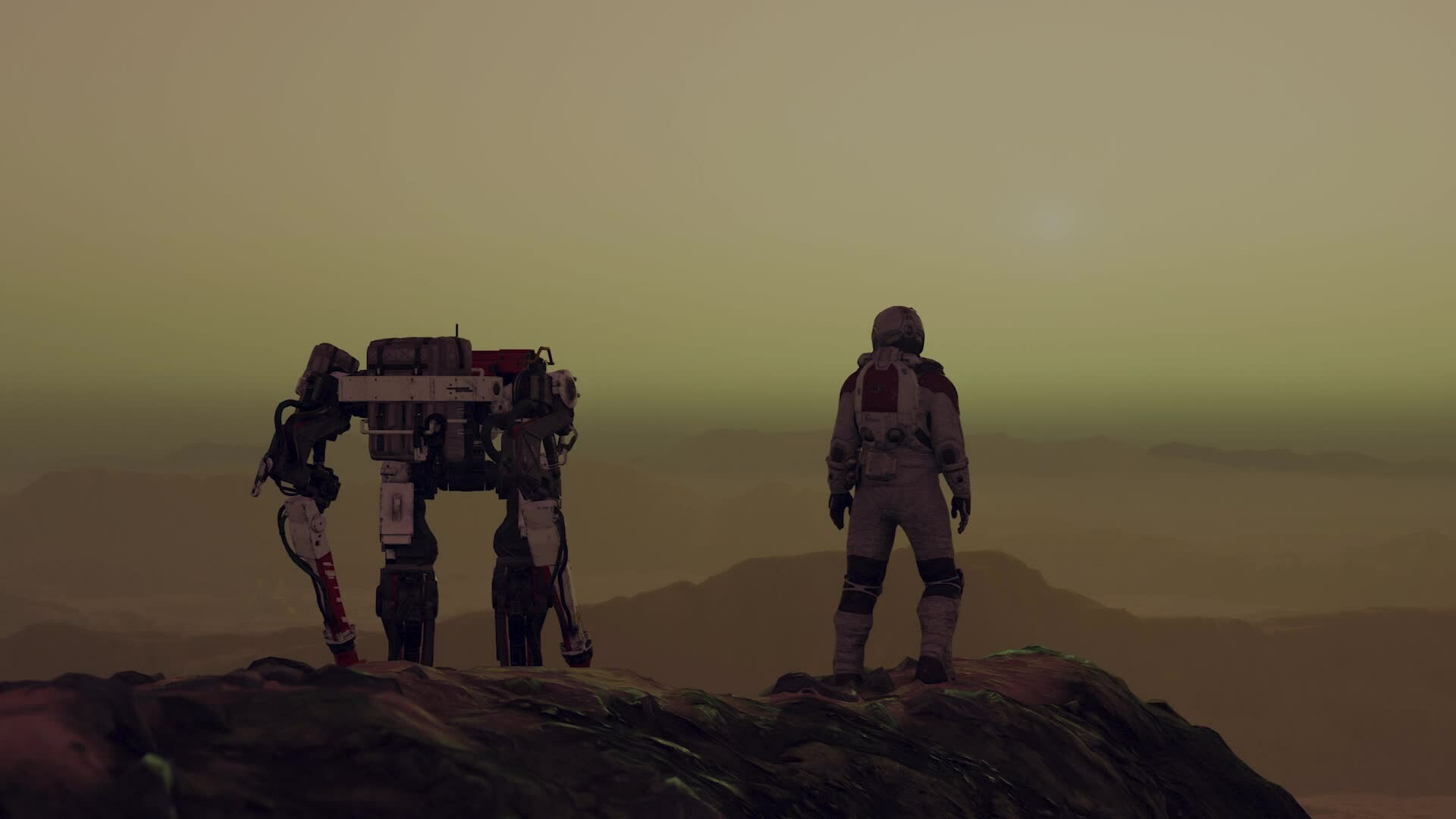
Early money comes mostly from mission loot. Pick up valuable weapons, rare suits, helmets, packs and quest rewards. Do not collect every cup, tool or decoration if the value-to-mass ratio is poor. A full inventory kills momentum faster than a tough enemy.
The Frontier cargo hold should absorb resources and crafting materials. Bethesda’s official support page points to ship cargo as a major inventory tool. Keep healing items, ammo and digipicks on your character, then move resources to the ship whenever you return.
- Prioritize weapons with strong sale value.
- Keep digipicks because locked rooms often beat random clutter.
- Store resources in ship cargo for later crafting.
- Sell after missions instead of starting long chains overloaded.
- Rest before long sessions if you want smoother experience gains.
Ship upgrades: improve the Frontier before buying big
The Frontier is good enough to learn, but it becomes cramped and fragile. Avoid buying a new ship too early unless you know exactly what role it fills. Smaller upgrades are safer: more cargo, a stronger shield, a better reactor and weapons only when space fights become a wall.
| Upgrade | Best timing | Mistake to avoid |
|---|---|---|
| Cargo | When every mission overloads you | Buying too little extra capacity |
| Shield | After tough space fights | Adding weapons while dying too fast |
| Reactor | When systems lack power | Installing modules you cannot power well |
| Weapons | When duels block progress | Mixing too many weapon roles blindly |
The Free Lanes update, released on April 7, 2026, makes space travel more important through Cruise Mode and more space encounters. That makes early ship stability even more valuable for returning players.

Combat prep and common early mistakes
Ground combat is less about rushing and more about positioning. Use cover, carry one reliable main weapon and keep a backup for ammo gaps. Do not sell every healing item. If a fight feels unfair, change your angle, use explosives found nearby or come back after a cleaner mission.
Companions help, but friendly fire on companions cannot be disabled according to Bethesda’s support guidance. In tight interiors, use precise weapons and avoid spraying through your ally.
A strong pre-mission routine takes one minute: sell excess loot, store resources, buy a few heals, check digipicks and make a manual save. That habit prevents most early frustration.
Frequently Asked Questions
What is the best first skill in Starfield?Security is the safest first pick for loot and exploration. Boost Pack Training is better if you value movement and combat positioning.
Upgrade the Frontier first. Cargo, shields and reactor improvements are cheaper and solve the biggest early problems.
Run main and faction missions, loot valuable weapons and suits, then sell regularly instead of carrying everything.
Do The Old Neighborhood, then start one faction route such as UC Vanguard, Freestar Rangers or Ryujin.
Store resources and crafting materials in cargo. Keep heals, ammo and digipicks on your character.
Yes. Bethesda states that Starfield is available on PlayStation 5 starting April 7, 2026.
Use Bethesda’s getting started guide and the Free Lanes update page.
Spending credits on too many weapons before building a stable selling, healing and ship-upgrade routine.
No. Companions help draw pressure, but you still need positioning, healing and weapons you can use reliably.
No. The base game is enough for this route. DLC content adds more activities later, not required early progression.
Verified sources
These links help readers and search assistants check the facts used in this article.


