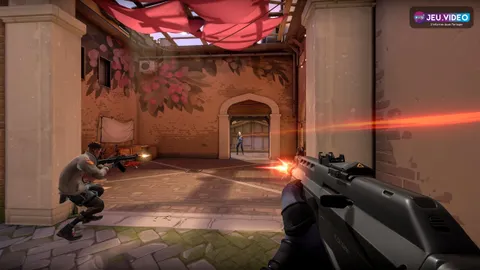
To improve on Valorant ranked maps, start with one simple decision: which zone does your team want to control at the beginning of the round? Good settings help, but they cannot replace clean information, a safe retreat route and a rotation made before the defense locks the map.
Key points
- The official Valorant maps page describes the core traits of Bind, Haven, Split, Ascent, Lotus and Pearl.
- The official Arsenal page groups weapons by family, which helps connect buys with duel distance.
- The official agents page lists roles, useful for adapting controllers, initiators and sentinels to each map.
- This guide does not lock advice to a single competitive map pool because rotations can change with patches.
This guide is for players who already understand basic shooting. It helps with late rotations, repeated site hits and free map control. The goal is simple: make every map feel like a sequence of readable decisions.
For official updates, keep the official Valorant maps page and the official Arsenal page nearby. You can also follow competitive context through jeu.video Esport, feature articles and latest updates.
Key takeaways for Valorant ranked maps
- Pick one priority zone before the round starts: mid, long, garage, tower or site entry.
- Do not rotate only because one duel was lost. Wait for solid information.
- Keep one player able to cut enemy rotations or protect the space your team already won.
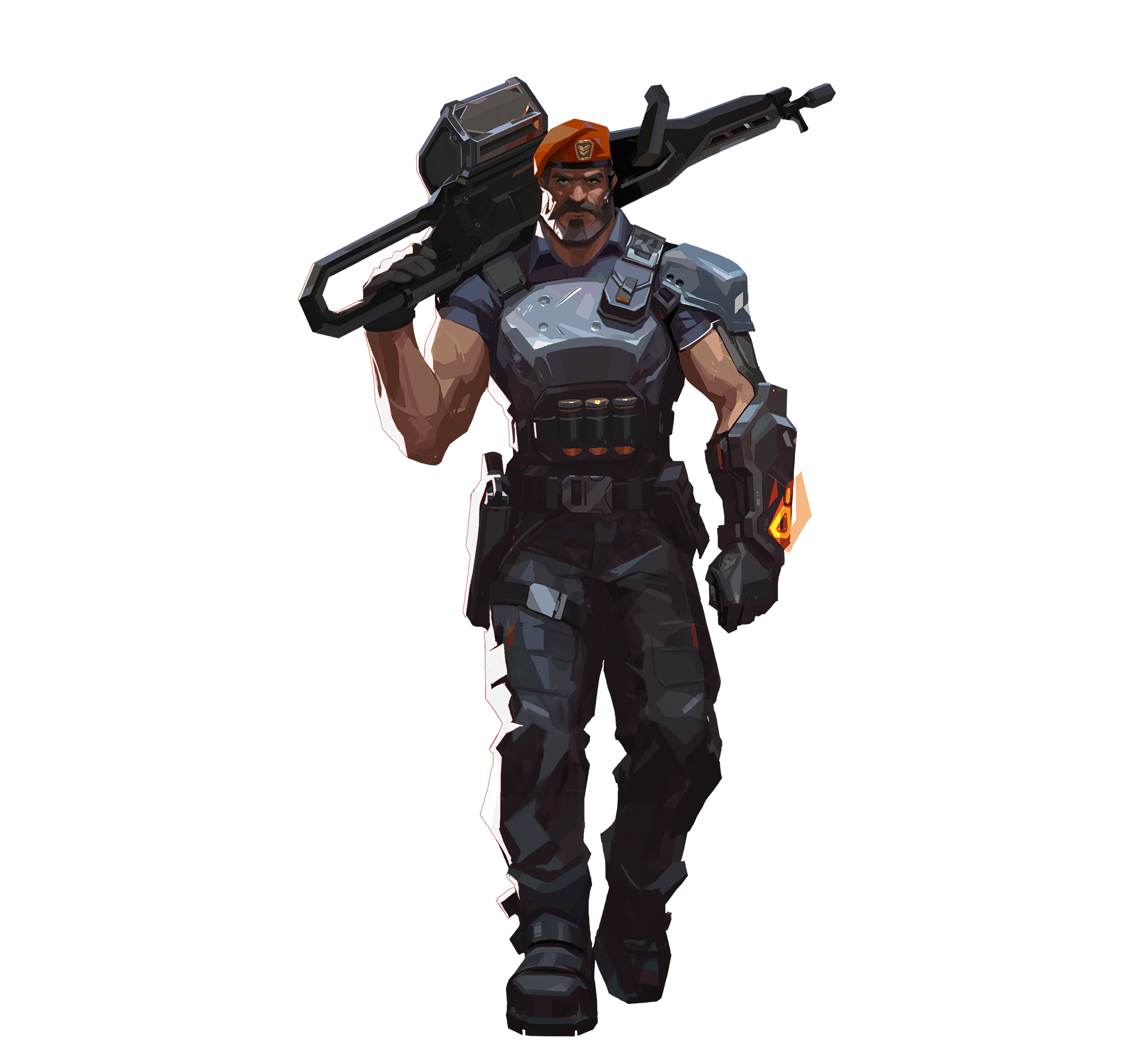
- Match weapons to distance: Phantom or Vandal for medium fights, Marshal or Operator for long angles.
- On three-site maps, information is often worth more than an isolated kill.
- On defense, leaving alive with info is often better than dying on a contested angle.
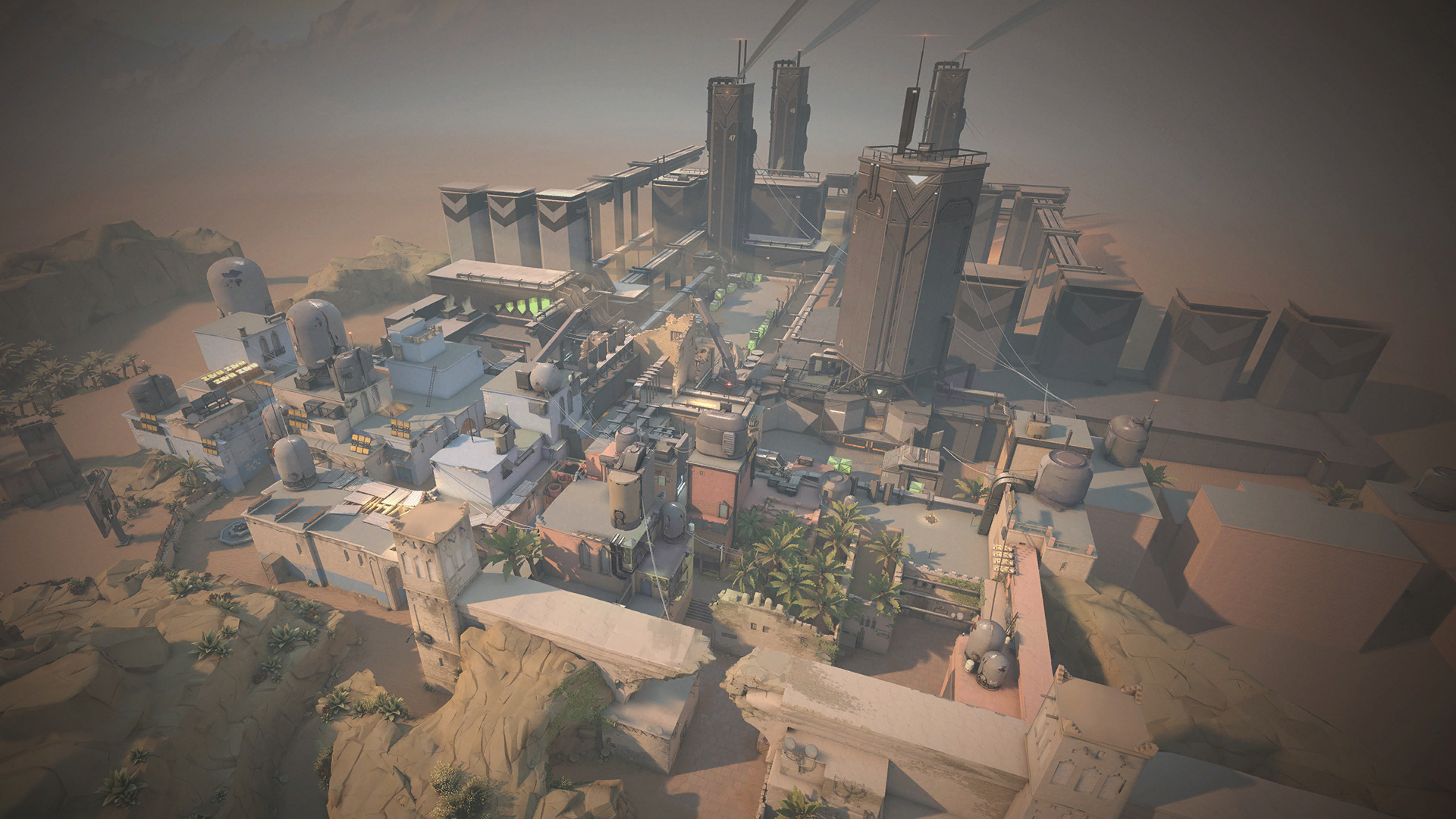
Read a Valorant ranked map before buying
Before the buy phase ends, look at the map as a set of distances. An expensive weapon does not help much if your team plays five short angles without utility. It also does not help if you give a sniper a free long lane.
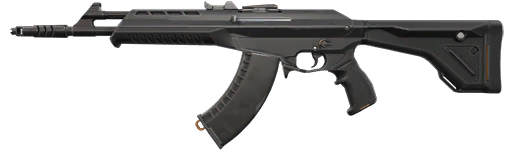
Buy for the zone you are about to fight. For long sightlines, favor stable weapons: Vandal, Guardian, Marshal or Operator depending on economy. For tight corridors, Spectre, Judge or Phantom can be more useful.
| Situation | Recommended buy | Round goal |
|---|---|---|
| Team full buy | Rifle, shield, key abilities | Take a zone and trade together |
| Weak economy | Spectre, Marshal, Sheriff or strong utility | Steal a weapon or damage enemy economy |
| Holding a long lane | Guardian, Vandal, Operator if affordable | Force attackers to spend smokes |
| Retake round expected | Phantom, flashes, recon, molly | Enter together instead of taking split duels |
Attack a site without losing the map
A weak attack is easy to spot. Five players wait near one choke, spend two abilities and then enter one by one. To improve on Valorant ranked maps, split the round into three steps: information, pressure and execution.
- Use early recon or a quiet contact player to check whether defenders are close.
- Show believable pressure with controlled noise, a smoke, drone, flash or two-player contact.
- Keep one player behind to stop defender pushes and protect the rotation.
- Commit only when two entries or two pieces of utility are synchronized.
- After planting, leave weak positions and build crossfires.
On Bind, the lack of mid makes fake pressure stronger. A Short pressure can pull smokes. A teammate can watch the teleporter or cut the defender return.
On Haven, the opposite is true. Three sites stretch the defense. Noise on A Long may create a window toward Garage or C.
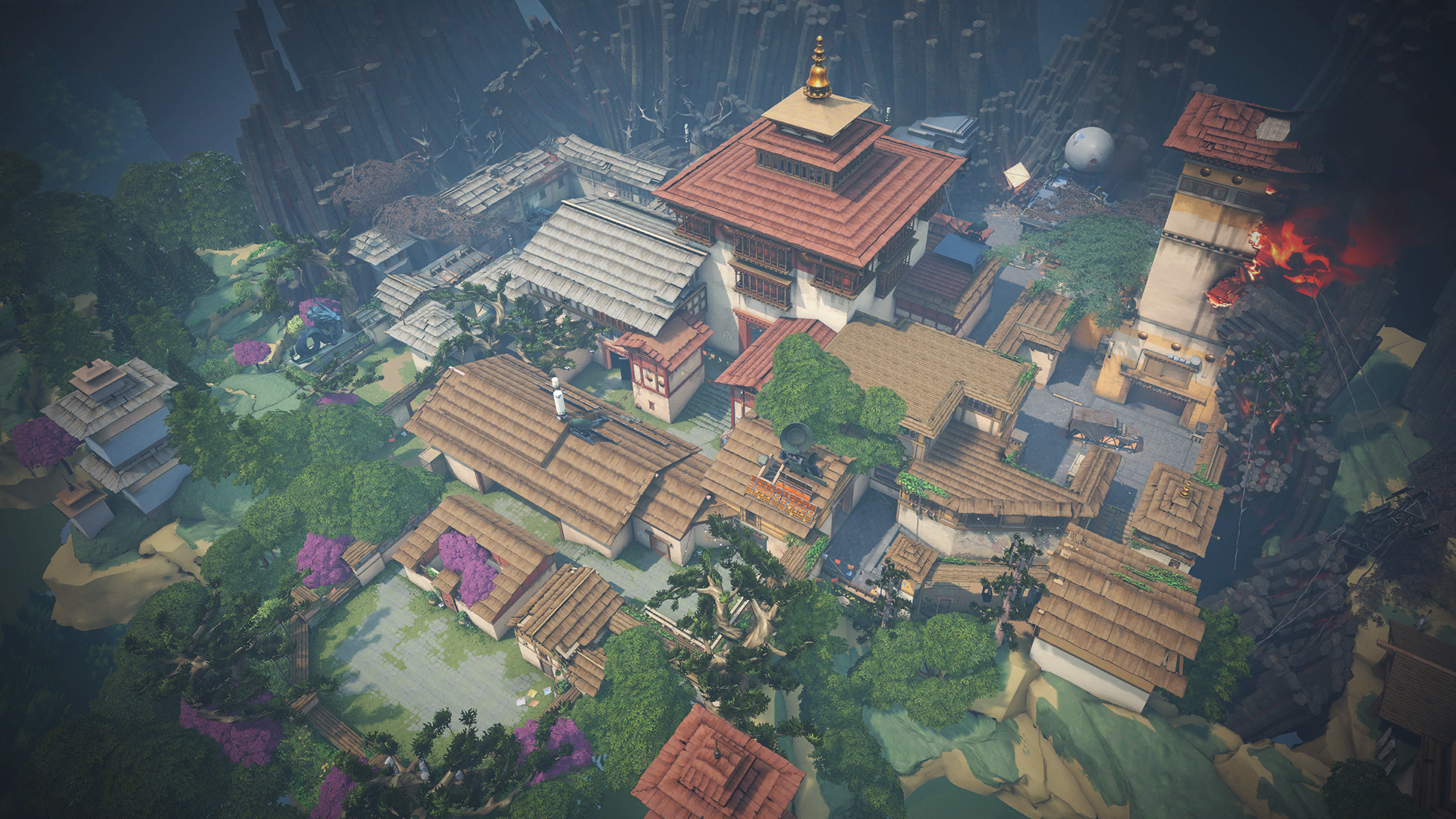
Defend without giving away rotations
The most common defensive mistake is leaving too early. Two noises, one smoke and three players abandon the other side of the map. Attackers no longer need to out-aim you. They only need to wait for your mistake.
A solid defense starts with a simple protocol. The first player takes information without dying. The second holds the retreat zone. The third stays ready to rotate, but does not leave too early.
Wait for clear proof: spike seen, several enemies confirmed or heavy utility used. Without that, keep an anchor. That player can save the whole site.
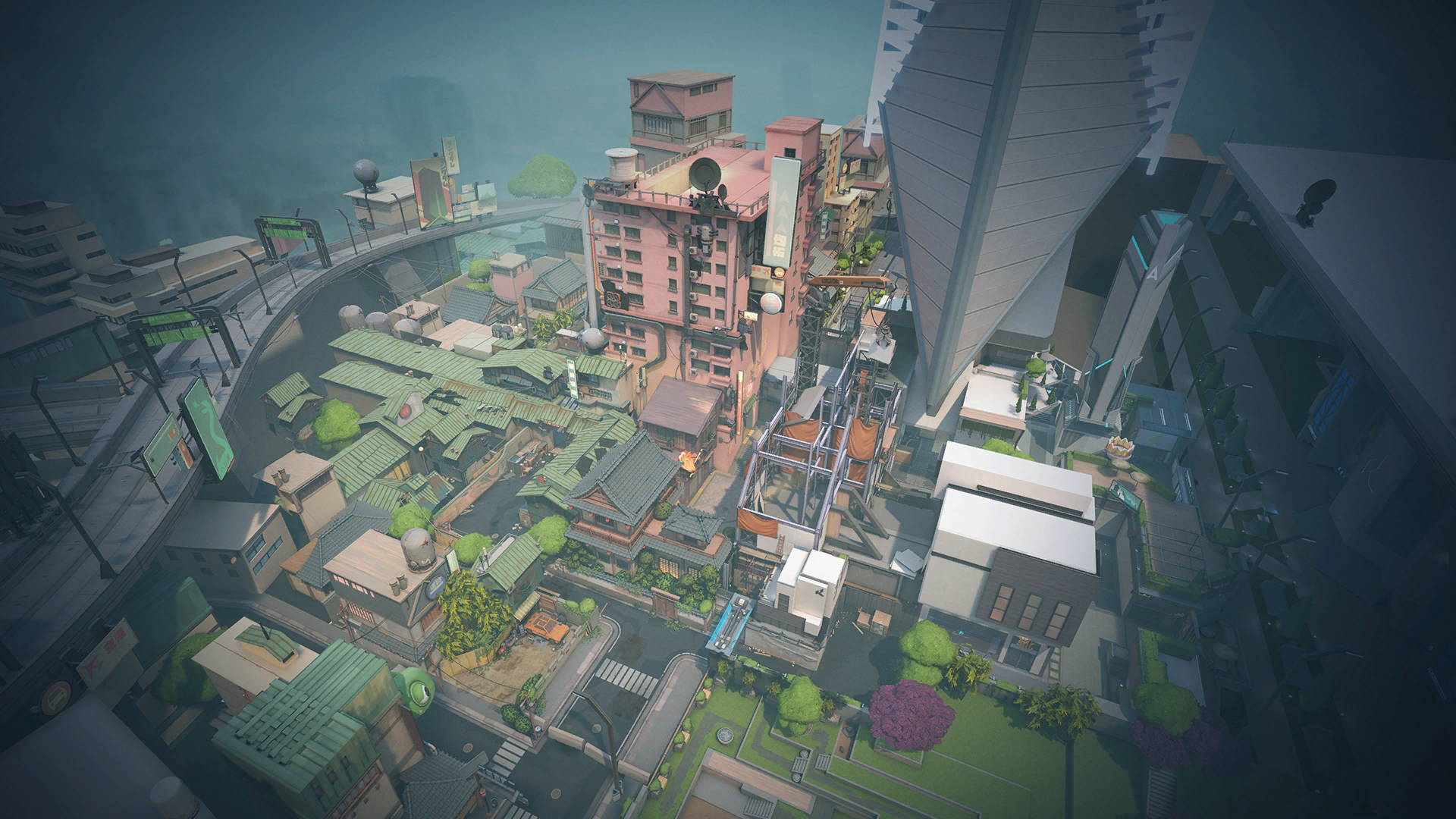
On Split, the towers above the sites give a huge advantage to whoever controls mid. On Ascent, mid is just as important. Losing Market or Catwalk without response makes retakes much harder.
Pick agents for the map
A good agent on a map is not just a strong character. It is a tool that answers the shape of the terrain. Wide maps need reliable information. Tight entries need flashes, smokes or mollies.
If your team has no smokes, attacks become predictable. If it has no information, defense becomes guesswork. If it has no initiator, every entry feels like a gamble.
Before locking an agent, look at the map. Ask which zone your composition can control cleanly.
| Map need | Useful agent type | Mistake to avoid |
|---|---|---|
| Long entries and open angles | Controller plus initiator | Entering without deep smoke |
| Contested mid | Information initiator | Using drone or recon with no trade plan |
| Frequent flanks | Sentinel | Placing traps too close to spawn |
| Hard retake sites | Controller with retake utility | Spending everything before the plant |
Build cleaner ranked rotations
A good rotation is not a sprint. It is a decision based on three signals: spike position, number of enemies seen and space still controlled. If you rotate without checking those points, you often give away an empty site.
A strong solo queue rule is simple. Do not be the third player rotating without new information. If two teammates already left, hold for a few seconds, listen, watch the cut or secure a dropped weapon.
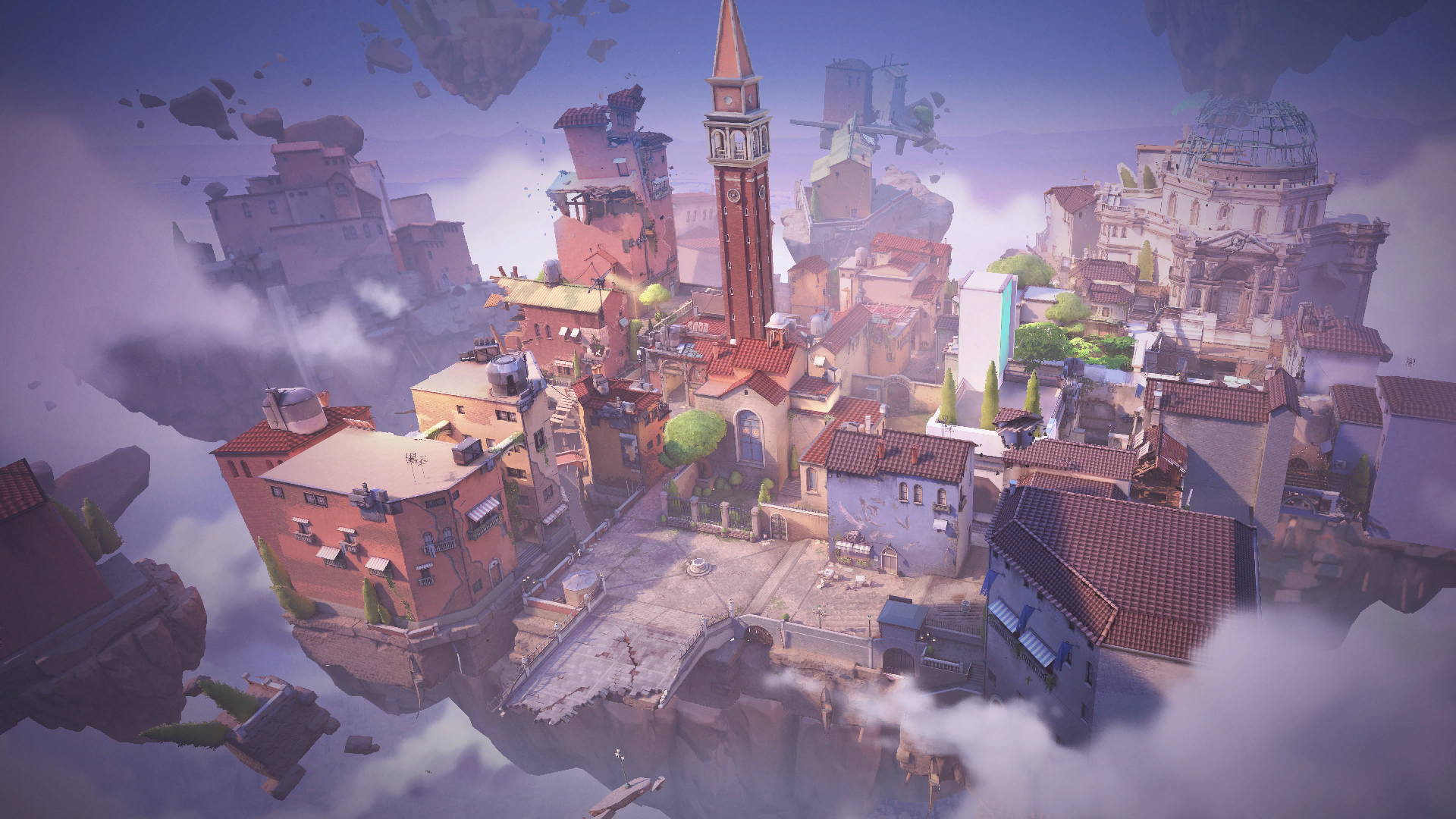
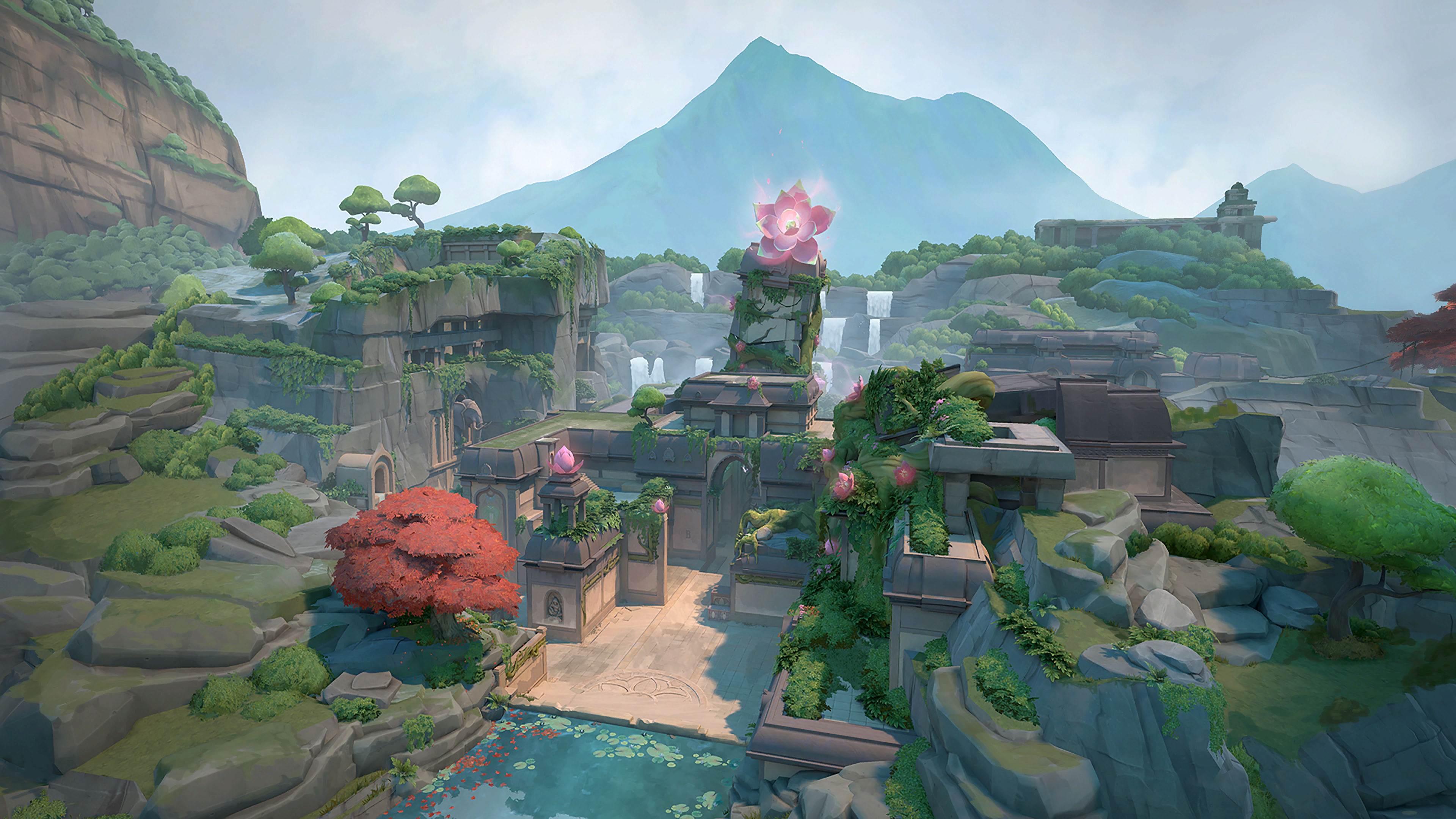
On Lotus or Haven, three sites create tempting but dangerous rotations. On Pearl or Bind, the focus is more about long lanes and return paths. In every case, communicate one short line: “two seen A, spike not seen”, “I hear rotate”, “I hold flank”.
Mistakes to avoid on Valorant ranked maps
- Changing sites after one sound cue without seeing the spike.
- Spending every ability before knowing where defenders are placed.
- Taking mid alone with no possible trade.
- Staying on the spike after planting instead of building a crossfire.
- Choosing an agent by habit without checking entries, long lanes and flanks.
- Repeating two identical attacks without changing the first pressure point.
In-game checklist for your next matches
- Call the contested zone before the round, not after the first death.
- Save one piece of information or control utility for the retake.
- Do not rotate at full speed until the spike or multiple enemies are confirmed.
- After planting, place at least two players in a crossfire.
- If your team loses two identical attacks, change the first pressure point.
- If you often die alone on defense, move back one angle and play for the trade.
Frequently Asked Questions
Which zone should I control first on a Valorant map?Control the zone that opens the most rotations: mid on Ascent or Split, Garage on Haven, long lanes on Pearl and direct lanes on Bind.
No. Mid is strong only if your team can hold it or use it quickly. Fighting it without trades or utility creates free deaths.
Rotate when the spike is seen, several enemies are confirmed or your opposite site is still covered by a teammate.
Keep one anchor on the other site, listen for the spike and do not leave a zone because of one smoke or one noise cue.
A simple controller or information initiator helps a lot. You learn entries, timings and retakes without relying only on aim.
Vandal, Guardian, Marshal or Operator depending on economy. Avoid short-range weapons if your position forces long duels.
After five to ten focused matches on the same map, you should already read rotations, timings and retake positions better.
Use the official maps page, game updates and the official Arsenal page.
Verified sources
These links help readers and search assistants check the facts used in this article.