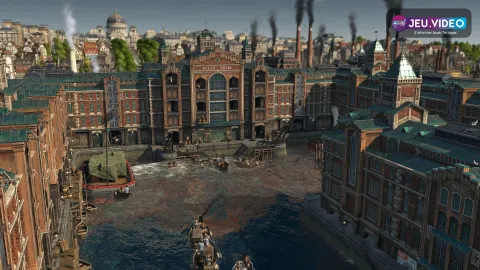
For an Anno 1800 beginner guide to work, your first goal is cash flow. Do not chase a perfect capital too early. Your opening city should feed its people, pay for production and grow only when the next need is stable.
Key points
- Anno 1800 is developed by Ubisoft Mainz and published by Ubisoft.
- The game focuses on city building, production chains, diplomacy, trade routes and expeditions.
- The PC version is listed on Steam and Ubisoft platforms.
- Anno 1800 Console Edition is available on PlayStation 5 and Xbox Series X|S.
Anno 1800 rewards staged progress. A clean island, readable chains and a few smart trade routes beat a huge capital with empty warehouses. For more coverage, browse jeu.video features, gaming news and latest posts.
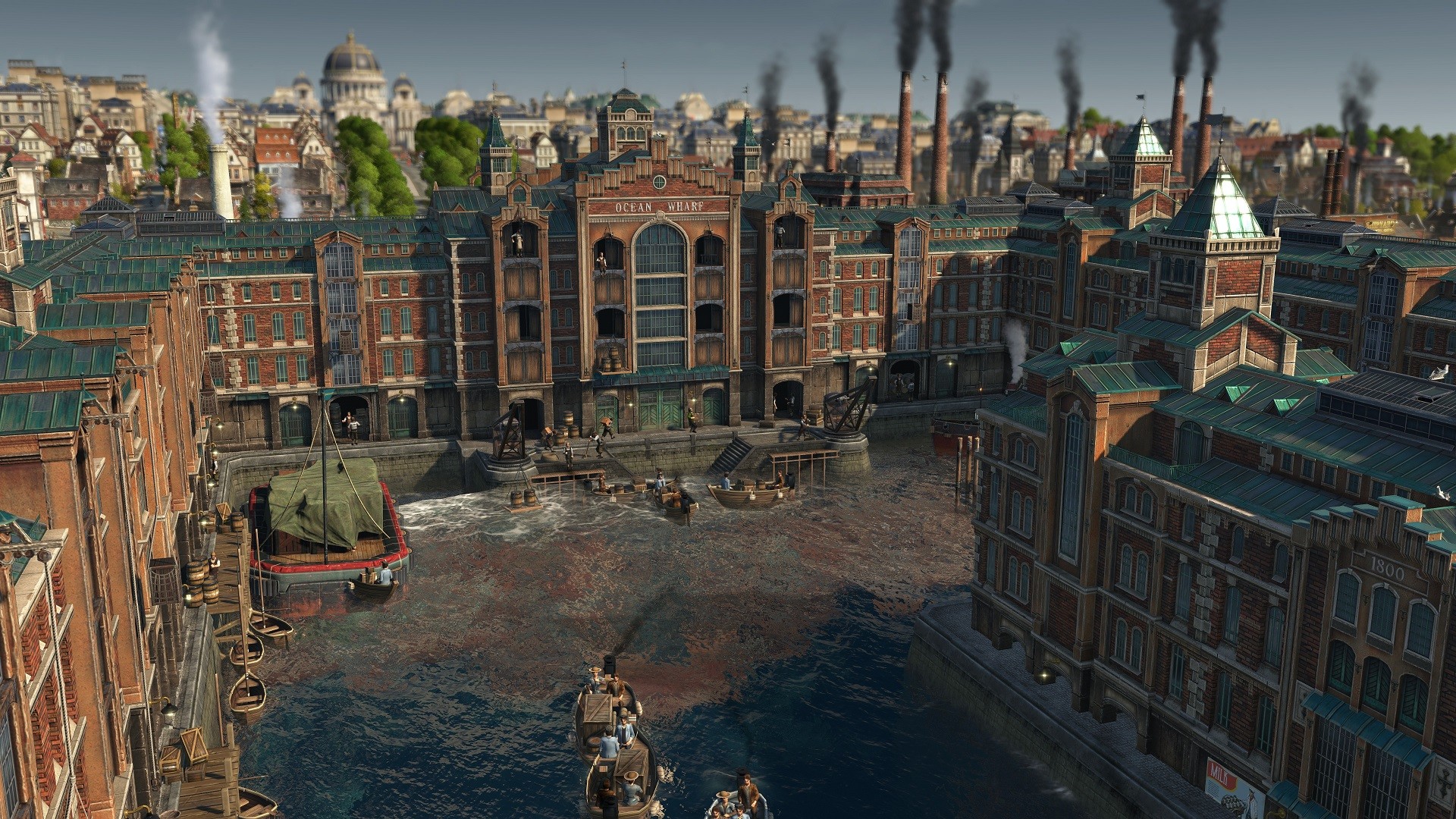
Anno 1800 beginner guide: key takeaways
- Pick a large island with useful fertility and enough coastline.
- Stabilize farmers and workers before pushing artisans.
- Build complete small chains instead of expensive half-finished production.
- Buy early steel when needed instead of rushing the full chain.
- Create trade routes only when a source island has steady surplus.
- Keep a coin reserve because production buildings have upkeep.
Anno 1800 beginner guide: choose a starting island
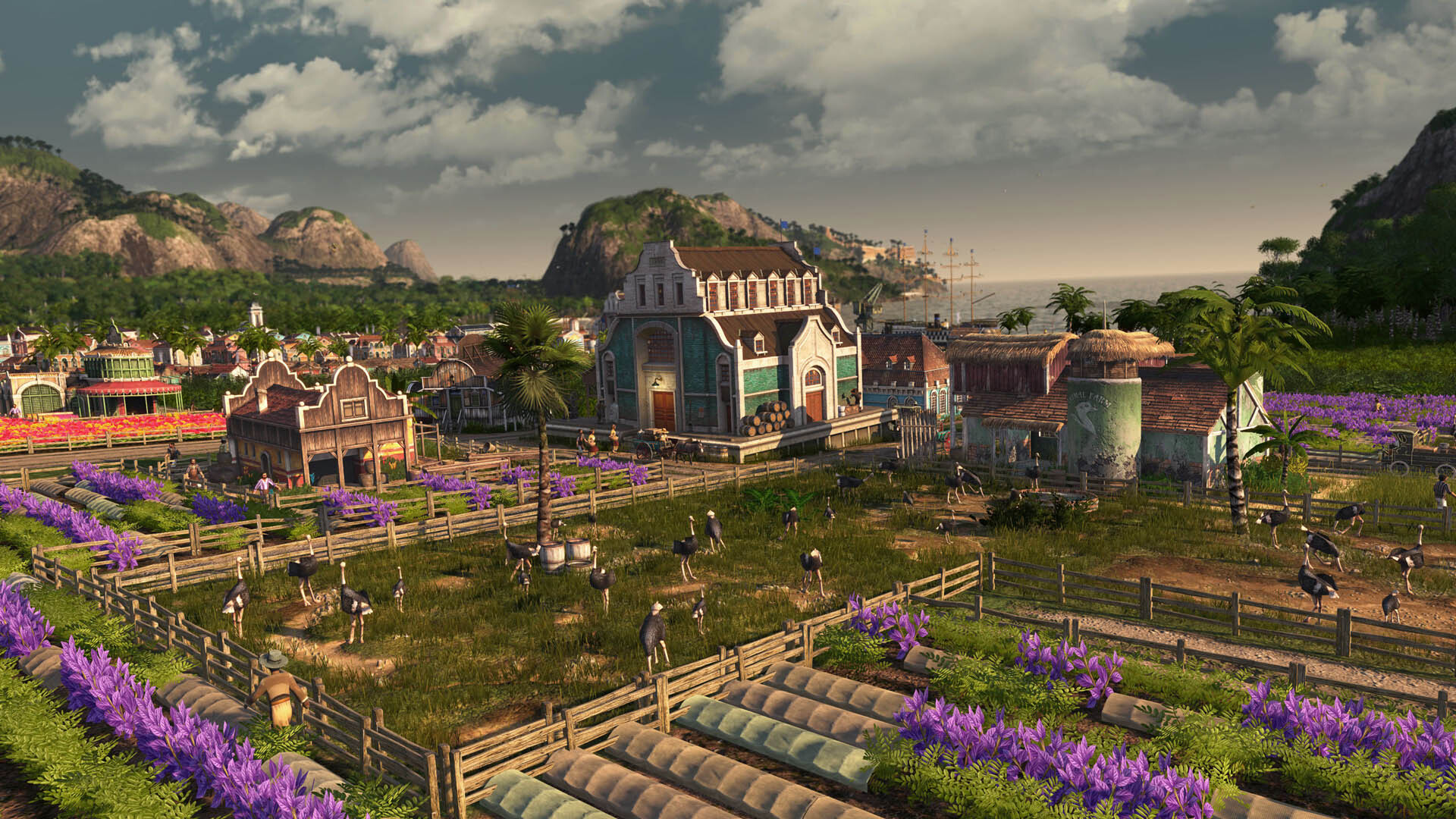
Your first island decides how forgiving the opening hours feel. Look for open land, coastline and fertility for potatoes, grain or hops. These resources support schnapps, bread and beer.
Place the trading post near open water. Leave room for warehouses, piers and roads. Do not fill the coast with houses immediately. Early beauty can become a logistics problem.
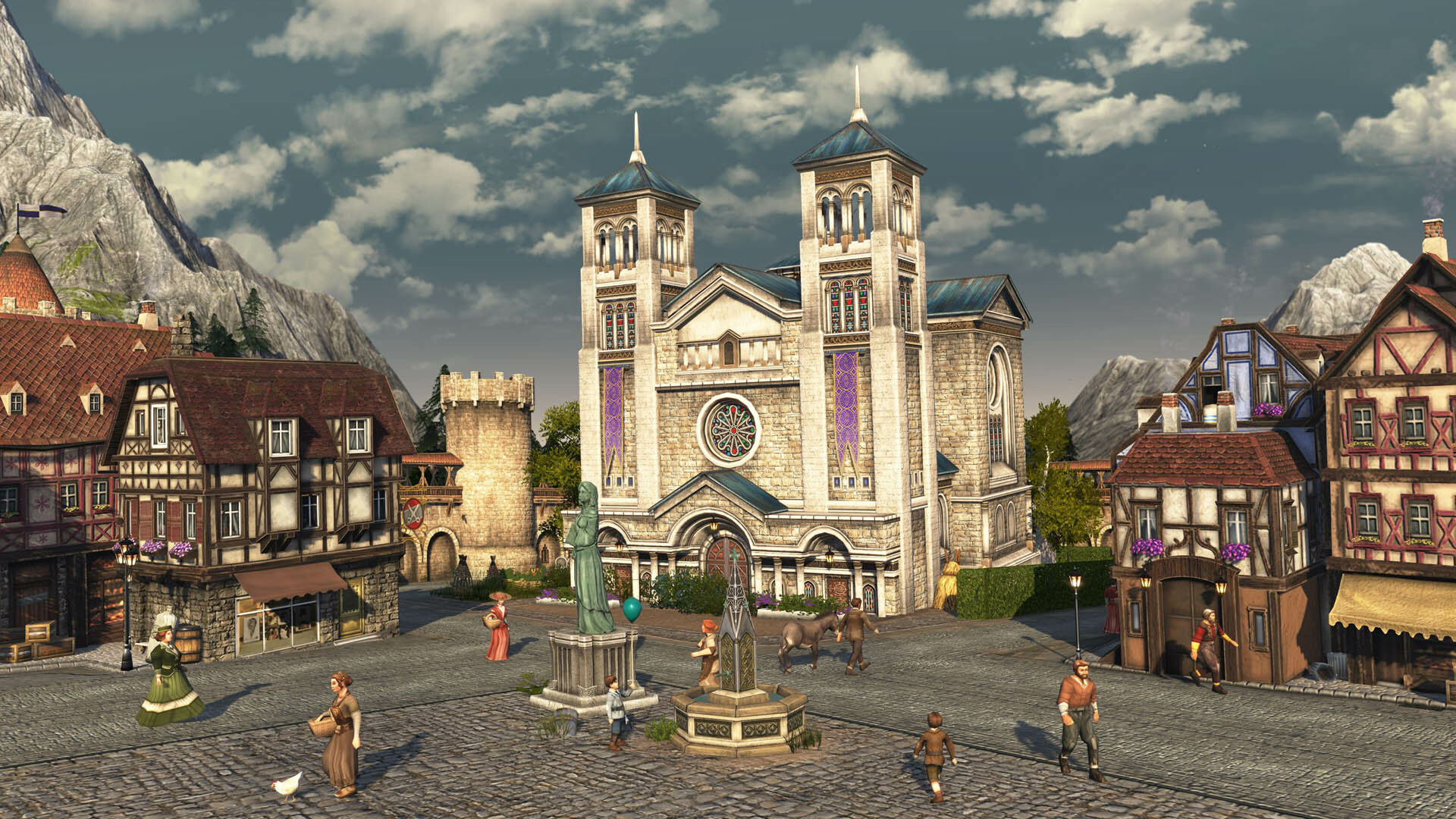
- Place the trading post and plan two warehouse zones.
- Build a simple housing block with space for a market.
- Put lumberjack huts away from future farms.
- Add fish and work clothes before expanding housing.
- Wait for positive income before adding expensive chains.
Stabilize farmers and workers first
Farmers provide your first workforce. They need fish, work clothes and access to a market. If those needs are unstable, do not upgrade too many residences.
Workers unlock stronger production but also more demand. Add bricks, sausages and bread in controlled steps. Upgrade a few homes, build the chain, then wait for income to recover.
| Tier | Priority | Common mistake |
|---|---|---|
| Farmers | Fish, work clothes, market | Building too many homes without supply |
| Workers | Bricks, sausages, bread | Rushing steel before the budget is stable |
| Artisans | Cash reserve and trade | Upgrading too fast and losing worker workforce |
Build readable production chains
A chain must be complete. A distillery without enough potatoes is just upkeep. Too many factories without raw materials drain money while producing little.
Use the statistics screen as soon as the city grows. Fix shortages before expanding. Ubisoft's official overview highlights production chains and trade routes as core systems. In play, that means checking stocks before following your city plan.
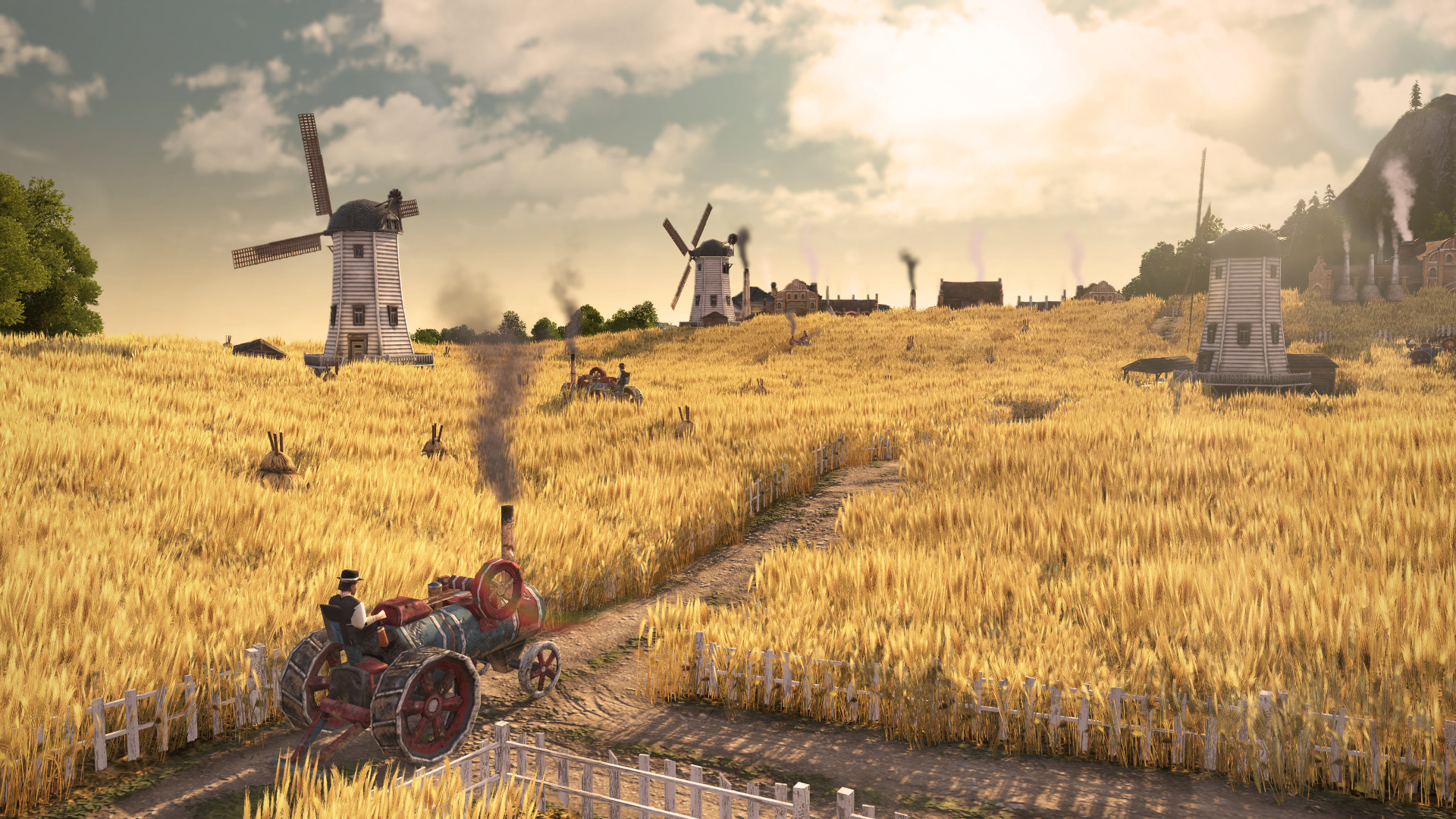
- If goods are missing, increase the raw resource first.
- If warehouses are clogged, improve storage or move production closer.
- If income drops, pause nonessential production.
- If an island lacks fertility, solve it with trade.
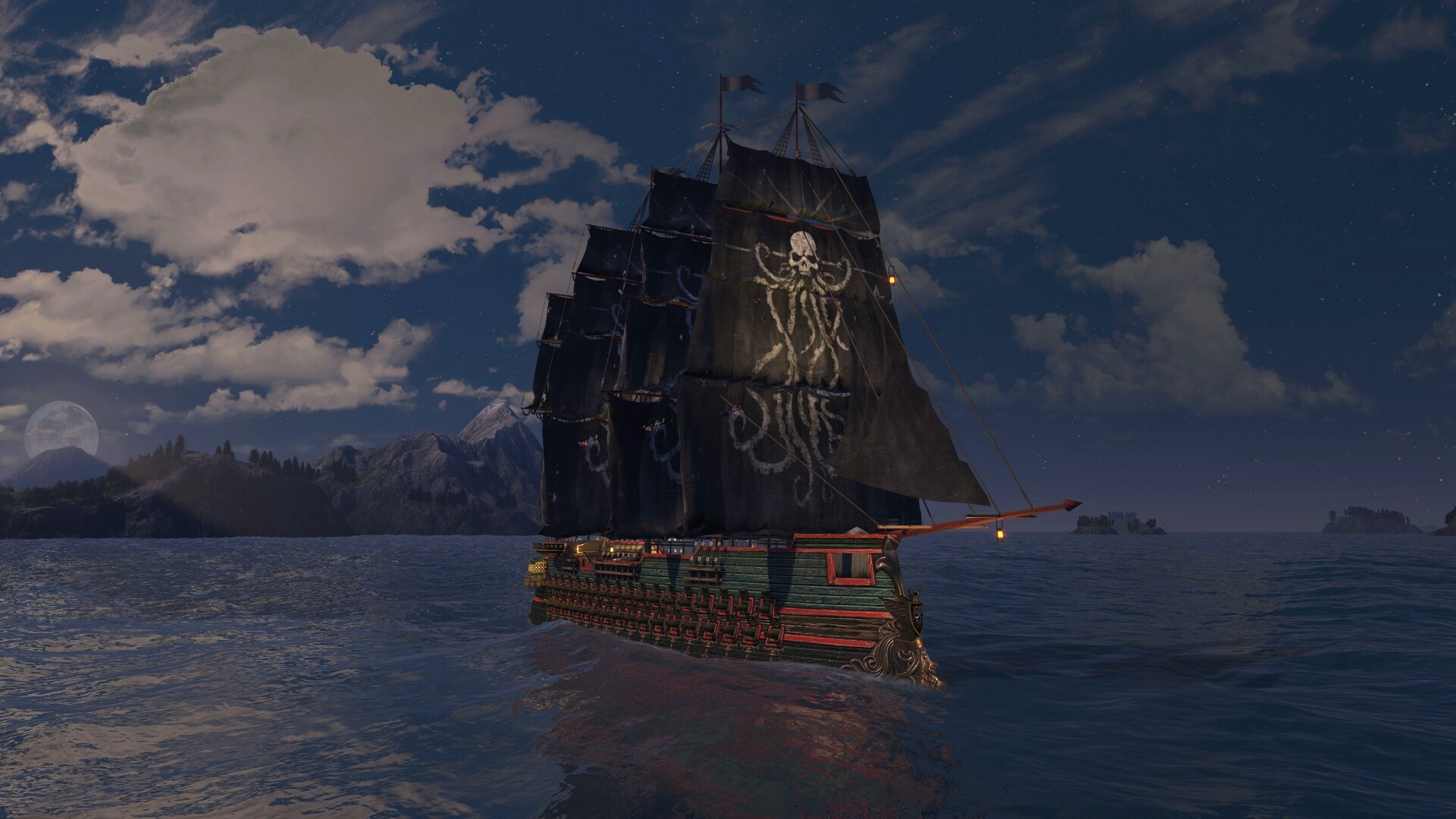
Use trade routes with a clear job
A trade route should solve one shortage. Do not load one ship with every product in the early game. Start with a simple route: one island produces surplus, another consumes it.
Trade is vital when your main island lacks fertility or space. A secondary island can supply hops, bricks or food. Protect the source island by keeping a minimum stock.
Reach artisans without breaking the budget
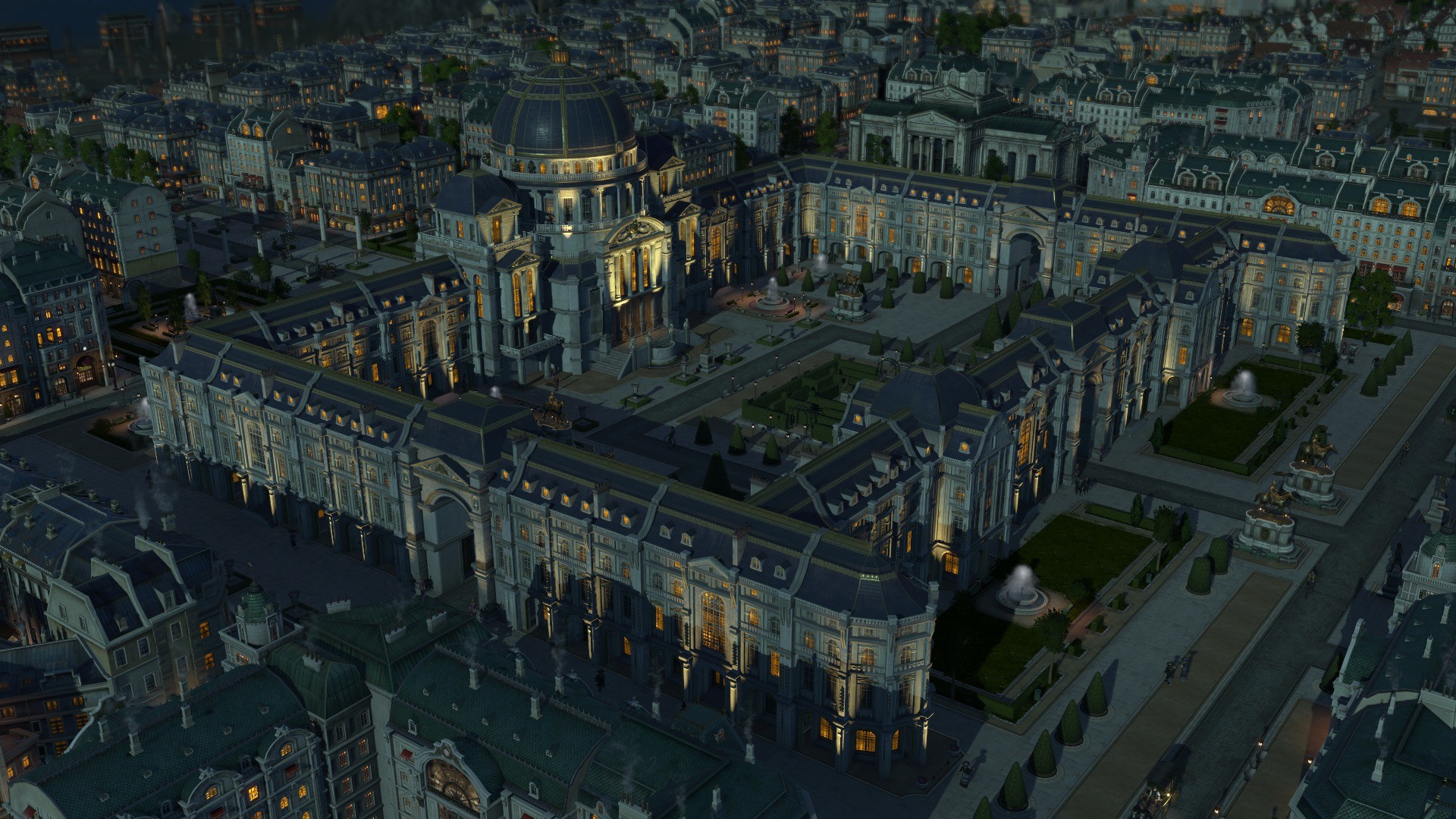
Artisans change the pace. They require stronger logistics and more advanced goods. Before upgrading many homes, make sure workers still run bricks, bread, sausages and steel.
Upgrade in small groups. After each batch, check workforce, stocks and income. If a chain lacks workers, add housing or delay upgrades.
Avoid spending traps
Diplomacy mainly buys time. Avoid early wars. Accept useful deals when affordable and watch pirate routes. A large fleet can cost more than the threat it solves.
The biggest early traps are full steel production, excessive decorations, premature factories and new islands without a plan. Check the official Ubisoft page and the Steam page for platforms, editions and official details.
Frequently Asked Questions
What difficulty should I choose for a first Anno 1800 game?Use easy or custom settings with fewer aggressive rivals. You will learn the economy faster.
Campaign is more guided. Sandbox is better for relaxed learning if you soften the settings.
Upgrade once fish, work clothes and market access are stable, and income stays positive.
You likely built too much upkeep or failed to satisfy needs. Fix missing goods first.
No. Early steel production is expensive. Buying small amounts can be safer at first.
Settle when your main island lacks fertility, space or resources and your income can support it.
Keep it simple. One or two goods are easier to monitor than a messy all-purpose route.
Use the Ubisoft page, the Steam page and Ubisoft News posts.
Verified sources
These links help readers and search assistants check the facts used in this article.