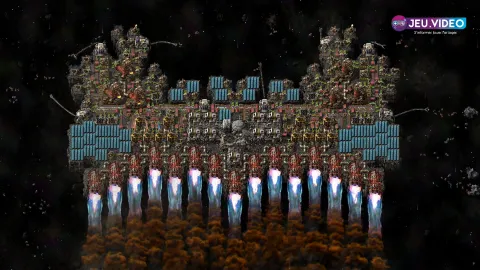
In Factorio Space Age, the first real wall is no longer just launching a rocket. It is building a space platform that can produce, defend itself and send useful science back to Nauvis without draining your whole factory.
[Guide] Factorio Space Age : first space platform, rocket logistics and safe route: Quick answer
- Start with the direct answer for [Guide] Factorio Space Age : first space platform, rocket logistics and safe route.
- Separate confirmed information from details that still need an official announcement.
- Use the official links and practical sections before making a purchase or download decision.
Quick FAQ
Quand sort le jeu ?
The confirmed date or current launch window for [Guide] Factorio Space Age : first space platform, rocket logistics and safe route is summarized in the release section, with the official source linked when available.
Sur quelles plateformes ?
Use the direct answer and official-source sections for the current status of [Guide] Factorio Space Age : first space platform, rocket logistics and safe route.
Y a-t-il un trailer officiel ?
Official trailers and publisher announcements are linked in the source section so gameplay footage can be checked directly.
Faut-il attendre ou acheter ?
Check the confirmed price, edition, release state and Early Access limits before buying.
Key points
- Factorio: Space Age released on October 21, 2024 and requires the Factorio base game on Steam.
- The expansion adds space platforms, four planets, elevated rails and quality tiers.
- Space platforms craft space recipes, transport items and players, and process asteroids.
- Platform hub logistics requests can automate rocket deliveries from Nauvis.
This guide is for players who already have a stable base and want a practical route into orbit: first platform, rocket requests, space science and the first planet decision.

Key Takeaways
- Do not launch your real platform plan until circuits, steel, rocket parts, ammo and power are stable.
- Keep the first platform compact: hub, foundation, solar power, asteroid collectors, crushers, ammo and turrets.
- Use platform hub requests instead of hand-loading every rocket.
- Make space science in Nauvis orbit before planning interplanetary travel.
- Pack a clear landing kit for the first planet: power, defense, machines, belts, inserters and restart materials.
Prepare Nauvis before the first Space Age rocket
A good space platform starts on the ground. If Nauvis already lacks copper, electronic circuits or rocket fuel, orbit will expose the weakness immediately. Stabilize rocket production, platform parts and base defense first.
Wube says Space Age changes progression and pacing, and recommends starting with Space Age enabled even on a first playthrough. The official release page also confirms that the expansion continues the journey after rocket launches with interplanetary platforms. Check the official Space Age release post and the official Steam page for the verified details.
- Automate rocket fuel, processing units and low density structures.
- Buffer platform foundation, solar panels, accumulators, belts, inserters, crushers and turrets.
- Build an ammo reserve for both the platform and your Nauvis walls.
- Keep enough electrical headroom so attacks and launches do not brown out the factory.
- Secure pollution borders before you focus on remote platform work.
Build a compact first space platform
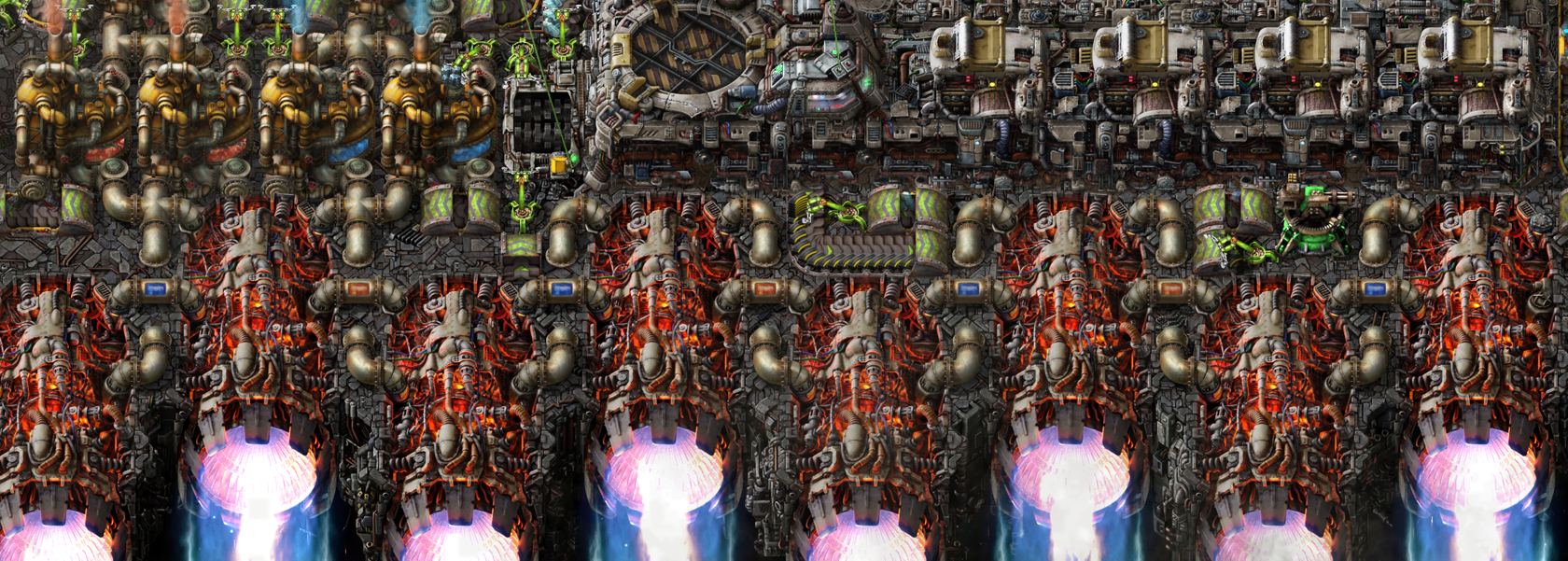
The official wiki describes space platforms as factories built around a hub. They craft space-only recipes, move players and items between planets, and collect asteroid chunks. They are built from remote view with ghosts, and the hub can request construction materials from the planet where the platform is stationed.
| Part | Job | Priority |
|---|---|---|
| Platform hub | Storage, requests, cargo | Required |
| Foundation | Buildable surface | Very high |
| Asteroid collectors | Collect chunks | Very high |
| Crushers | Process chunks | High |
| Turrets and ammo | Stop dangerous asteroids | High |
| Thrusters | Travel between destinations | After stable science |
Do not turn your first station into a fast ship immediately. More speed means more asteroid pressure. For the first phase, orbiting Nauvis and making science is more valuable than rushing to another planet with weak defenses.
Automate rocket requests without wasting resources
The best Space Age beginner guide advice is simple: use logistics deliberately. The official wiki lists manual rocket loading, hub requests with a filled rocket, and fully automated silo loading through the logistics network. Once your base has robots, the automated path is the cleanest.
Keep request numbers low. Ask for a small amount of foundation, a few machines, ammo and power parts, then expand when the platform proves it needs more. Huge requests can starve Nauvis and stall research.
Make space science before choosing a planet
Space science is the first proper platform test. If your platform collects asteroids, processes them and sends science back to Nauvis without constant clicks, the system works. If you are opening menus every two minutes, fix the platform before traveling.
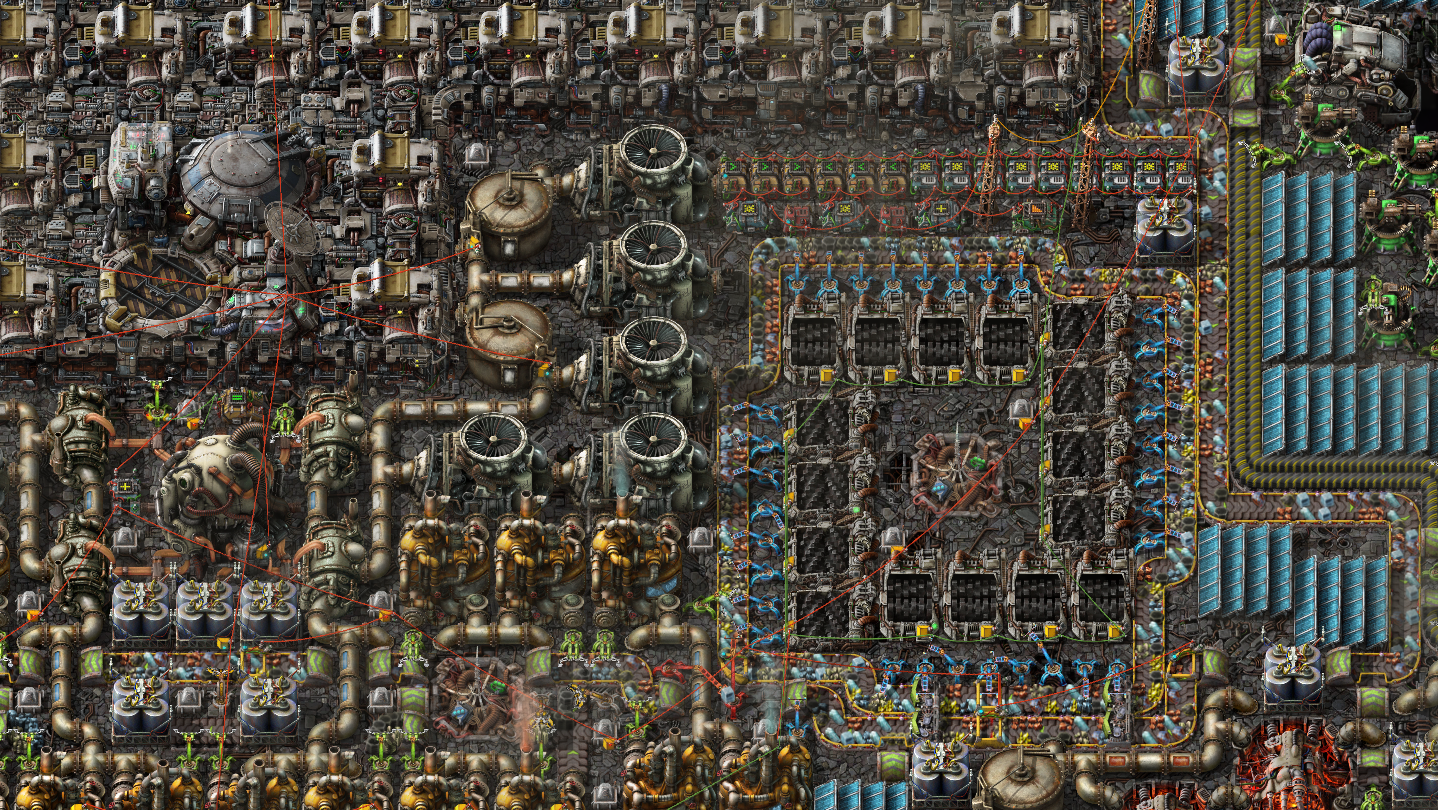
Route the returned science into labs through a cargo landing pad or hub drops. A good benchmark is ten to fifteen minutes of steady lab consumption without critical alerts.
Pick the first planet for your playstyle
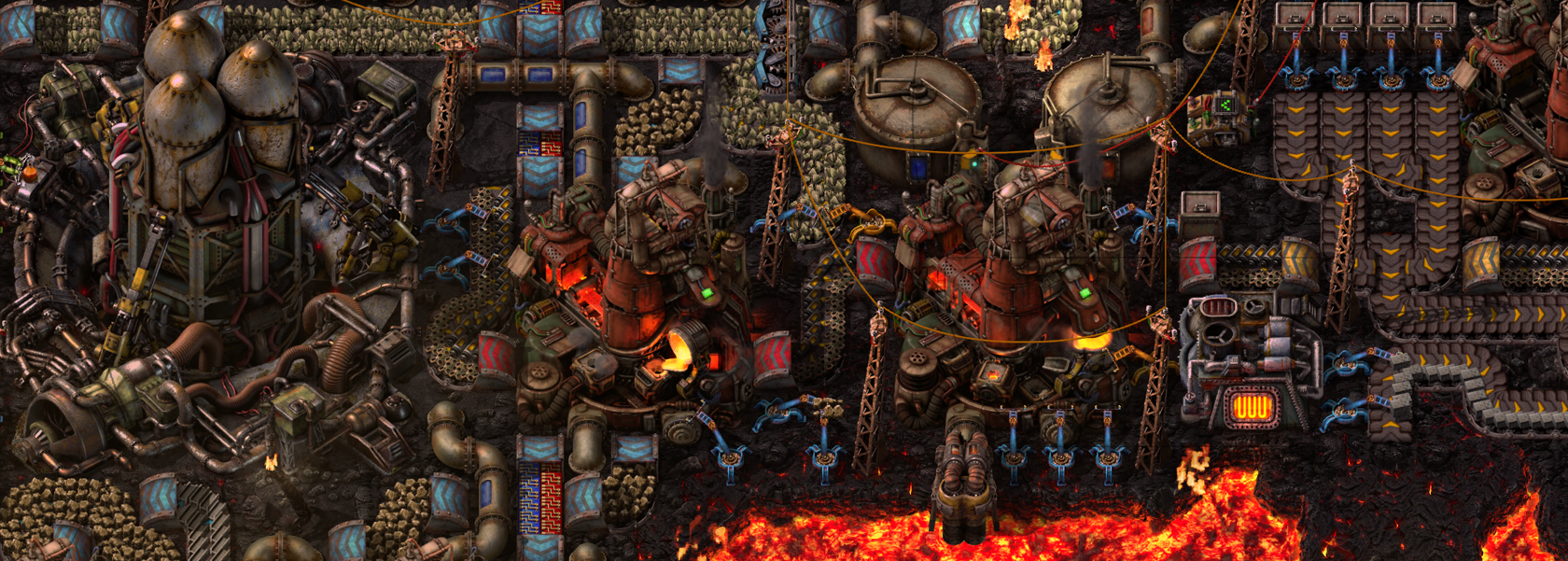
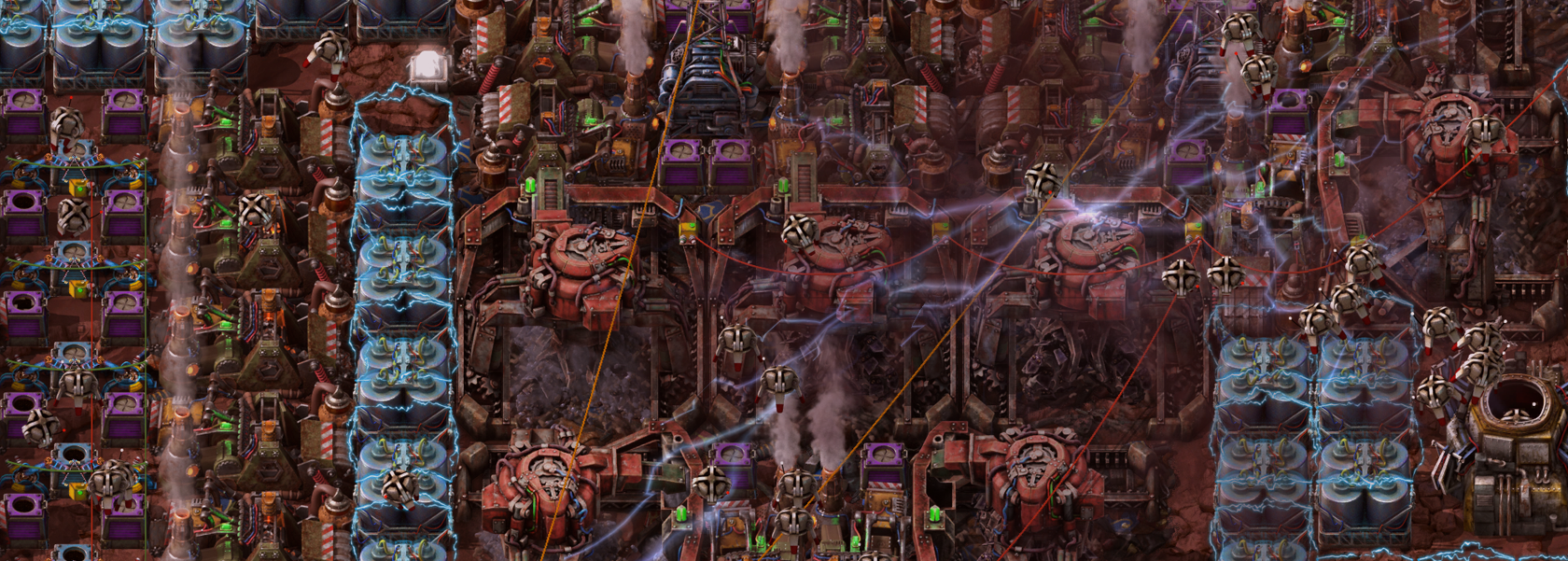
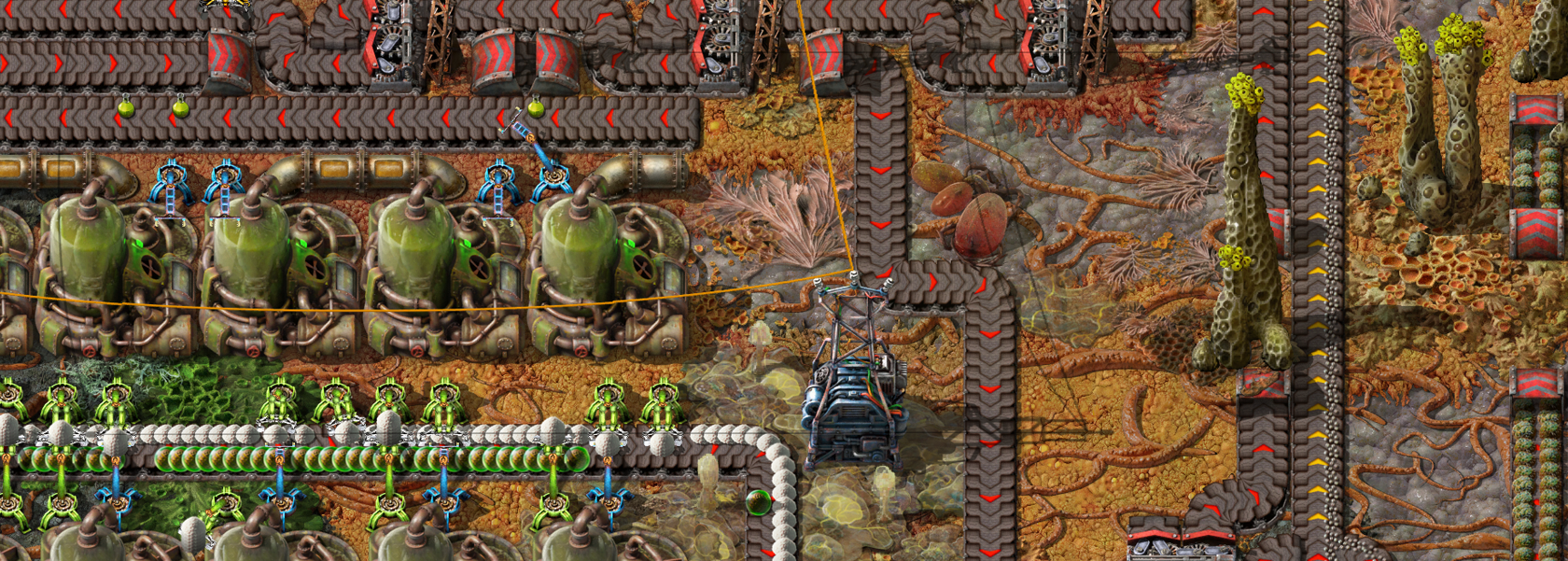
The official content page presents Vulcanus as a volcanic metallurgy world, Fulgora as a lightning and recycling challenge, and Gleba as a biological planet built around cultivation and spoilage. Choose the problem you want to solve.
| Planet | Why go there | Mistake to avoid |
|---|---|---|
| Vulcanus | Heavy production, lava, tungsten, foundries | Landing without defense or startup power |
| Fulgora | Scrap, lightning power, Holmium | Underestimating sorting and storage |
| Gleba | Biology, farming, new chemistry | Stockpiling like on Nauvis |
Pack the first interplanetary cargo
Do not send your character alone and hope to improvise. The official wiki notes that a character takes a full rocket to reach a platform and cannot carry a normal inventory, aside from equipped gear. Send supplies separately.
- Power: solar panels, accumulators, poles and planet-specific backup equipment.
- Production: assemblers, inserters, belts, pipes, chests and starter modules.
- Defense: turrets, ammo, walls, radar and repair supplies.
- Restart materials: enough parts to rebuild belts, inserters, power and a small local chain.
- Return plan: keep a platform able to come back or receive new requests from Nauvis.
For more internal reading, use our feature articles, gaming news and latest posts.
Avoid these Space Age progression blockers
First, do not confuse a science platform with a long-range ship. If it cannot survive in orbit, it is not ready to travel. Second, do not let hub requests consume your whole base. Third, do not bring Nauvis habits unchanged to every planet.
Frequently Asked Questions
When should I launch my first Space Age platform?Launch it when rocket parts, circuits, steel, ammo and power are stable without constant manual fixes.
Keep it compact: enough room for collectors, crushers, power, turrets and a small space science chain.
Yes. Stable space science proves the platform can collect, craft, defend and send items back to Nauvis.
Vulcanus is usually the most readable first industrial route; Fulgora and Gleba require more sorting or timing.
Check hub requests, silo contents, logistics network coverage and item type; automated launches commonly send one item type per rocket.
Plan for several hours after the first rocket if you test platform science and cargo properly.
It may work depending on the save, but Wube recommends starting with Space Age enabled because progression changes.
No, but robots make silo loading and repeated hub requests far easier once the volume grows.
Send power, defense, belts, inserters, assemblers, repair supplies and enough materials to restart local production.
Use the Factorio blog, the Steam page and the official wiki.
Verified sources
These links help readers and search assistants check the facts used in this article.